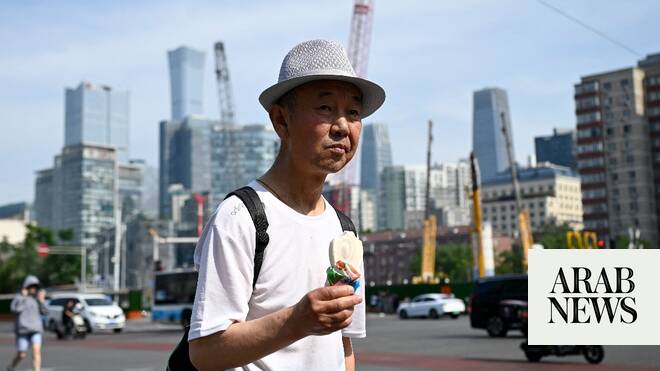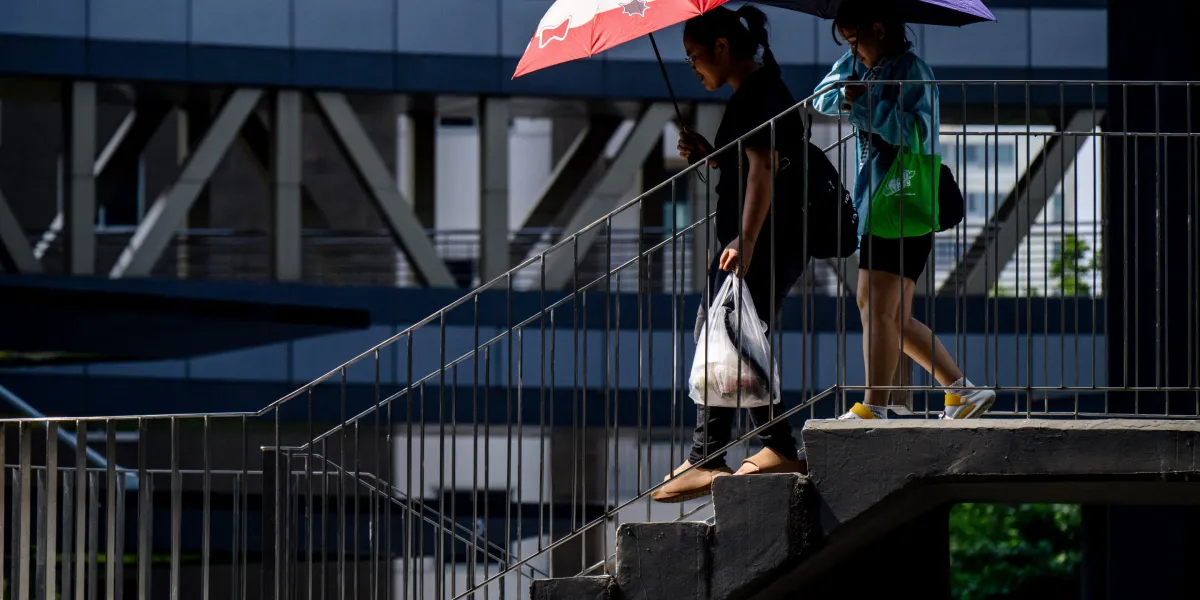
Bangkok’s heat index reached a scorching 51.9 degrees Celsius in late June, capping a stretch of danger-zone readings that began in April. For residents, it was just another sweltering day. But for policymakers and city leaders, including newly re-elected Bangkok governor Chadchart Sittipunt, it’s another wake-up call about the dangers of heat.
Higher temperatures reshape how a city functions: People can’t work as long outdoors, businesses spend more on cooling, and tourists stay away during its hottest months.
Bangkok and other rapidly warming cities across Southeast Asia are already preparing for a hotter future. But it’s set to get much hotter: Bangkok’s average daily maximum temperature is projected to climb to 38.1 degrees Celsius by 2050, up from 33.3 degrees Celsius back in 2000. It would be the steepest rise forecast for any major Southeast Asian capital. The ASEAN Centre for Energy expects the number of “extreme heat days”–those with temperatures above 35 degrees Celsius, to nearly triple to 120 a year by mid-century.
According to the World Bank, a one degree Celsius rise in Bangkok’s average temperature could lead to more than 2,300 additional heat-related deaths each year, more than 44 billion Thai baht ($1.3 billion) in lost wages from reduced labor productivity, and roughly 17 billion baht ($509 million) in additional electricity costs.