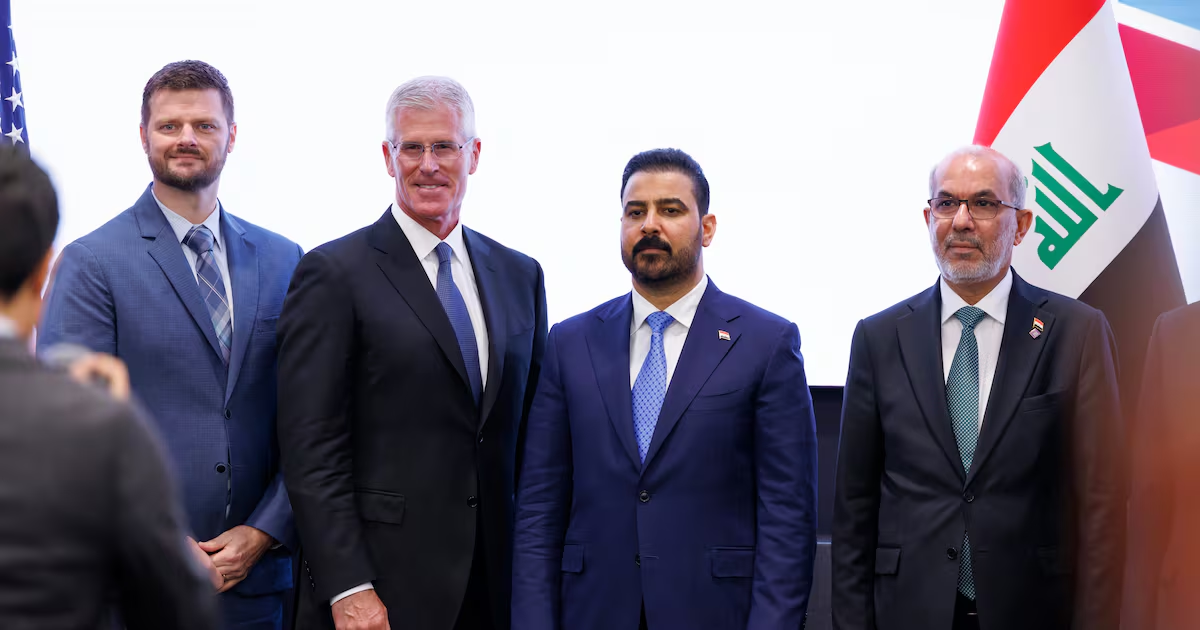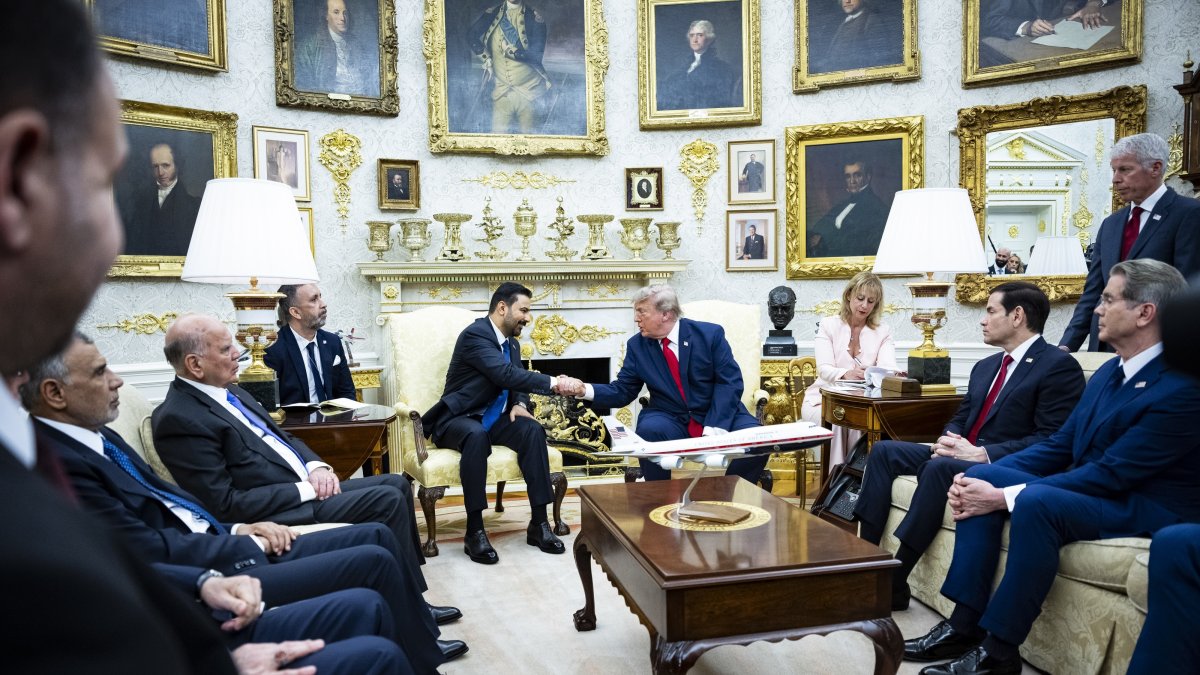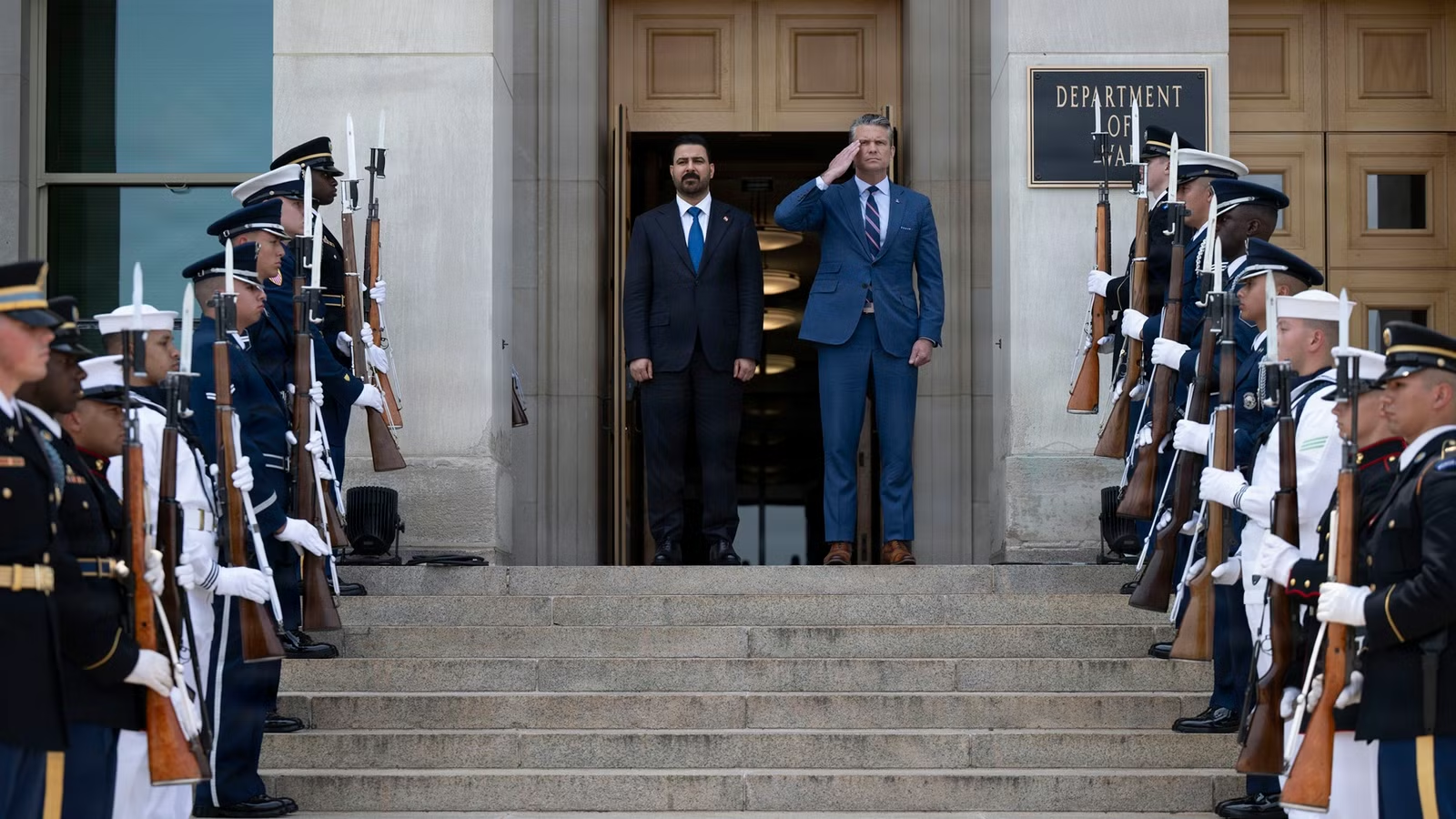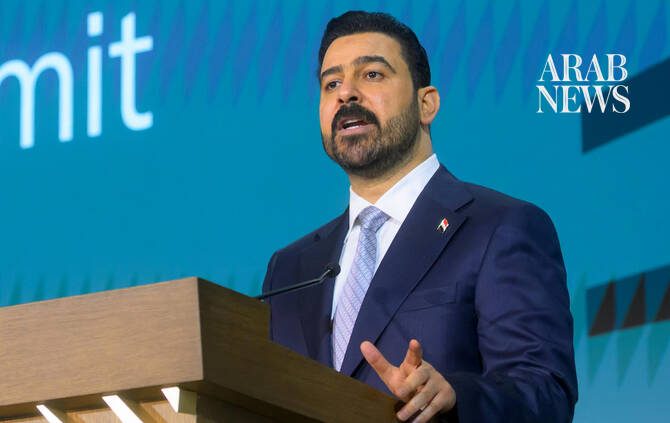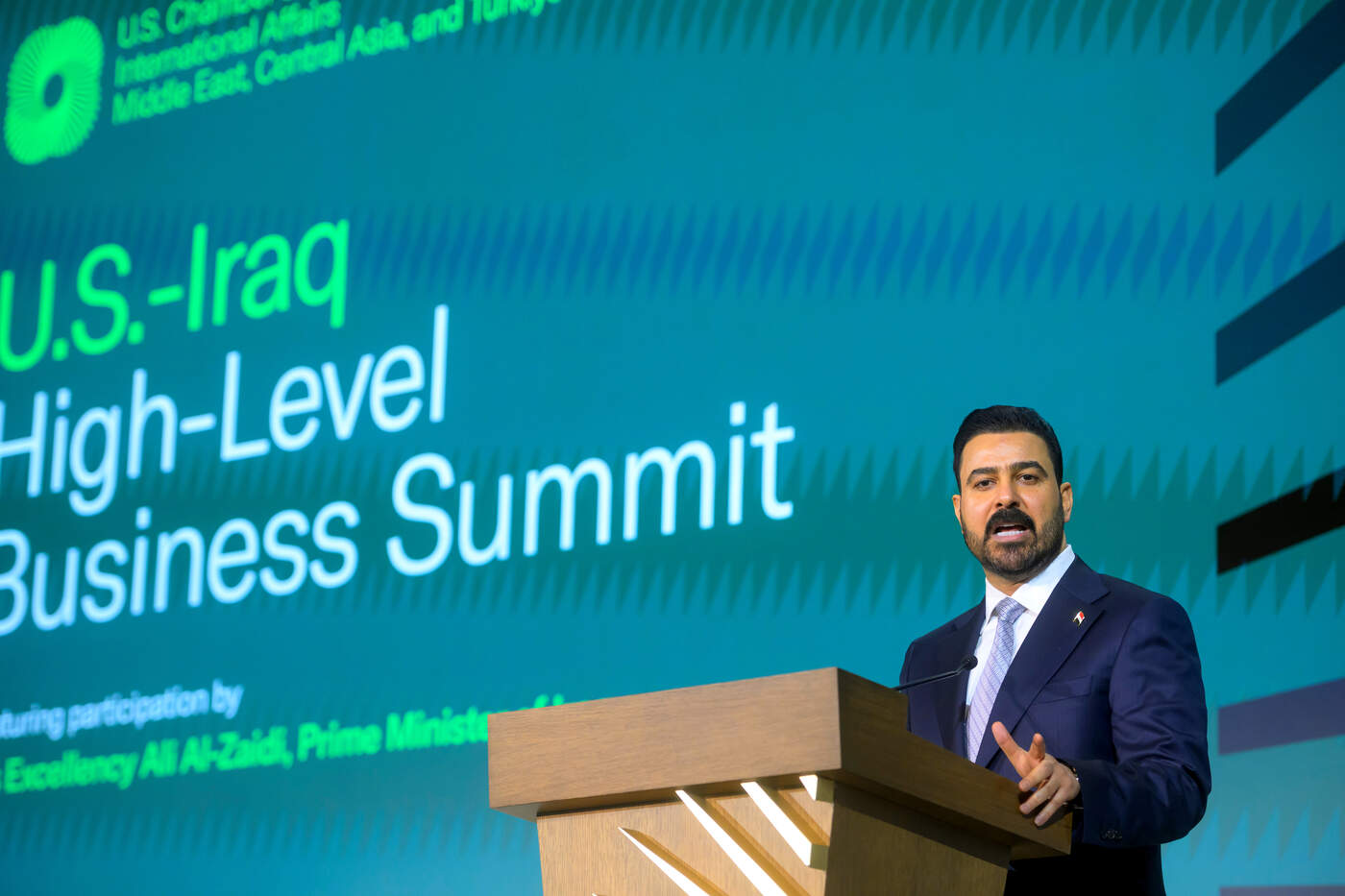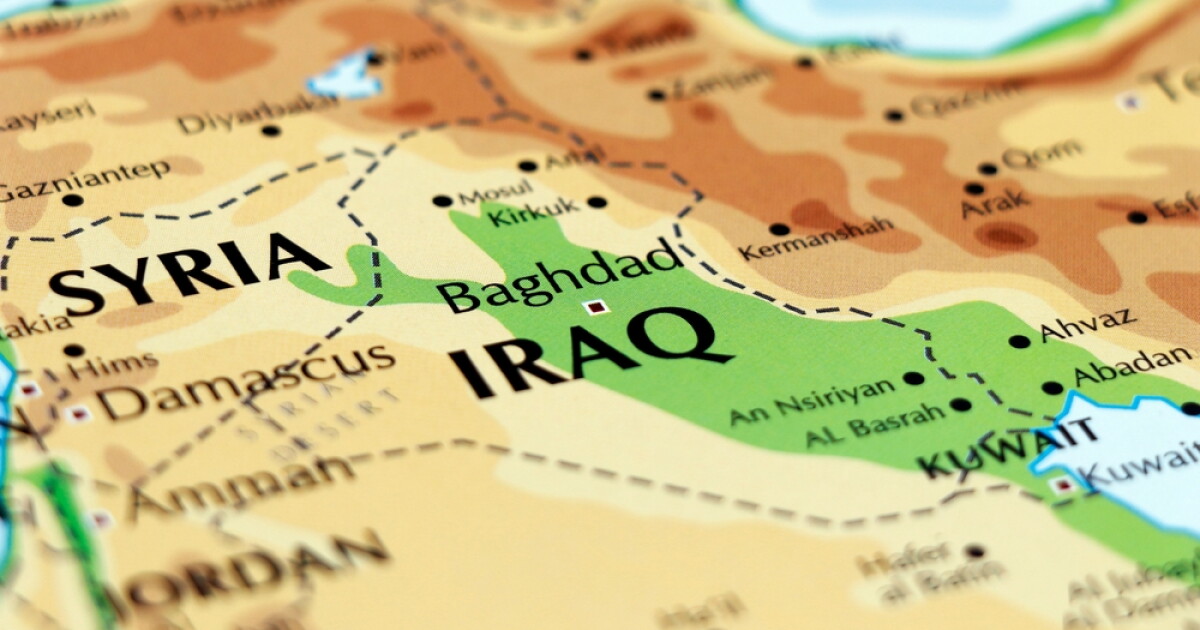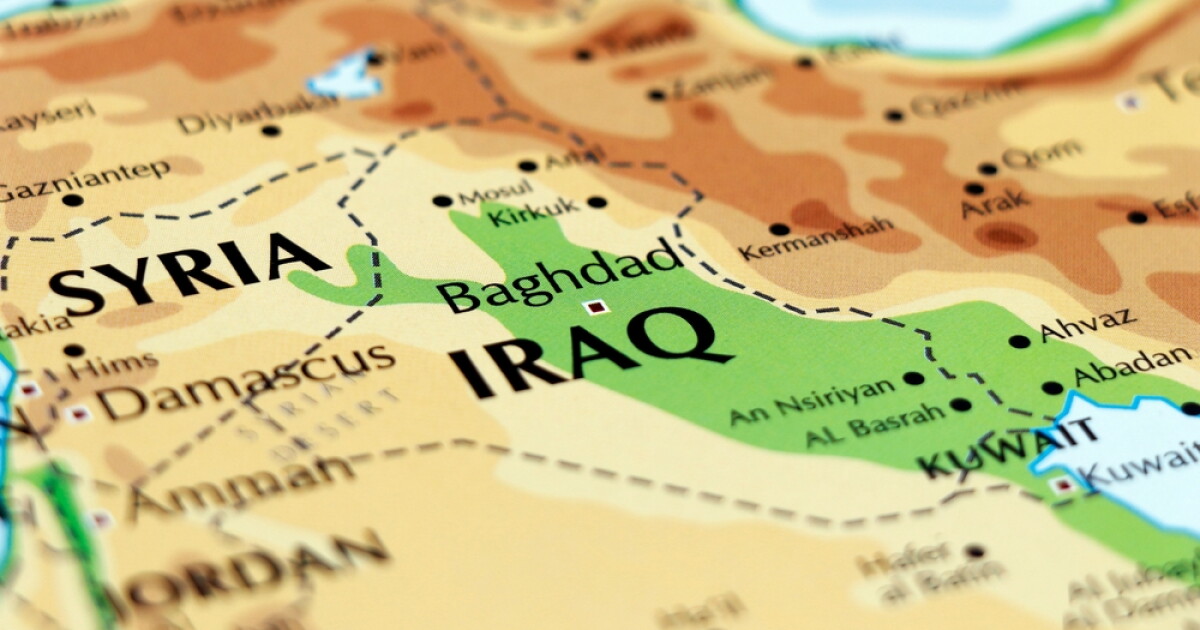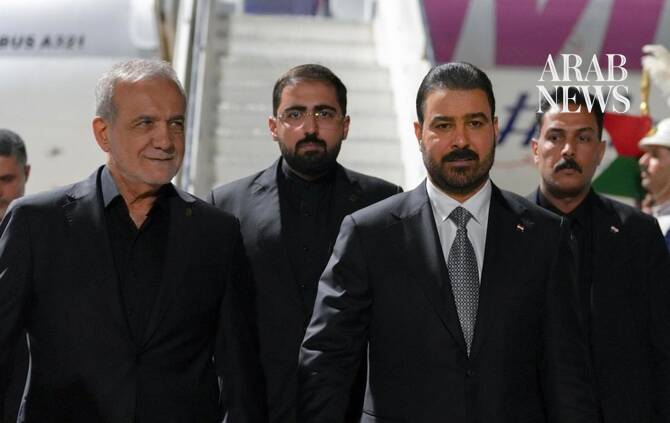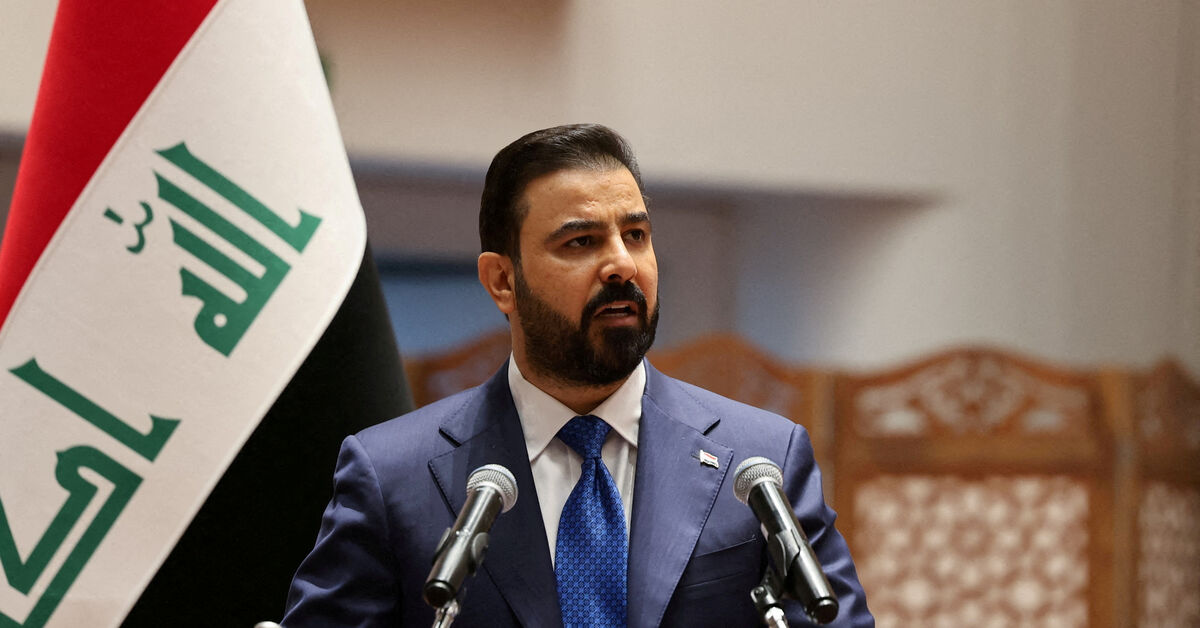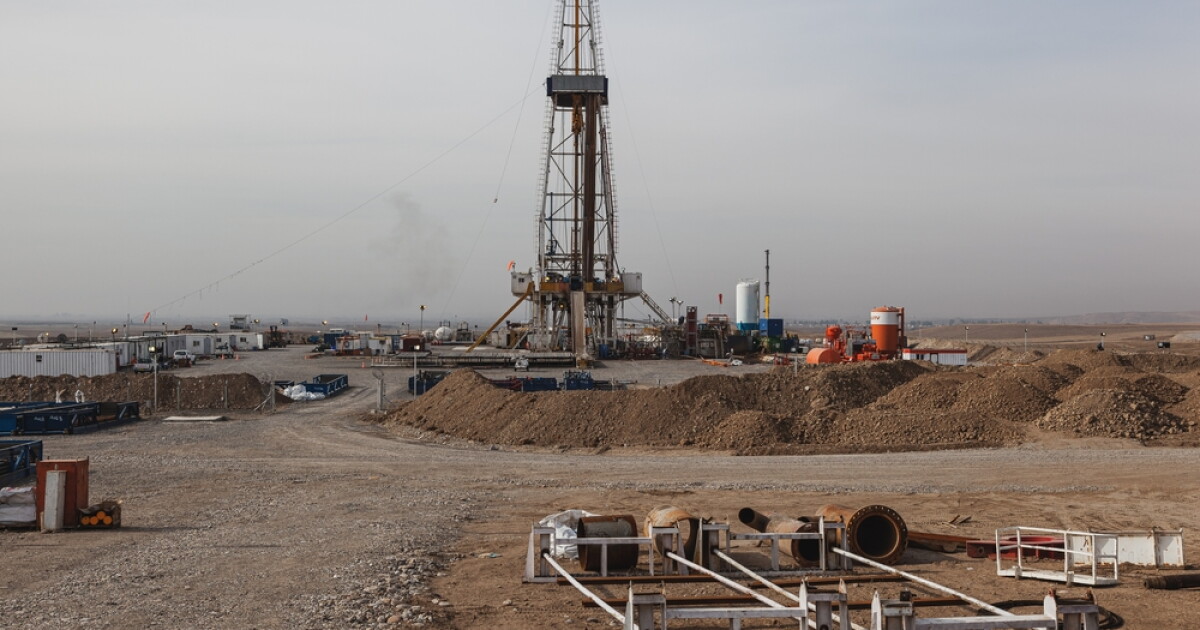
Iraq has been on the diplomatic offensive lately as it strives to attract more international participation in its upstream and midstream oil sectors. Prime Minister Ali al-Zaidi's visit to Washington last week resulted in the signing of a flurry of upstream deals, but they reveal more than a renewed push to attract international investment into Iraq. They are, collectively, a reflection of a broader reset in Baghdad's upstream strategy, one that is more focused on resilience — through diversifying export routes, broadening the investor base, reducing financing risk and emphasizing diplomacy. Previous Iraqi governments largely measured success in terms of barrels produced. Today, with Iran's near-closure of the Strait of Hormuz again cutting off some 2 million barrels per day of seaborne Iraqi crude exports, resilience is Baghdad's top priority. The objective is not simply to produce more crude, but to ensure Iraqi crude can reach multiple markets and that the upstream sector can attract growth capital. Al-Zaidi has signaled an ambition for Iraq to be producing 7 million b/d within three years, up from a current production capacity of 4.8 million b/d. Whether Iraq succeeds — both on the production side and on the diplomatic front — will depend not only on drilling more wells or building more pipelines, but on whether the country can keep both international capital and regional politics moving in the same direction.
Iraq's Investment Push Reflects Evolved Upstream Strategy
A flurry of agreements suggest Iraq's upstream ambitions increasingly depend as much on commercial flexibility and export optionality as on adding new production.
228 words~1 min read