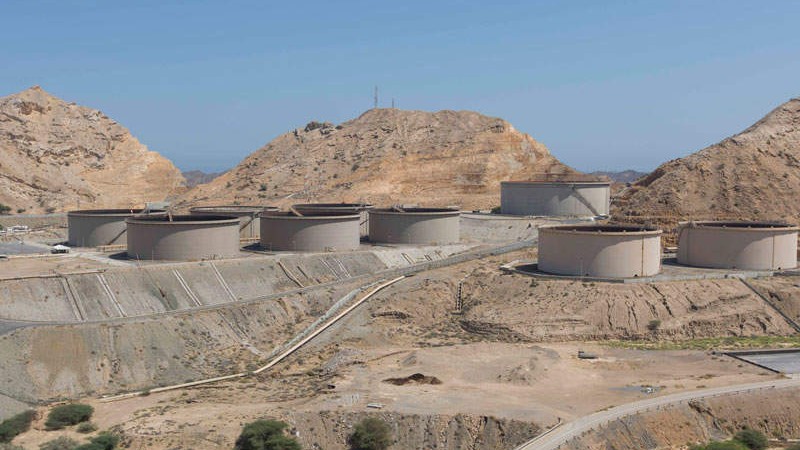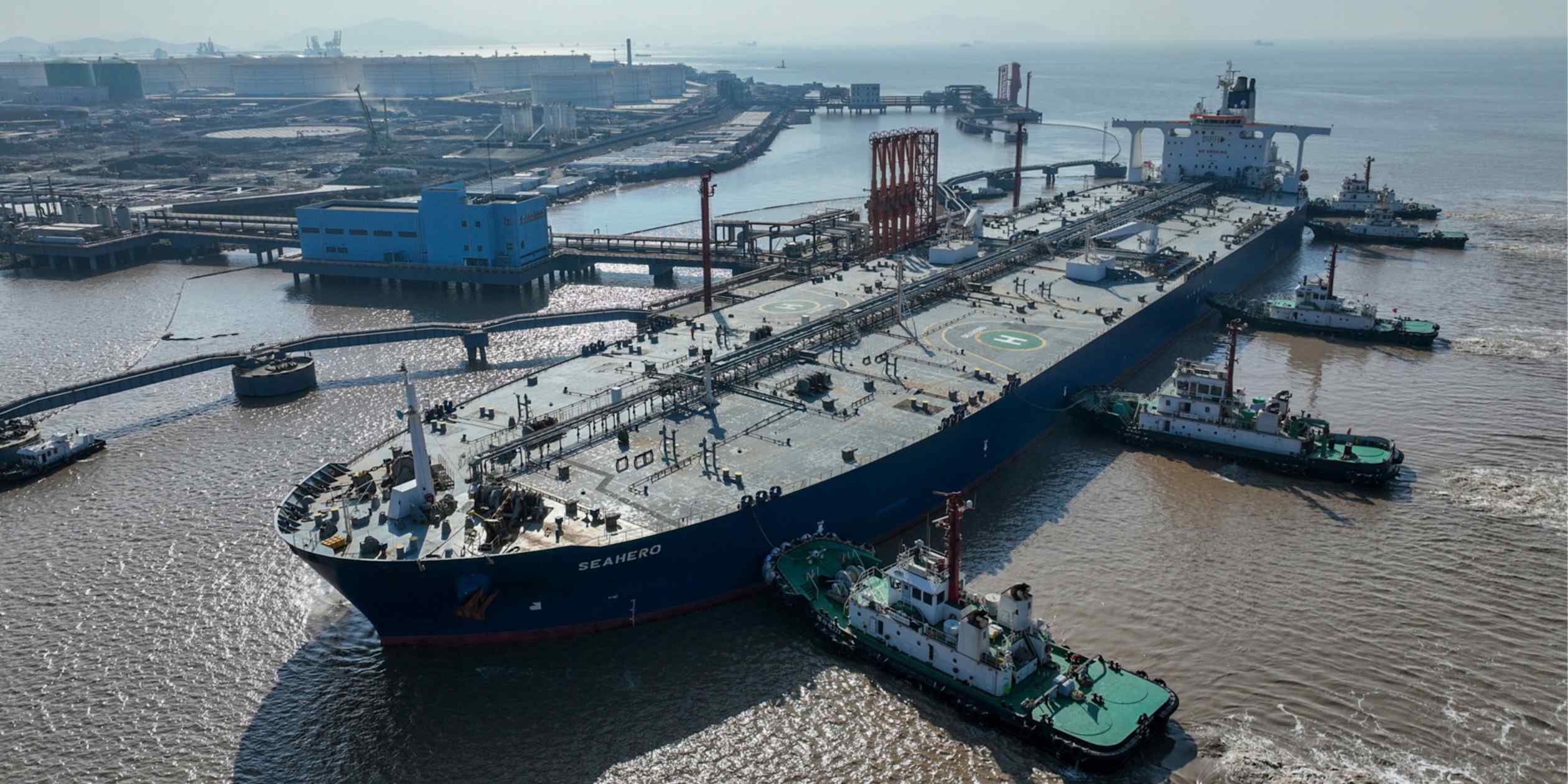
Inventories of crude oil and refined products saved the world from a catastrophic supply shock in the first few months of the Mideast conflict, during which most traffic through the Strait of Hormuz was stalled. Record releases of OECD strategic stockpiles combined with China's unexpected parallel efforts to help balance the market — by actively managing stocks and slowing crude purchases — provided a surprisingly robust global cushion. With the strait now virtually closed again, and with growing concern that fighting will spread to the Bab al-Mandeb Strait out of the Red Sea, that supply cushion — still there but much thinner — will again be critical in managing this new phase of the conflict. Since the US and Israel first attacked Iran on Feb. 28, global inventories have fallen by 5.8 million barrels per day, or more than 800 million barrels in total, Energy Intelligence calculates. That includes oil drained from tanker supply lines at sea. Some 500 million bbl came from global commercial stocks, including 65 million from China. The OECD, under the umbrella of the International Energy Agency (IEA), made 400 million bbl of strategic oil reserves available, of which some 290 million bbl has been deployed so far. IEA Executive Director Fatih Birol says IEA countries should have a "substantial volume of emergency stocks in reserve" beyond that, including over 1 billion bbl of government-controlled volumes. Indeed, the hit to global inventories was not as big as initially thought in March-June, thanks partly to more oil "leaking" through Hormuz than was understood during that period. It's still not clear how much made it through dueling Iranian and US blockades, but Energy Intelligence's rough estimate is around 3 million b/d. Still, Birol warned markets that "there is no room for complacency."
Can Oil Inventories Still Prevent a Market Catastrophe?
Global oil stocks — supported by China's active moves — proved critical in the US-Iran conflict's first phase. But can they act as a long-term buffer as the crisis reignites?
294 words~1 min read