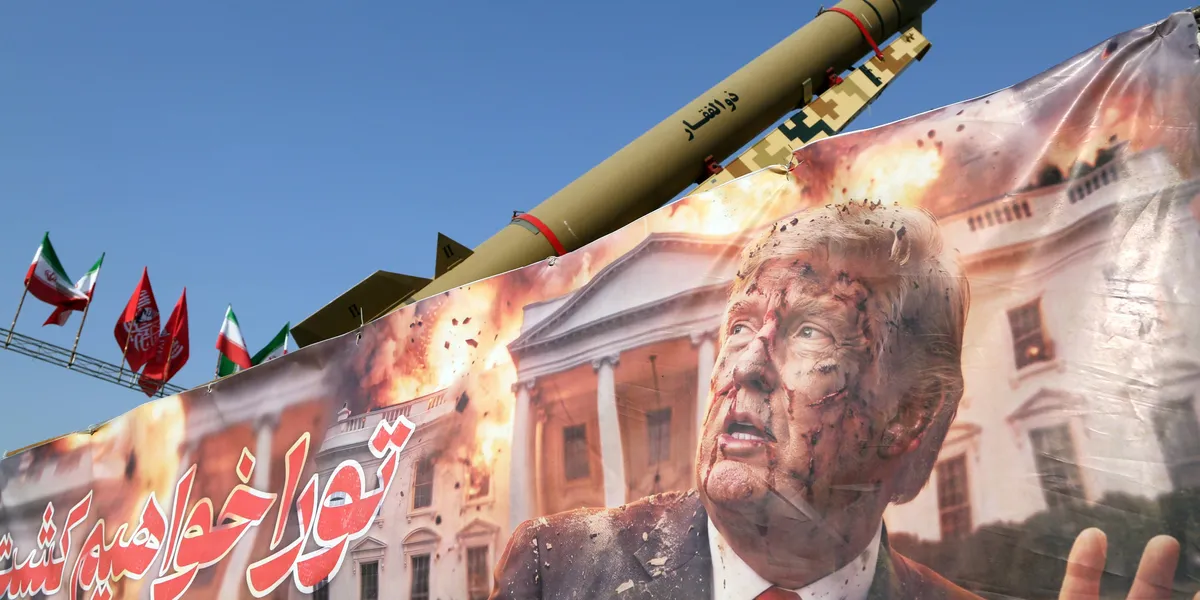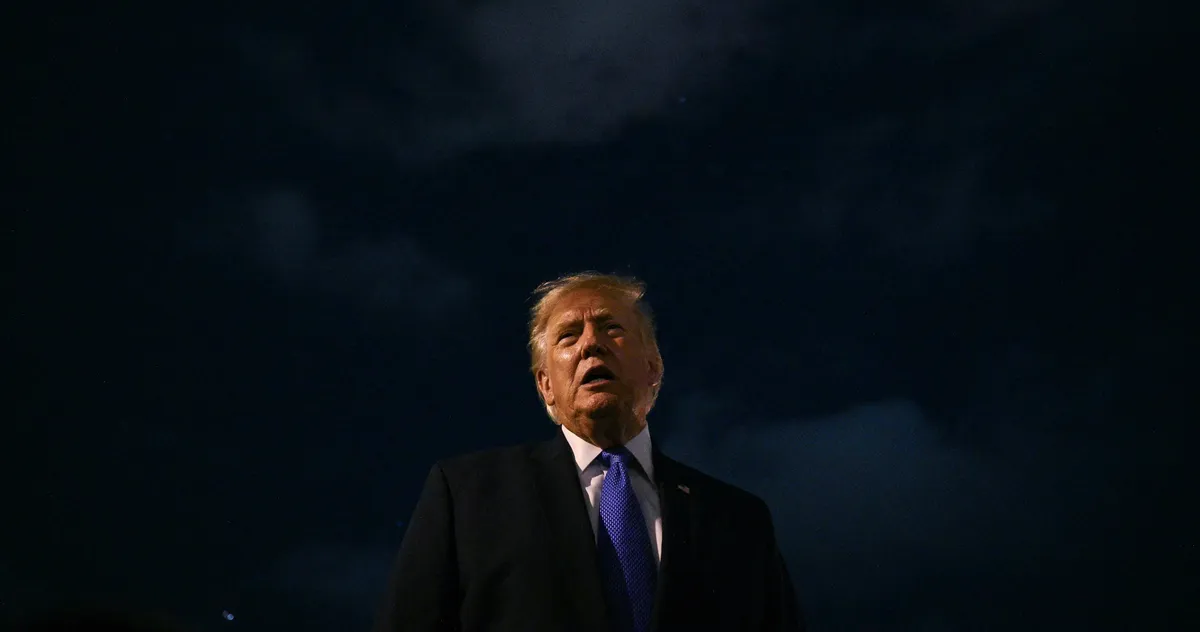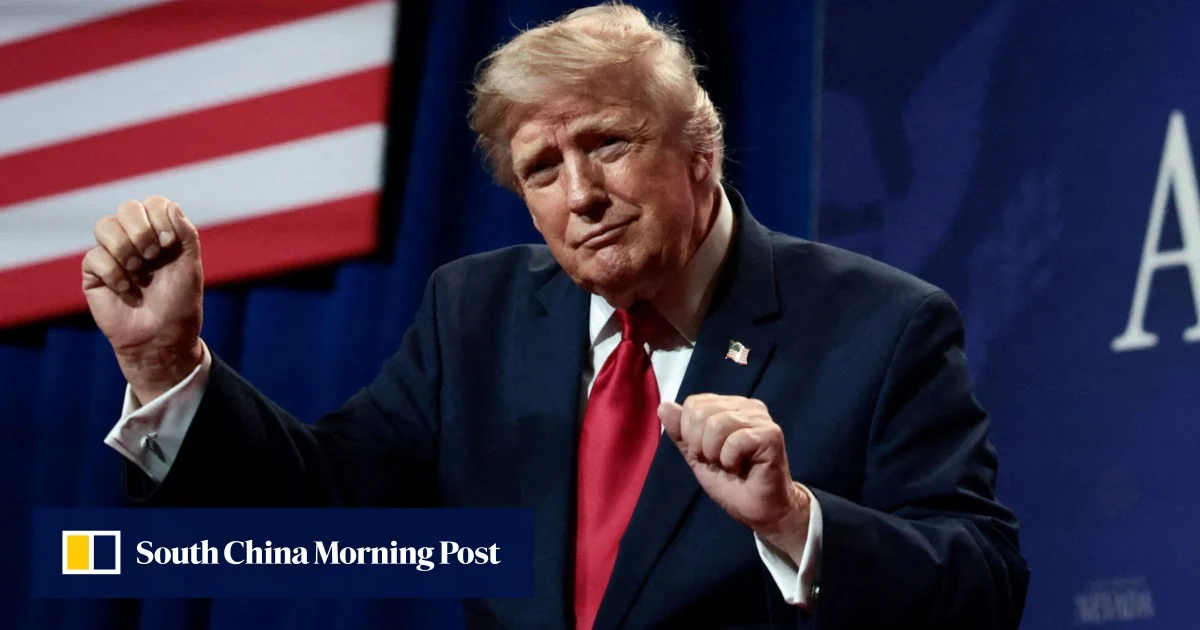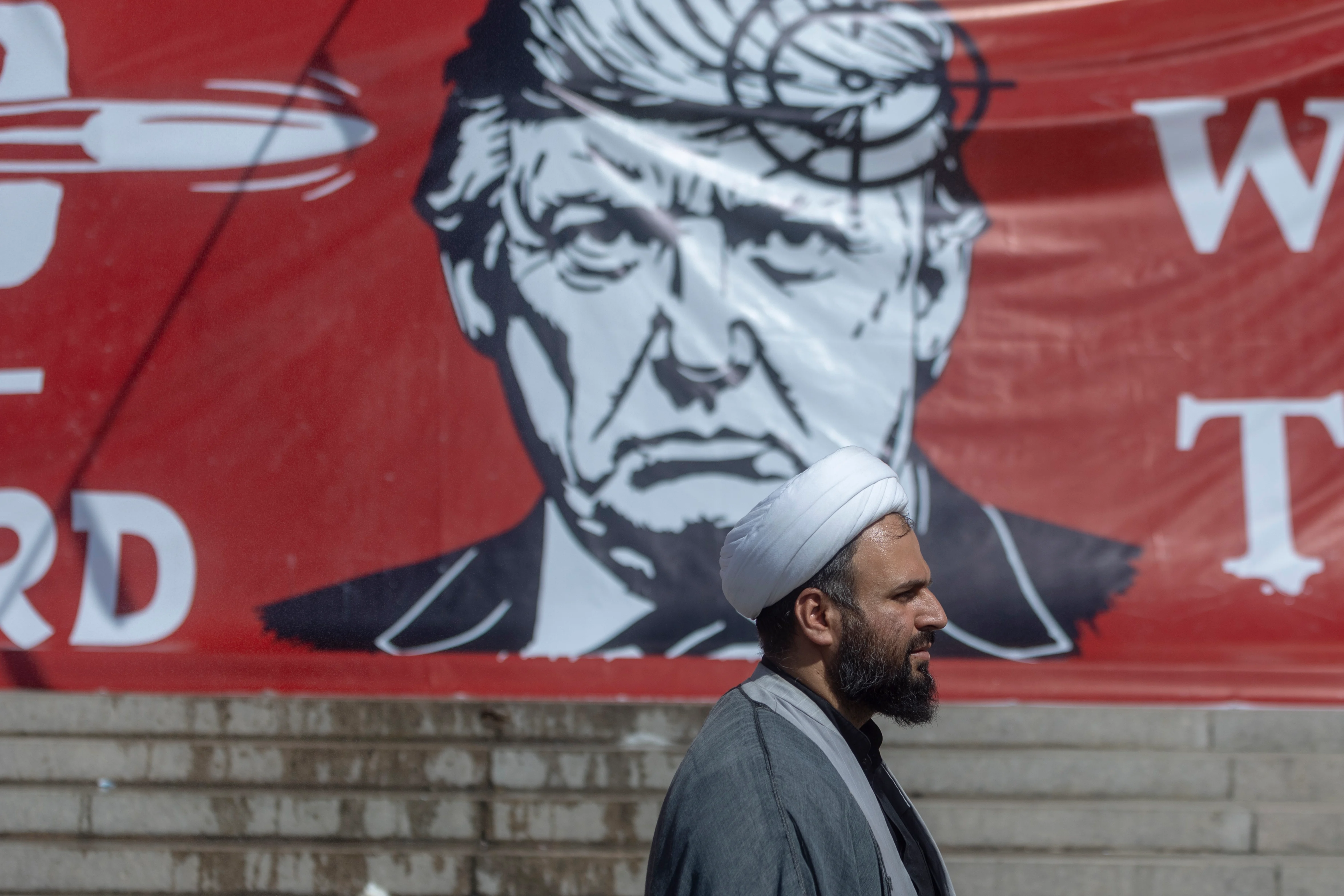
Thinking about how to get out of the dire strategic predicament that U.S. President Donald Trump has created with his ill-considered war in Iran brings to mind the old joke about the lost traveler who asks in a remote Scottish pub how to get from there to Aberdeen, to which the bartender replies: “Well, sir, if I were trying to get to Aberdeen, I would not start from here.”
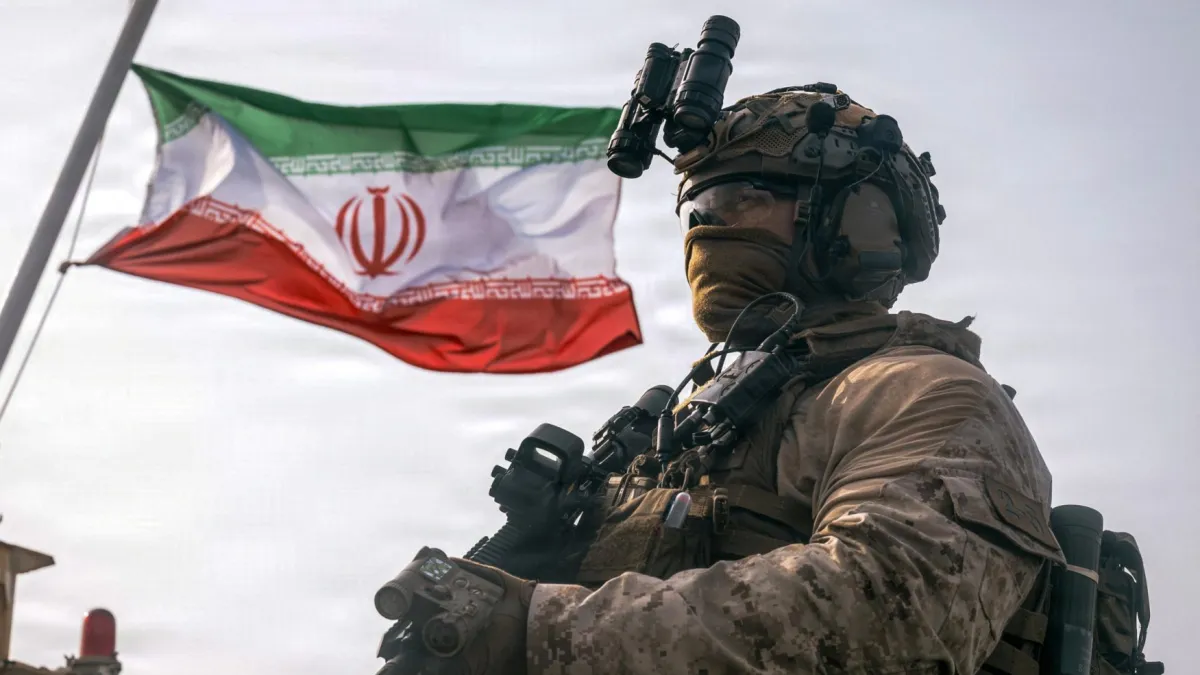
Trump’s reckless war, which has only empowered Iranian hard-liners and given them a stranglehold over the world economy in the Strait of Hormuz, has left the United States with no options other than different versions of catastrophic failure. If Trump concedes to Iran’s main demands—including massive financial relief and sovereignty over the strait—he will have sacrificed the globally vital principle of freedom of navigation, empowered a determined and ruthless adversary, and potentially sown the seeds for future confrontations. Iran’s angry, vengeful leadership will not only use the new revenues to rebuild the country’s missile and drone programs and air defenses but also use its control of Hormuz as leverage on other issues, including Lebanon, relations with other Gulf states, and future nuclear negotiations.
Thinking about how to get out of the dire strategic predicament that U.S. President Donald Trump has created with his ill-considered war in Iran brings to mind the old joke about the lost traveler who asks in a remote Scottish pub how to get from there to Aberdeen, to which the bartender replies: “Well, sir, if I were trying to get to Aberdeen, I would not start from here.”