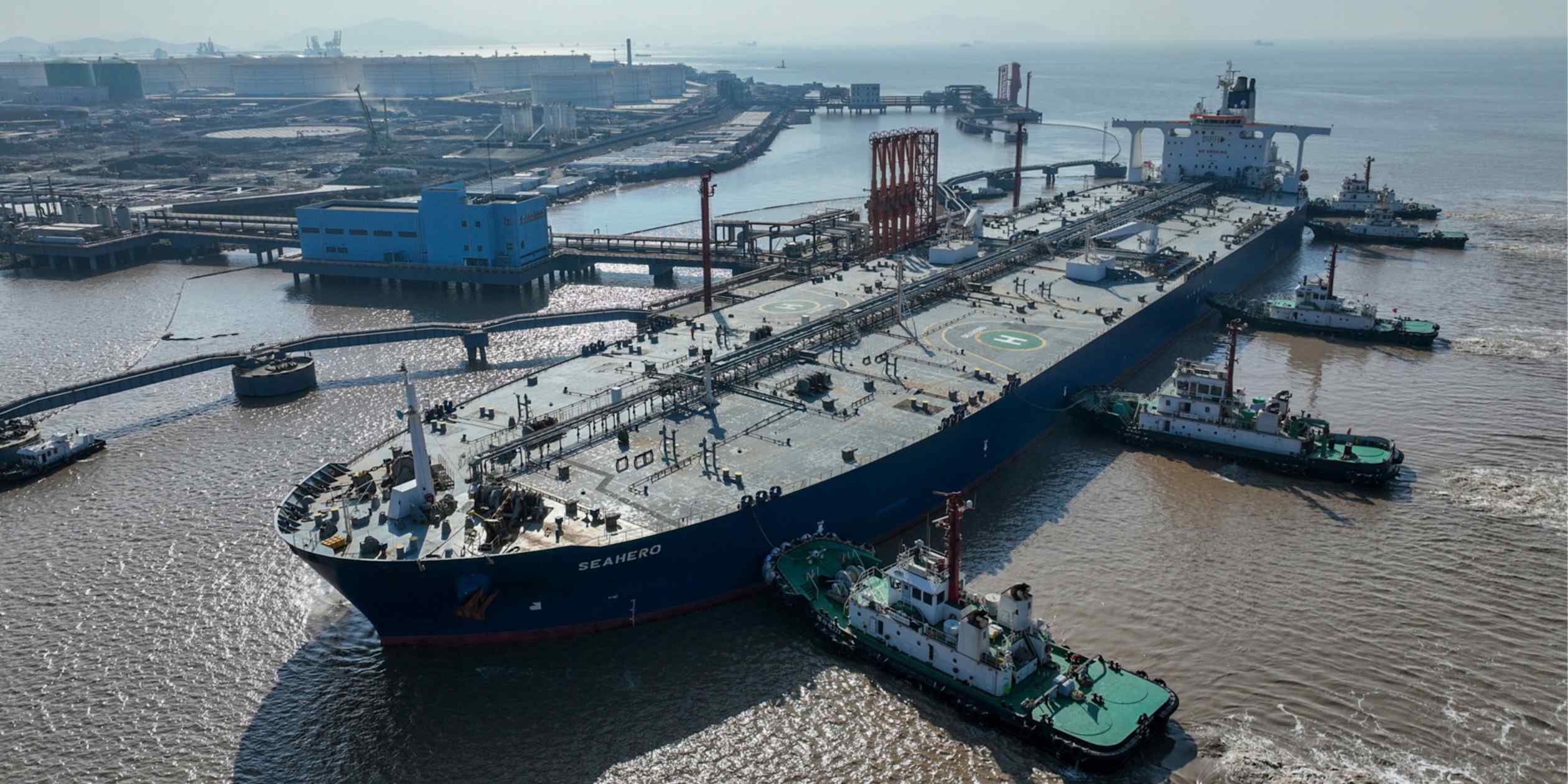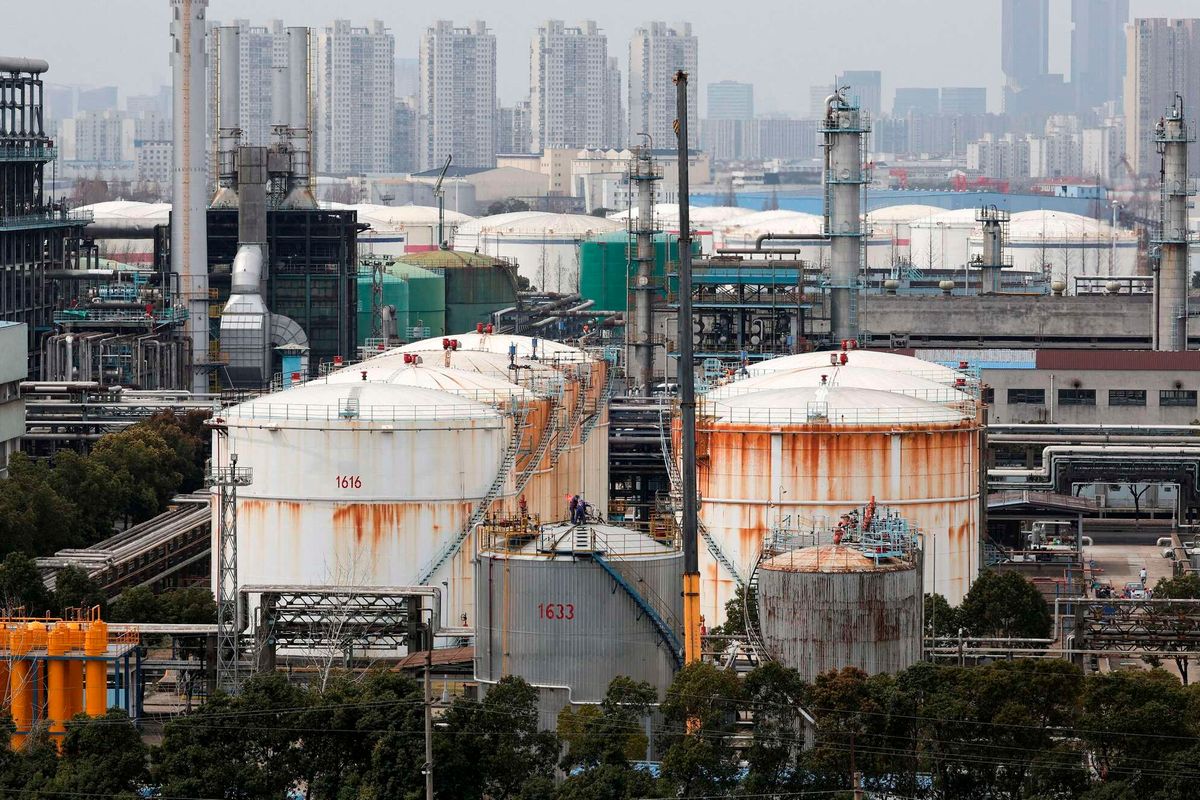
When war escalated across the Middle East, threatening passage through the Strait of Hormuz, triggering Houthi attacks on Red Sea shipping lanes, and placing the Persian Gulf's 21 million barrels per day of export infrastructure under genuine military threat, every energy economist reached for the 1973 and 1979 playbooks. Forecasts were grim: recession, rationing and stagflation.
For Kenya, the stakes were immediate. We import every litre of petrol, diesel and jet fuel we consume, most of it transiting the very corridors under fire.
A sustained supply shortfall exceeding three million barrels per day should have translated into pump-price shocks severe enough to destabilise transport, food prices and the shilling.
Related
Building deeper: Why patient capital is Africa’s strategic imperative