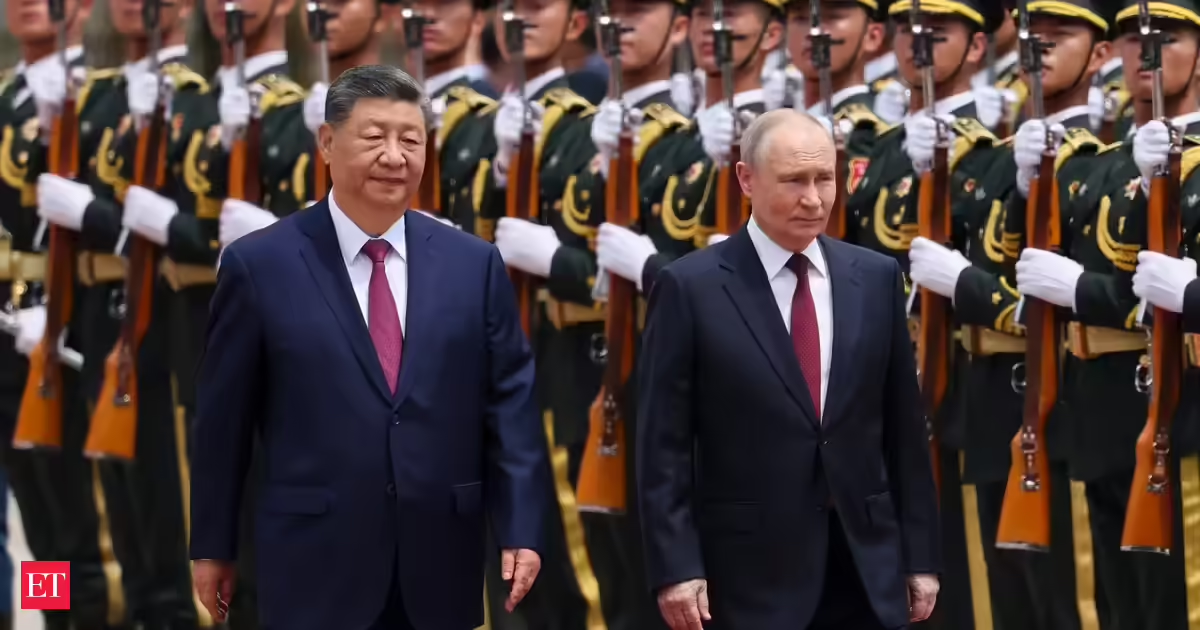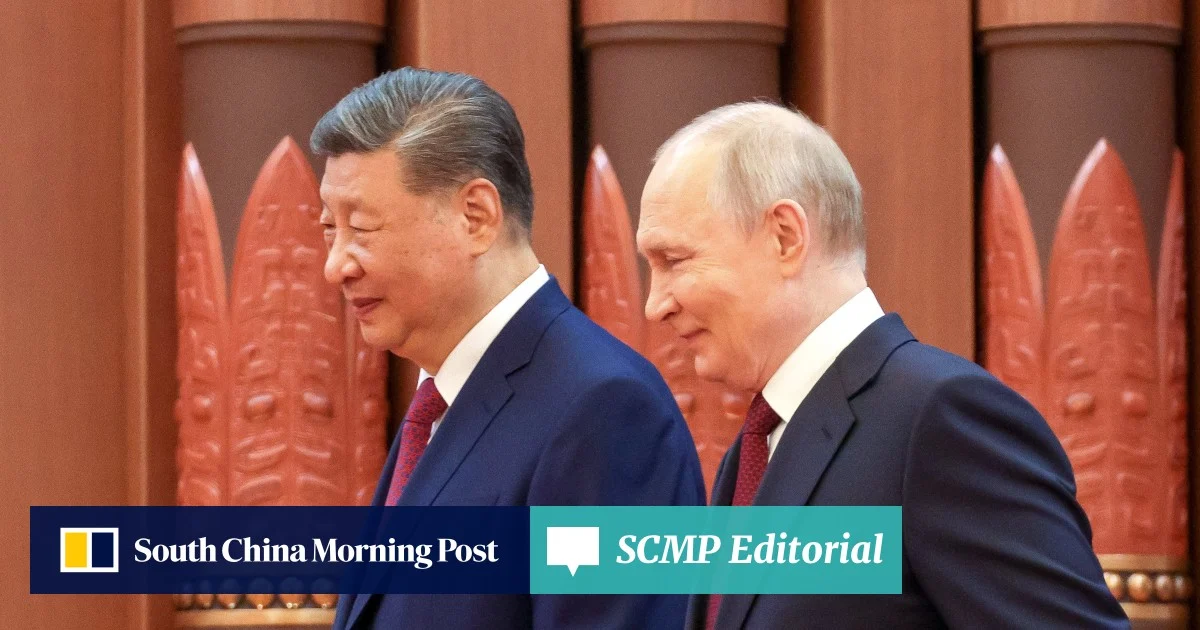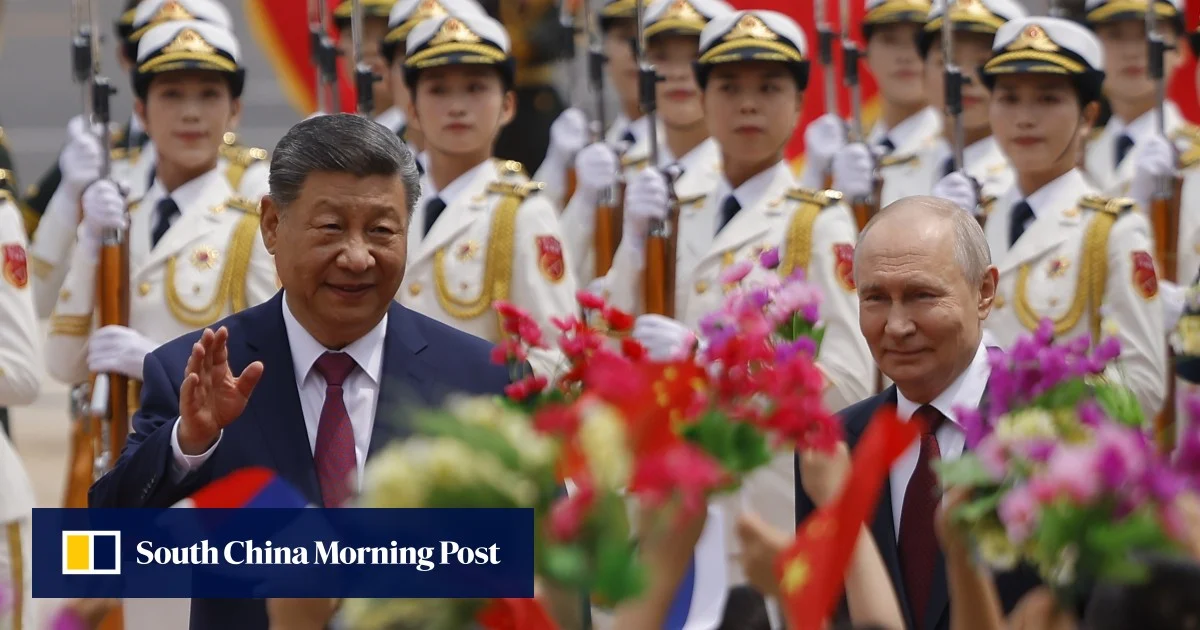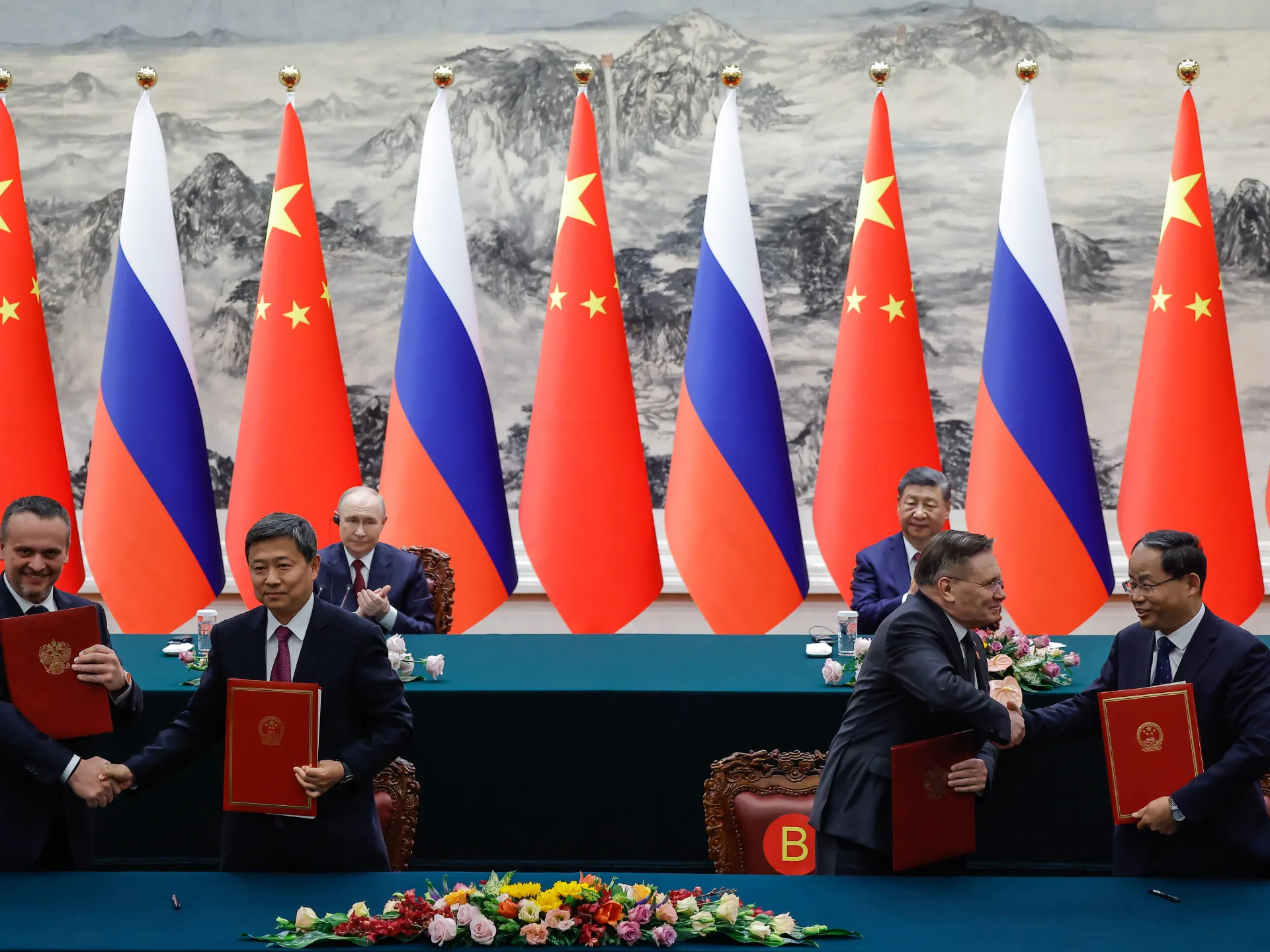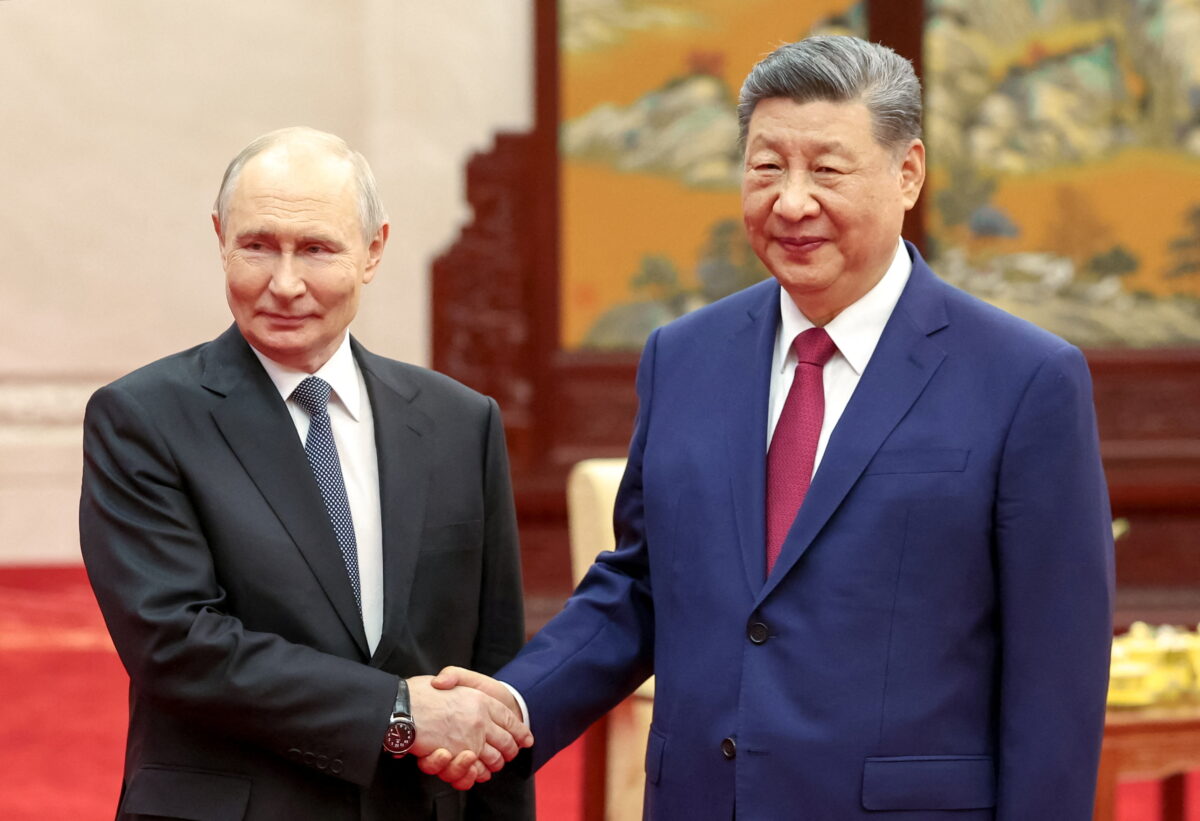
Chinese President Xi Jinping and Russian President Vladimir Putin released a joint statement in Beijing on 20 May 2026, condemning US–Israeli strikes on Iran, pledging deeper energy cooperation and accusing Japan of accelerating ‘remilitarisation’. Yet its real significance lies in how Beijing is drafting an alternative narrative of global order, revealing a deeper shift from a long-discussed transition in global power to a more consequential order transition.
Power transition refers to shifts in the distribution of material capabilities of states, including economic weight, military strength and technological capacity. By those measures, the transition is no longer a matter for speculation. China’s GDP was roughly 10 per cent of the United States’ in the early 2000s and exceeded 60 per cent in 2024. China is also the world’s largest trader and manufacturing power, and in 2023 was the largest bilateral trading partner for 60 economies, compared with 33 for the United States.
While the United States retains advantages in alliance networks, the dominance of its currency, global military projection and key technological domains, China has closed the gap across many indicators of power. In this sense, power transition is already a settled fact, even if the balance remains multidimensional and contested.