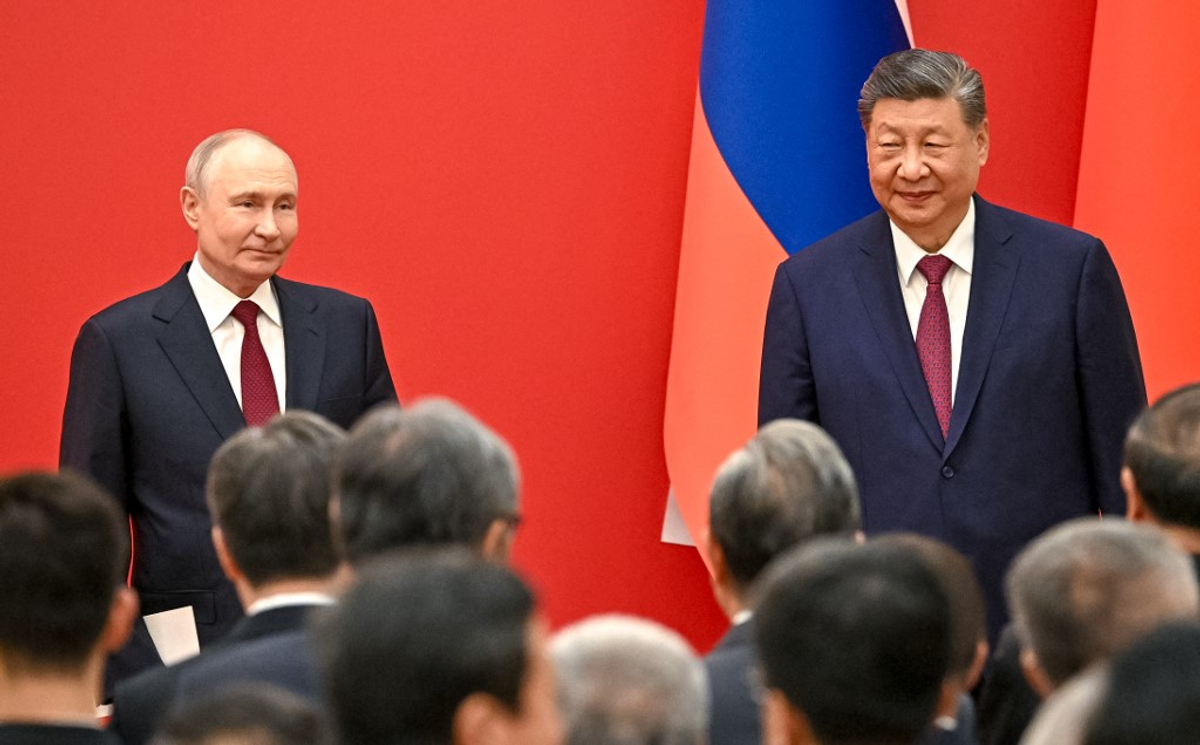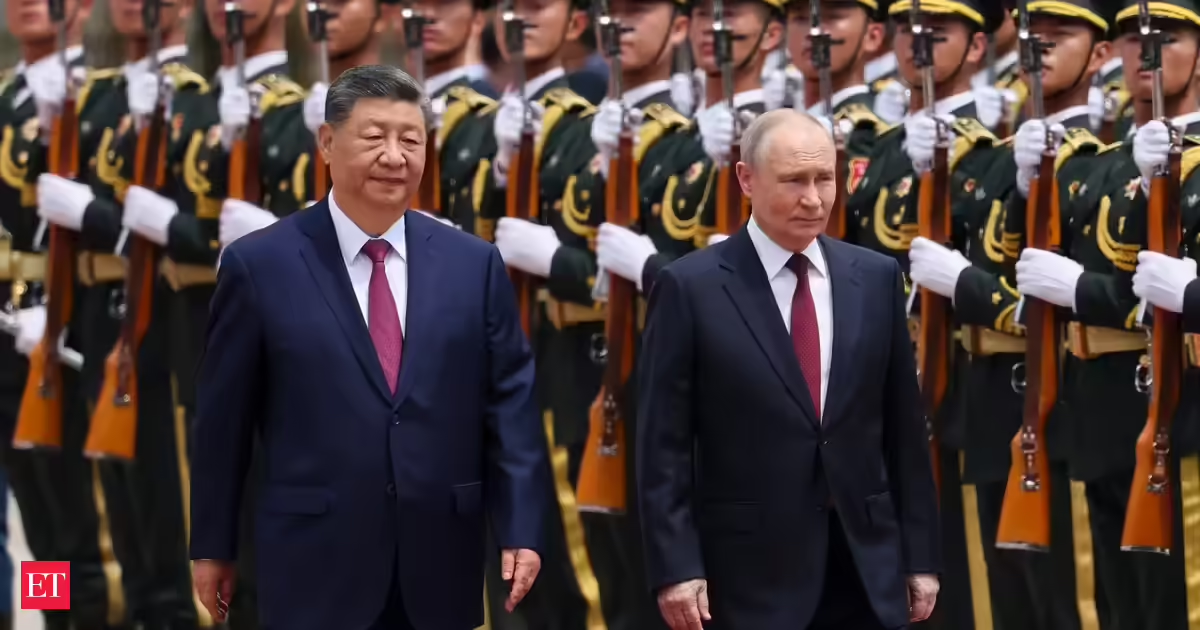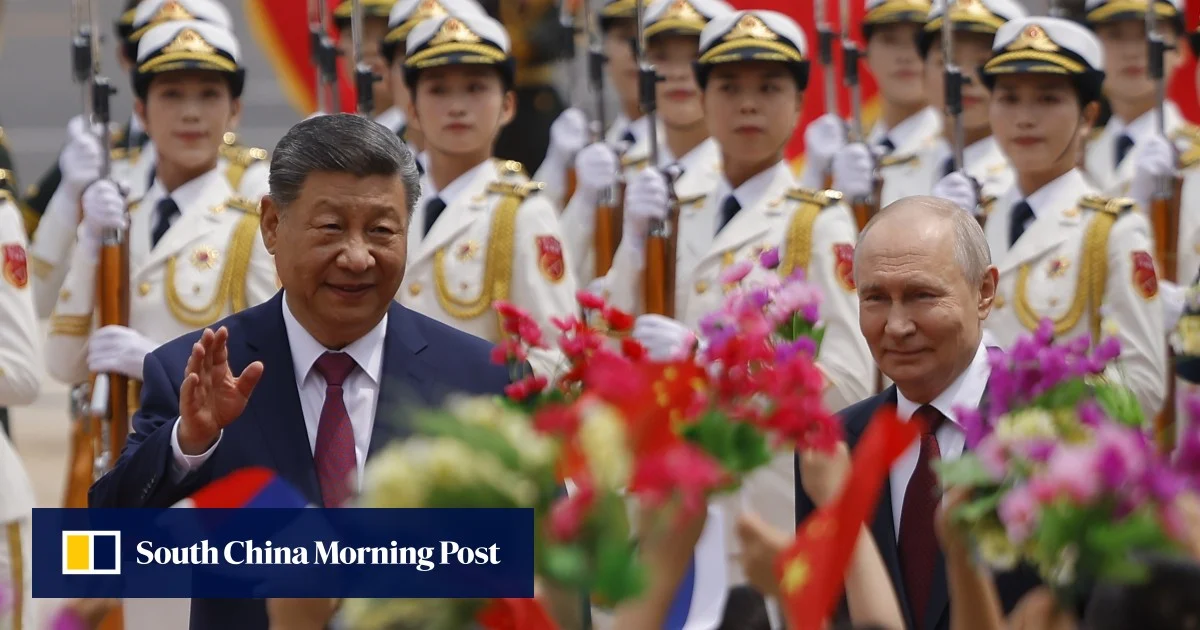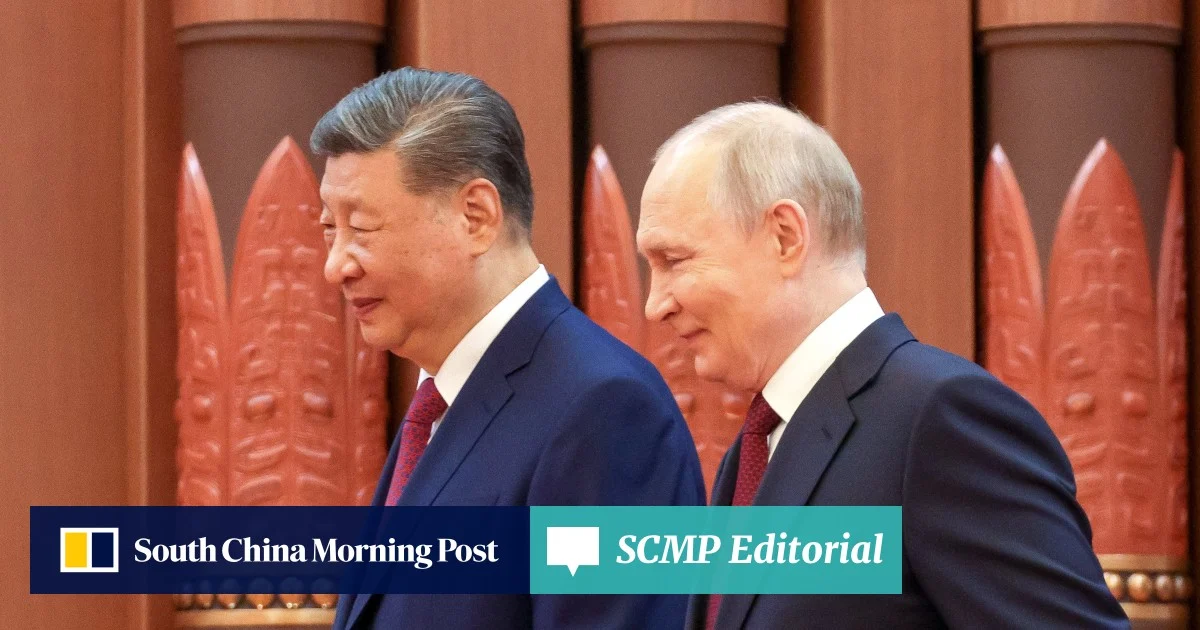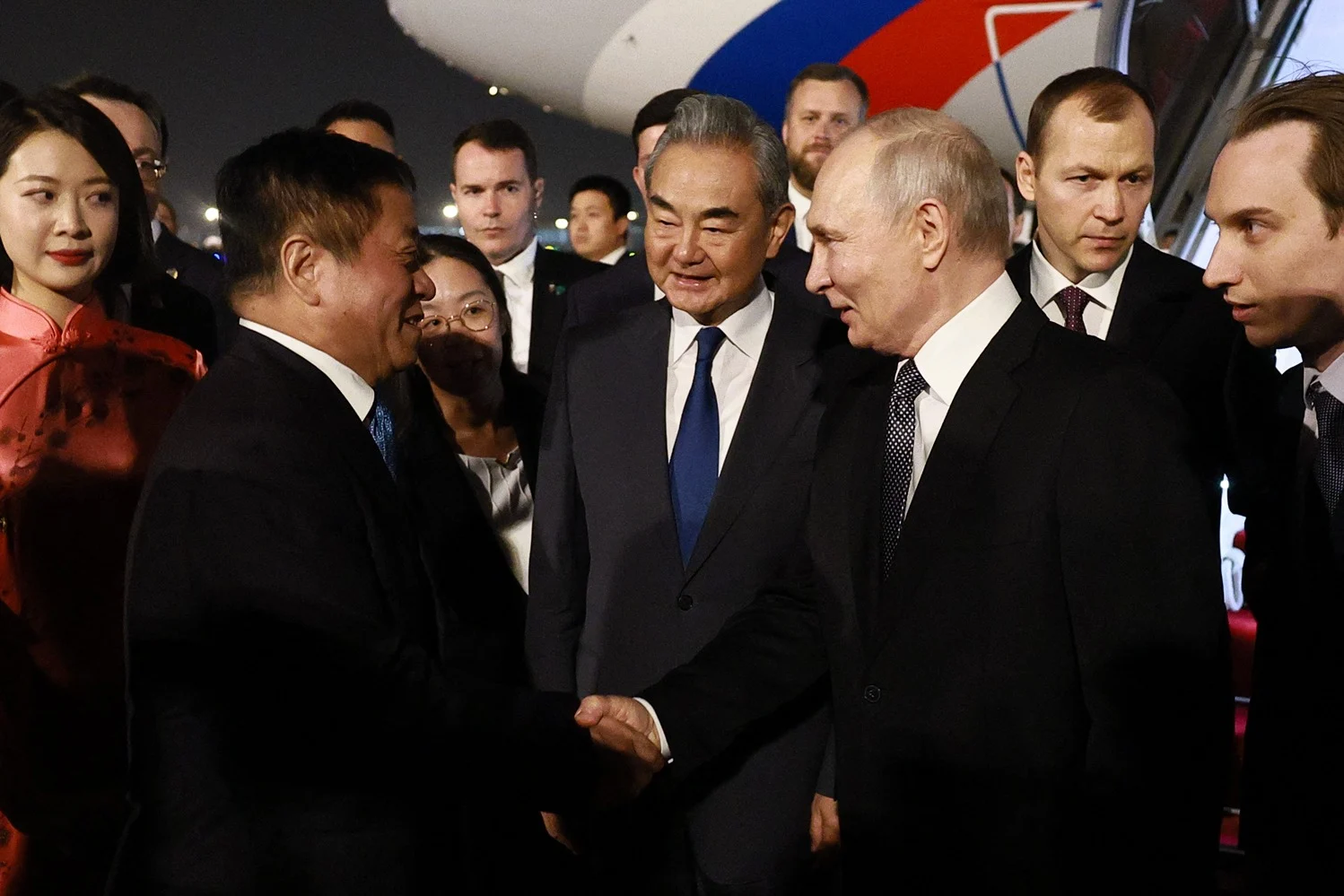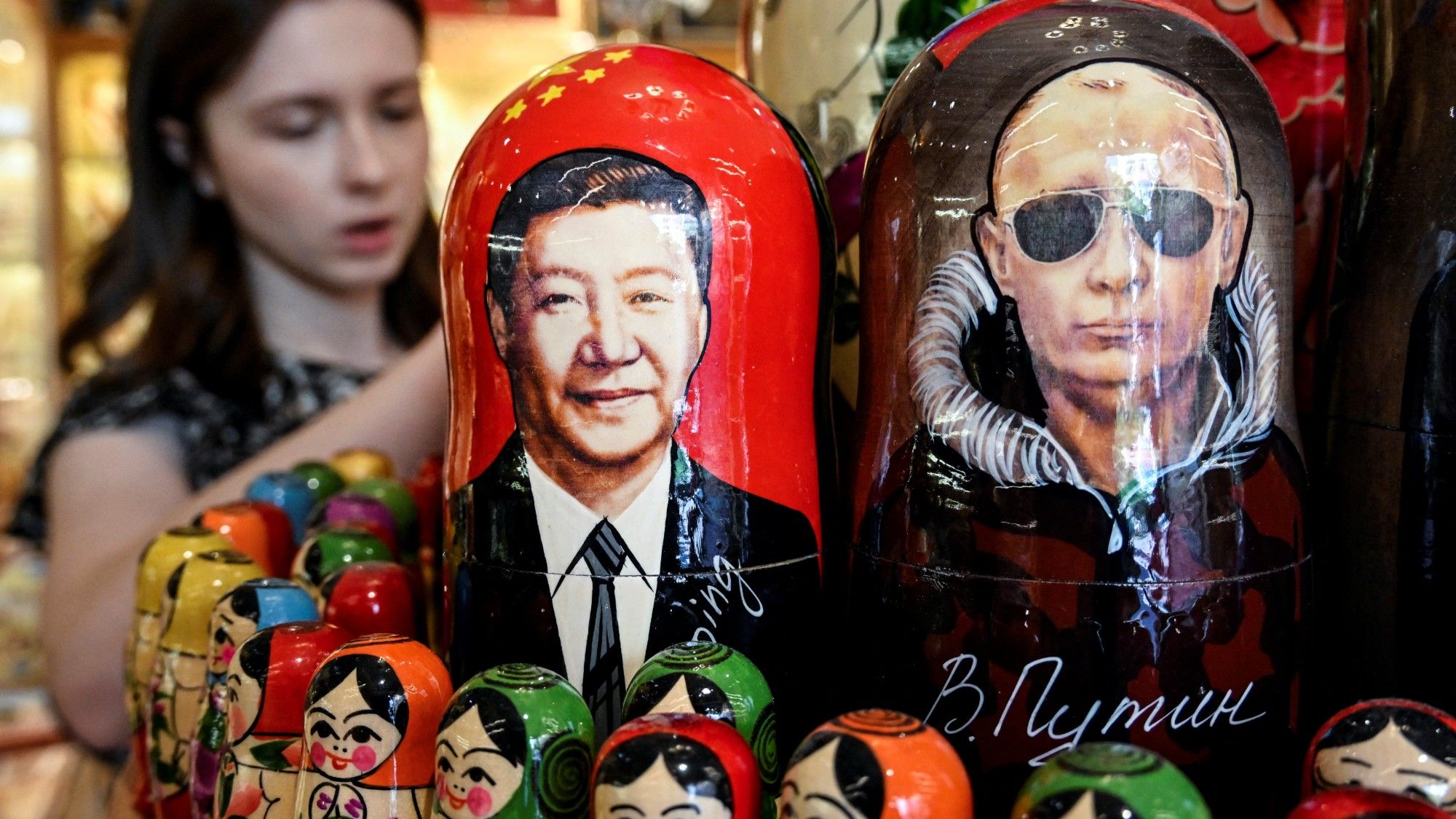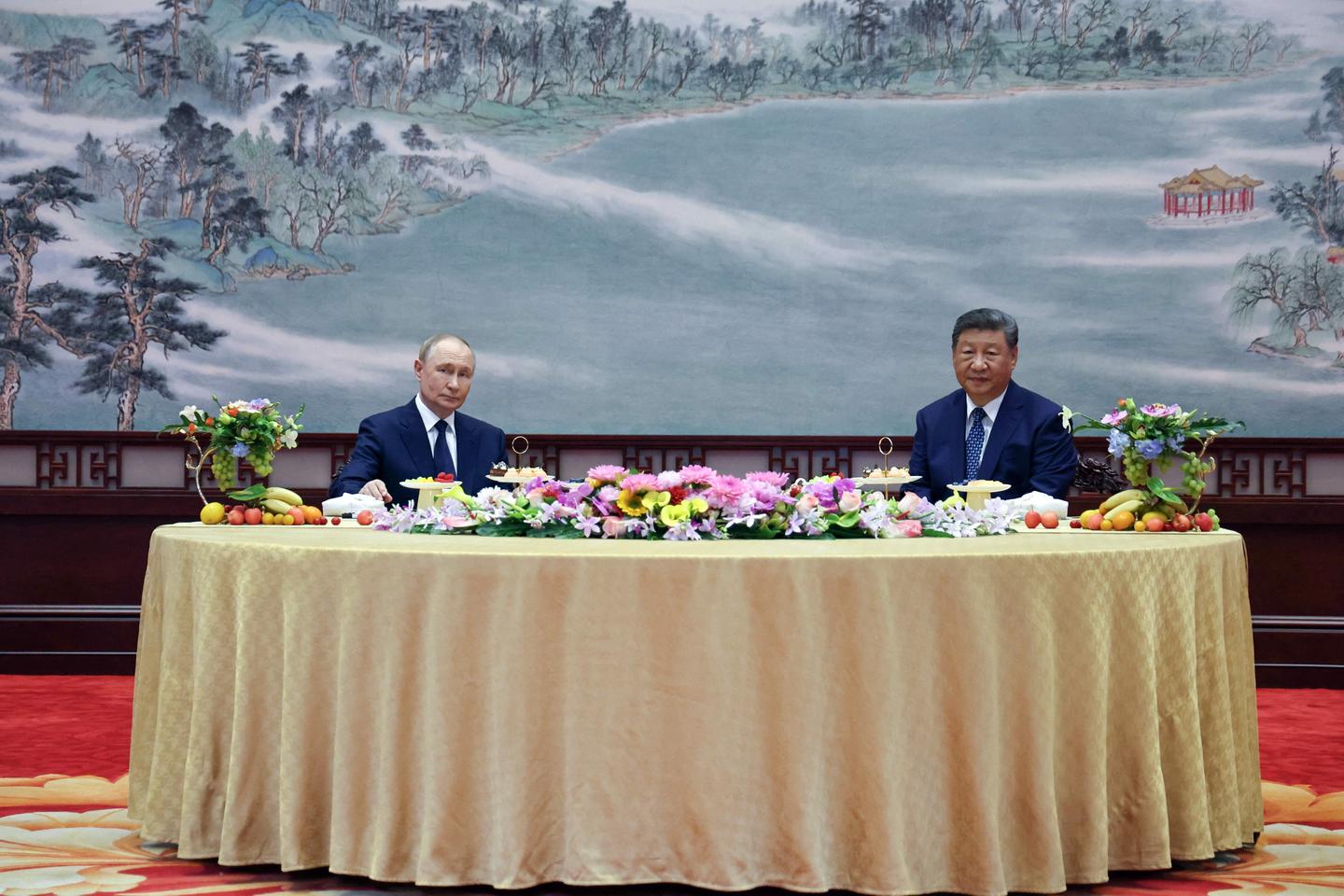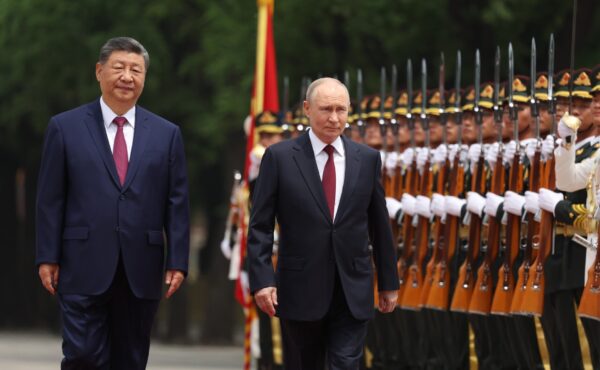
The meeting between Chinese President Xi Jinping and Russian President Vladimir Putin in Beijing on May 20 offered an important insight into the contemporary character of Sino-Russian relations. While Putin hailed the relationship as a “paradigm of comprehensive strategic coordination,” the summit highlighted the persistent tensions between the ideological rhetoric surrounding the partnership, on the one hand, and the practical limits of cooperation as the relationship becomes increasingly dominated by Beijing on the other.
One of the reasons that some commentators tend to ignore the limits of Sino-Russian partnership is by failing to situate the relationship within China’s broader foreign policy framework of “partnership diplomacy.”
Beijing employs a hierarchy of partnerships to signal varying degrees of political importance. At the apex of this hierarchy are “comprehensive strategic partnerships,” a characterization that designates a structured but flexible and non-binding framework for cooperation across multiple issue areas while avoiding the mutual defense commitments associated with traditional alliances. As Evan Feigenbaum noted, “[T]hese Chinese partnerships, unlike Washington’s alliances, carry no presumption of obligation or binding security commitment.”