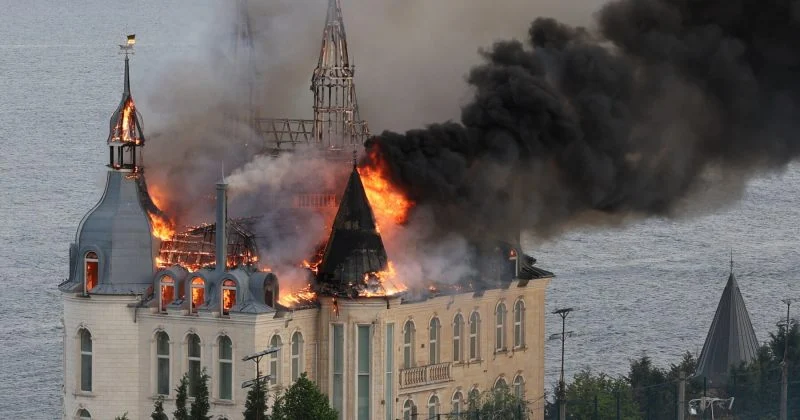
Russia has intensified its military operations against Ukrainian port infrastructure, with reports highlighting the use of precision-guided long-range weapons and drones. Concurrently, the European Union has unveiled a significant new sanctions package targeting Russia’s energy, financial, and trade sectors, as well as its oil tanker fleet. These developments suggest a simultaneous escalation in both military and economic pressures in the ongoing conflict between Russia and Ukraine, which has persisted since February 2022.
The market for Russia’s potential entry into Sloviansk by the end of 2026 has seen increased activity, with current pricing suggesting a heightened probability of such an occurrence. As of now, the market reflects a 68.5% chance of Russian military presence in specific Ukrainian cities, a notable increase from previous figures. This change appears consistent with the recent escalation in hostilities and the strategic targeting of Ukraine’s export routes by Russian forces.
In parallel, the likelihood of a formal ceasefire agreement between Russia and Ukraine by December 31, 2026, is currently priced at 35.5% in prediction markets. This suggests a more cautious outlook for diplomatic resolution amidst the intensifying conflict and newly imposed sanctions.