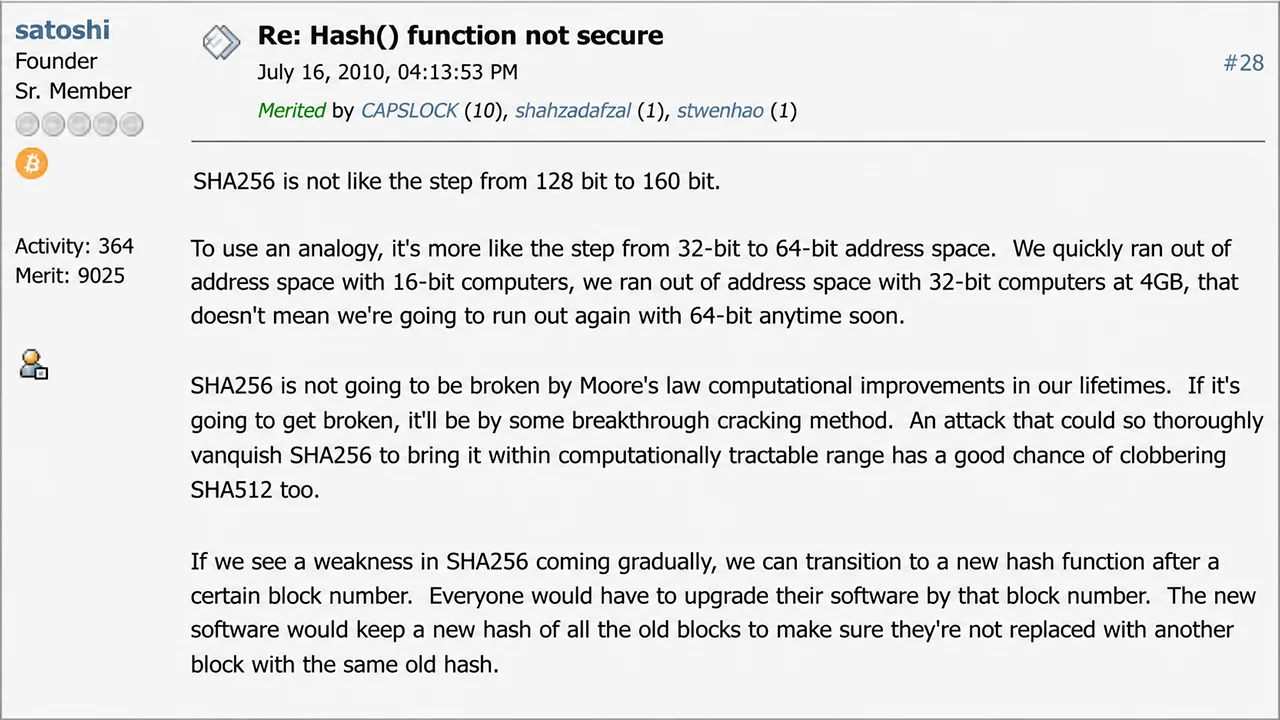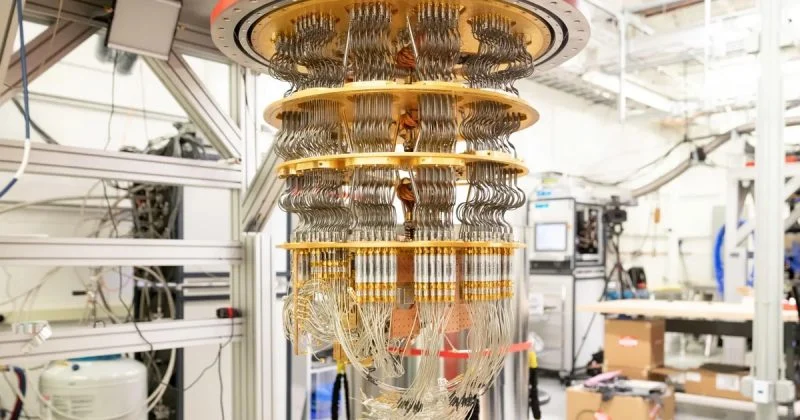
Bitcoin has survived exchange collapses, regulatory crackdowns, and multiple cycles of 80% drawdowns. None of those tested the foundation of the network itself. Quantum computing might.
A June 2026 research paper estimated that roughly 35% of Bitcoin’s circulating supply is exposed to potential quantum attacks, the result of 17 years of on-chain transactions leaving cryptographic fingerprints that a sufficiently powerful quantum machine could exploit.
The timeline just got a lot shorter
Google’s research published in March 2026 changed that framing. The finding: such capabilities could arrive as soon as 2029. That is not decades away. That is roughly the same distance in time as the last Bitcoin halving.
In plain terms, elliptic-curve cryptography is the lock on every Bitcoin wallet. A sufficiently advanced quantum computer would have the key. Funds sitting in exposed addresses, particularly older wallets where the public key has been revealed on-chain, would be at risk of being drained before the owner could respond.