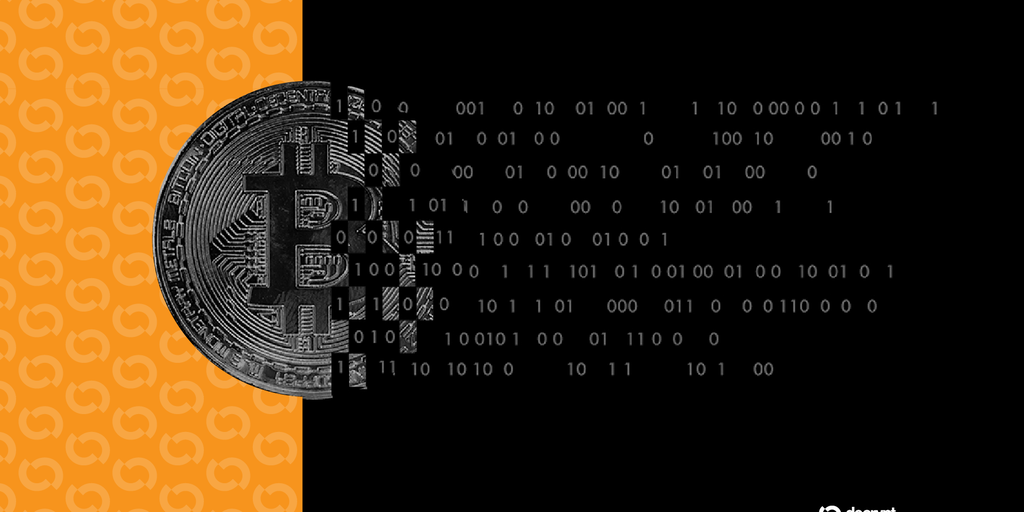
Bitcoin faces outsized quantum threat as computing breakthroughs accelerate, Citi says The bank said accelerating advances in quantum computing are compressing the timeline for risks to crypto and broader internet infrastructure, with Bitcoin seen as particularly exposed. May 18, 2026, 1:15 p.m. 2 min readMake preferred on Quantum computing is emerging as a growing risk for digital assets, with Wall Street bank Citi (C) warning that recent breakthroughs are accelerating the timeline for potential threats to crypto security and internet infrastructure.In a Friday report, the bank said advances in quantum computing are challenging the cryptographic systems underpinning cryptocurrencies, financial networks and online communications. "While large-scale quantum attacks remain a medium-term concern, the pace of progress has shortened the horizon and warrants closer attention from investors," wrote analyst Alex Saunders.Quantum computing is a long-term threat to crypto because a sufficiently powerful quantum computer could break the cryptographic systems that protect wallets, exchanges, and blockchains, especially public-key cryptography like ECDSA used by Bitcoin and Ethereum. In theory, a quantum attacker could derive private keys from exposed public keys, forge transactions, and steal funds. Still, the risk is not immediate. Experts believe the hardware needed to do this at scale is still years away, and blockchains can likely migrate to post-quantum cryptography before then.The analyst highlighted Bitcoin as particularly exposed because of its conservative governance model and slower ability to implement protocol upgrades. Saunders pointed to vulnerabilities tied to public keys exposed on-chain, dormant wallets and early pay-to-public-key (P2PK) addresses, including wallets believed to belong to Bitcoin creator Satoshi Nakamoto.Latest estimates put around 6.5–6.9 million bitcoin at quantum risk due to already-exposed public keys. This is about one-third of circulating supply, or roughly $450 billion worth depending on the BTC price.The report said future quantum computers could eventually derive private keys quickly enough to interfere with Bitcoin transactions before confirmation, it also flagged “harvest now, decrypt later” risks, where attackers collect encrypted data today for future quantum-enabled attacks.Proof-of-stake networks such as Ethereum may be better positioned to respond because they can upgrade protocols more frequently, the analyst said. Still, he warned that sufficiently advanced quantum systems could potentially compromise validator keys and disrupt network operations.Despite the risks, the bank remains constructive on crypto’s long-term ability to adapt through post-quantum cryptography and protocol redesigns and proposed Bitcoin upgrades, including BIP-360 and BIP-361, are developments to watch.Read more: Bitcoin faces near-term pressure as liquidity tightens, Hilbert Group CIO saysAI Disclaimer: Parts of this article were generated with the assistance from AI tools and reviewed by our editorial team to ensure accuracy and adherence to our standards. For more information, see CoinDesk's full AI Policy.More For YouAI agents and automated payments could reach a scale that crypto monitoring systems built for human-paced markets cannot handle, Elliptic CEO Simone Maini warned.What to know: Crypto security's biggest emerging risk is not larger hacks, but AI-driven financial activity occurring at a speed and scale humans cannot handle, Elliptic CEO Simone Maini said.As AI makes it cheaper and easier for bad actors to run large-scale hacks, scams and fraud, firms like Elliptic are responding with...Read full story
Bitcoin more exposed to quantum risks than Ethereum, Citi says
The bank said accelerating advances in quantum computing are compressing the timeline for risks to crypto and broader internet infrastructure, with Bitcoin seen as particularly exposed.
517 words~2 min read