At a time when public finances are showing strong surpluses and the state is no longer facing the suffocating liquidity conditions of the bailout era, approximately €3 billion remains firmly locked in the treasury, instead of being channeled into the real economy.
These are overdue debts to suppliers, which not only deprive the market of valuable liquidity, but also create a vicious circle centered on the National Health System.
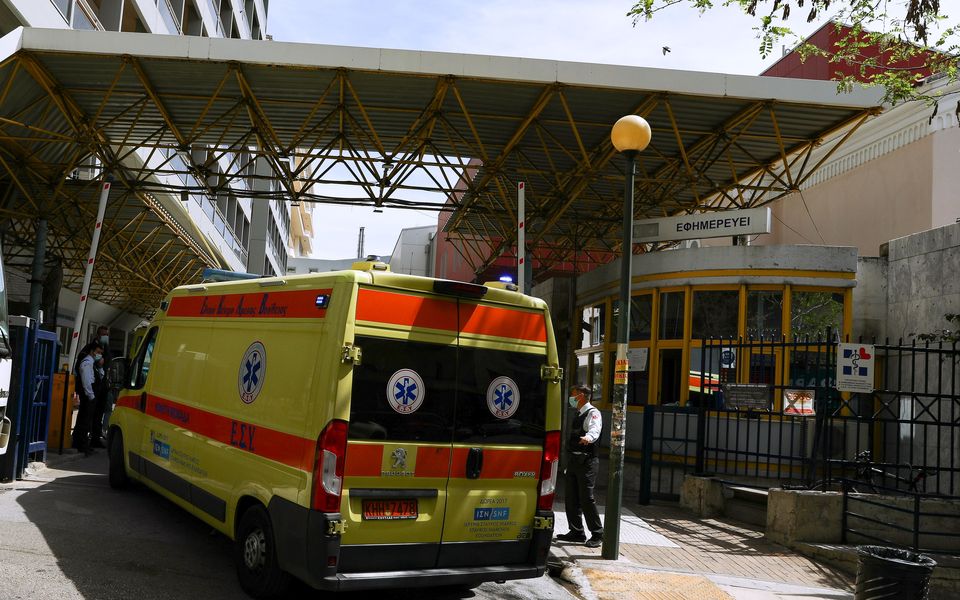
The majority of the debts concern public hospitals, which owe about €1.5 billion to their suppliers.
The delays in payments are not due to a lack of resources, but to the time-consuming procedures for clearing expenses by administrative services, while market players point out that in several cases the outstanding debts are also related to rebate and clawback offsets.
Suppliers invoke precisely these long delays to justify the higher prices at which they offer medical equipment and sanitary materials to hospitals. This is a chain reaction, where payment delays lead to more expensive supplies, more expensive supplies increase the cost of the system and ultimately the bill is passed on to the Greek taxpayer.