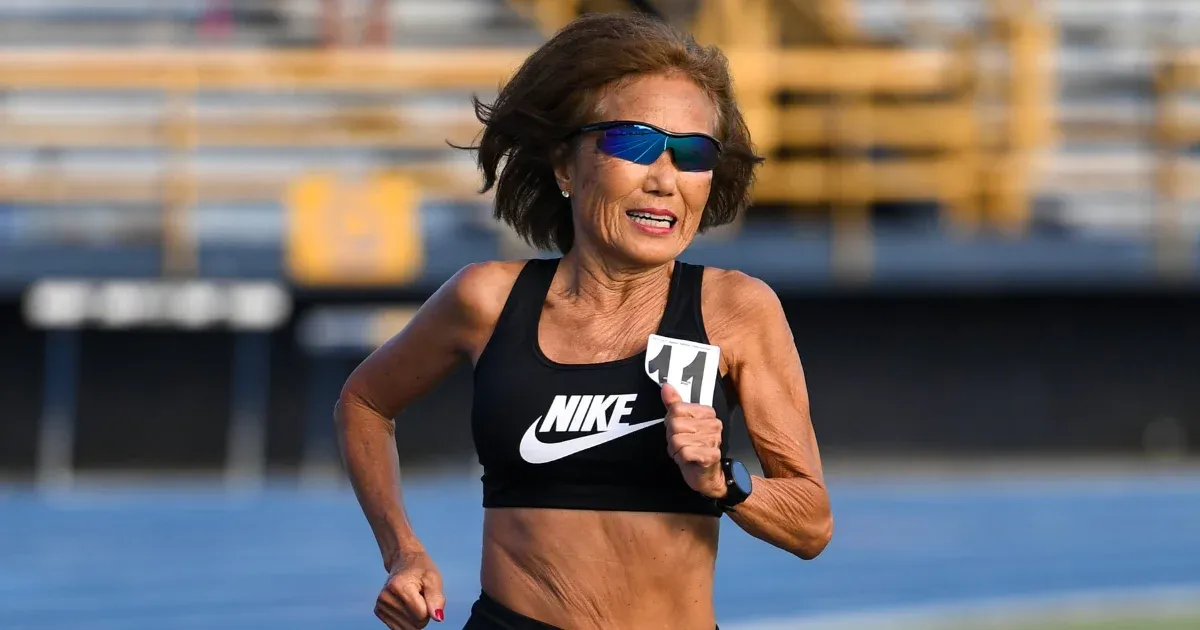
Her defining moment came at the 2016 Penn Relays, where she completed the 100 metres in 1 minute 17.33 seconds | instagram/@trackgirlzWhen Ida Keeling crouched at the starting line for the 100 metres shortly before her 101st birthday, she had already rewritten nearly every expectation about ageing. The New York-born sprinter became the first woman aged 100 or older to complete a 100-metre race in sanctioned competition, crossing the finish line at the Penn Relays in Philadelphia in April 2016 before a crowd of more than 44,000 spectators. Her achievement made headlines around the world, but the race itself was only the latest chapter in a story that had begun decades earlier after devastating personal loss. Keeling did not take up running until she was 67, when her daughter, veteran track coach Shelley Keeling, persuaded her to join a local 5K to help cope with the murders of her two sons. What began as a way to ease overwhelming grief gradually evolved into a career that produced multiple age-group world records and made Keeling one of the oldest competitive athletes in history. According to The Washington Post, Keeling often described running as the activity that helped pull her out of what she called a “deep hole” after losing her sons. Keeling often described running as the activity that helped pull her out of what she called a “deep hole” after losing her sons | Wikimedia CommonsA lifetime of hardship came long before the medalsBorn Ida Applebroog in Harlem on May 15, 1915, Keeling grew up during the Great Depression in a segregated America where opportunities for Black women were severely limited. She married young, raised four children, and worked a variety of jobs after her husband died of a heart attack at just 42 years old. The darkest period of her life came years later when two of her sons, Donald and Charles, were killed in separate acts of violence believed to be connected to drugs. Their deaths left Keeling struggling with depression until Shelley, herself a track and field coach, convinced her to start exercising. Their first outing was a community 5K in Brooklyn, and Keeling later recalled that when she finished the race, she felt stronger and lighter than she had in years. From then on, weekend runs gradually became structured training sessions, eventually leading her into masters athletics. According to Runner’s World, Keeling credited running with becoming “the best medicine,” saying it helped replace grief with purpose and confidence. Her defining moment came at the 2016 Penn Relays, where she completed the 100 metres in 1 minute 17.33 seconds | instagram/@trackgirlzBreaking records after turning 80, 90 and even 100Keeling’s performances continued to improve as she entered successive age categories, setting multiple masters world records in the 60-metre and 100-metre sprint. Her defining moment came at the 2016 Penn Relays, where she completed the 100 metres in 1 minute 17.33 seconds, establishing a world best for women aged 100 to 104 before celebrating with push-ups on the infield. She later added another milestone by becoming the first woman over 100 to compete in the indoor 60 metres. Away from competition, Keeling became a sought-after speaker on healthy ageing, resilience and exercise, regularly reminding audiences that it is never too late to become active. Her memoir, “Can’t Nothing Bring Me Down: Chasing Myself in the Race Against Time”, recounted both her personal tragedies and the unlikely sporting career that followed. According to Runner’s World, many of Keeling’s records were inaugural simply because no woman had attempted those events at such an advanced age before her. Keeling continued exercising and inspiring runners well into her second century before her death in August 2021 at the age of 106. Her legacy extends far beyond medals or world records. She proved that elite athletic achievement does not always begin in youth and that, for some people, sport begins not with dreams of victory but with the determination to survive profound personal loss. That transformation turned a grieving grandmother from Harlem into one of the most celebrated masters athletes in history.
Meet Ida Keeling, the 100-year-old who became the first woman to race the 100 metres at that age: She started running at 67 to survive her grief, coached by her own daughter
When Ida Keeling crouched at the starting line for the 100 metres shortly before her 101st birthday, she had already rewritten nearly every expectation about ageing. The New York-born sprinter became the first woman aged 100 or older to complete a 100-metre race in sanctioned competition, crossing the finish line at the Penn Relays in Philadelphia in April 2016 before a crowd of more than 44,000 spectators.
678 words~3 min read