Listen
/
1.0x
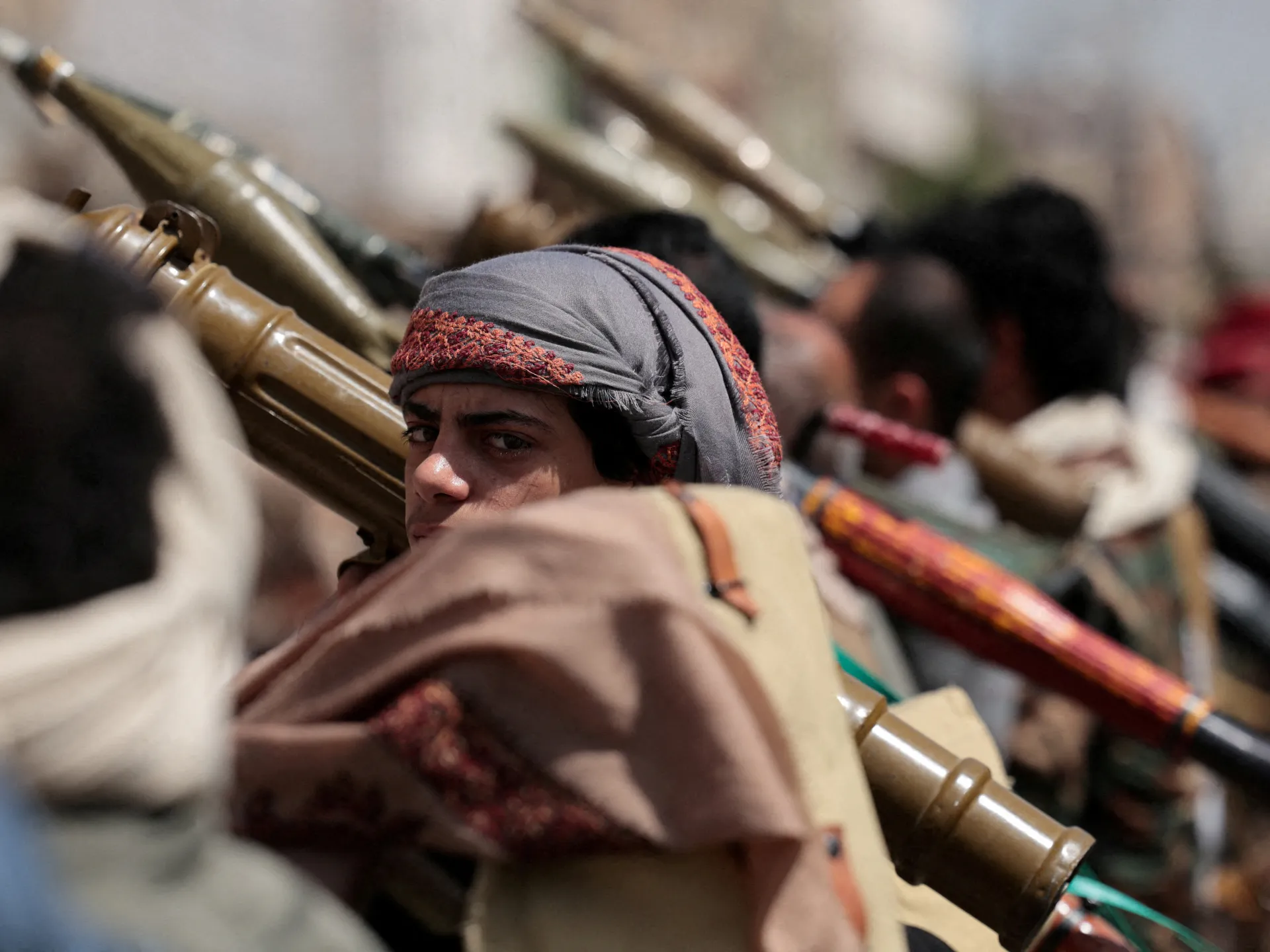
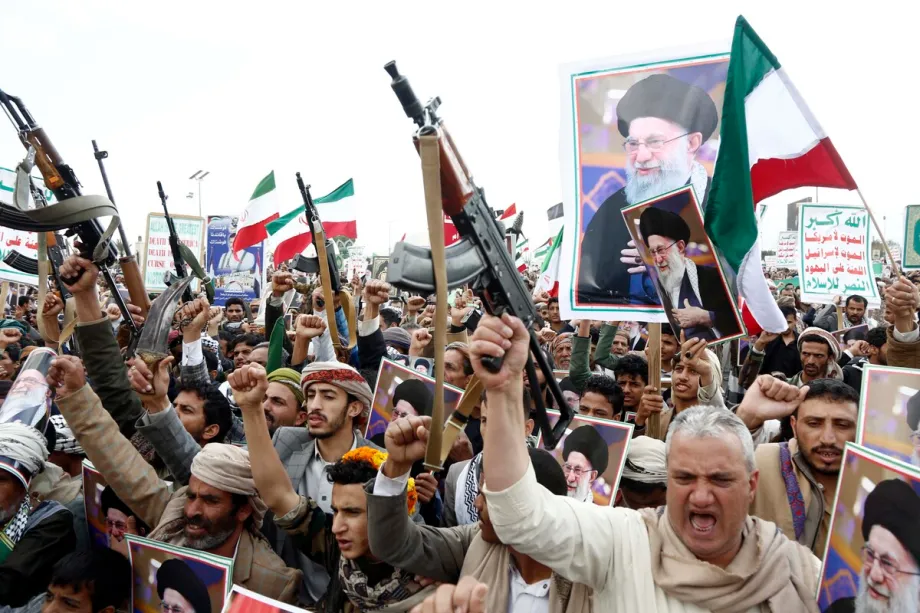
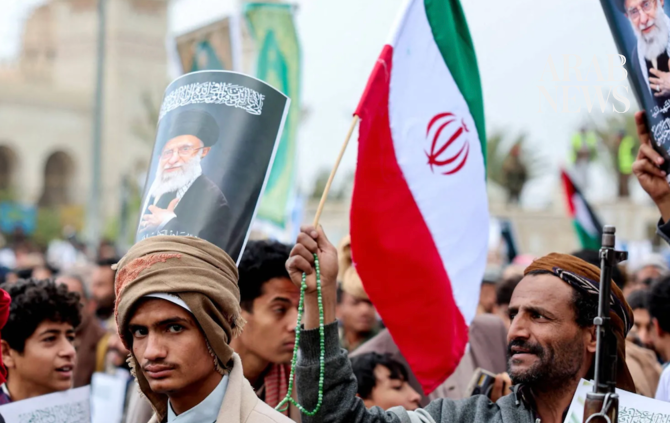
The question sounds deceptively simple, but it cuts straight into the structural weakness of how Riyadh thinks about its national security, the limits of power when it is used without strategy, and the illusion that crises can be “managed” rather than resolved. It is not just a question about Yemen and what remains of Iran’s network of militias; it is a question about the future of the Red Sea, the stability of global energy markets, Iran’s ability to maneuver through its proxies, and the strategic vacuum Saudi Arabia has allowed to persist since the first day of the war in Yemen.
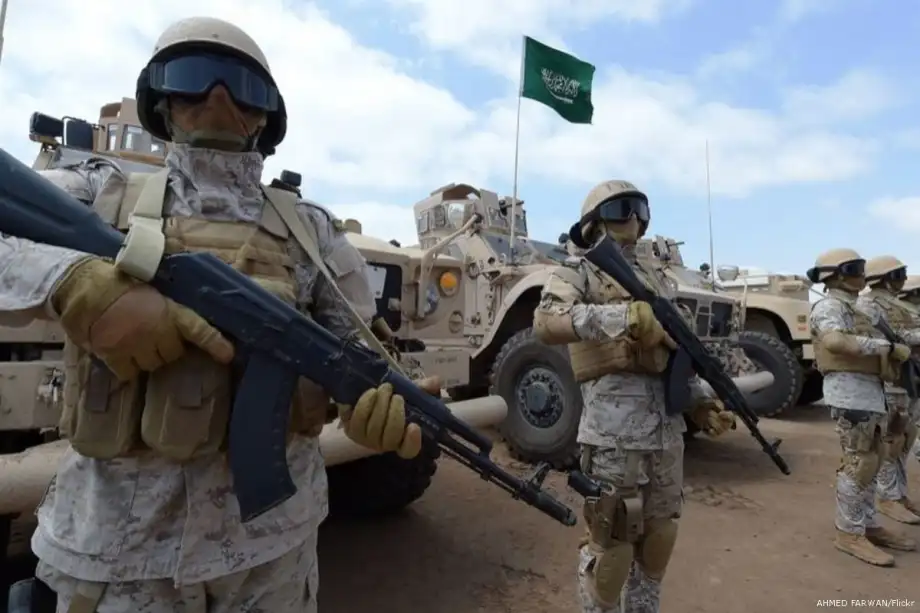
The spark for this question came by chance, on a flight, when I found myself seated next to a retired Omani general who had fought in the Dhofar War—a conflict waged by a small army with limited means, yet ultimately won in some of the most difficult mountain terrain in the region. I asked him about Saudi Arabia’s “Decisive Storm” campaign and how it had ended in a suspended reality despite overwhelming Saudi military superiority. His answer was concise: the continued existence of the Houthis as a military and political force is a dagger in Saudi Arabia’s side. It was a powerful line, but not a sufficient explanation.