6 min
read
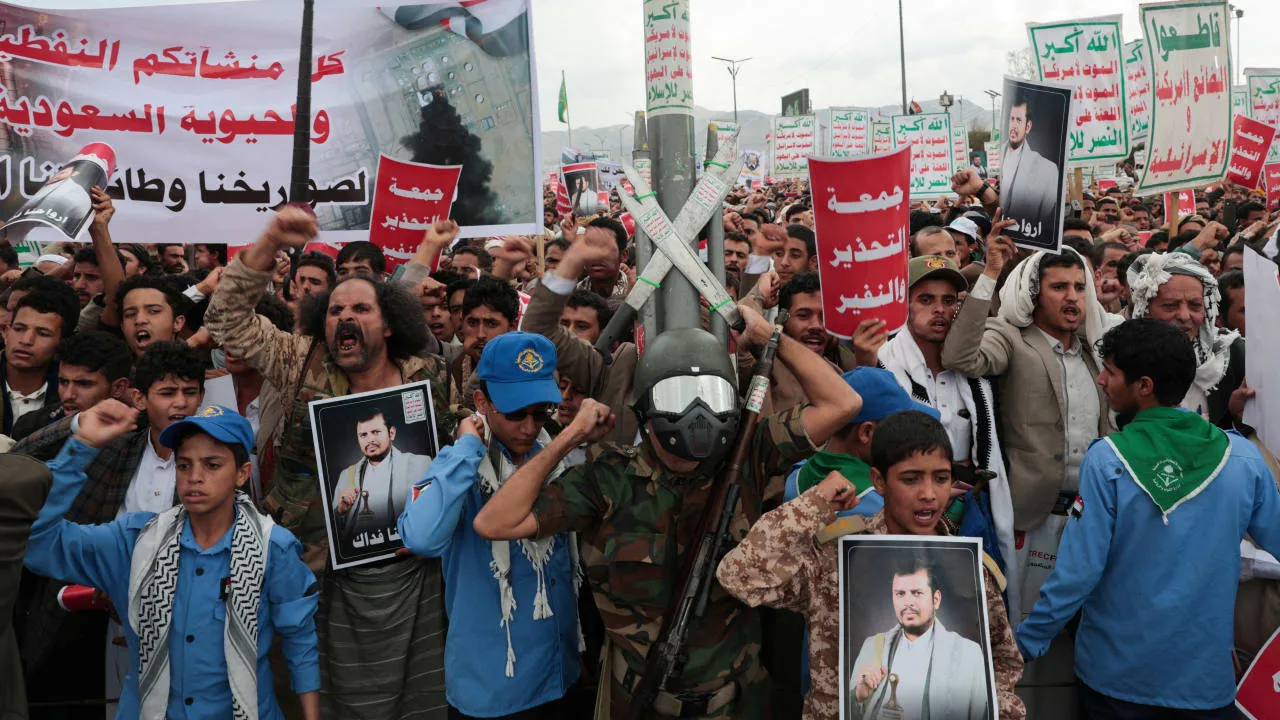
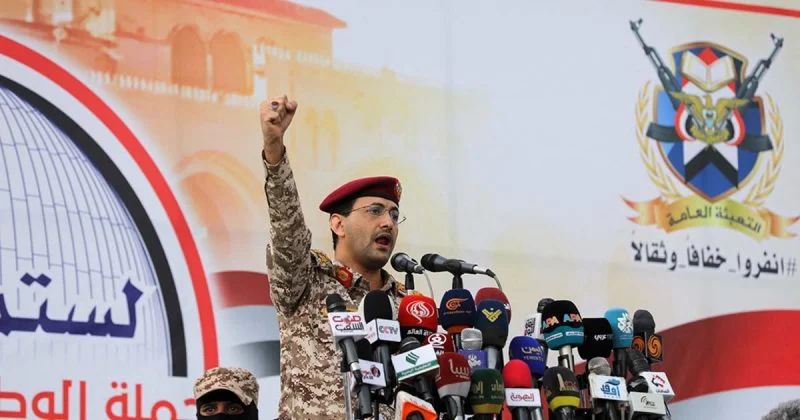
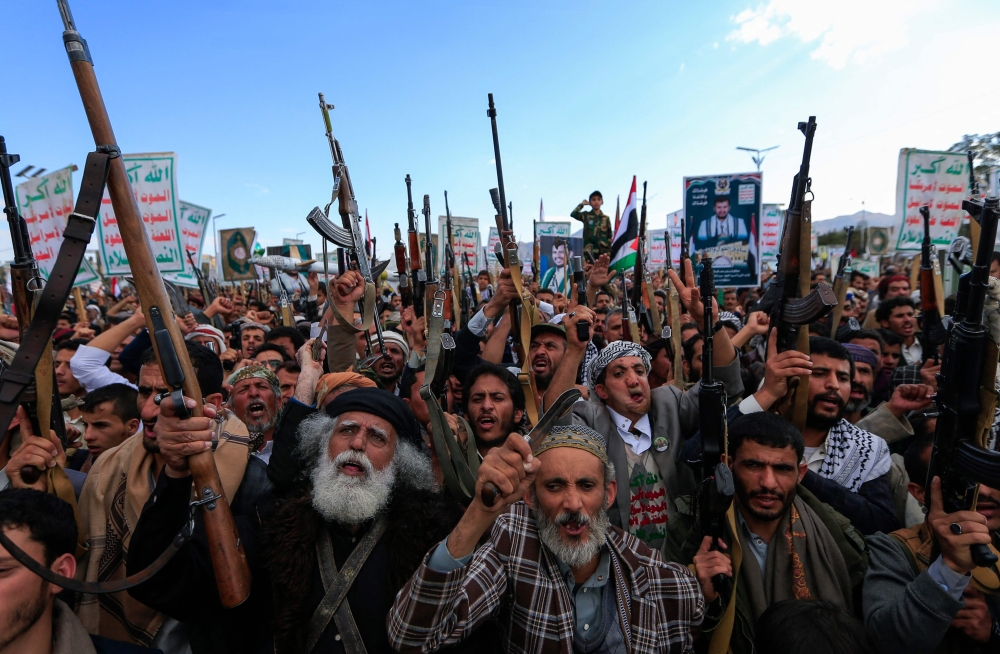
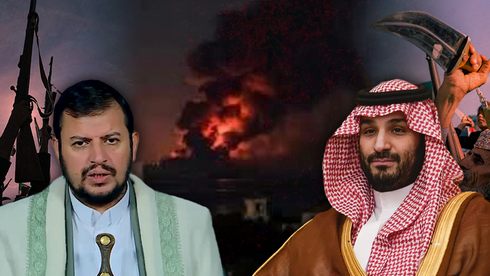
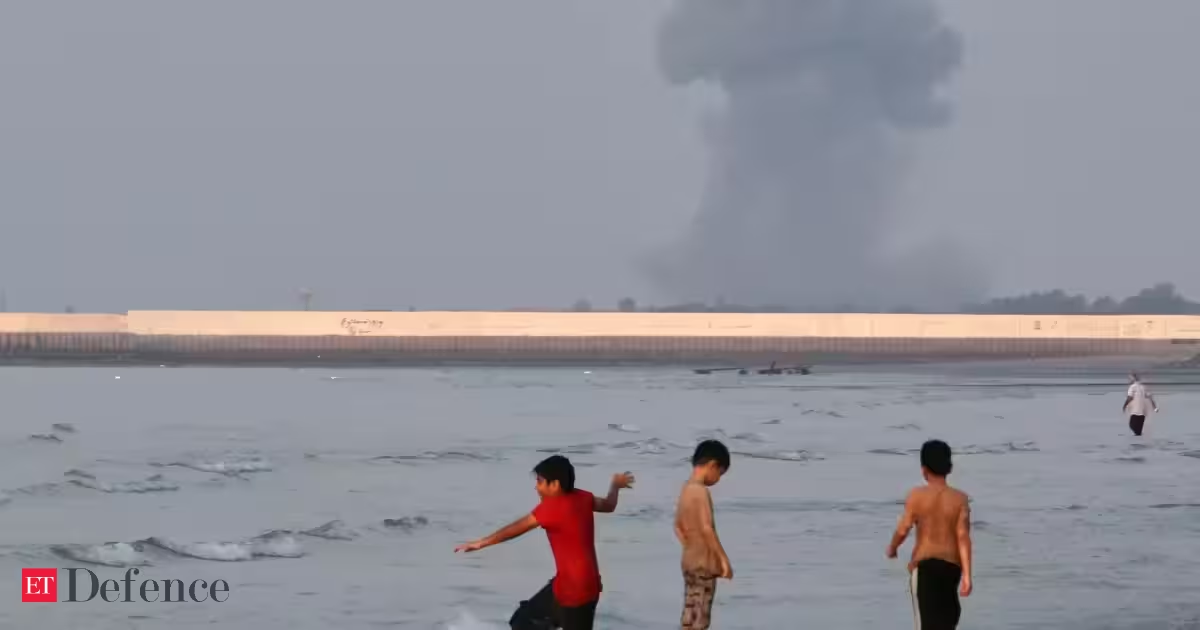
Saudi Arabia has been a peacemaker, a mediator, and a neutral actor in the conflict between Iran and its proxies on one side, and the United States and Israel on the other. Riyadh has worked to contain escalation diplomatically and avoid being drawn into the broader regional confrontation that has engulfed the Middle East since early 2026. Yet the Houthis in Yemen have chosen a path of dangerous provocation. In recent days they claimed strikes on Saudi oil tankers in the Red Sea using missiles and drones after declaring a maritime blockade against Saudi shipping. The group also claimed missile attacks targeting oil refineries and facilities; Saudi air defenses intercepted ballistic missiles headed toward those sites.
A reckless provocation that threatens regional stability
This is a dangerous escalation that must stop. The Houthis are deliberately reopening a front that had been relatively quiet since the 2022 truce, weaponizing the Red Sea and Bab al-Mandeb chokepoint at a moment when Saudi Arabia has already been forced to divert millions of barrels of oil daily via pipeline to Yanbu to bypass disruptions in the Strait of Hormuz. Oil prices surged past $100 a barrel in response. These actions threaten global energy supplies, raise costs for civilians worldwide, and risk dragging additional powers into a wider war.