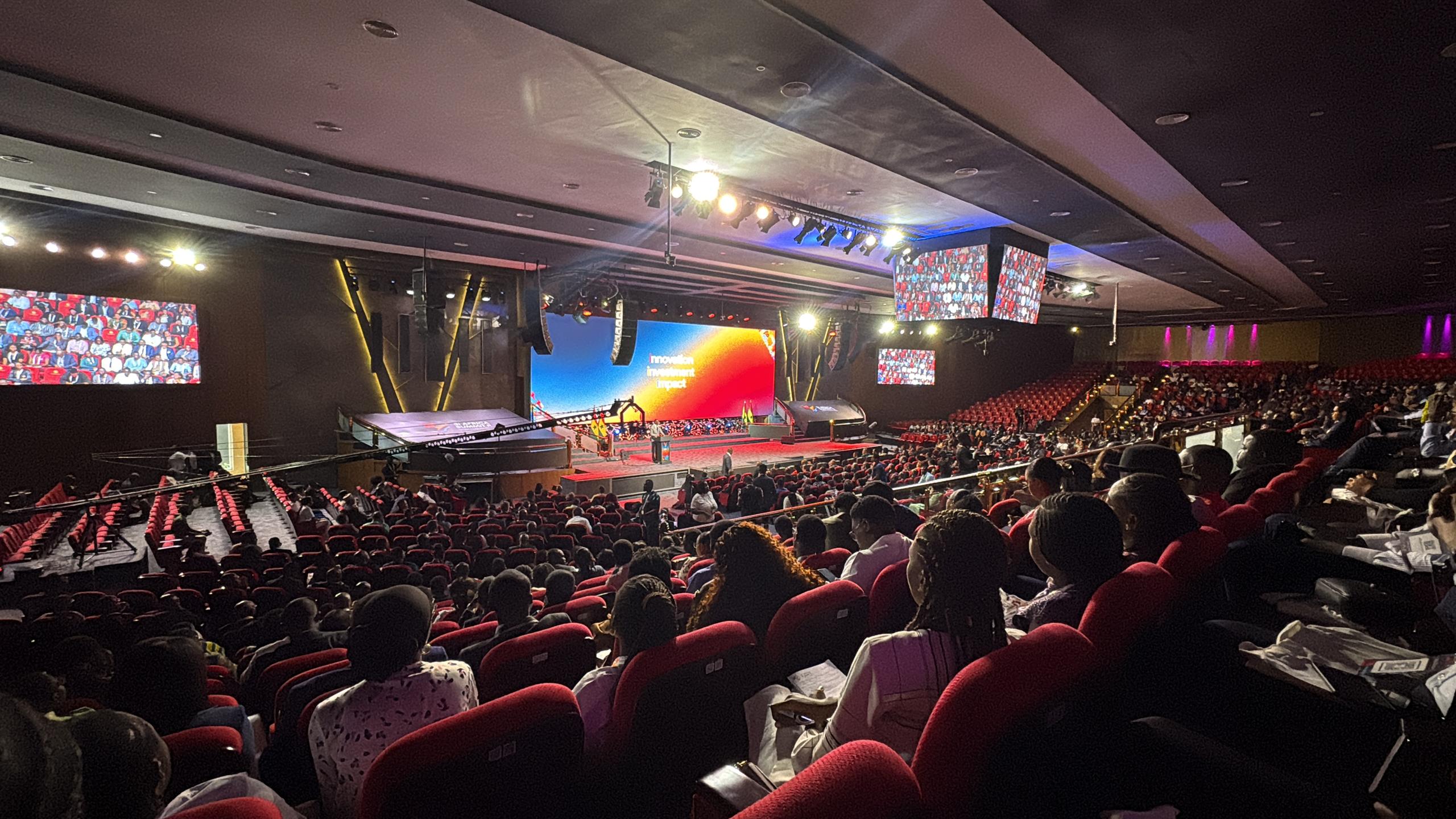
For years, conferences were built around scarcity. Expert access was limited, so audiences gathered to listen while a handful of people spoke. That model made sense when it did. Today, expertise is everywhere because the internet has solved the access problem while event design is playing catch up.
Having moderated enough panels, I believe they run on a fragile social contract that assumes everyone will respect their time, defer to the moderator, and contribute in good faith. All it takes is one participant who ignores these assumptions for the session to become an exercise in chaos.
Additionally, the panel format’s biggest vulnerability is that it depends entirely on discipline it has no mechanism to enforce. This extends to brevity but also to timekeeping. We’ve all seen what happens when half of the scheduled panelists are running late. What was intended to be robust discussion is hastily repackaged as a fireside chat.
What should replace the panel? Working sessions, facilitated conversations, roundtables, structured small-group discussions. These arrangements centre the audience resulting in active participation rather than passive consumption.
That thinking has shaped recent programmes I’ve designed — from retail industry operator roundtables to our executive women’s workshop, Owning Your Narrative — where the emphasis moved from keynote delivery to facilitated circles, written reflection, and peer learning. Success is subsequently measured by what participants leave able to say for themselves instead of what was said on stage. Related News Scenario analysis: The missing link between sustainability disclosure and financial decision-making Africa’s wealth creation paradox: Why prosperity falters and how the digital age offers historic reset Long throat: The psychological and neurological relief of collective trauma