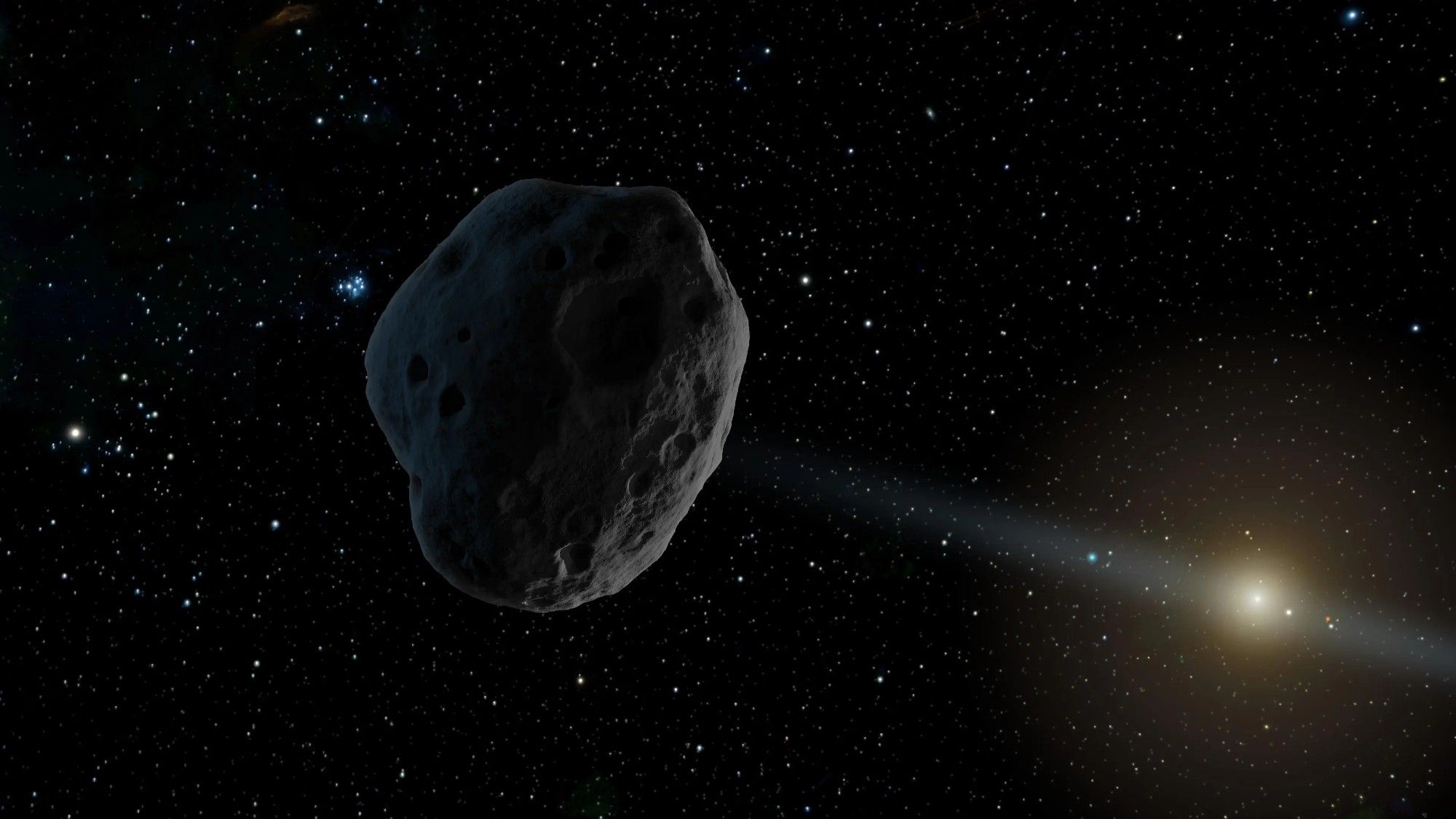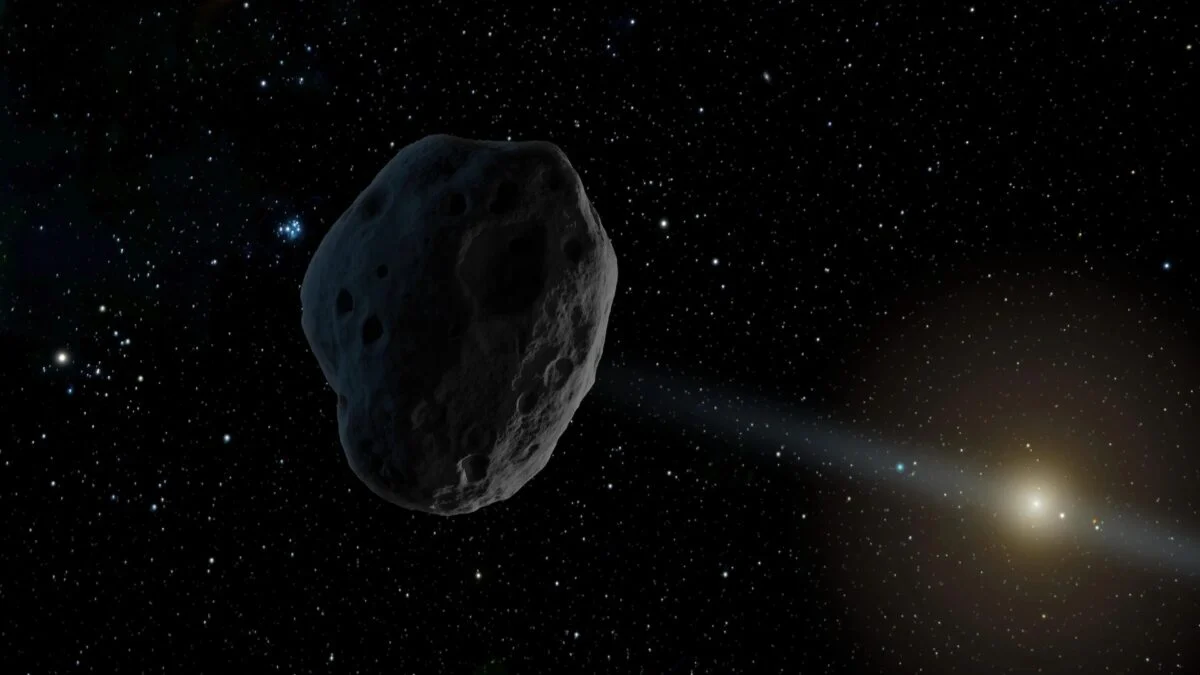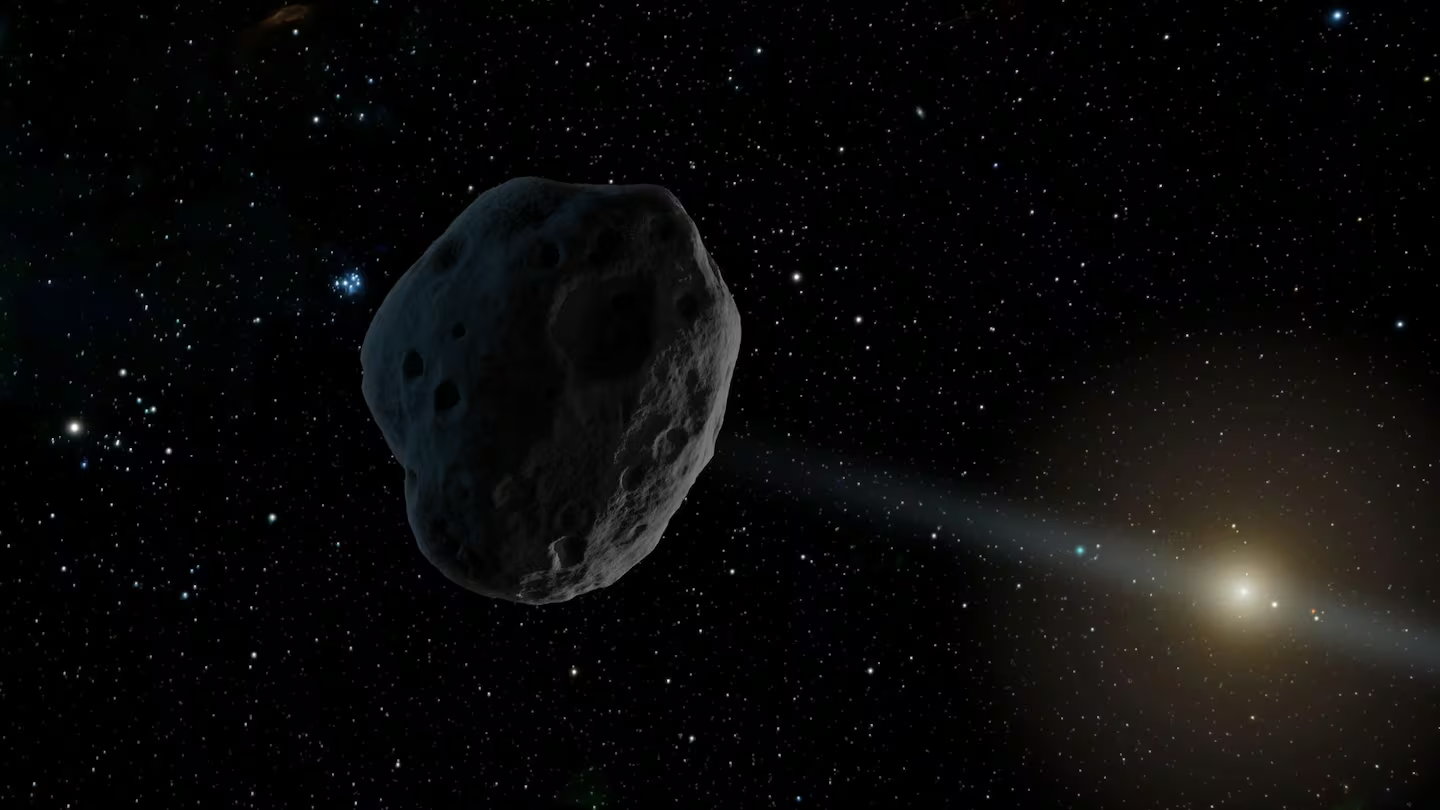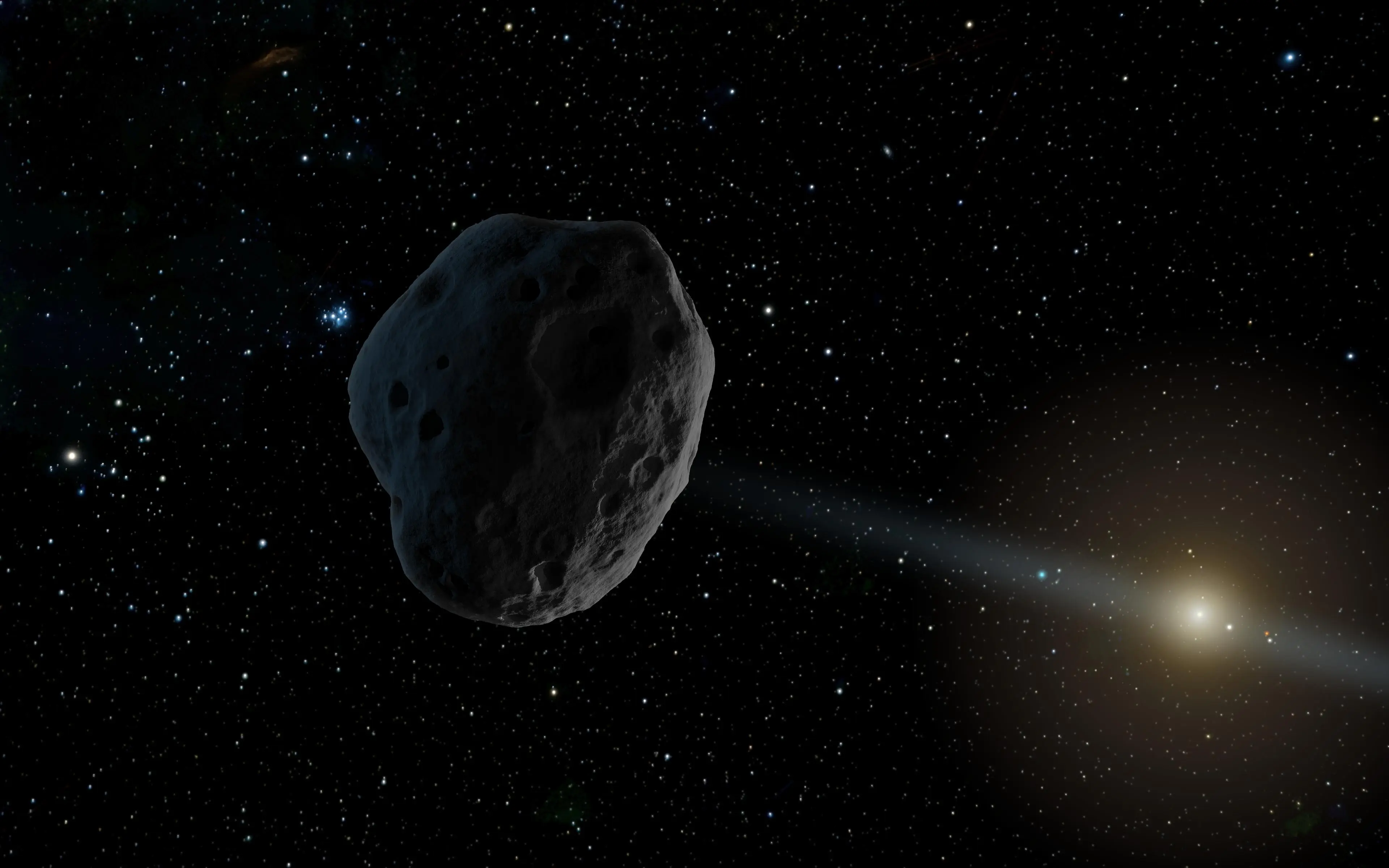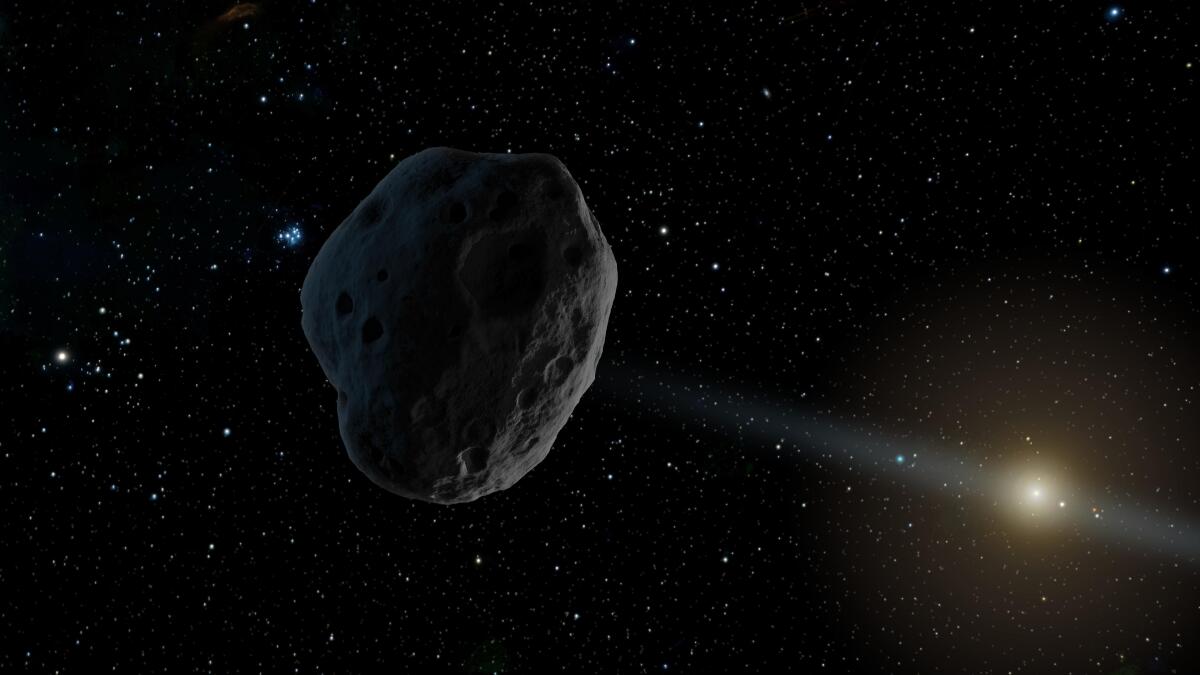
For nearly three decades, astronomers tracked a 1,250-foot-wide object relatively close to Earth that they thought was an asteroid. It looked like one. It followed the expected path. Telescopes saw no glowing cloud of gas or dust tail sweeping behind it. Then, the space rock, called 1998 SH2, drifted from its usual orbit that gravity alone predicted. Something was giving it a tiny push. Astronomers eventually realized that the culprit was likely gas escaping from its surface — a faint version of the same process that powers a comet.
You May Also Like
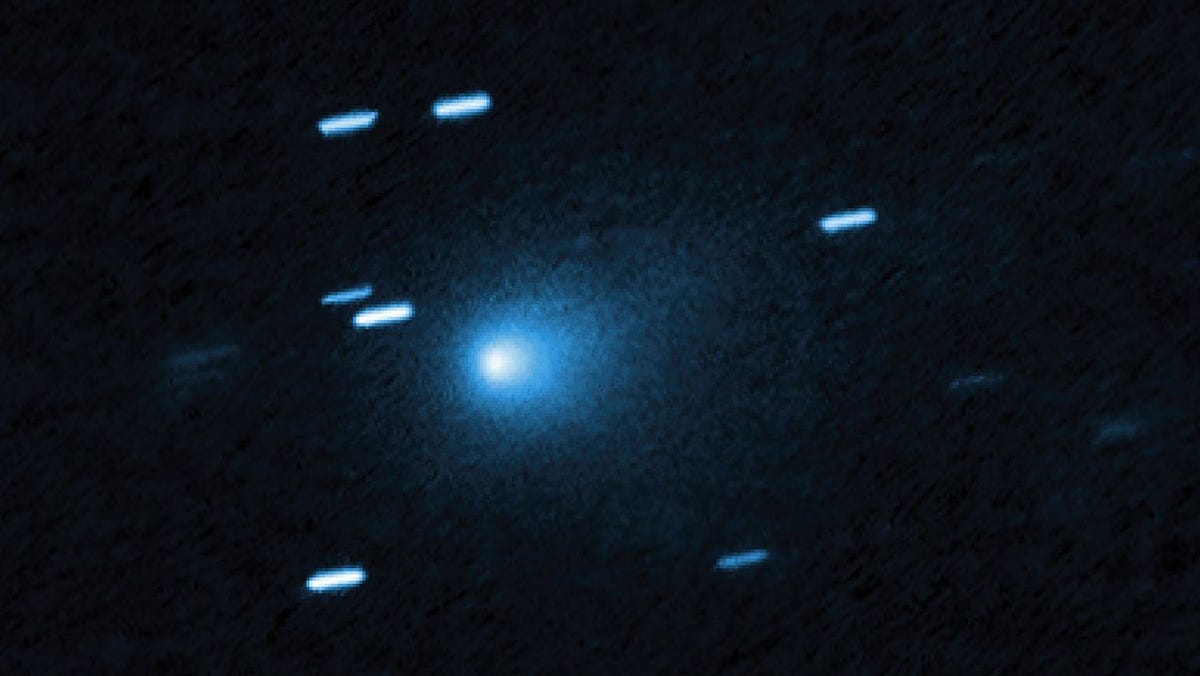
When NASA-led researchers pointed some of the world's most powerful telescopes at 1998 SH2, they finally found the evidence: a barely visible cloud and a wispy tail. The object that astronomers had cataloged as an asteroid for years had finally given up its secret. It was a "dark comet" — a weakly active snowball — in disguise. The discovery doesn't just correct the label for one object. It suggests astronomers may need to rethink the definitions for asteroids and comets. For generations, scientists have separated these two groups by what they see: asteroids look like bare, rocky bodies, while comets reveal themselves through glowing tails that form when their ice turns into gas near the sun. But 1998 SH2 shows that some comets may be so faint that they masquerade as asteroids. That could mean the solar system is teeming with many more hidden comets than astronomers ever realized.