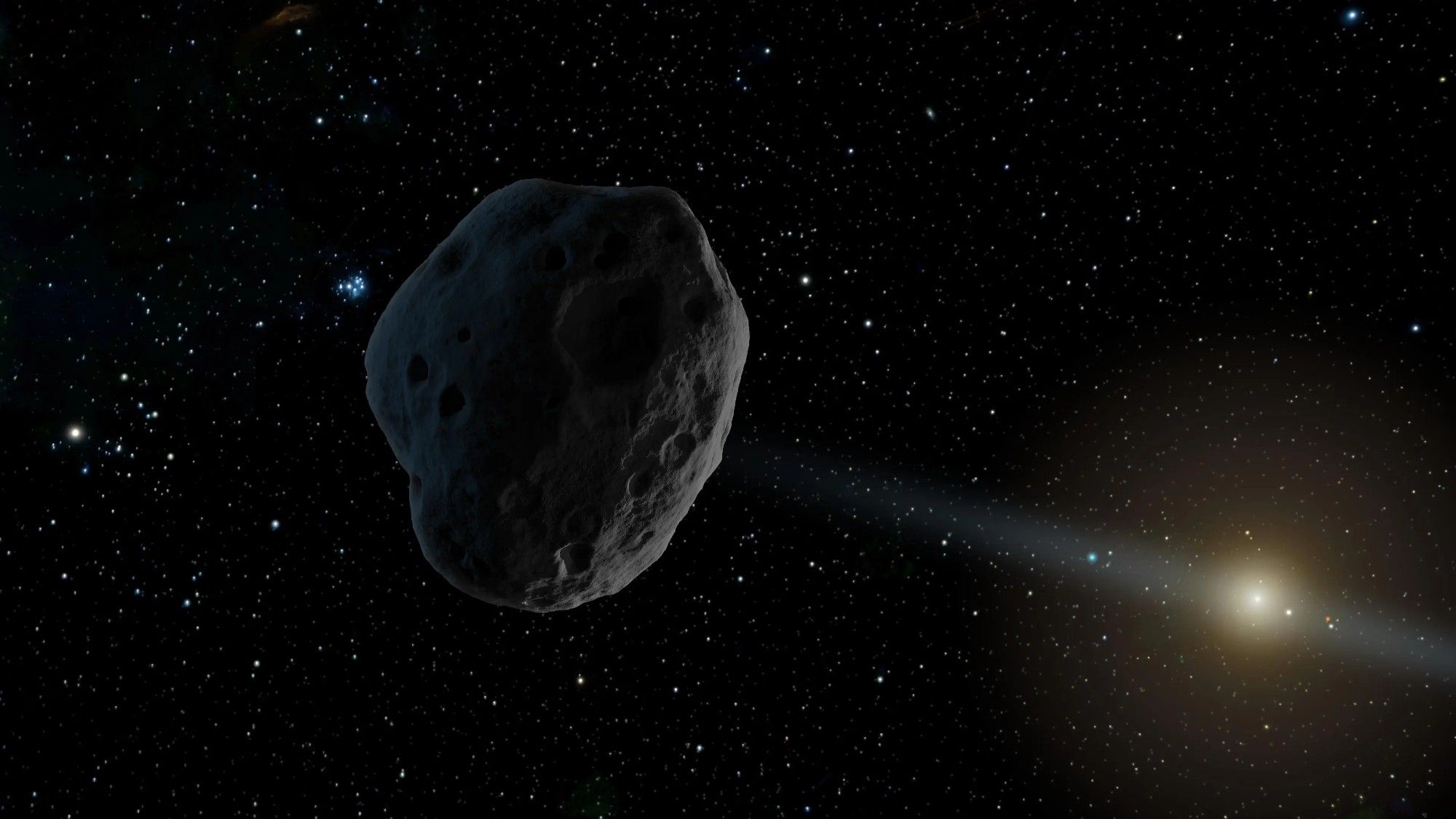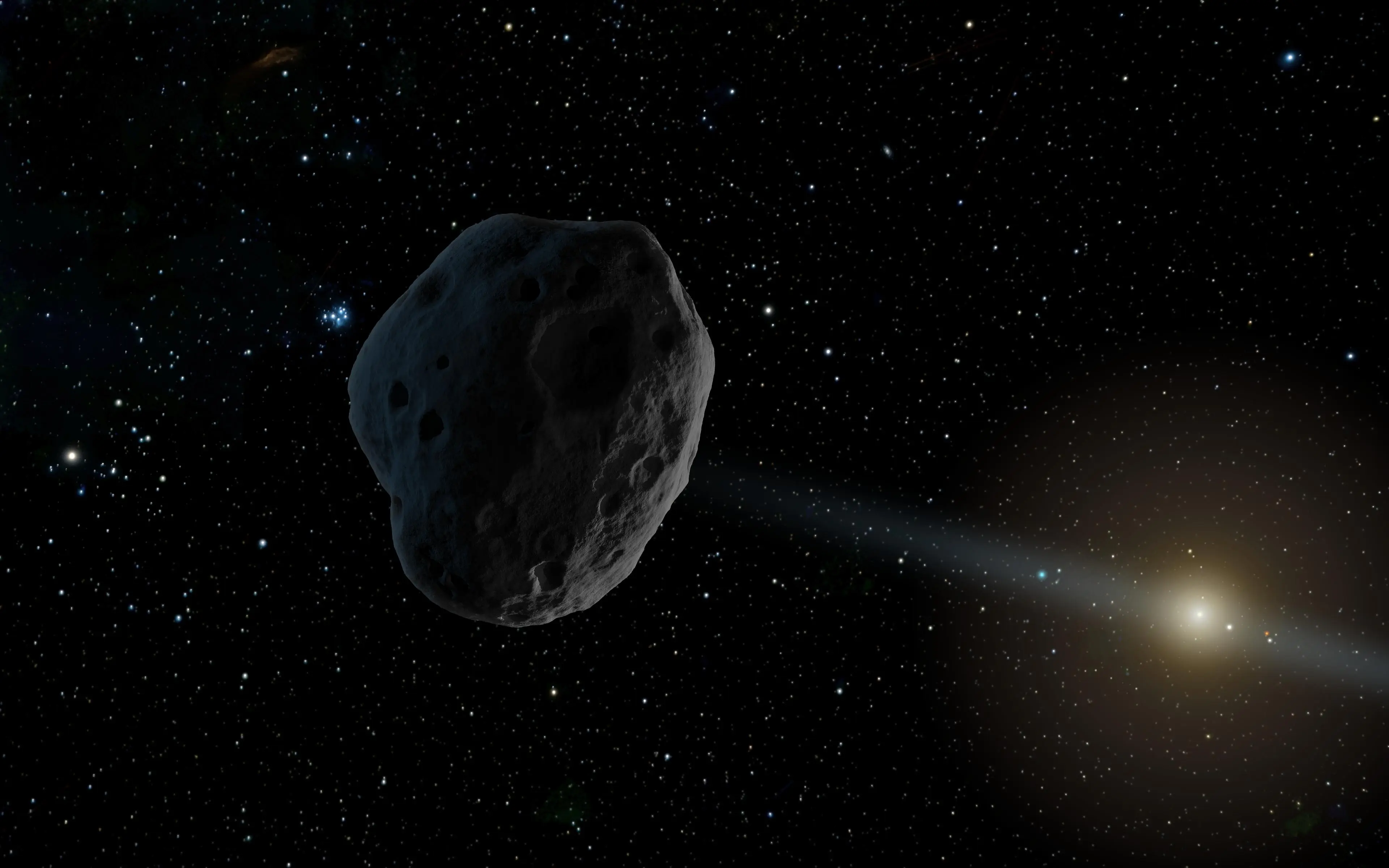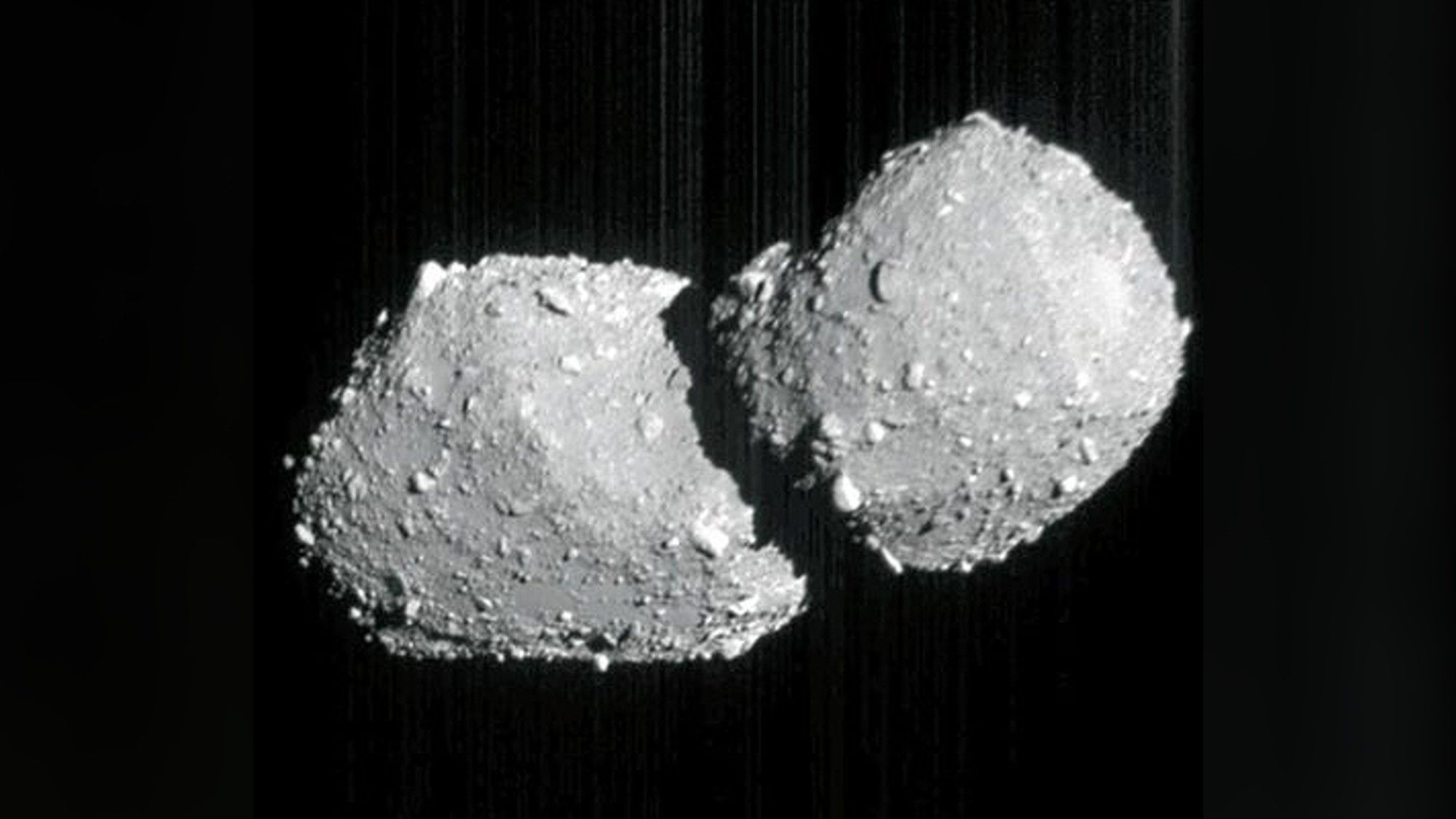
On August 28, 2025, astronomers aimed NASA’s radar system at a region of space where a near-Earth asteroid was expected to appear. Instead, the object failed to show up, leaving researchers puzzled. The unexpected no-show turned what seemed like a routine observation into a surprising case of mistaken identity. In a study published in Nature Astronomy, a team of scientists reveals the true identity of a near-Earth object with an apparent dual personality. Scientists had been tracking the object for 28 years, assuming it might be an asteroid. Its recent deviation from its predicted path, however, suggested something unexpected is influencing the object’s motion. Although previous observations of asteroid 1998 SH2 didn’t show obvious comet-like behavior, a more precise measurement of its position in the sky proved that its motion is irregular like that of a comet.
A comet in disguise Scientists tracked the object’s orbit around the Sun from 1998 to 2016, where it circled our star twice. It wasn’t until 2025 that scientists attempted to carry out additional observations using NASA’s Deep Space Network. The object, provisionally known as the asteroid 1998 SH2, passed safely within 2 million miles (3 million kilometers) of our planet during its 4.5-year orbit around the Sun. Researchers calculated its position using data from previous orbits and factored in the effects the Sun’s gravity, as well as the planets, would have on its path. They then pointed NASA’s array of giant radio antennas toward that specific point in the sky, but asteroid 1998 SH2 didn’t show up.