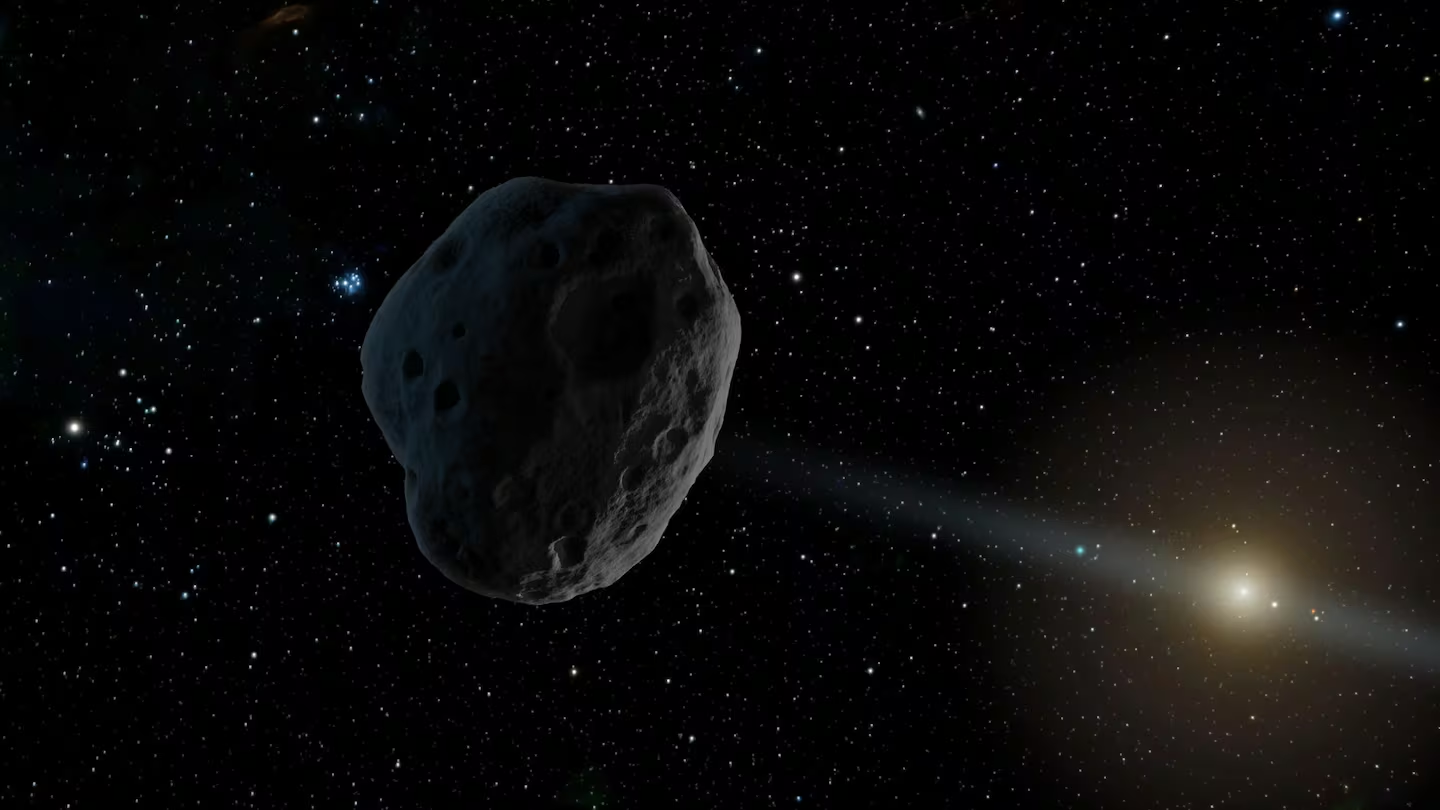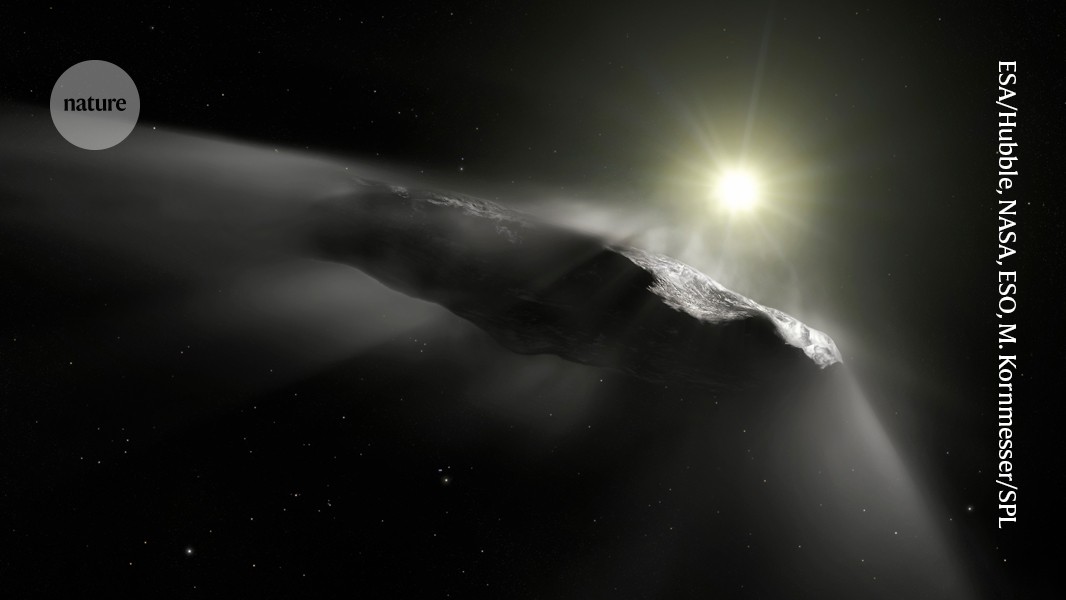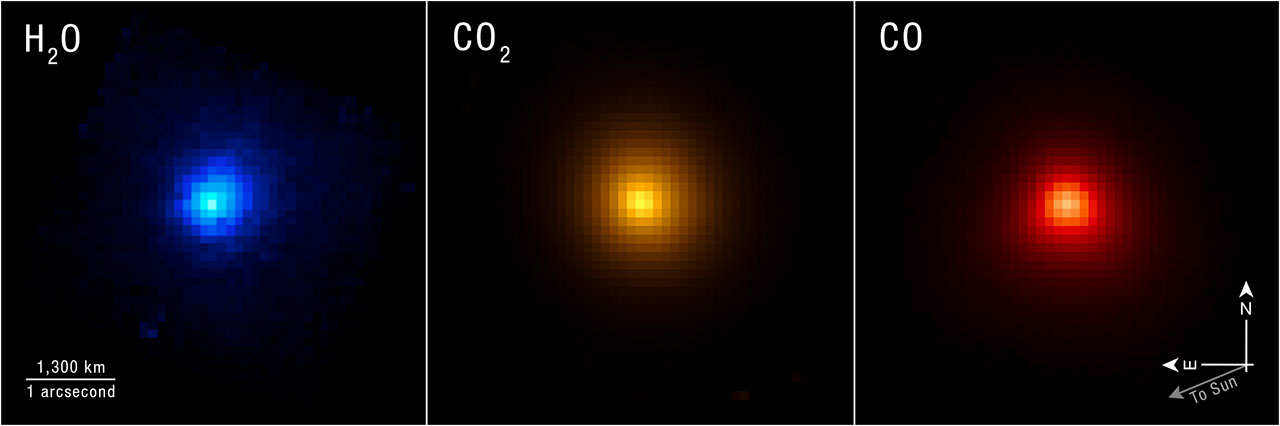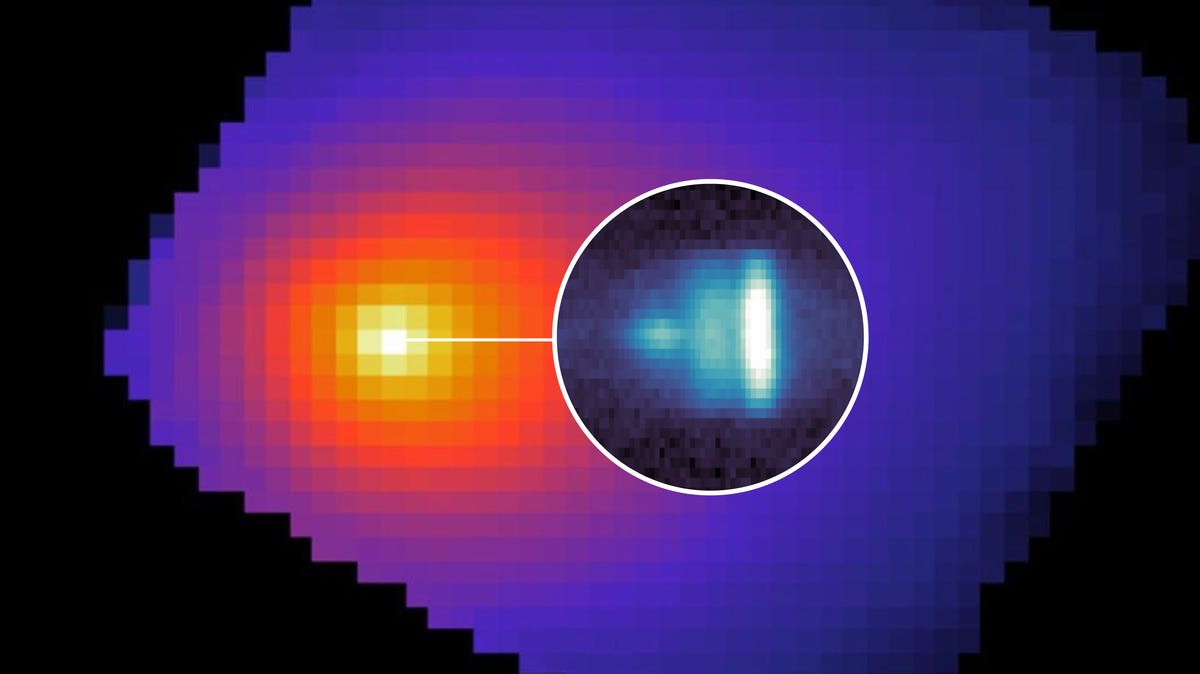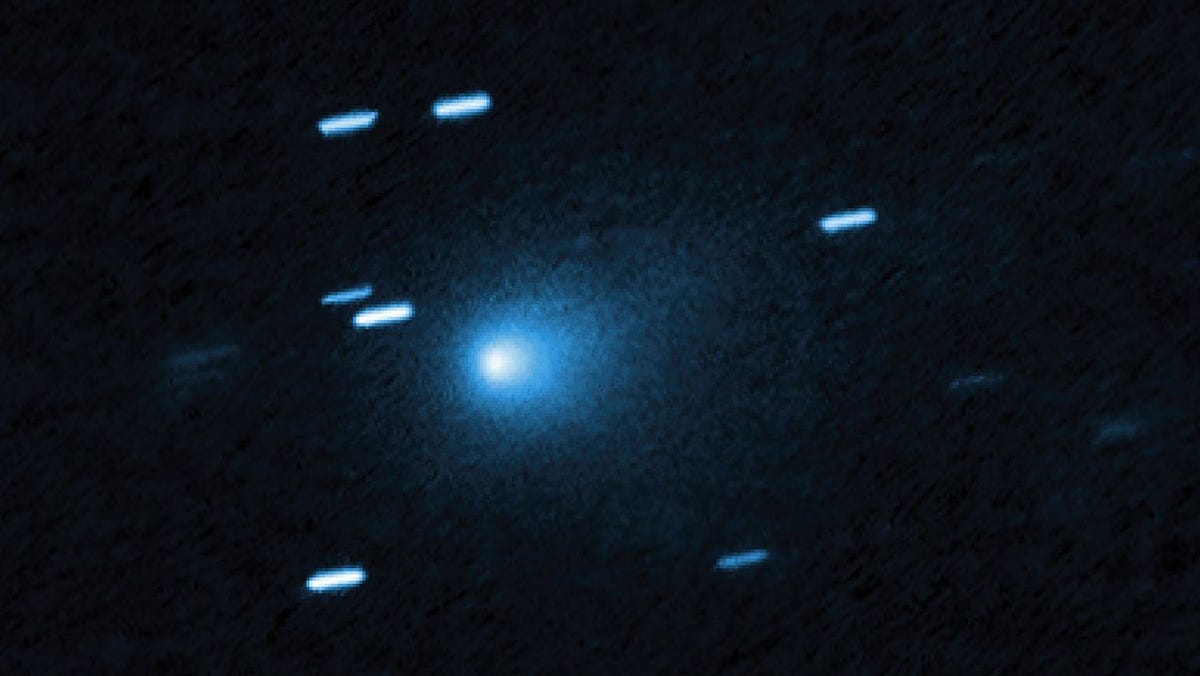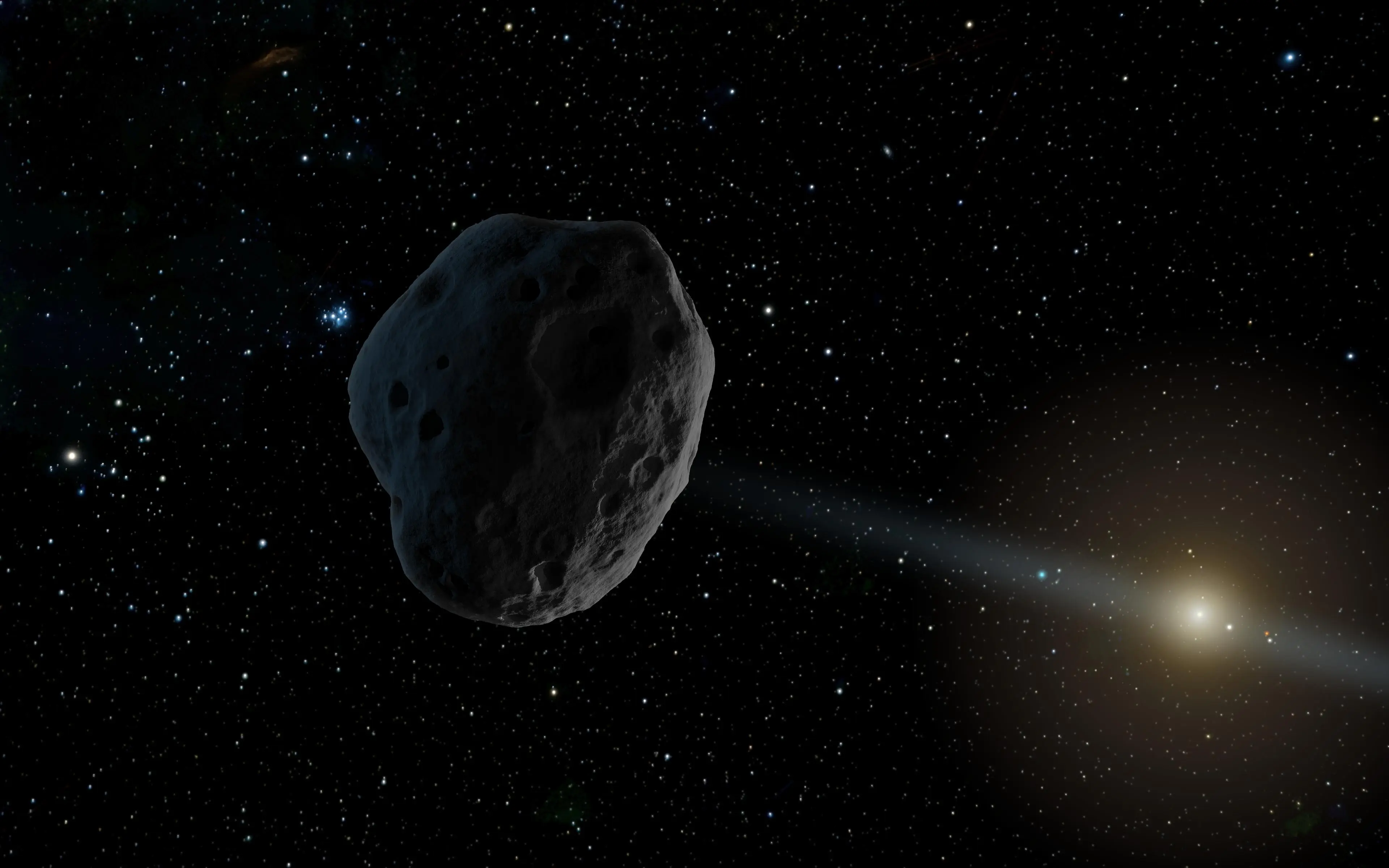
New research led by scientists at NASA’s Jet Propulsion Laboratory in Southern California has revealed the identity of a puzzling near-Earth object by precisely tracking its motion through space and using powerful observatories that image faint celestial objects.
This object has a dual personality: Past images hadn’t revealed obvious cometlike activity, suggesting it might be an asteroid, but its motion recently proved to be irregular like that of a comet. The scientists detailed their findings in a study published in the journal Nature Astronomy.
The puzzle began on Aug. 28, 2025, when the object, provisionally known as the asteroid 1998 SH2, passed safely within 2 million miles (3 million kilometers) of our planet during its 4½-year orbit around the Sun. Researchers looking to observe 1998 SH2 with NASA’s Deep Space Network (DSN) planetary radar system had calculated its position using data from previous orbits and factored in the effects that the gravity of the Sun and planets would have on its path. But when 1998 SH2 didn’t show up where they expected, they realized that something unanticipated had been influencing the object’s motion.
By using optical astrometry to precisely measure the object’s position in the sky, the researchers were able to identify the cause.