Ghanaian authorities have failed in their duty to protect hundreds of victims of witchcraft accusations by delaying passing the Anti-Witchcraft Accusations Bill, said Amnesty International, six years after Akua Denteh was beaten to death, triggering outrage nationwide.
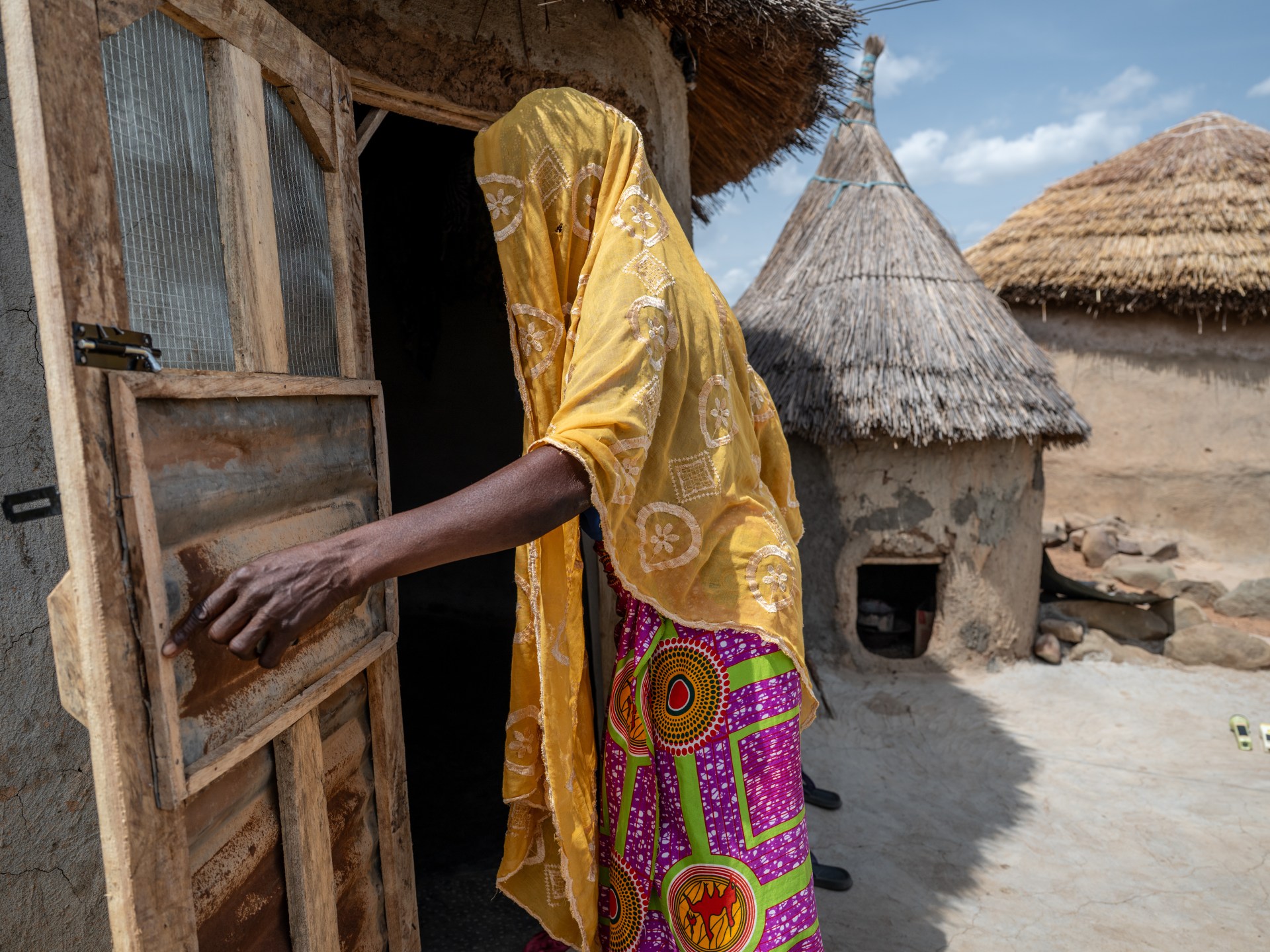
On 23 July 2020, 90-year-old Akua Denteh, accused of being a witch, was lynched to death in front of a crowd of people in her home village of Kafaba, in the Savannah Region, in Northern Ghana. The two women who were seen beating Akua in a video were sentenced to 12 years in prison in 2023 for manslaughter. Hundreds of other women who have been accused of witchcraft have been forced to flee their communities fearing for their lives.
“Akua’s case is just one of the heart-wrenching examples of the dire consequences of witchcraft accusations. This tragic anniversary is a stark reminder of the urgent need to prevent further atrocities and ensure that innocent lives are protected”, said Lamnatu Adam, Executive Director of the non-governmental organization Songtaba, partner of Amnesty International.
A deeply rooted practice leading to suffering and violence
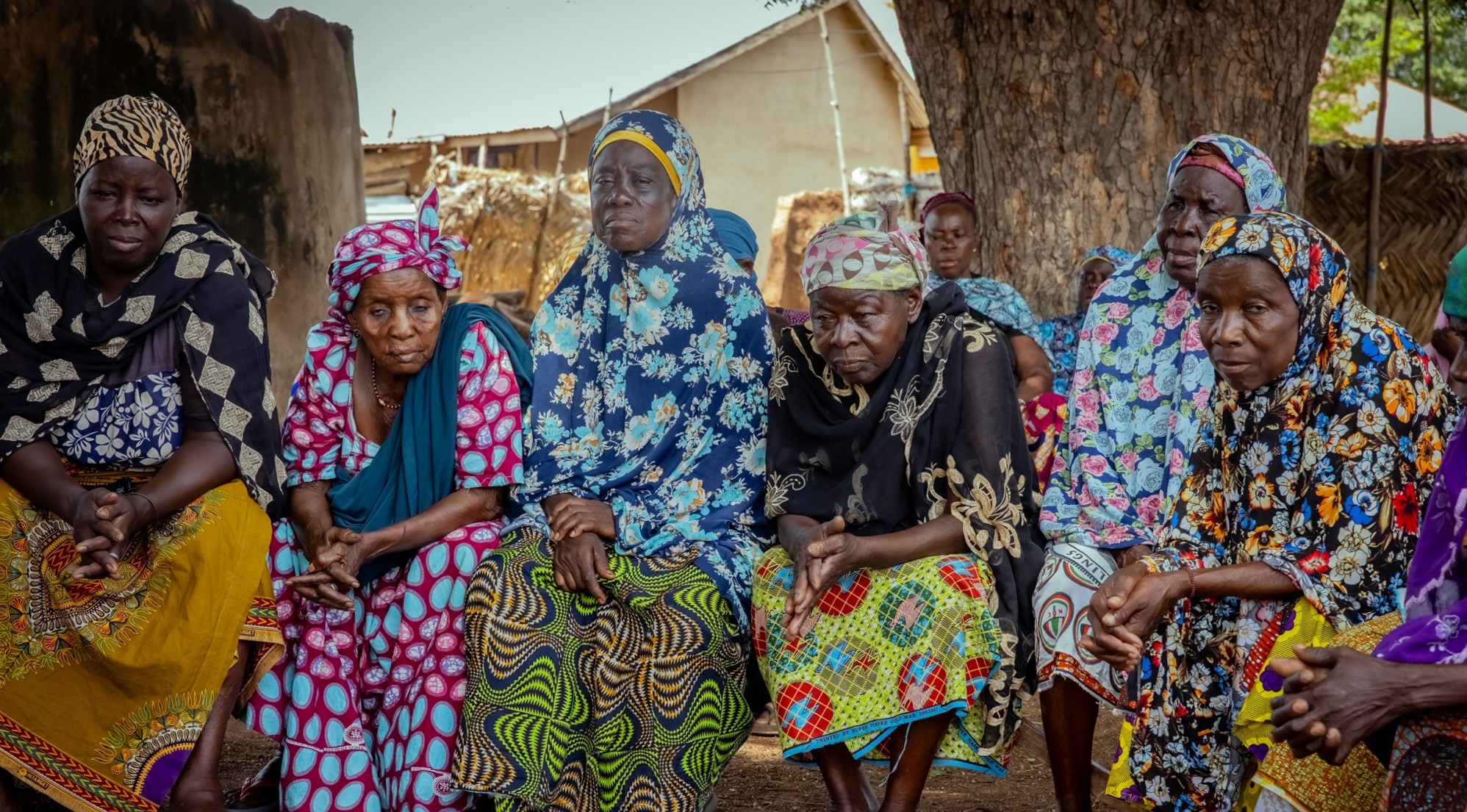
Witchcraft accusations usually start within the family or among community members, following a tragic event such as an illness or a death. Older women living in poverty, with health conditions or disabilities are at greater risk of being accused, as well as women who do not conform to stereotypical gender roles.