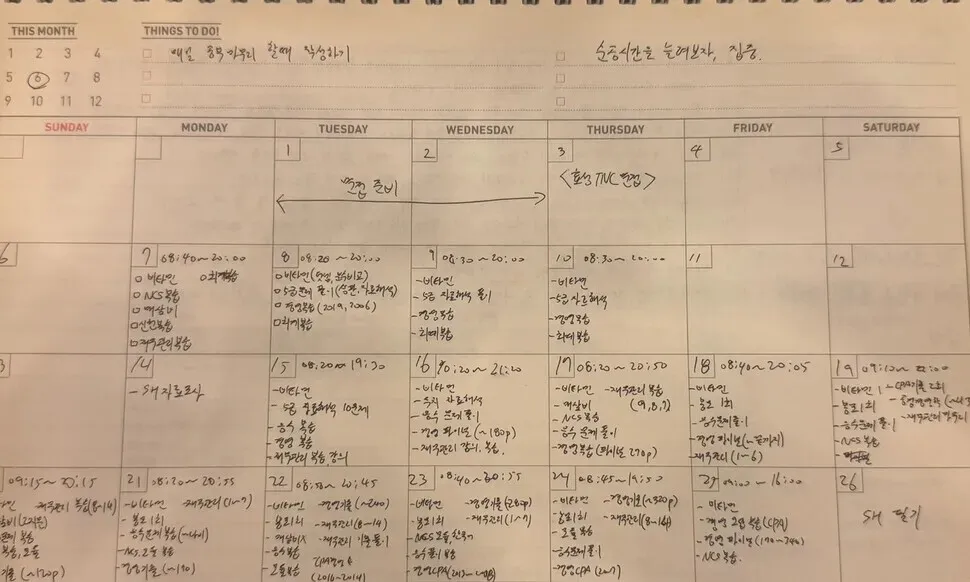
Kim’s study plan while working a part-time job. (courtesy of Kim)
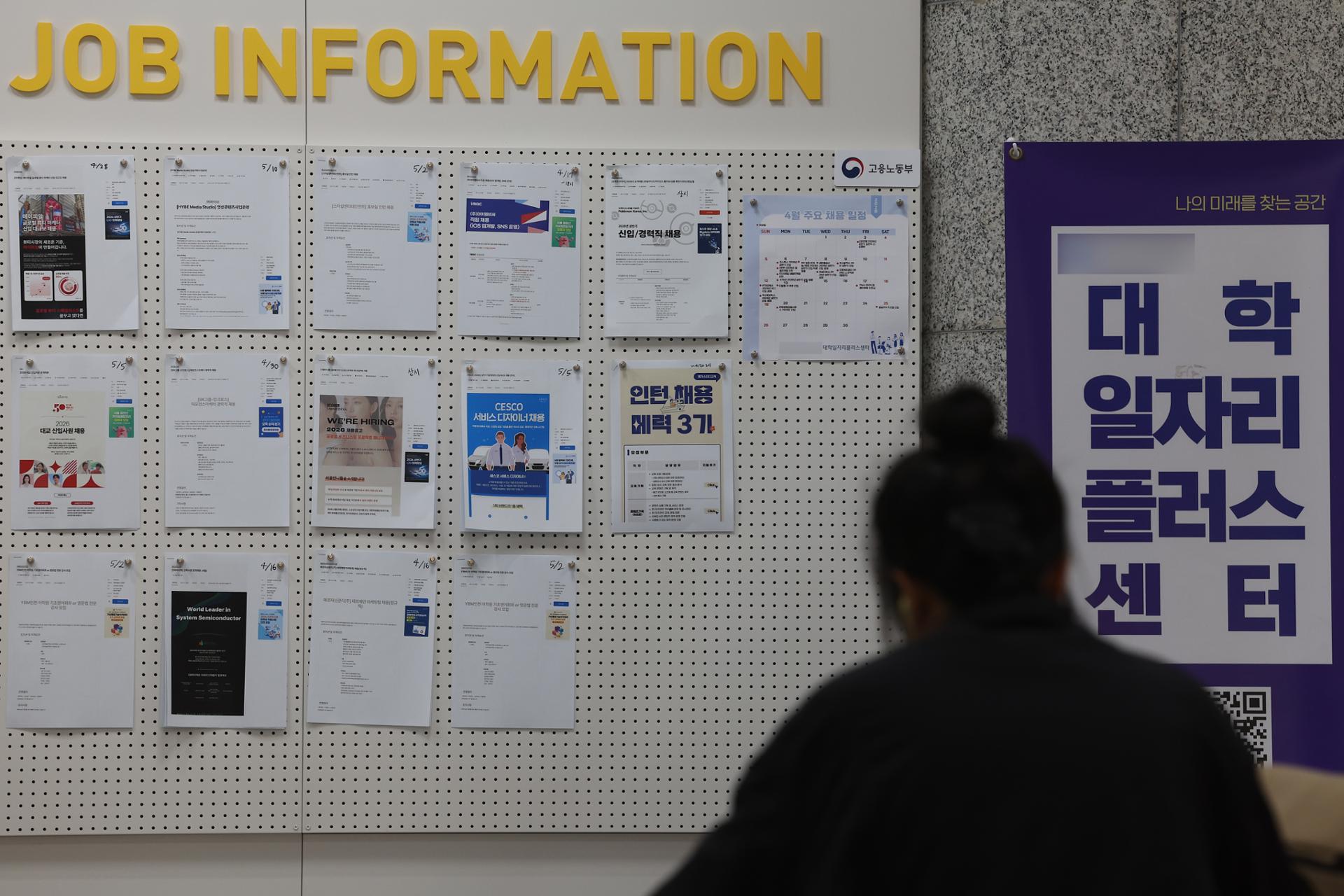
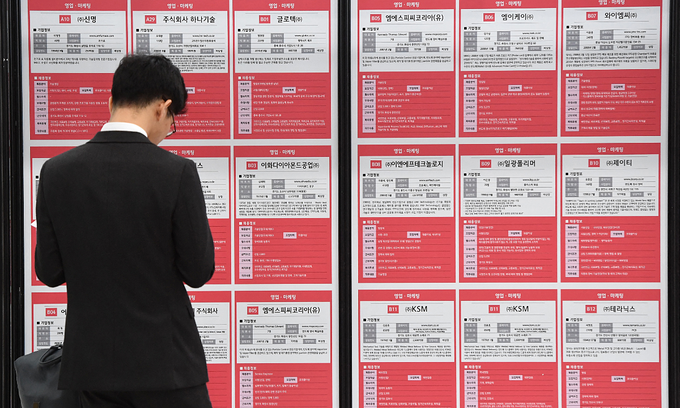
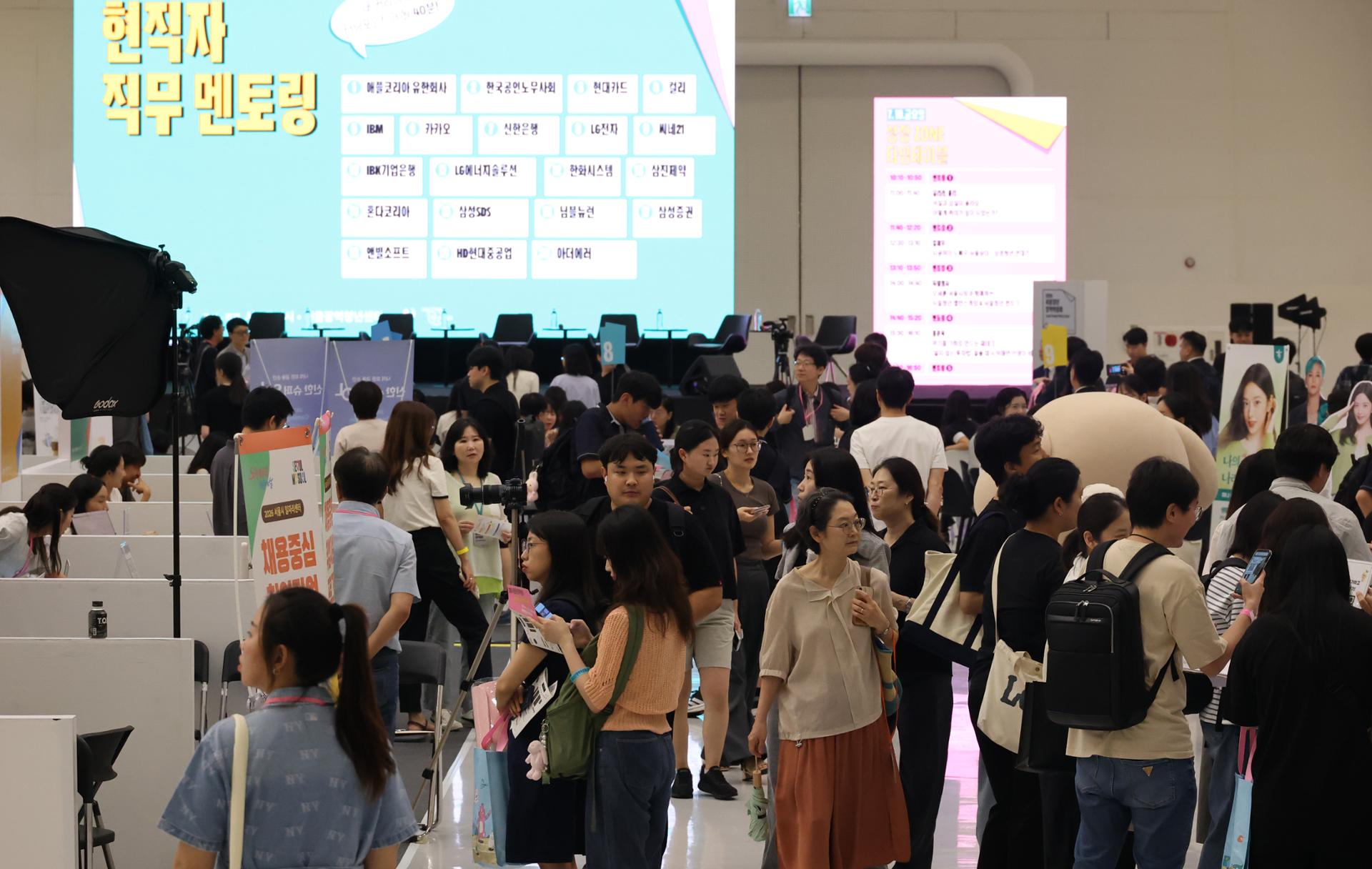
“Maybe I wasn’t hired because I was the only one who didn’t sign up for classes.”Bae Su-gyeong, aged 31, had been looking for a job for three years but could never make it past the final interview.So last year she signed up for interview coaching, which cost 150,000 won for two sessions. She also received one-on-one coaching with mock interviews.“But I kept failing the final interview, so I signed up for an intense training program they call ‘boot camp.’ That cost 400,000 won. I kept taking more classes out of fear my resume was too thin,” she said.A 29-year-old surnamed Park, who wants to work in the public sector, has earned five certificates over the past two years. The certificates he has earned cover such areas as computer skills, Korean history, SQL development, data analysis and practical writing.For each certificate he earned, Park had to spend between 500,000 and 600,000 won on tuition and test fees.“I’m preparing for a job in administration, but I got so discouraged whenever my resume was rejected that I added another certificate that might give me an edge,” he recalled.Nine out of 10 young Koreans who are looking for work are taking private classes like Bae and Park.According to a 2026 online survey of 557 young people (aged 19-39) conducted by the nonprofit Korea Youth Foundation and the foundation Education Spring, 93.7% of respondents said that they’d received private education while looking for a job.The category of private education enrolled in by the most respondents (52.1%) was classes for earning field-specific certificates. That was followed by language prep for tests like the TOEIC (Test of English for International Communication) at 43.4% and coaching on personal statements, interview performance and portfolios at 40.0%.Respondents said they spent an average of 300,000 (US$204) per month on these classes, or a yearly total of 3.6 million won (US$2,450) spent on private education.Among the respondents, the largest number (136, 25.9%) said they spent between 200,000 and 300,000 won per month, while 45 (8.5%) spent between 500,000 and 1,000,000 won a month. There were even 17 (3.2%) who reported spending over 1 million won each month.Those educational expenses are in addition to living expenses during the job-seeking period.According to the same survey, the main reason young jobseekers take these private classes is because of fear of losing out to the competition. The vast majority of respondents — 79.4% — said they felt that not taking private classes would leave them at a disadvantage. That vague anxiety led them to obtain more certificates and resort to coaching and consulting, even when the subjects were often unrelated to their actual job skills.Park said he presumes his data analysis certificate will have little bearing on his actual work if he lands a job in administration.“I probably wouldn’t use it on the job, but I feel pressured to get more certificates so my resume will at least pass muster. The more I spend on private education, the more part-time jobs I have to take on. But trying to balance work and study is physically and mentally exhausting. It’s a vicious cycle that never seems to end,” said Park.The combination of part-time work with the financial burden of private education is taking a toll on young Koreans. The survey found that 63.6% of respondents experienced financial struggles as a result of paying for such programs.The most frequently cited means of paying for the education was through part-time work earnings, at 65.0%. A total of 55.1% of respondents said they had received assistance from their parents, suggesting that individual young people and their families are sharing the burden of education meant to boost their job prospects.During her job search, Bae spent her days preparing for employment and worked part-time at a call center and a restaurant from 6 pm to 10 pm each evening to finance private courses.“Other people are able to focus on their job search and related preparations, but I was in a difficult situation financially, and the idea that I was trading between time and money left me scared that there would be no escape,” she recalled.