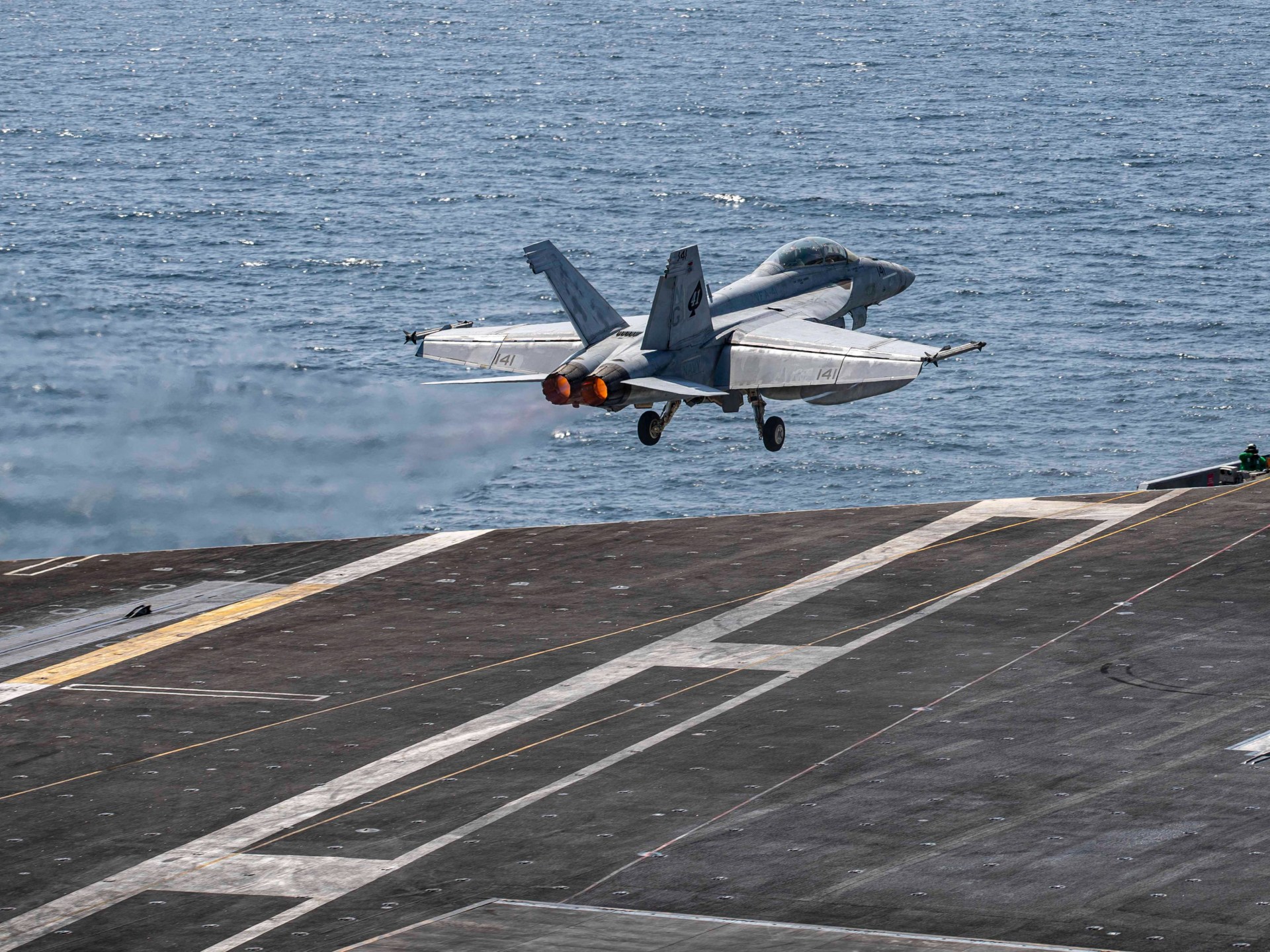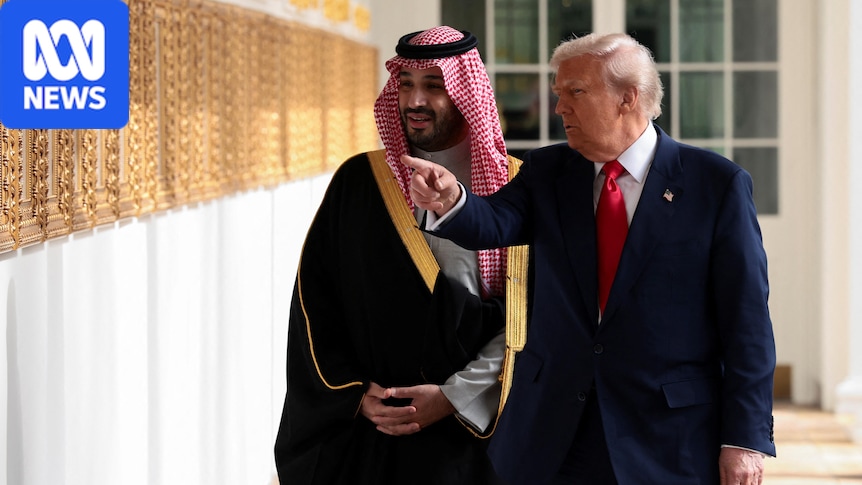
At the end of February, the US administration and the Iranian regime were taking part in nuclear talks when Washington walked away from the negotiating table and launched a bombing campaign on Iran with Israel's Prime Minister Benjamin Netanyahu.One of the many reasons that was given for US President Donald Trump's decision to go to war was to ensure the Iranian regime stopped enriching nuclear fuel.But on Wednesday, Mr Trump formally approved a deal with a close ally that analysts warned could open the door for another Middle Eastern power to potentially do exactly that.The US Secretary of Energy and Saudi Arabia's Minister of Energy signed an accord that allows the kingdom to build nuclear reactors using American technology and to enrich uranium."These two agreements lay the legal foundation for a decades-long, multi-billion-dollar partnership that advances several priority economic and strategic objectives, including nuclear non-proliferation," the US Department of Energy said in a statement.The full details of the civil nuclear deal with Saudi Arabia are yet to be released, but US media has reported American companies will be given a central role in developing the state's new power reactors and other nuclear technology.Westinghouse Electric is set to be one of the biggest winners from the arrangement, which will now go to US Congress for approval.Saudi officials have long argued the kingdom needed an agreement to develop its nuclear industry and meet energy needs at home.The accord has been years in the making, with talks spanning both Mr Trump's first administration and that of former president Joe Biden.It had been the Biden administration's desire for the agreement to include a loftier outcome, that being Saudi diplomatic recognition of Israel, but that was abandoned after the October 7 Hamas attack.To get the deal over the line with Crown Prince Mohammed bin Salman this time, US media is reporting that Mr Trump agreed to terms that may limit international inspectors from carrying out intrusive snap inspections of nuclear sites.The Saudis may also be allowed to enrich uranium or reprocess plutonium on their soil, a stark contrast to the US deal signed with the United Arab Emirates in 2009 in which the UAE agreed to forgo producing nuclear fuel forever."Clearly this is meant to signal Iran that the US is willing to basically allow its allies and partners in the region and the Gulf side to gain a nuclear capability … should it [Iran] choose to try and seek a nuclear weapons capability," said Mona Yacoubian, director and senior adviser of the Middle East Program at the Center for Strategic and International Studies.The controversial deal will bring the United States closer to the Saudi government at a perilous time in the two sides' relationship.But analysts warn it has the potential to spark "a nuclear arms race in the Middle East".A testy time for US and Saudi ArabiaFor many years, Saudi Crown Prince Mohammed bin Salman was a pariah on the world stage, but since returning to the White House, Mr Trump has worked to bring him back into the fold.US President Donald Trump welcomes Saudi Crown Prince and Prime Minister Mohammed bin Salman, at the White House in Washington, DC, US, November 18, 2025.
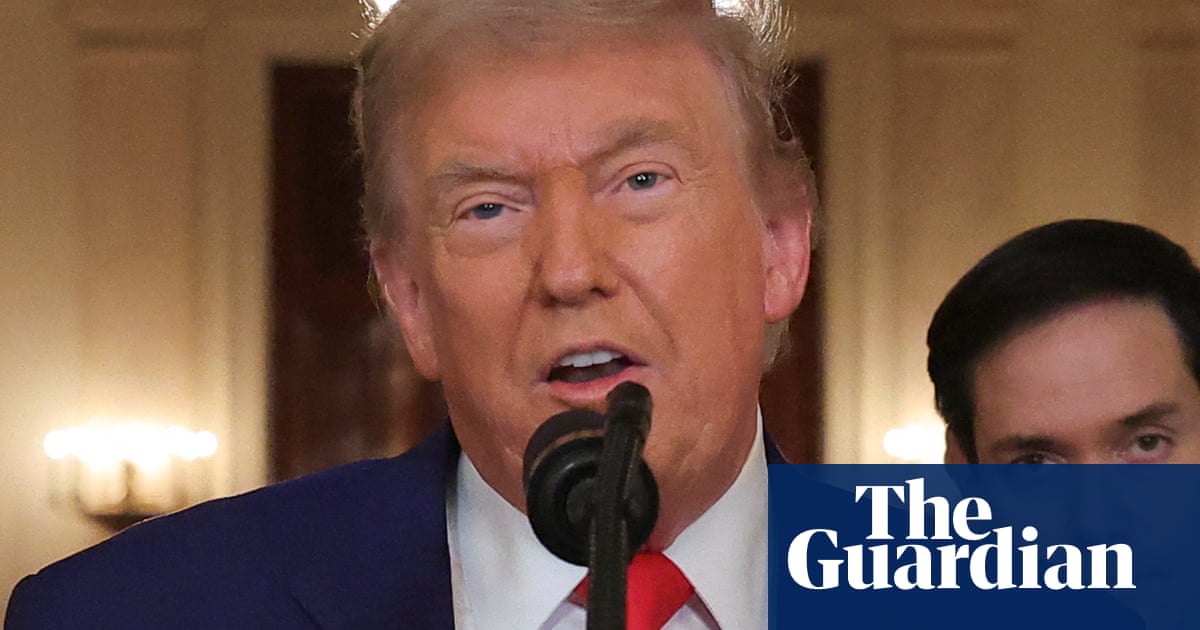
Trump went to war to restrict a nuclear program, now he's backing one
Donald Trump went to war with Tehran to stop it enriching nuclear fuel. Now he's approved a deal that analysts warn could open the door for another Middle Eastern power to potentially do exactly that.
1,658 words~8 min read