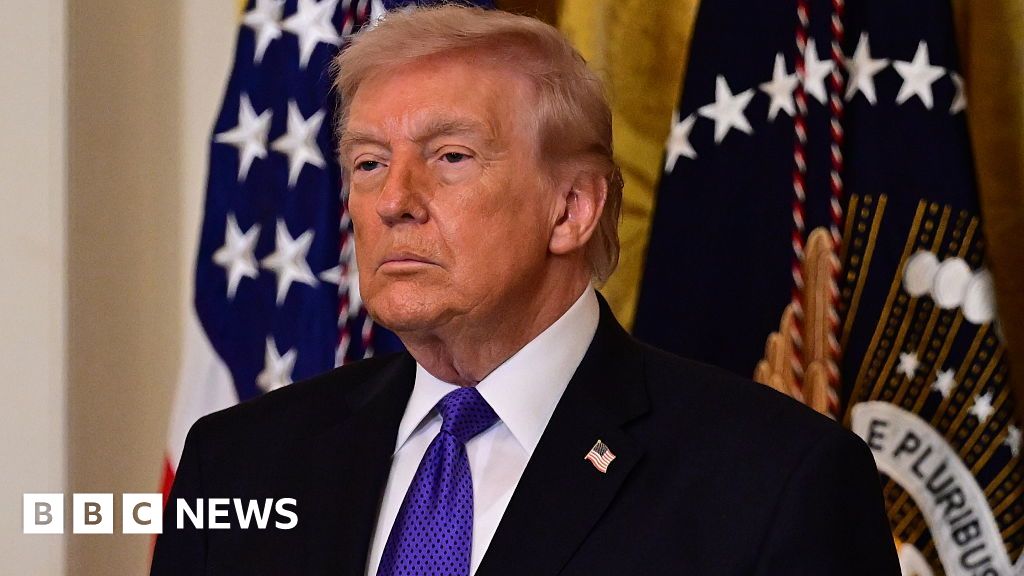
When Donald Trump and Benjamin Netanyahu launched the war on Iran on February 28, their objectives were sweeping: regime change in Tehran, the dismantling of Iran’s missile and nuclear programmes, and the curbing of its support for regional non-state allies. In the early days of the conflict, Mr. Trump ruled out any agreement with Iran and demanded its “unconditional surrender”. The war went so badly for Washington that, three months later, Mr. Trump is negotiating a temporary ceasefire extension and the reopening of the Strait of Hormuz in exchange for economic concessions to Tehran. According to a draft MoU reported by U.S. media, Iran would restore maritime traffic through the Strait of Hormuz to pre-war levels, while the U.S. would gradually lift its blockade of Iranian ports. Tehran would also get access to its frozen funds, while the ceasefire would be extended on all fronts, including Lebanon. Yet, even if approved by both sides, the agreement is only a preliminary one. Mr. Trump no longer speaks of Iran’s missile programme or its support for its regional allies. His focus has narrowed to the nuclear issue, essentially the line Barack Obama adopted in 2013, culminating in the 2015 nuclear agreement with Iran, which Mr. Trump sabotaged in 2018. Once the MoU is reached, Iran and the U.S. would start serious direct negotiations on the nuclear issue.Mr. Trump’s military campaign has failed to achieve any of its declared objectives. By striking U.S. bases across the Persian Gulf and taking control of the Strait of Hormuz, Iran widened the conflict regionally and economically. Mr. Trump announced the ceasefire on April 8, likely realising that air strikes would achieve little, and has tried to extract concessions from Iran through economic and military pressure. But Iran responded in kind. After Mr. Trump announced a blockade on Iranian ports, Tehran cancelled negotiations and pushed the nuclear file down its list of priorities. That Washington is now negotiating, through Pakistan, an MoU to extend the ceasefire and then take up the nuclear file suggests that Tehran’s hardline tactics are yielding results. Tehran had previously engaged constructively with the U.S. When Mr. Trump unilaterally withdrew the U.S. from the 2015 nuclear deal, Iran was compliant with its obligations, and in early 2025 and February 2026, it was engaged in talks. So, if the U.S. seeks a deal, it must address the trust deficit and proceed on the basis of mutual concessions. If Mr. Trump is serious about a negotiated settlement, a deal is within reach. But if he seeks to achieve through diplomacy what he failed to secure through war, he risks entangling the U.S. in yet another forever war. Published - June 01, 2026 12:10 am IST
From bad to worse: On Donald Trump and the war on Iran
U.S. President Donald Trump’s military campaign against Iran has failed to achieve any of its declared objectives
450 words~2 min read