(Image credit: Shutterstock)
With temperatures rising, your garden isn't just welcoming fresh blooms — it's also inviting a wave of seasonal pests.From aphids and ants to pesky mosquitoes, such pests can also be destructive to our plants, lawn, or vegetable beds. Since I prefer not to use chemical-laden products, I’m constantly searching for natural alternatives to discourage infestations and use safely around the home.In addition to using white vinegar or diatomaceous earth for ant control, I’ve recently discovered another common pantry staple that many gardeners are using in their yards this summer.It turns out that flour can do much more than just tasty baked treats; it can actually be used as a natural form of pest control.I asked the experts why this is effective, how to use flour safely in your yard — and what not to do that could inadvertently attract even more pests.Why is flour good at repelling pests?
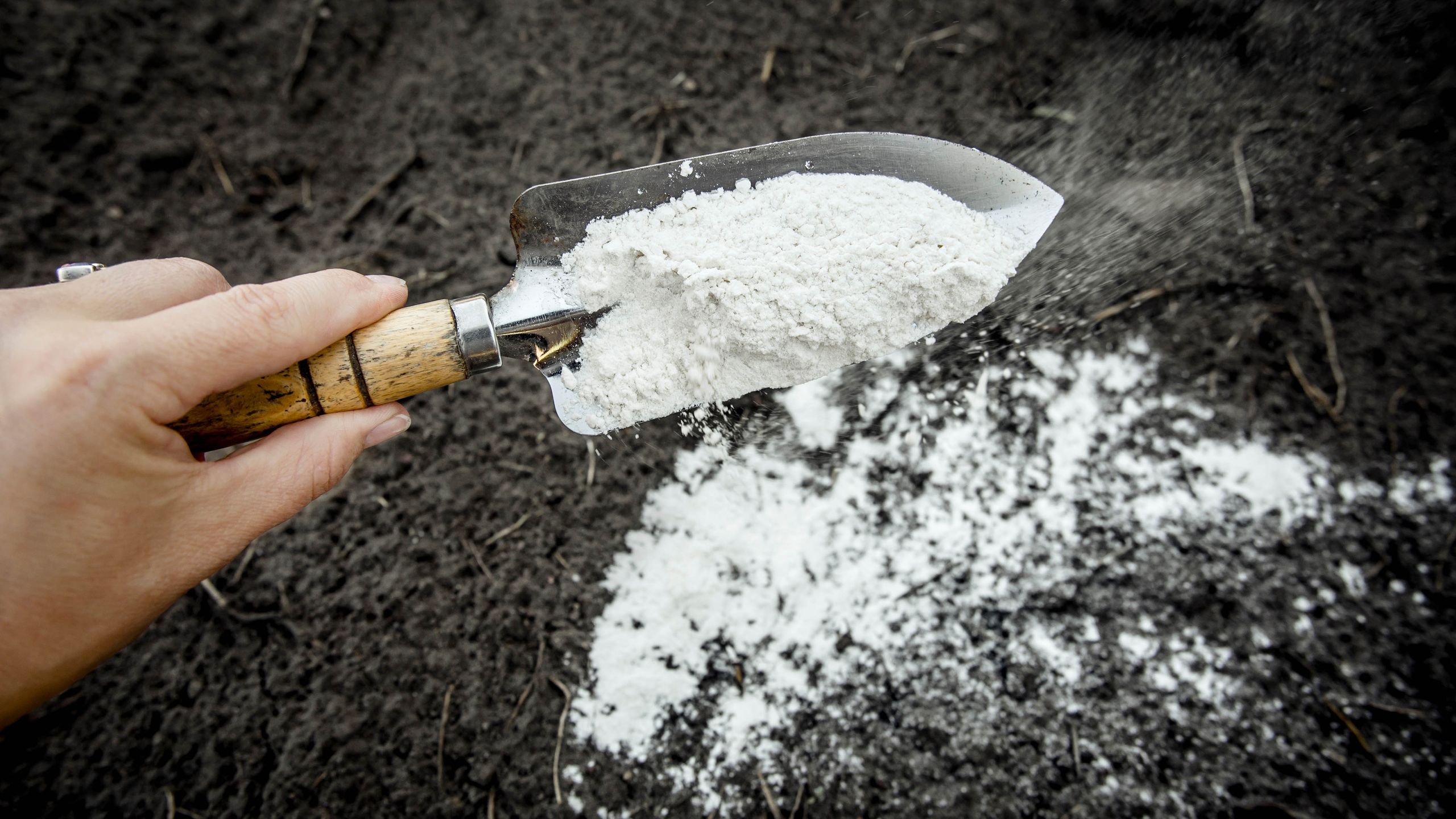
Flour in flour bag cascading onto worktop (Image credit: Shutterstock)According to experts, flour can be used as a quick-fix solution to deter destructive pests like aphids, cabbage worms, and beetles.Although it doesn’t give off a smell or chemical that insects hate, it actually works as an effective barrier. Once pests try to feed on it, the flour creates a sticky obstruction in their mouthparts and digestive systems — making it harder for them to continue.Get instant access to breaking news, the hottest reviews, great deals and helpful tips.“Flour isn't a repellent in the way people usually mean that word,” states Mark Abraham from Duguza Pest Control.Similar to food-grade diatomaceous earth, the powdery texture of flour can affect soft-bodied pests.“What it actually does is act as a mechanical barrier," Abraham says. "When you dust it onto leaves, soft-bodied pests like grasshoppers and caterpillars end up with it clogging their mouthparts or gut while they feed. On a sunny day, the dried flour can pull moisture out of smaller insects too.”And if you’re wondering what type of flour is best, there isn’t any evidence that specialty flours give you better results (except for aphids). Essentially, the trick here is how you apply it in the garden — and using it the right way.How to use flour in your yard