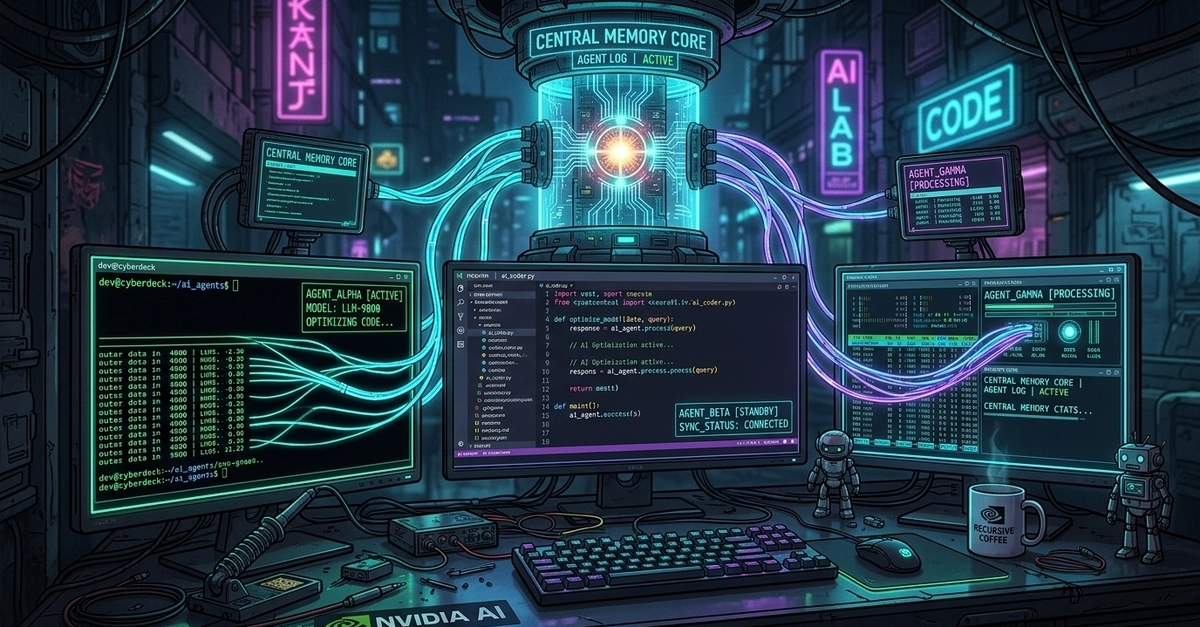
An AI coding agent will never tell you it's guessing. It doesn't hedge before a wrong answer, doesn't slow down when it's about to break something three modules away, doesn't leave a nervous comment admitting it isn't sure about this part. Right or catastrophically wrong, it hands you the same clean, confident, well-commented code at the same steady cadence — because in a language model, confidence tracks how plausible the next token looks, not whether the design actually holds up. There's no tell. That single property — fluent output with nothing calibrated underneath it — is what makes a capable agent genuinely dangerous on a real codebase, and it's the problem I built AgentScaffold to manage.
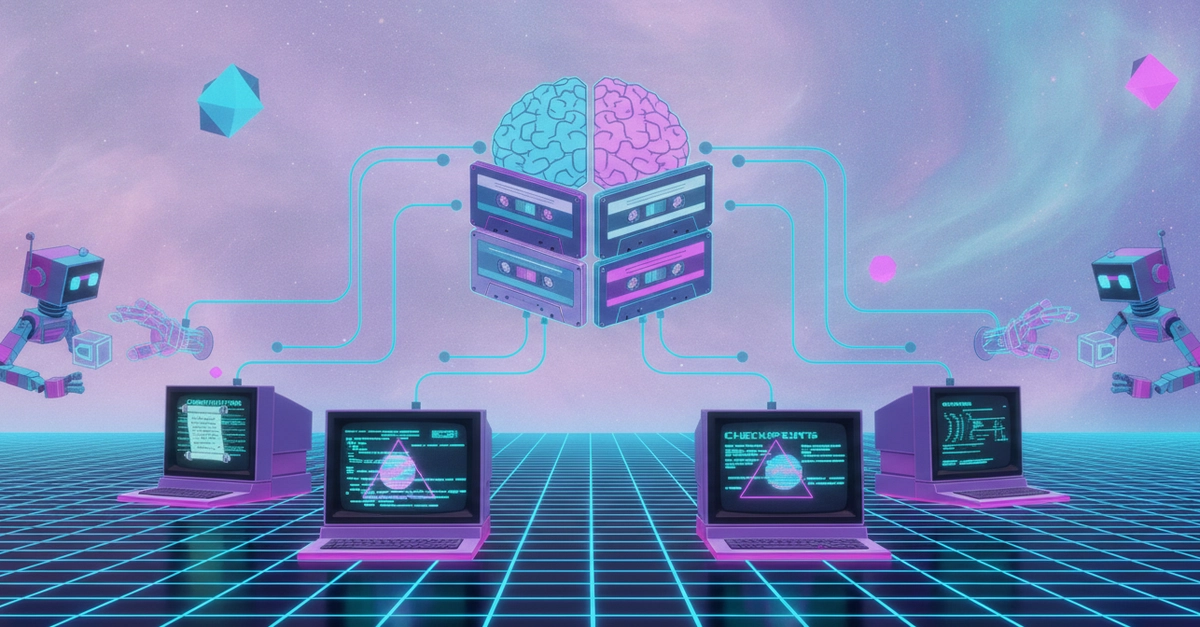
Three structural gaps make that dangerous in practice. First, an agent has no durable memory across the boundaries that matter: a new session, a compacted context window, a teammate's agent picking up the same repo tomorrow. Inside a single conversation it holds context fine; cross one of those seams and it starts over, cheerfully re-deriving everything it worked out yesterday. Second, left to its own devices it approaches each plan a little differently, with none of the consistent rigor a seasoned engineer brings — not out of laziness, but because nothing in the loop requires it. Third, it doesn't learn: catch a mistake on plan 12 and the same class of mistake turns up, refreshed and just as confident, on plan 40. Nothing carries the lesson forward.