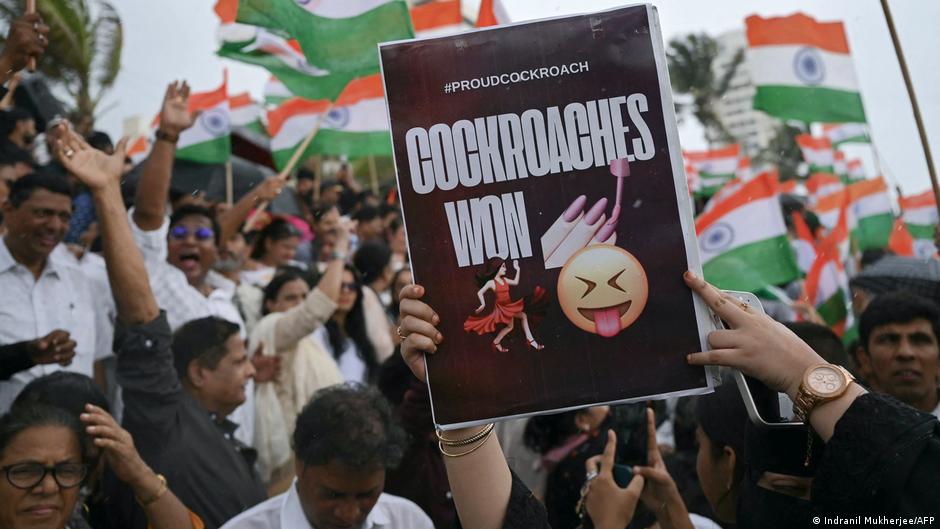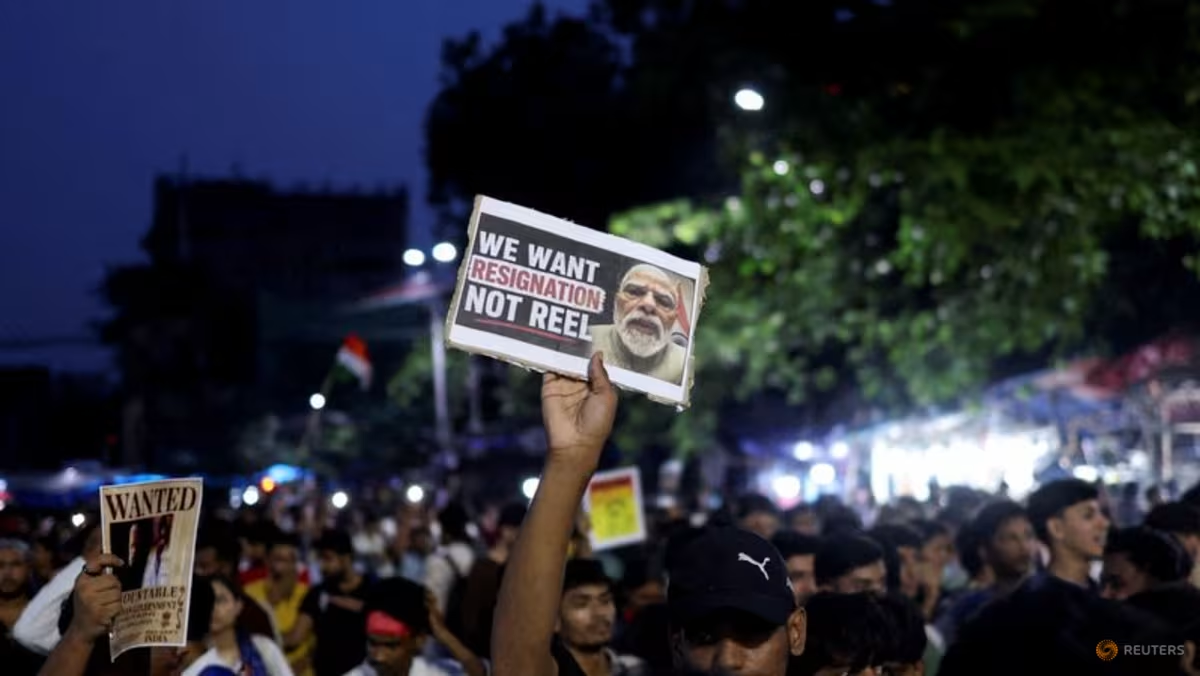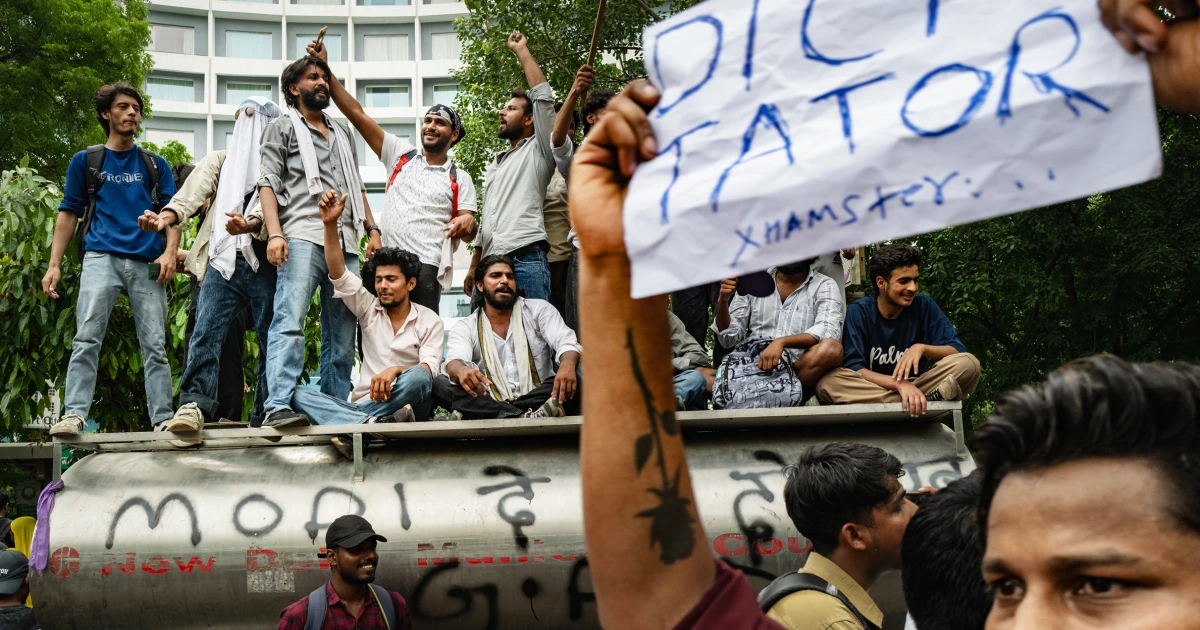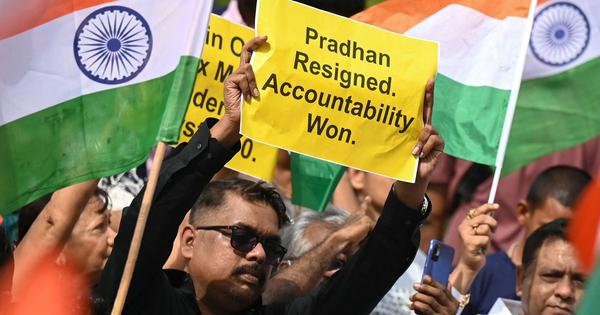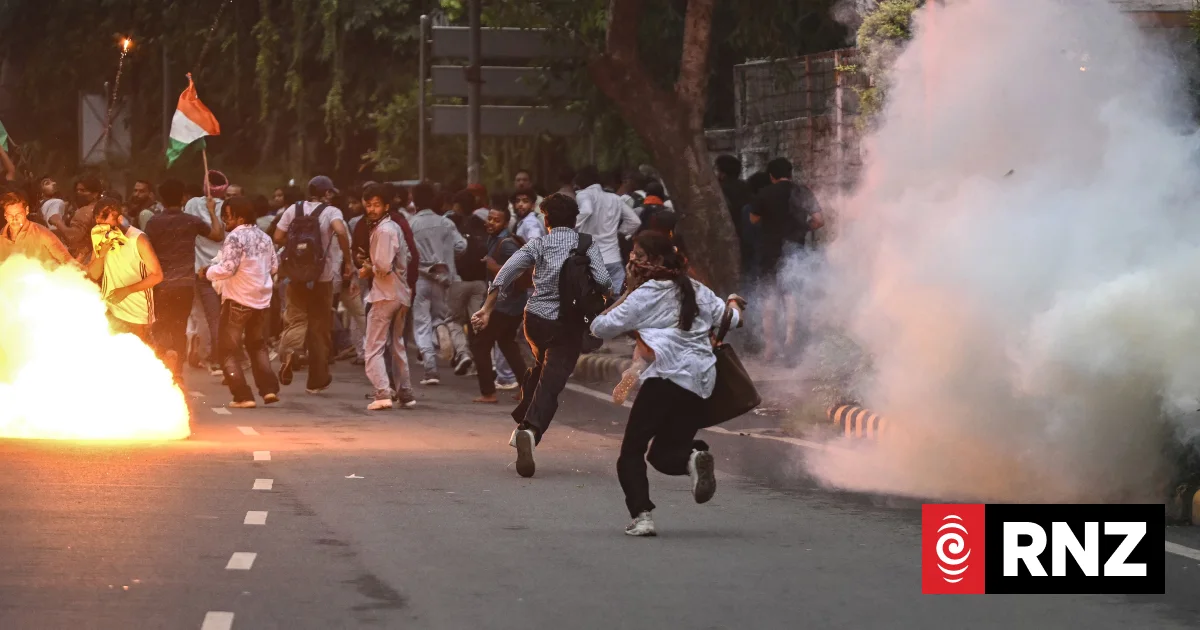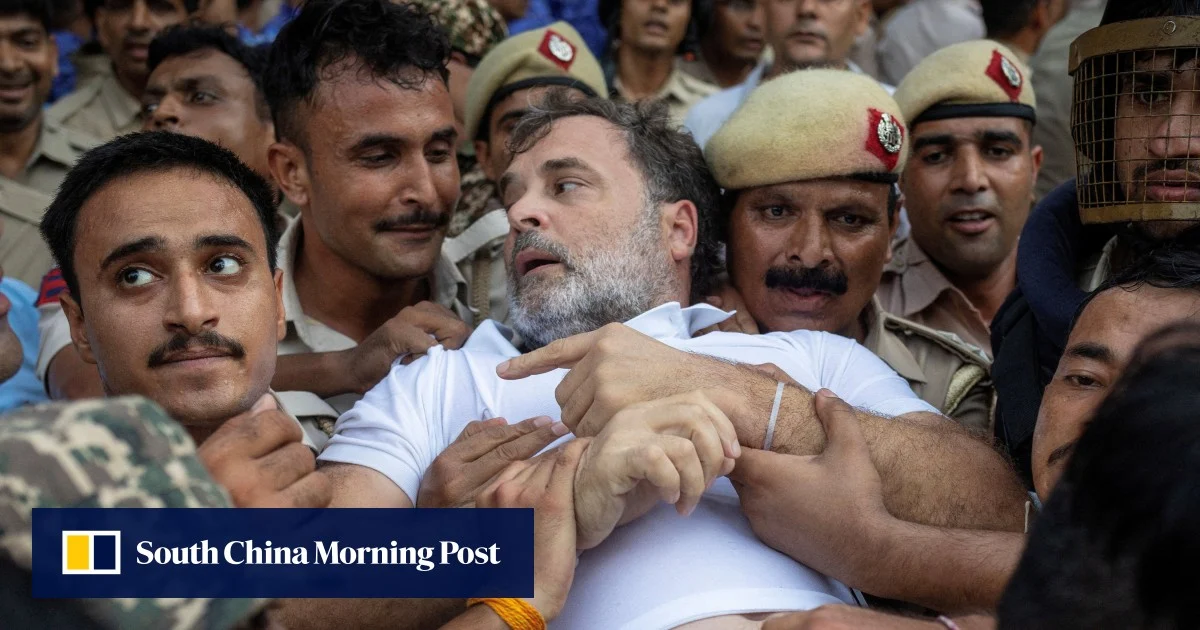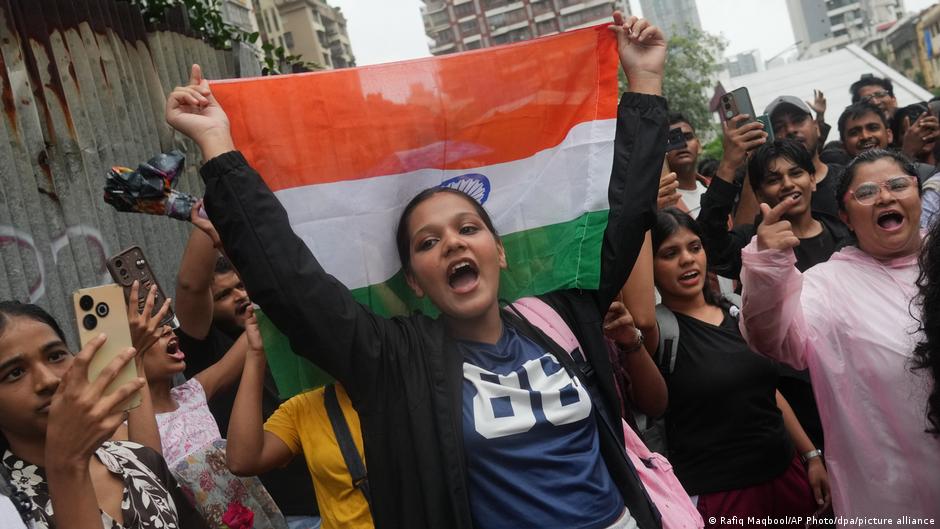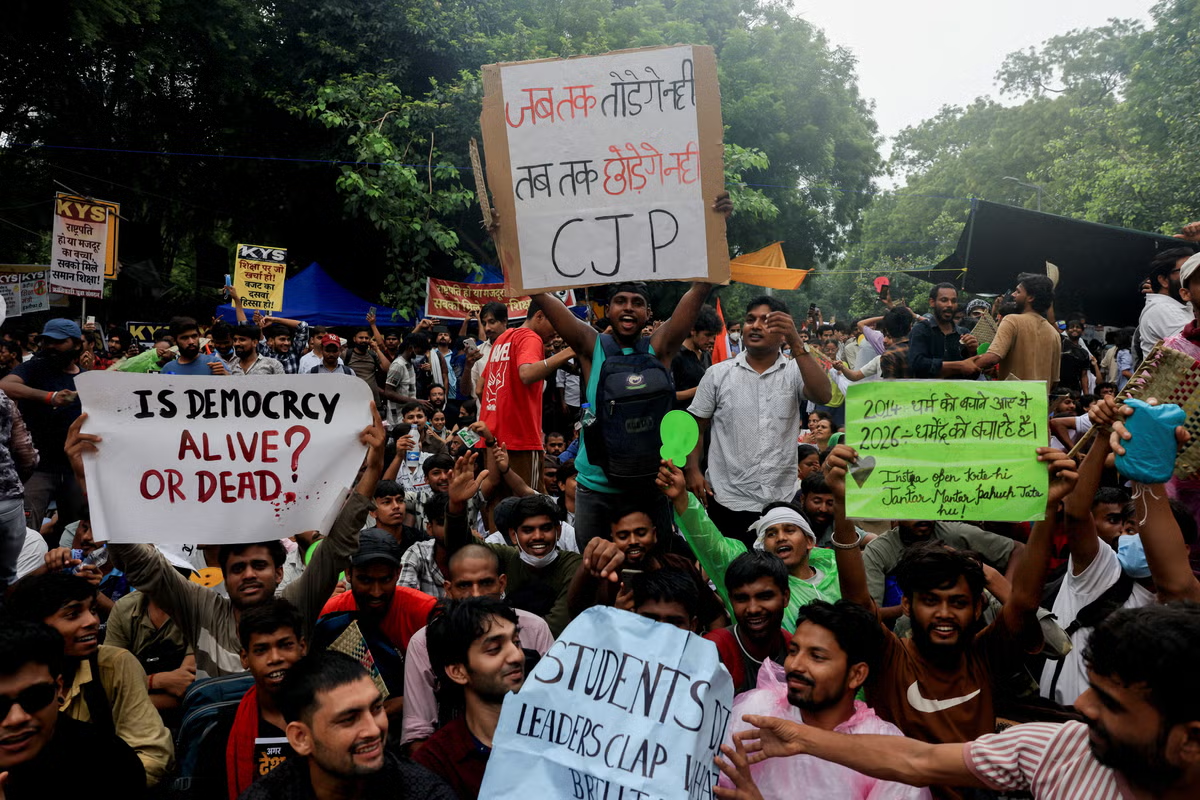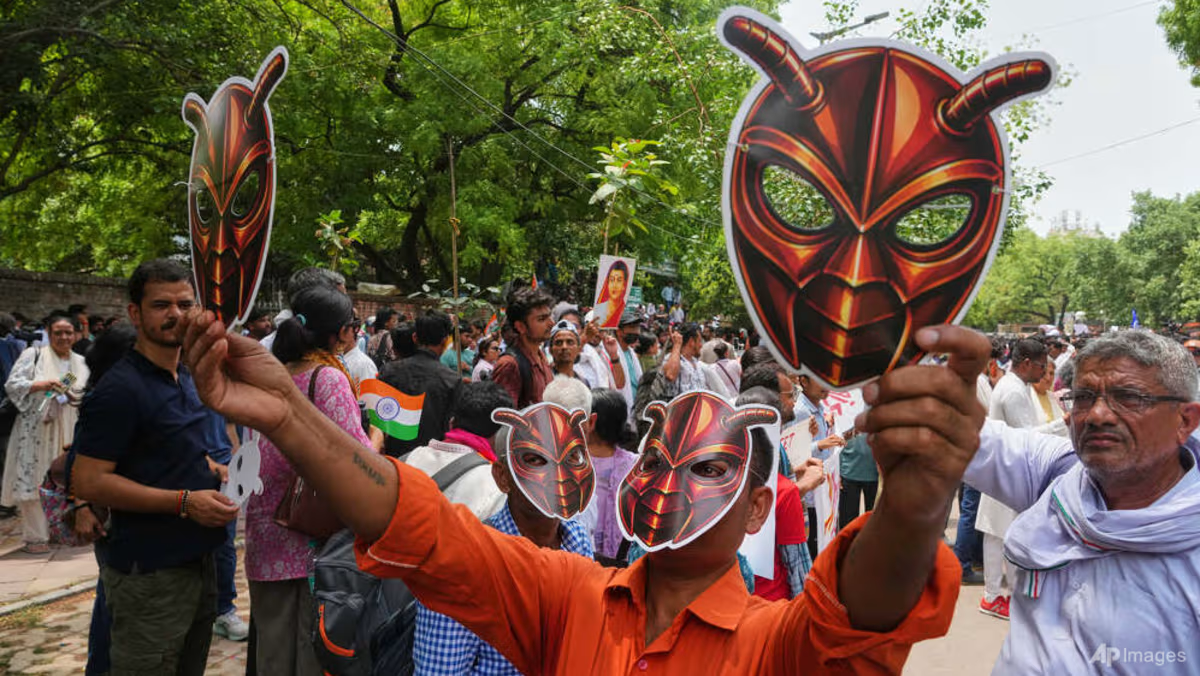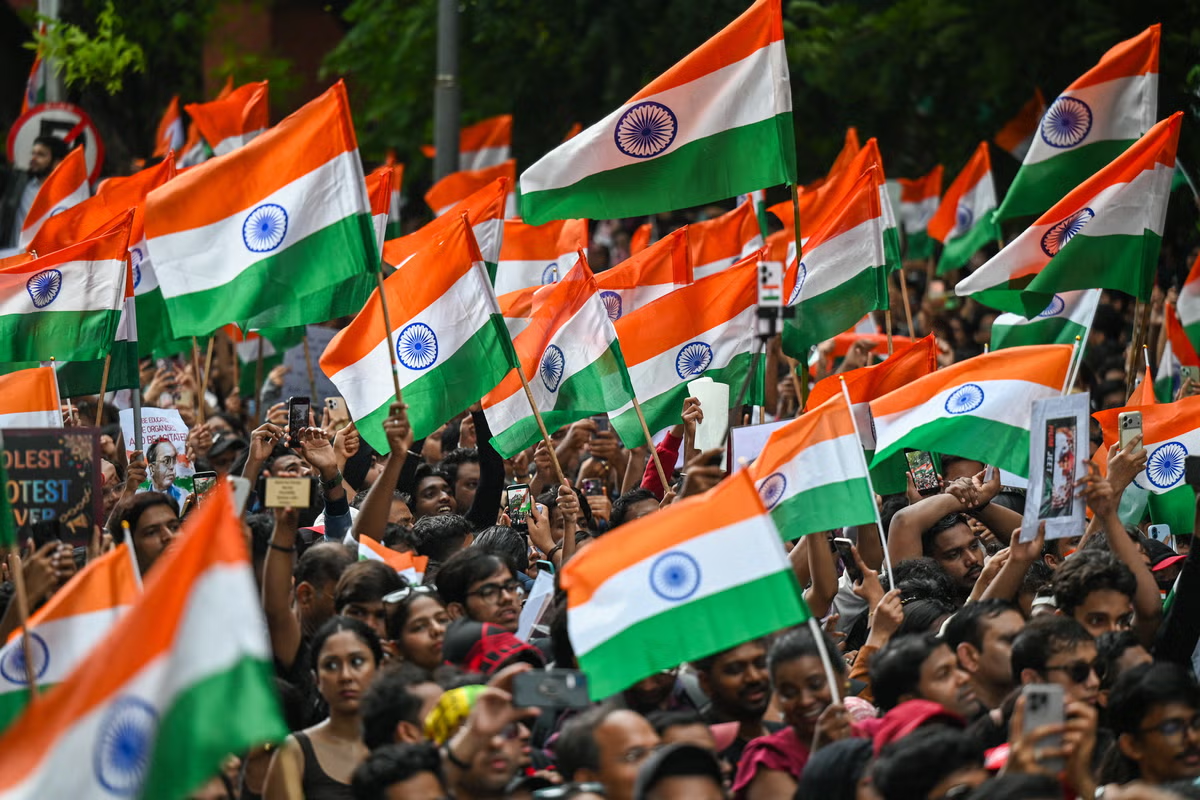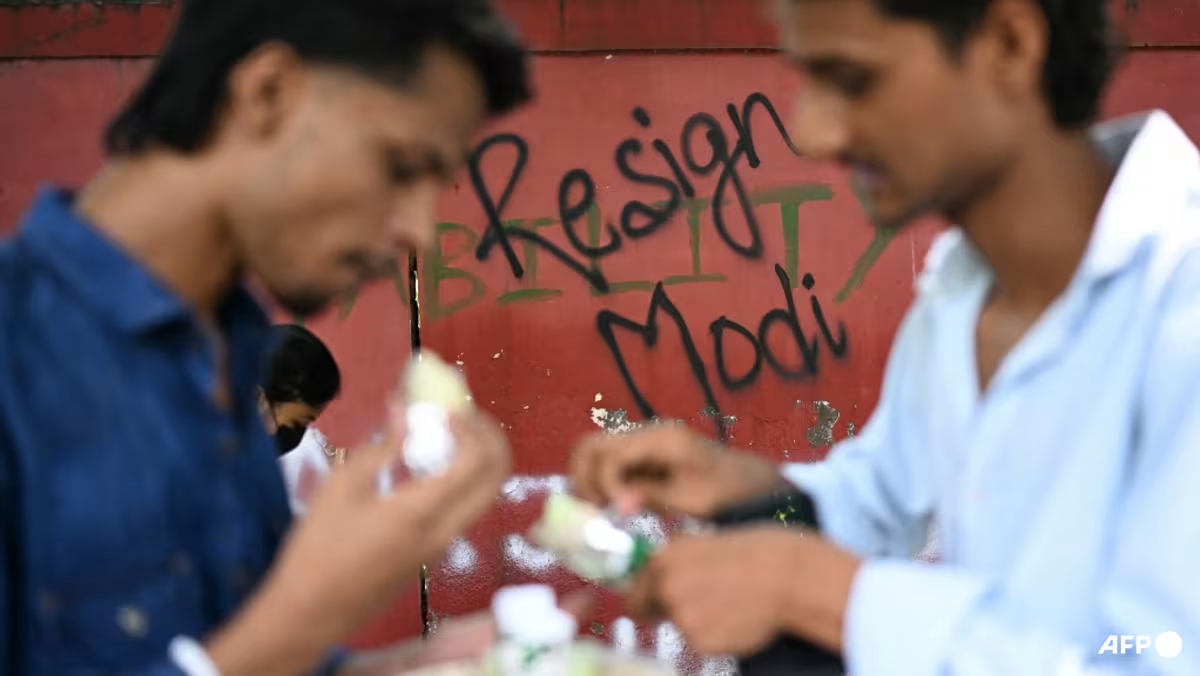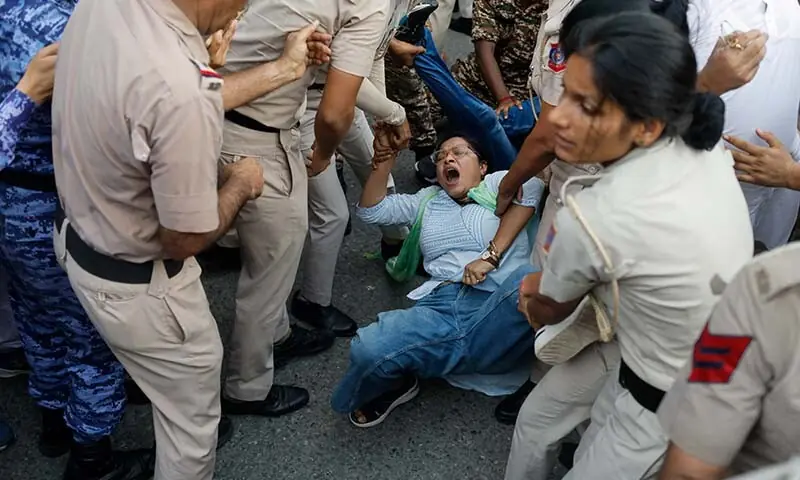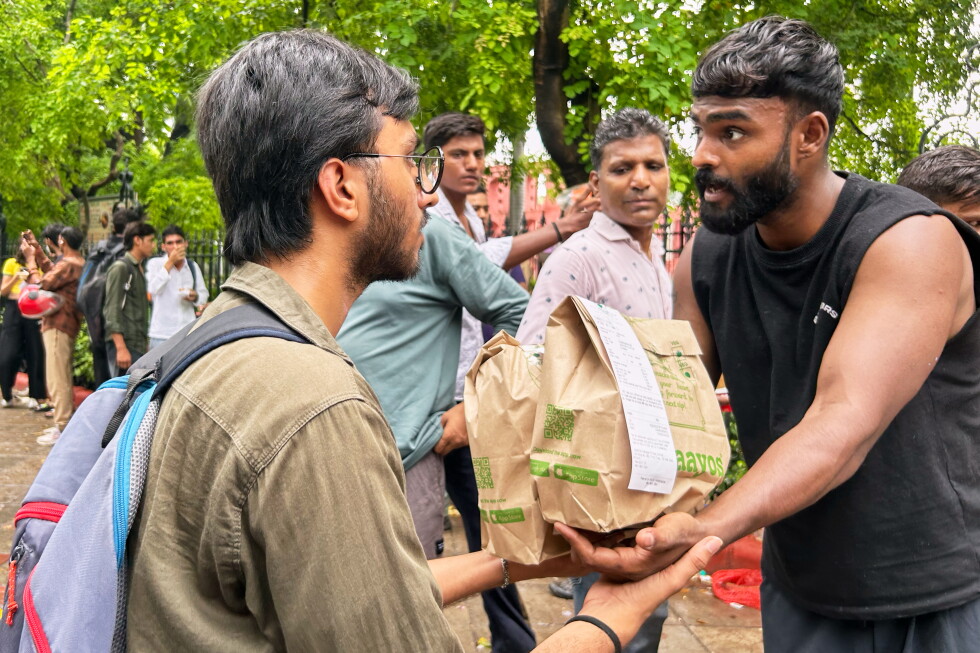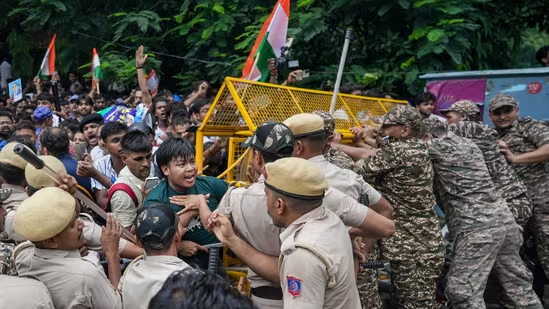
Every popular protest reaches a juncture when governments can no longer ignore it. The agitation led by the Cockroach Janata Party crossed that threshold this week. Until now, it was largely dismissed as another social media phenomenon that had online traction but was incapable of mobilising people on the streets. Comparisons with the 2011 anti-corruption movement led by Anna Hazare were frequent and often unflattering. Those assessments no longer appear adequate.Images of detention, lathi-charge or unnecessary confrontation often generate the sympathy that struggling movements initially lack. (PTI/File)Social movements, much like elections, often hinge on tipping points. The CJP is now past that point, something every political movement desperately seeks. No wonder then, all kinds of political actors have started paying attention to it, and the government has been forced to recalculate the risk matrix.The temptation today would be to either exaggerate the similarity of this agitation with the anti-corruption movement of 2011 or dismiss it altogether. Both would be mistakes. The 2011 agitation eventually transformed Indian politics, gave birth to the Aam Aadmi Party (AAP), permanently damaged the legitimacy of the UPA-II government, and created conditions for the single-party majority of the BJP under Narendra Modi in 2014.The political contexts are fundamentally different. By 2011, the UPA government was confronting its first major nationwide protest after nearly seven years in office. The corruption scandals had already weakened its moral authority, and the government appeared hesitant and internally divided. The Modi government, by contrast, has governed India for over a decade and has weathered repeated waves of mobilisation, from award wapsi to the JNU protests, from the anti-Citizenship Amendment Act movement to the farmers’ agitation, among others. Civil-society protests have become part of the normal political landscape under the BJP. Unlike the UPA, this government possesses a formidable parliamentary majority, a robust organisation, and a very sophisticated political communication machinery.It, therefore, seemed to have little reason to engage before the CJP’s Sansad Chalo march. The BJP’s greatest success since 2014 has been its ability to convert almost every political confrontation into an ideological contest. Whether on nationalism, special status for Jammu and Kashmir, questions of citizenship, or farm reforms, it has almost always possessed a coherent counter narrative. This time, it is different. The protest asks a simple question: Can the State conduct an examination honestly? Administrative failure is much harder to politically reframe than ideological disagreement.Also Read: Lathi charge, internet cut: How CJP's 'Chalo Sansad' March brought Delhi to a standstillWhy paper leaks spark ire?Repeated examination paper leaks strike at one of the most fundamental promises any modern State makes to its citizens: Fair rewards for efforts made. For millions of young Indians, competitive examinations are not merely recruitment exercises; they represent the principal mechanism of social mobility. Families invest years of savings preparing children for these examinations. Entire local economies in many districts now revolve around the so-called coaching hubs. Every leaked examination, therefore, strikes at far more than one recruitment cycle; it weakens faith in the fairness of the State itself.Governments find such protests much harder to confront because there is no obvious ideological counter-narrative. One can’t simply invoke nationalism or accuse every dissatisfied student of serving foreign interests when the grievance concerns administrative failure. The usual political vocabulary becomes ineffective. More importantly, governments are generally better equipped to deal with identifiable opponents than of diffused public discontent that acquires a life of its own.This partly explains why the sociology of the CJP protest deserves closer attention. Unlike many previous mobilisations against the BJP, this movement draws hugely from groups that have constituted an important part of the party’s electoral coalition. A large number of these young, aspirational Indians and their parents on the protest site may even have voted for the BJP in the recent past. They are protesting because the systems through which they hoped to advance appear increasingly unreliable.Political scientists have long distinguished between popularity and legitimacy. Popularity concerns whether citizens approve of a government and legitimacy concerns whether they continue believing that the government deserves to govern. Popularity fluctuates constantly, but legitimacy usually moves very slowly. The UPA-II government buckled under because the anti-corruption movement crystallised a broader public perception that the government had lost moral authority. The protest became a vehicle through which a broader band of existing frustrations found expression.This is not to suggest that the CJP protest may have a similar outcome. Indian democracy possesses greater absorptive capacity than Bangladesh, Nepal, or Sri Lanka, where youth-led mobilisations recently triggered dramatic political upheavals. Yet, past events such as the Arab Spring of 2011 also reminds us that protest movements often travel across borders.Also Read: CJP now has a fourth demand, says spokesperson Ashutosh Ranka. Here's what it isPolitical legitimacy sustains powerGovernments rarely realise they are losing legitimacy because electoral popularity often masks it. This is where the present moment becomes politically significant. The CJP protest over examination leaks arrives amidst allegations surrounding corruption at the Ram Temple, persistent questions regarding governance in some BJP-ruled states, and concerns about slowing economic growth. The government’s narrative of India as a rising power has also encountered headwinds from an increasingly difficult international environment.The BJP, therefore, should resist the temptation to view this merely as another Opposition-sponsored agitation. Over-policing protests has historically produced unintended political consequences. Images of detention, lathi-charge or unnecessary confrontation often generate precisely the sympathy that struggling movements initially lack. At this stage of the protest, even if complete agreement proves impossible, genuine engagement is the surest way to demonstrate political confidence.Electoral dominance wins political power, but it is political legitimacy that sustains power. The BJP under PM Modi has mastered the first. Whether it can renew the second may determine not only the fate of this protest, but the political trajectory of the government over the next three years.Rahul Verma is fellow, Centre for Policy Research (CPR), New Delhi. The views expressed are personal
The State can’t afford to ignore this student protest
Electoral dominance wins political power, but political legitimacy that sustains power. The BJP, therefore, shouldn't view the protest as Opposition-sponsored.
982 words~4 min read