Researchers at the Icahn School of Medicine at Mount Sinai have identified immune system changes that can be detected up to 10 years before inflammatory bowel disease (IBD) develops, offering new insight into how the disease begins.
Published July 21 in Gut, the study is one of the most comprehensive investigations to date of the preclinical phase of IBD. Using antibody profiling technology, researchers analyzed nearly 2,000 blood samples collected over about a decade from people who later developed Crohn's disease or ulcerative colitis.
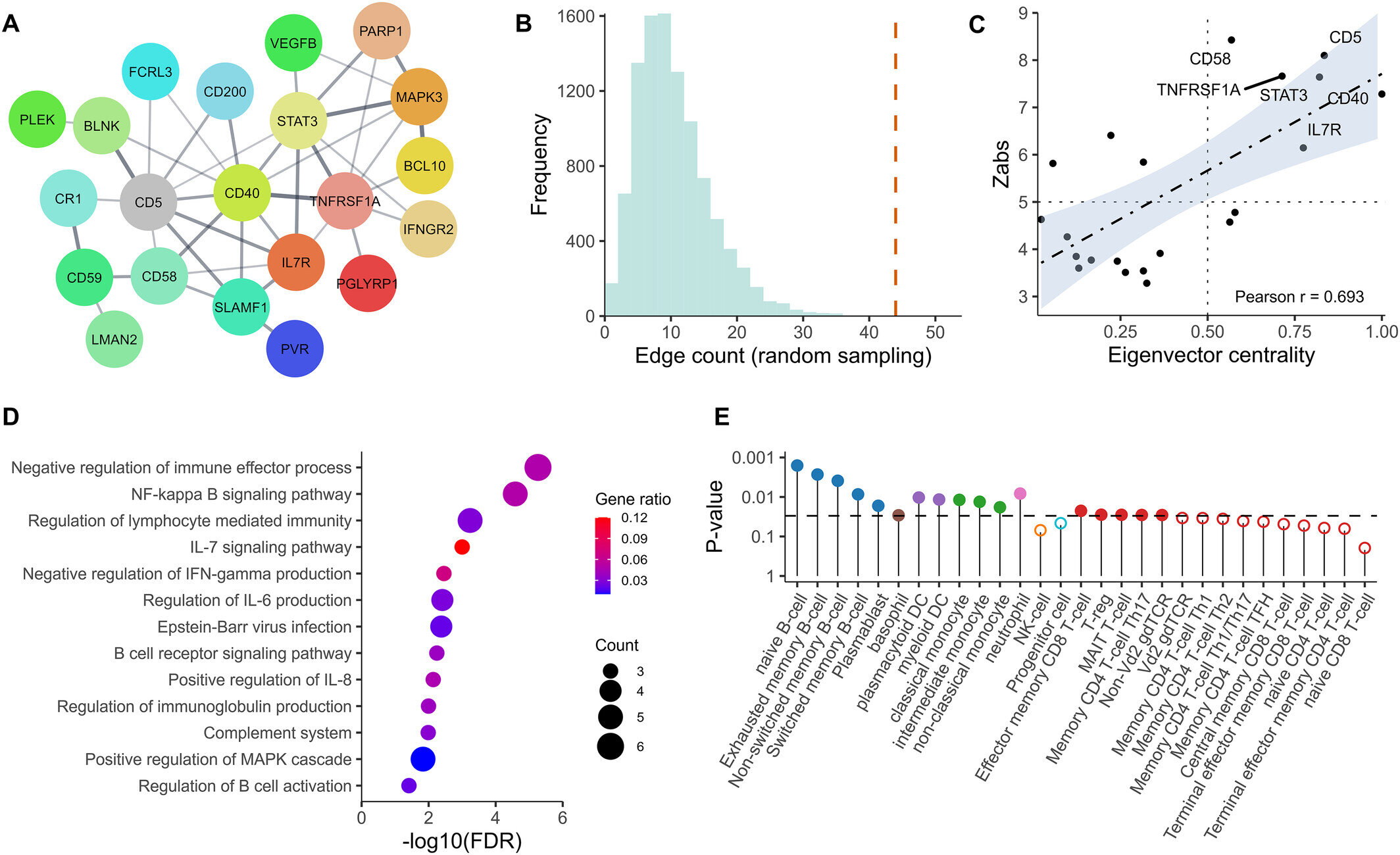
They identified unique antibody signatures against viruses and bacteria—particularly Epstein-Barr virus and bacterial flagellins—that were present years before diagnosis, suggesting that abnormal immune activity begins long before the disease becomes clinically apparent.
Tracking immune changes over time
"IBD does not develop overnight," said Saurabh Mehandru, M.D., corresponding author of the study and professor of medicine (gastroenterology) at the Icahn School of Medicine at Mount Sinai. "Our findings show that the immune system is already changing years before patients experience their first symptoms. By understanding these early immune changes, we hope to uncover the biological events that trigger disease and ultimately develop strategies to identify, and one day prevent, IBD before it starts."