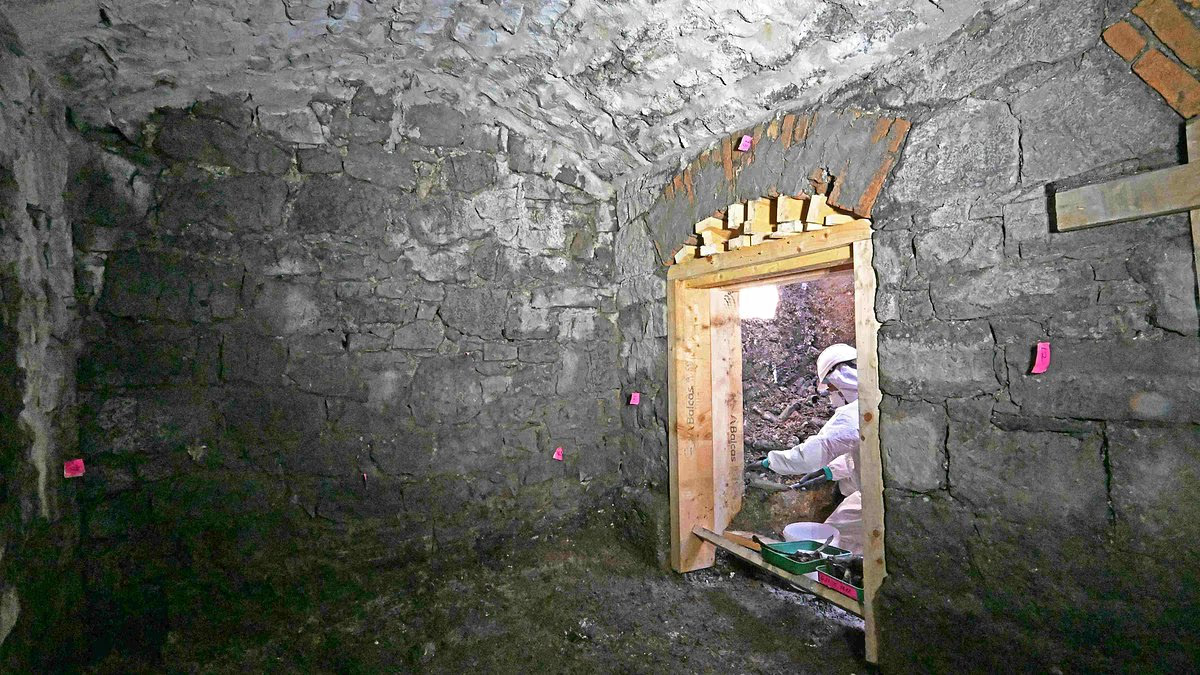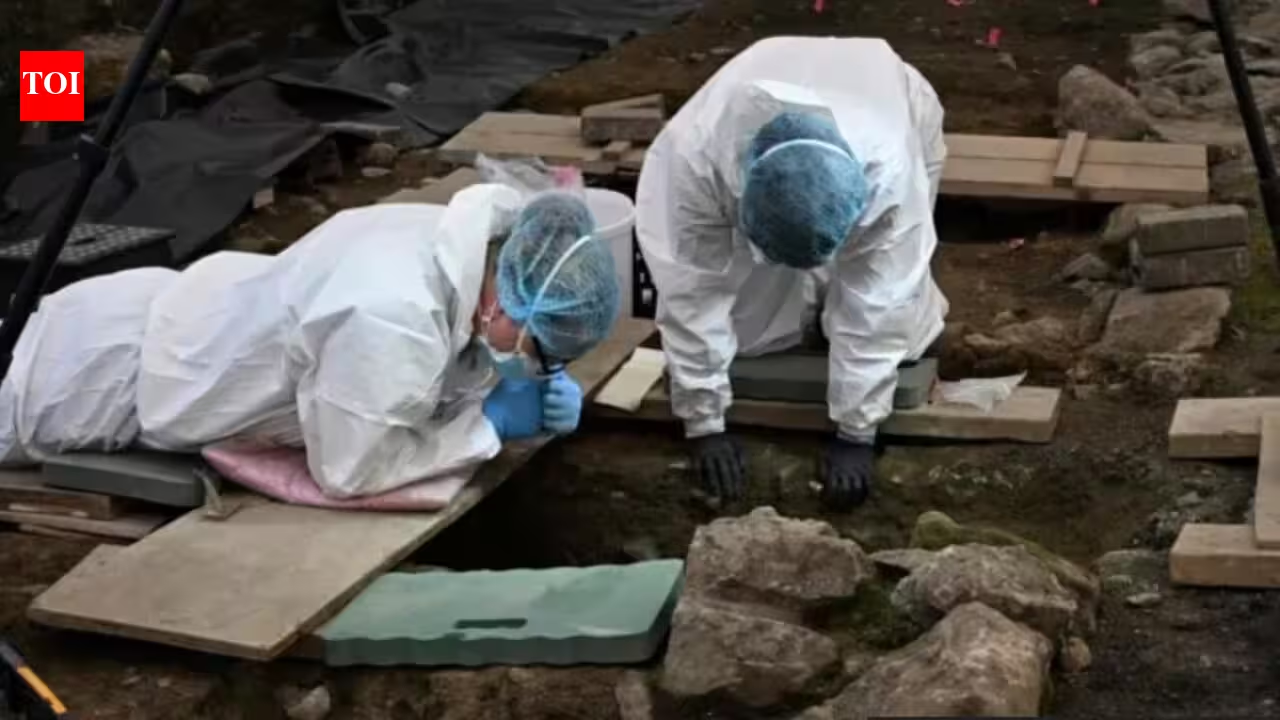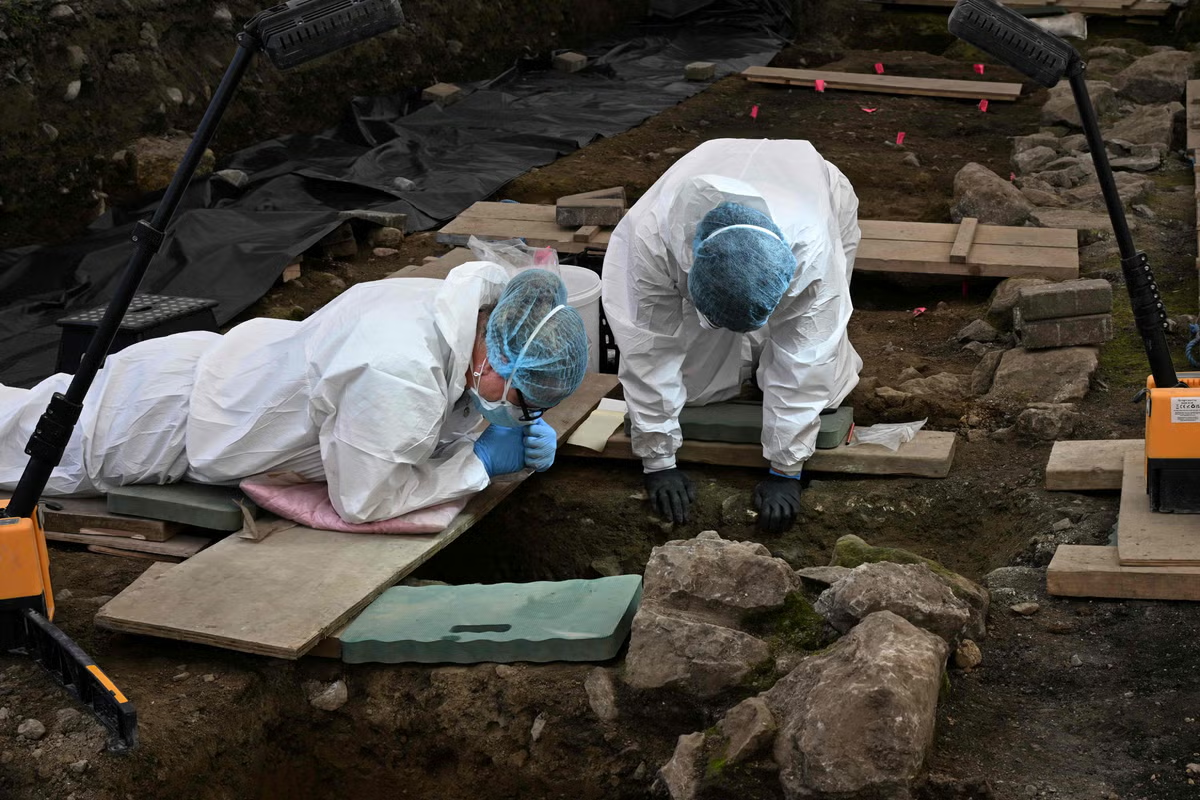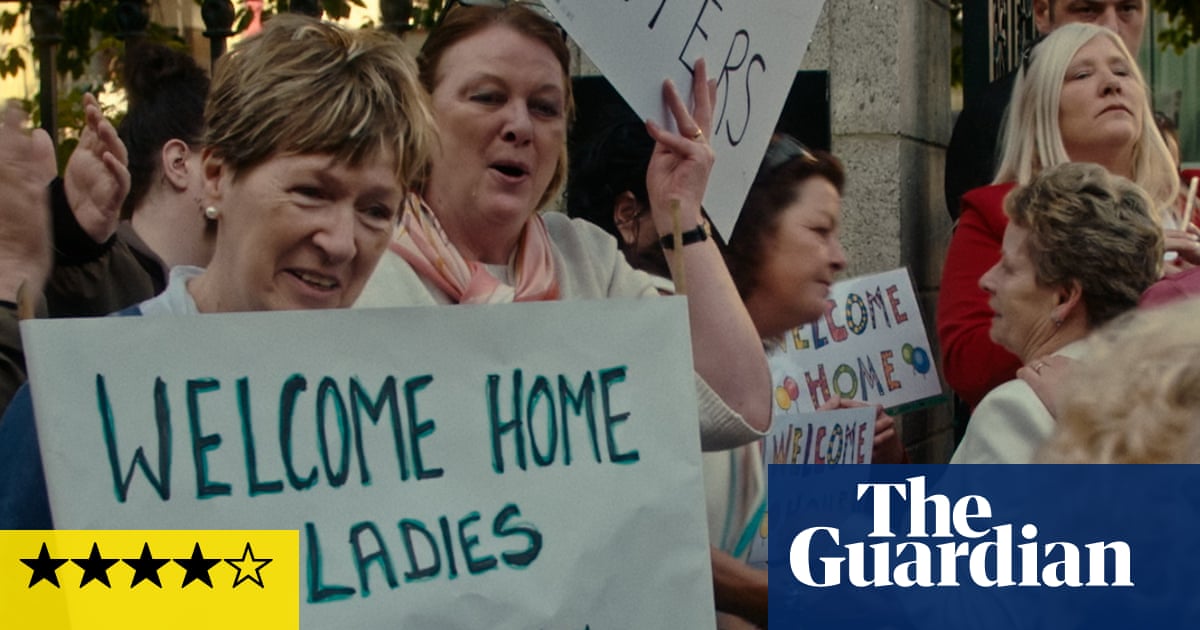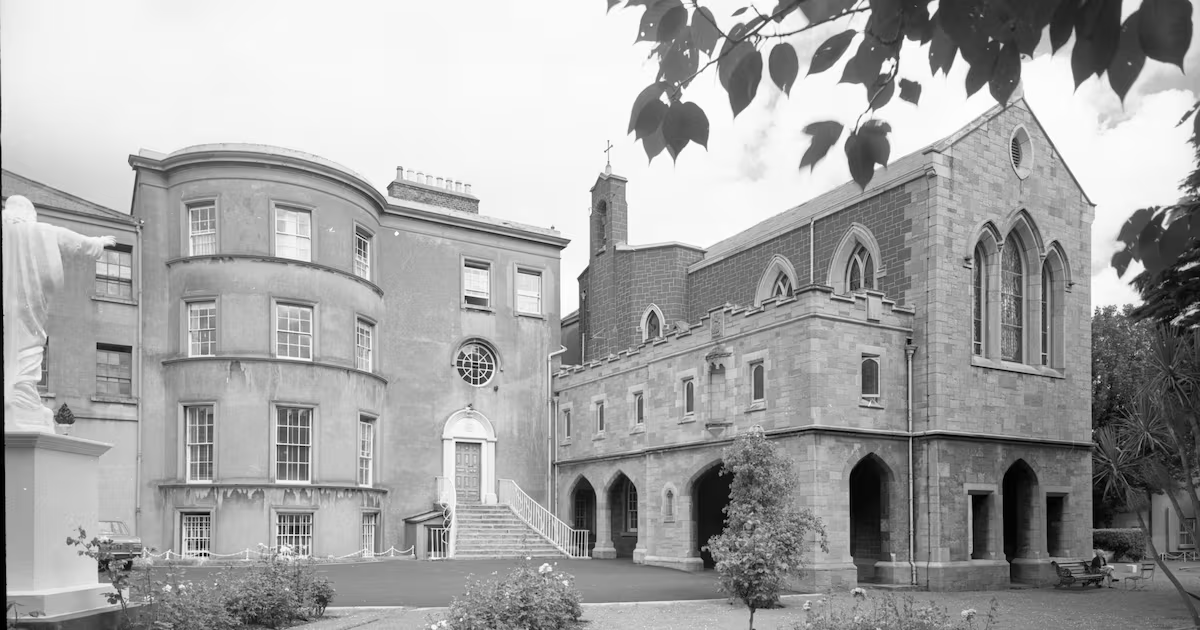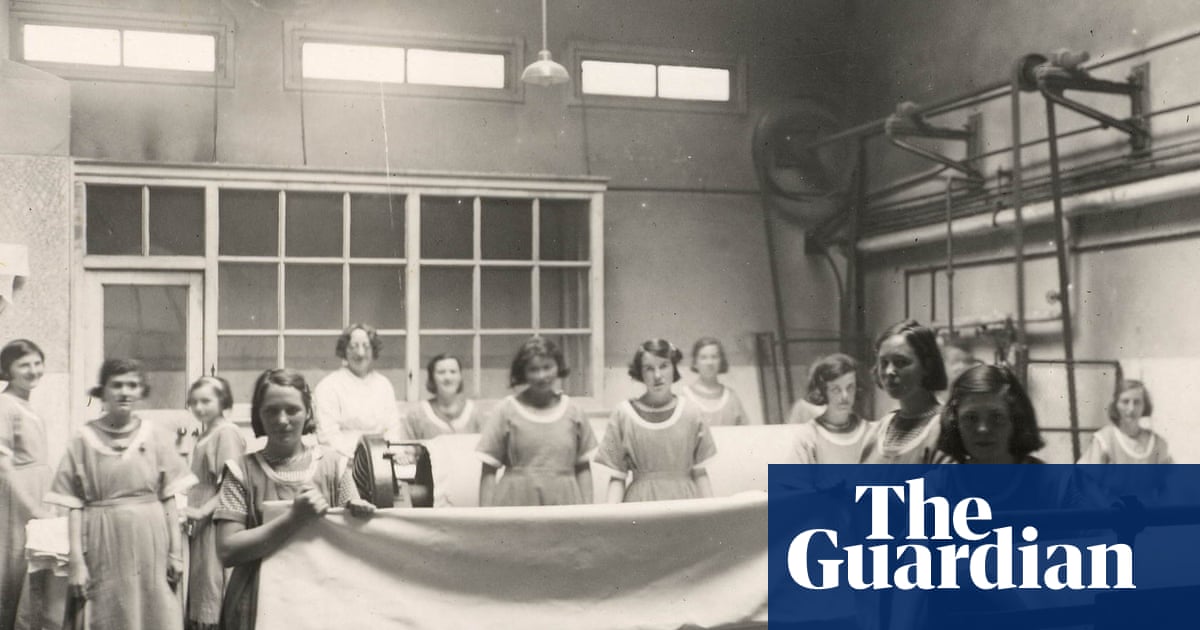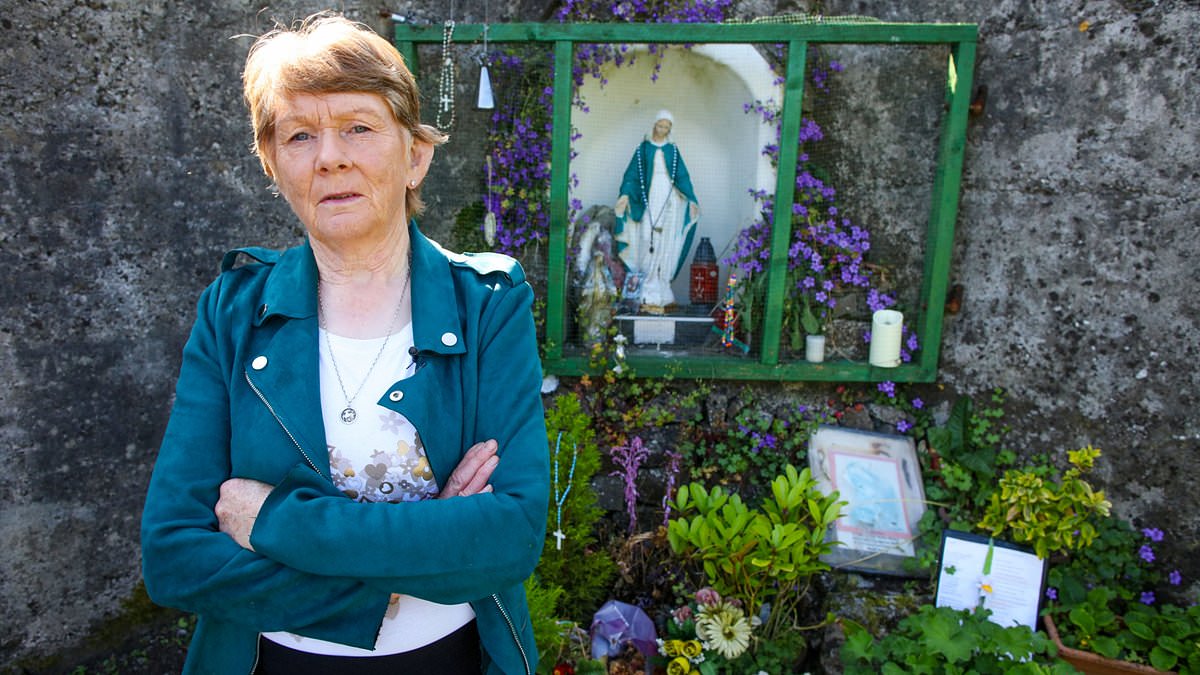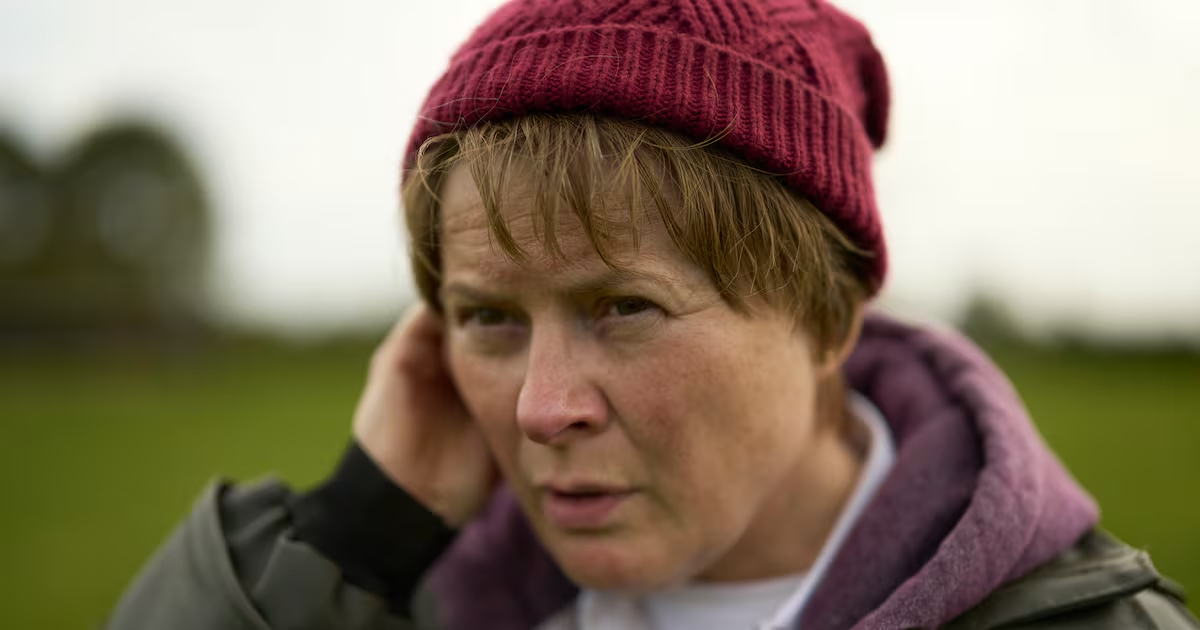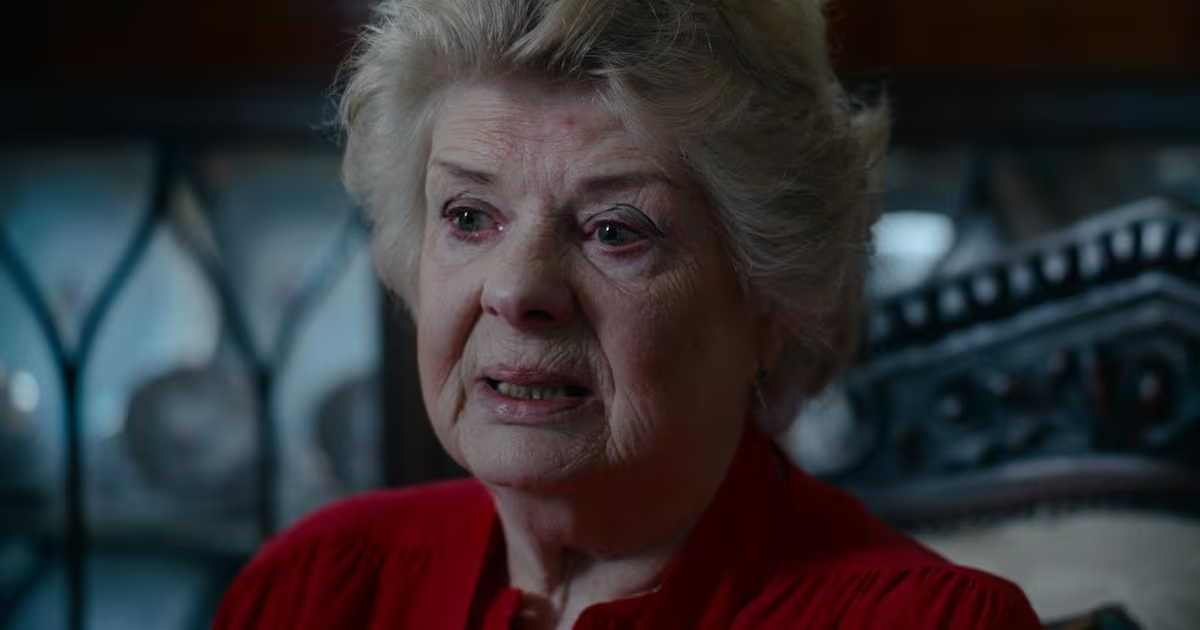
When the Magdalene laundries documentary Testimony (RTÉ One, Wednesday, 9.35pm) was released internationally last year, the response from critics and audiences was one of shock and anger. How could the religious orders, the Irish State, and society in general have conspired to lock away all those women – inflict such horrors on thousands of mothers and babies – and with such casual cruelty? But Irish viewers will feel no such surprise. We all know why the nuns were able to get away with it for so long – and why the State has been so slow to acknowledge its culpability or to hold the clerical-industrial complex meaningfully to account.The reason, of course, is that for decades this was a country that ran on secrecy – where not speaking up, looking the other way, ignoring the evidence of your own eyes – was folded into the texture of daily life. We didn’t want to know, and so we did not know what was happening to those women (and the many young men imprisoned in the industrial school system), until the floodgates gave way and there was no more denying.Aoife Kelleher’s film hums with a taut, sustained rage as it chronicles the years of thankless, thwarted work by campaigners determined to expose the wickedness of the laundries and mother and baby homes. But if the tone is restrained, the film nonetheless leaves the Irish viewer in little doubt as to the anger they should feel about the administrative stonewalling, the halfhearted and offensively condescending response of the government, the cruel detachment of the religious orders when confronted with their crimes.[ Testimony: Aoife Kelleher persuasively makes case for further airing of Magdalene injusticesOpens in new window ]The story is told from the perspective of campaigners such as Claire McGettrick and Maeve O’Rourke, who had to fight not only the orders’ reluctance to take responsibility but also the Irish State’s foot-dragging and its determination to fill the moral void with red tape and prevarication. However, it is the recollections of the women imprisoned in these institutions that resonate most strongly. Philomena Lee, whose story was told in the 2013 film Philomena (where she was played by Judi Dench), recalls how her identity was stripped away at the Seán Ross Abbey mother and baby home in Roscrea, Co Tipperary. “You’re not going to be Philomena Lee any more. Your name is going to be Marcella. You couldn’t use your own name.”Equally upsetting is the testimony of Carmel Cantwell, whose mother, Bridget, has looked in vain for the burial place of her infant son, William, who had died at Bessborough House in Cork and whose body had been buried – tossed away and forgotten – in a Famine graveyard. “It was pitiful,” is how she remembers her mother searching for William’s resting place. “At 80 years old with brambles scratching her legs. Searching a field.”With so many of the victims of the laundries in their 70s and beyond, first-hand memories of these institutions will soon pass into history. It is important we hear their voices and reflect on what their experiences say about the ghoulish and vindictive cruelty that was a defining quality of Irish society for so many decades. This coolly restrained film does justice to their suffering – while asking the viewer to reflect on why Ireland did not do more back then, when so many knew what was happening but chose to look the other way.
Testimony on RTÉ One: Why didn’t Ireland do more to help victims of Magdalene laundries?
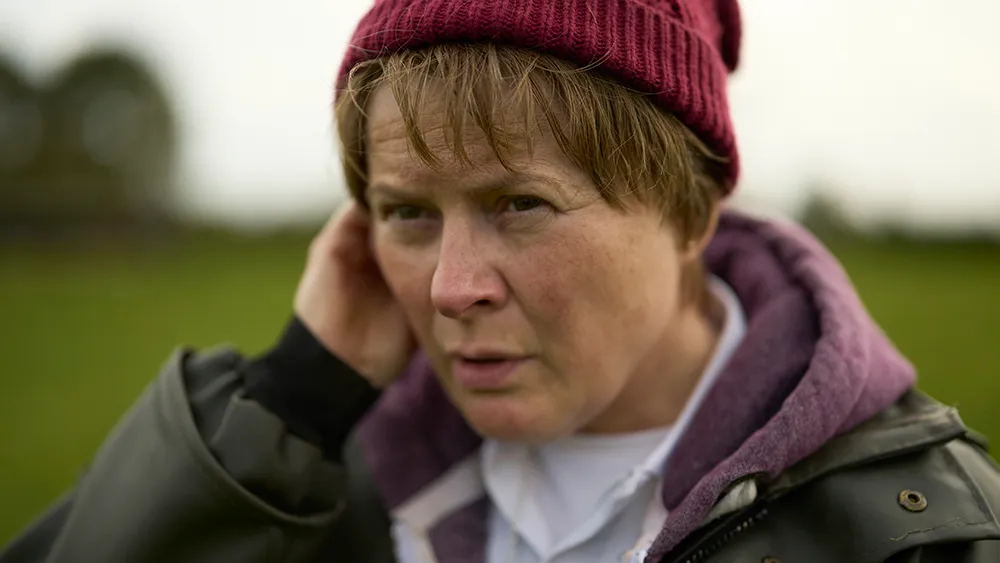
Television: Aoife Kellehert’s film hums with a taut, sustained rage as it chronicles the years of thankless, thwarted work by campaigners
573 words~3 min read