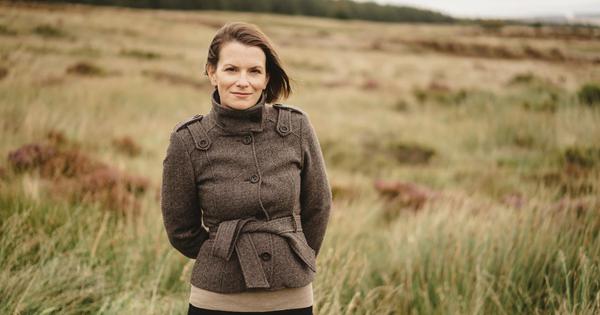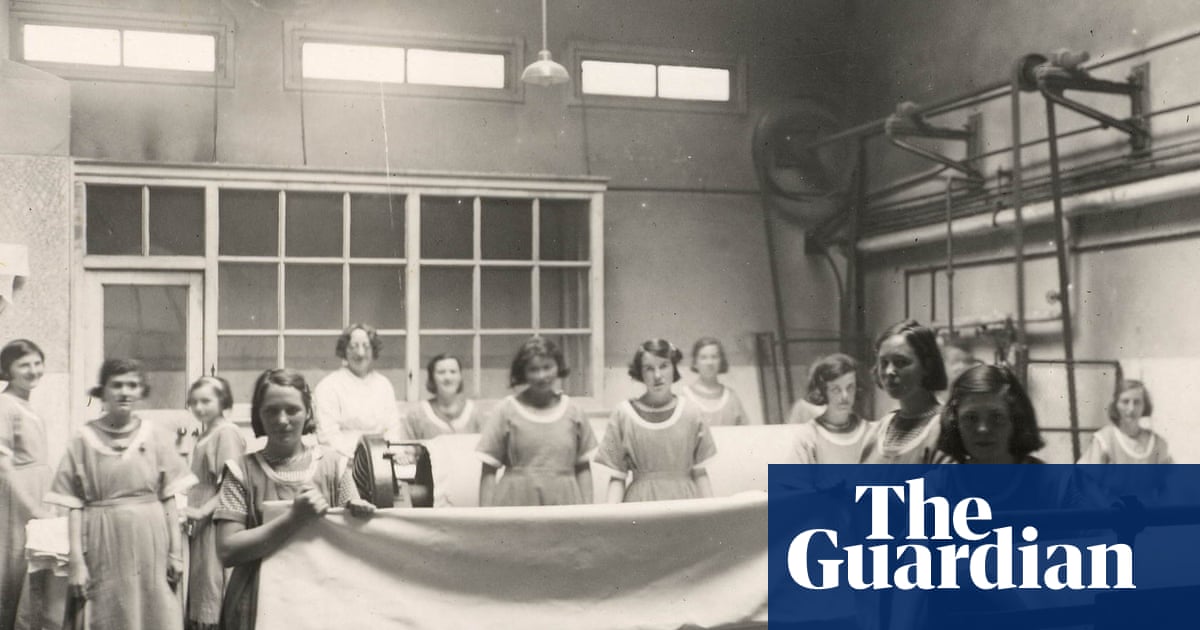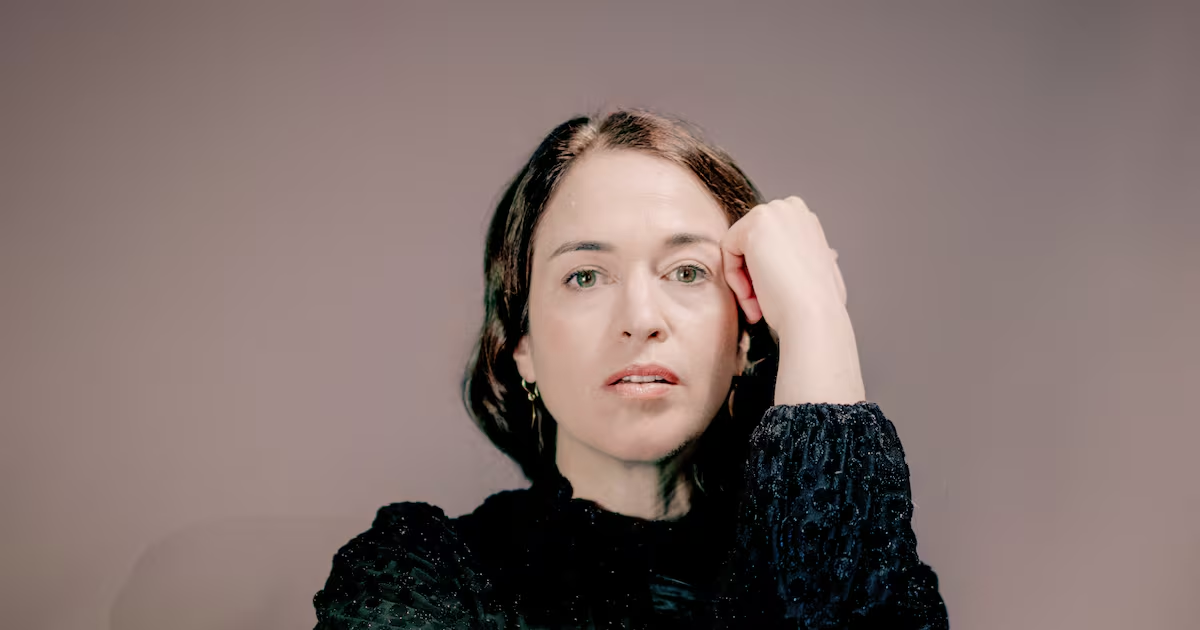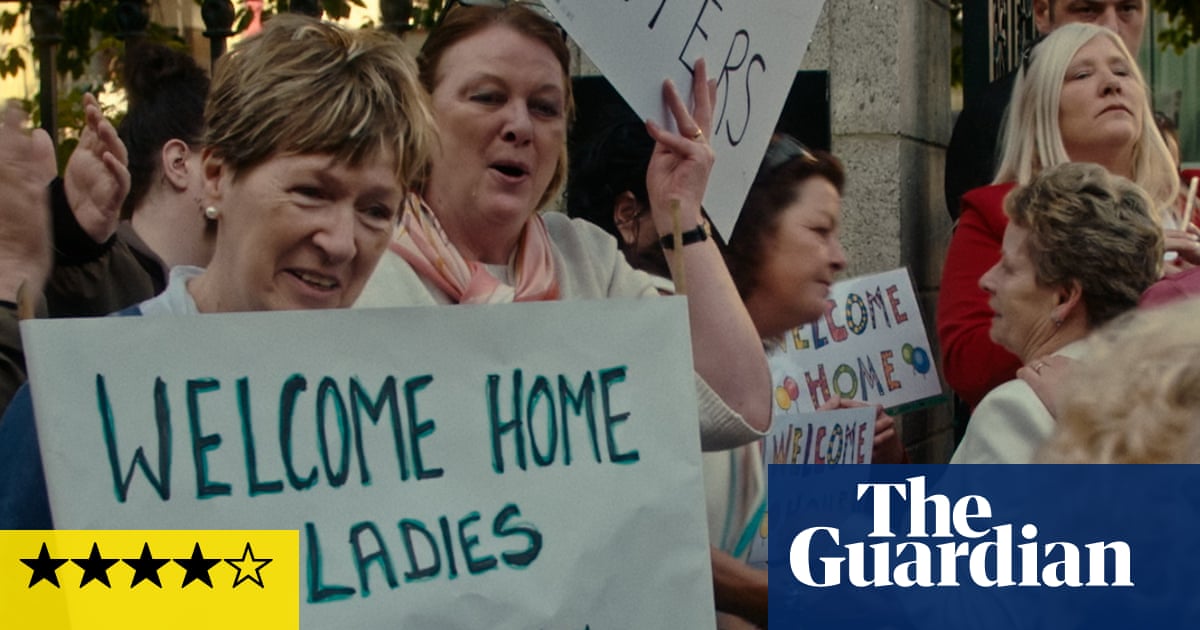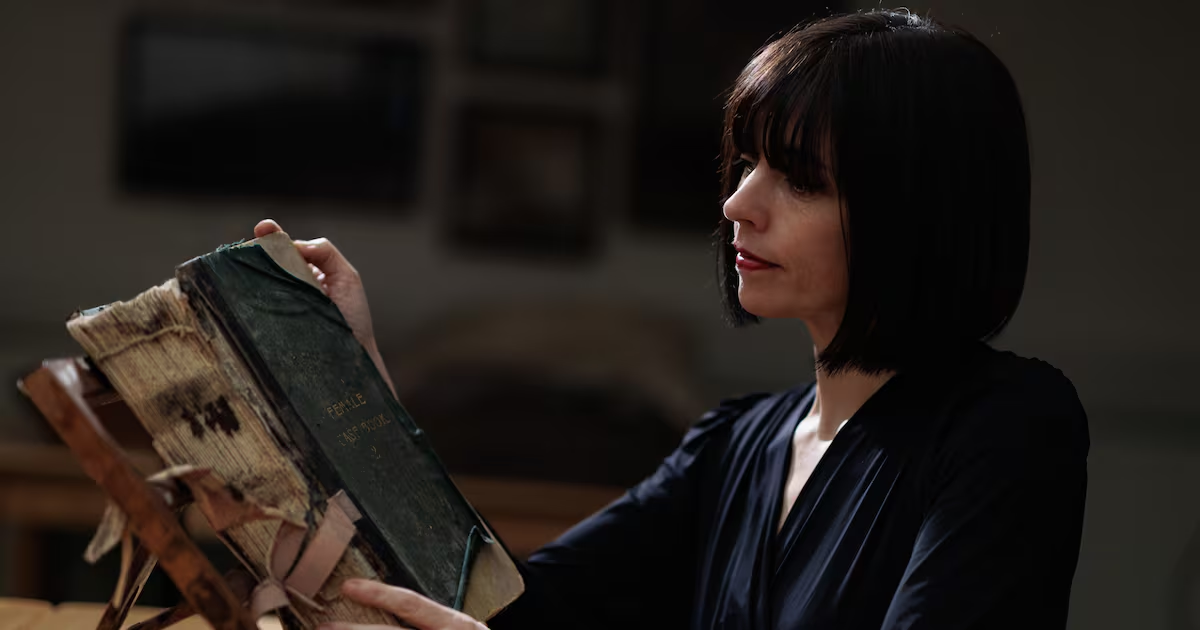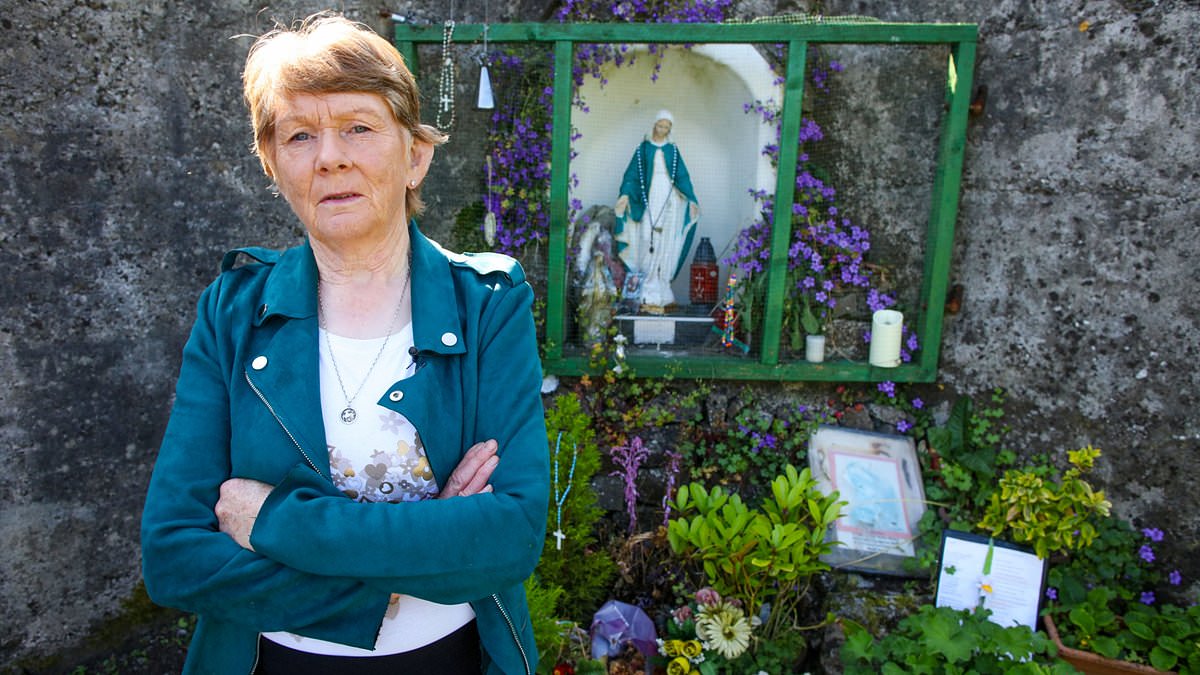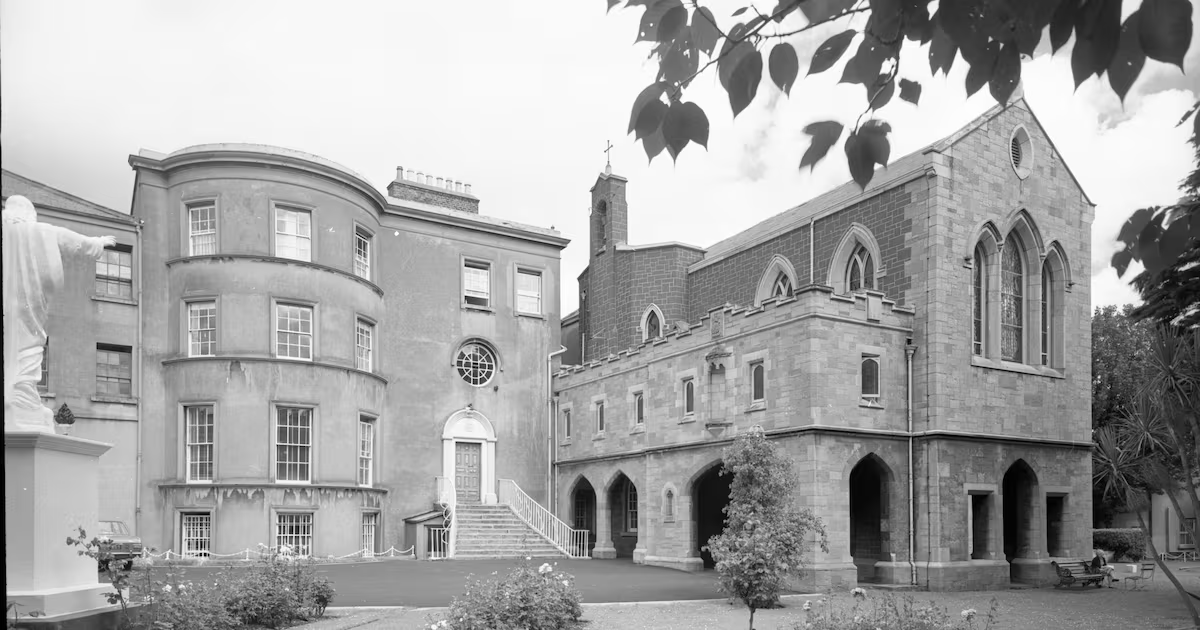
The common conflation of Ireland’s mother and baby homes with the Magdalene laundries inspired Louise Brangan to write her latest book The Fallen: The Lost Girls of Ireland’s Magdalene laundries and a Legacy of Silence. The academic and writer says collective memory often subsumes the laundries into the mother and baby homes, undermining the experiences of the women who suffered in these institutions. Speaking on the latest episode of The Irish Times Women’s Podcast, Brangan highlights that no babies were born in the laundries and women were placed in these institutions for a variety of reasons from the death of a mother to skipping school. “The Magdalene laundries are like prison, except in a prison you know when you’re getting out,” she tells podcast presenter Róisín Ingle. The writer describes the journey of these women into the laundries as one shrouded in silence and subterfuge. Women were often forced into the institutions against their will or lured under false pretences. Once inside their hair was cut, their names were changed and they began the gruelling work characteristic of the laundries. “The overwhelming sense of personal erasure, of self-degradation was so startling to me,” Brangan says. This erasure of self is palpable in the heartbreaking story of Brigid, one of the six women whose story is told in The Fallen. Brigid was brought to a laundry at 12, where she remained until she was 39. She was so institutionalised that she returned to the laundry after two years outside. “She had been there since she was 12 and she was going to die there. Maybe no one beat her. But my God, what is the cost of a life not lived?” The author speaks about the society that cast these women to the fringes, even after their time in the laundries. A society where “silence and decorum mattered over truth and compassion”. “The greatest thing we can do now is not to forget them,” she adds. You can listen back to their conversation in the player above or search The Women’s Podcast wherever you get your podcasts.
Louise Brangan: ‘The Magdalene laundries are like prison, except in a prison you know when you’re getting out’
The Women’s Podcast with Róisín Ingle
346 words~2 min read