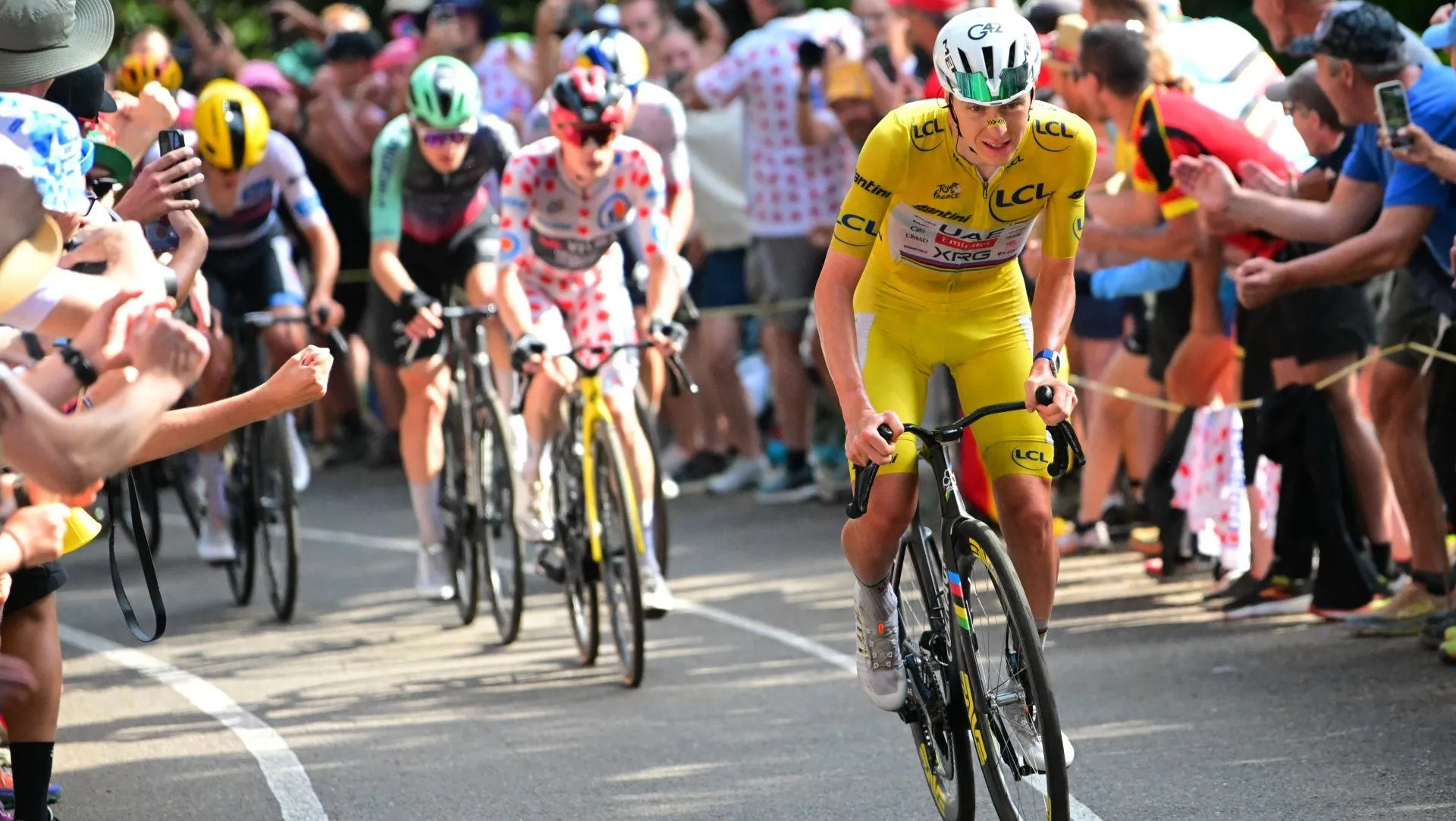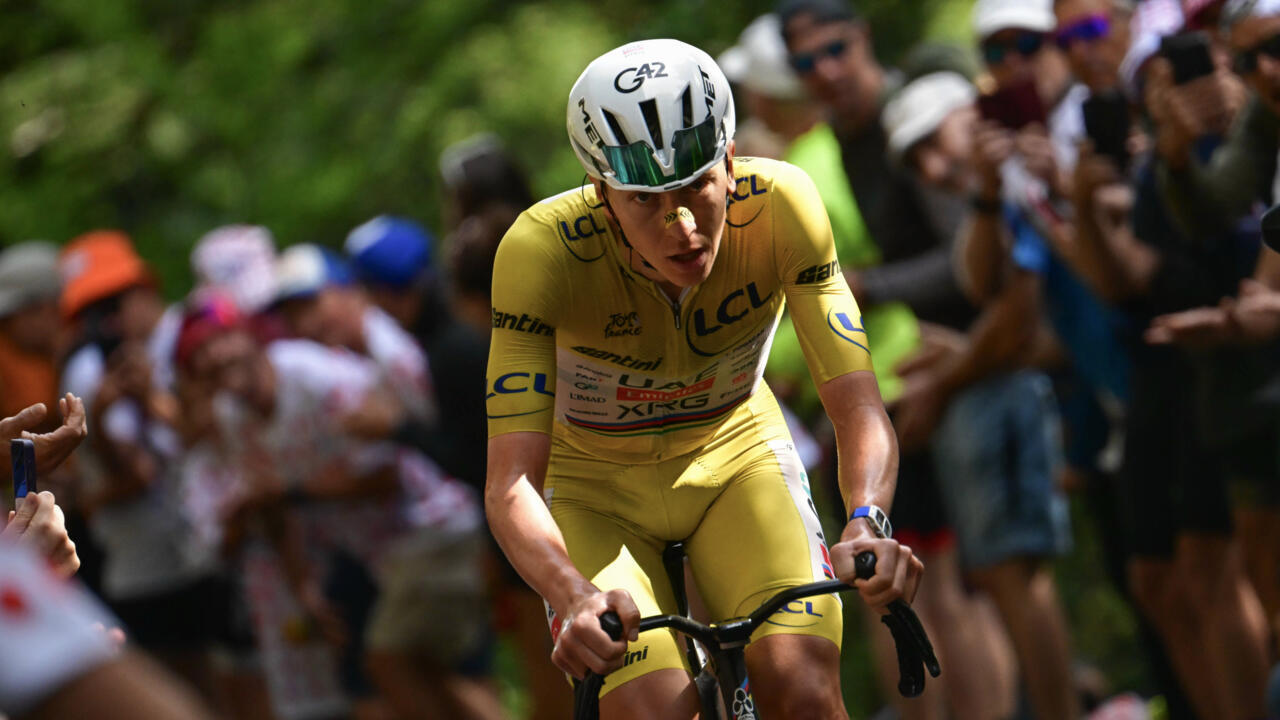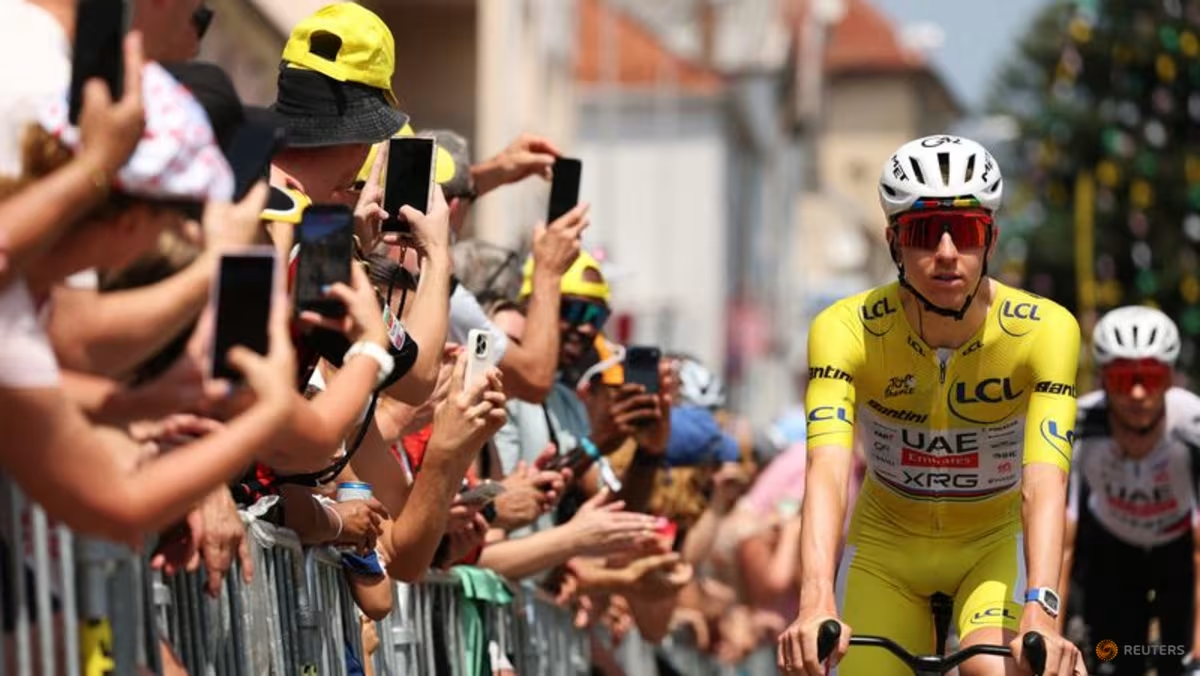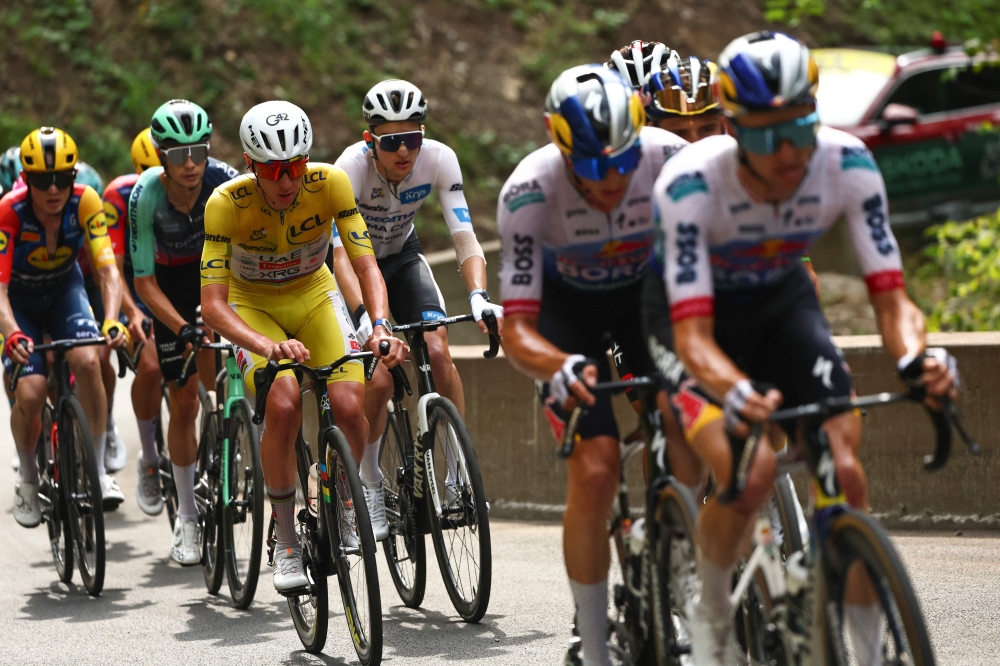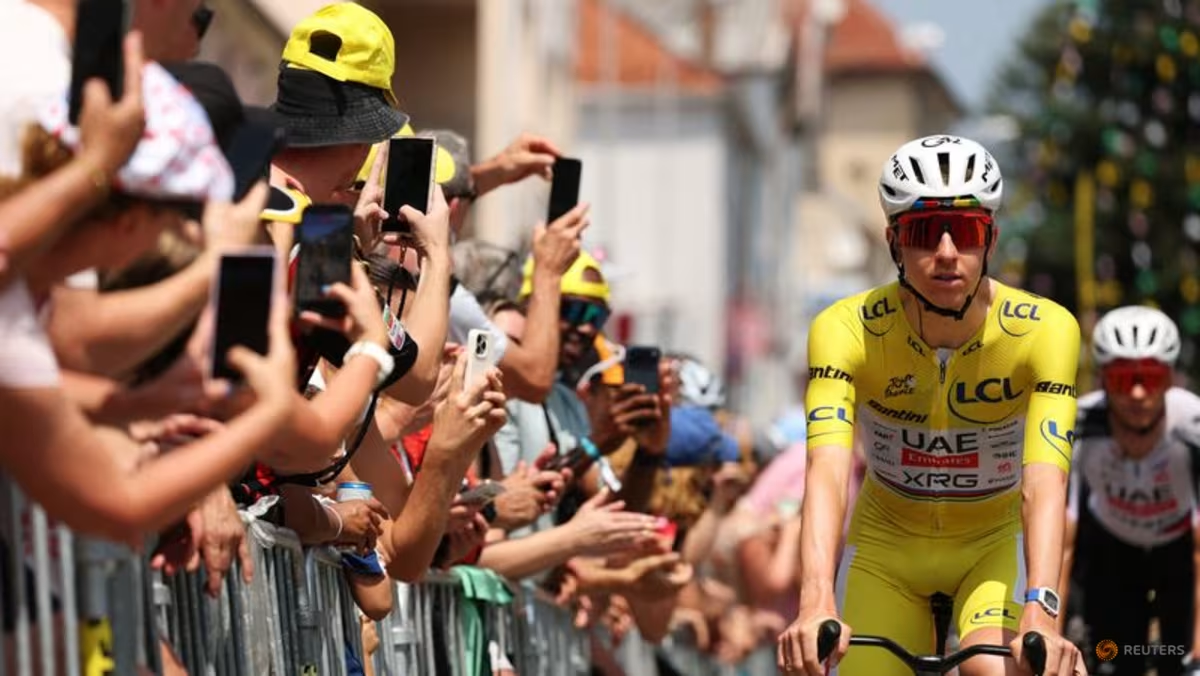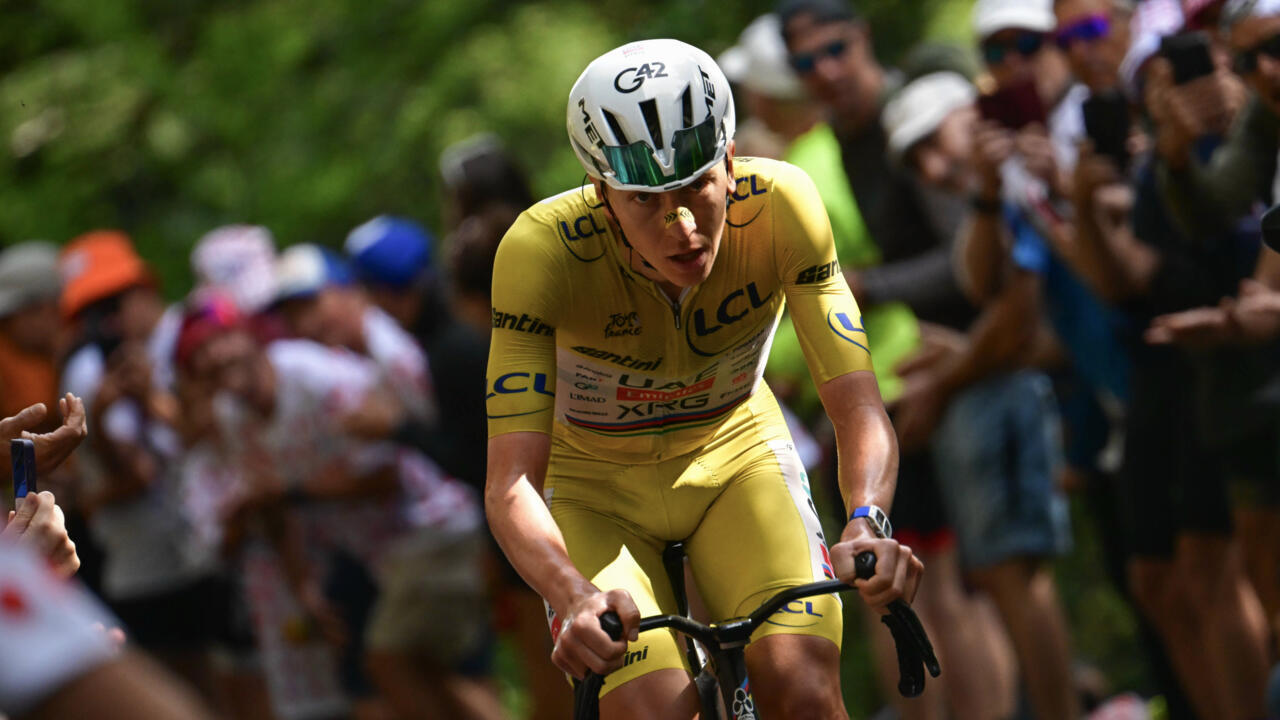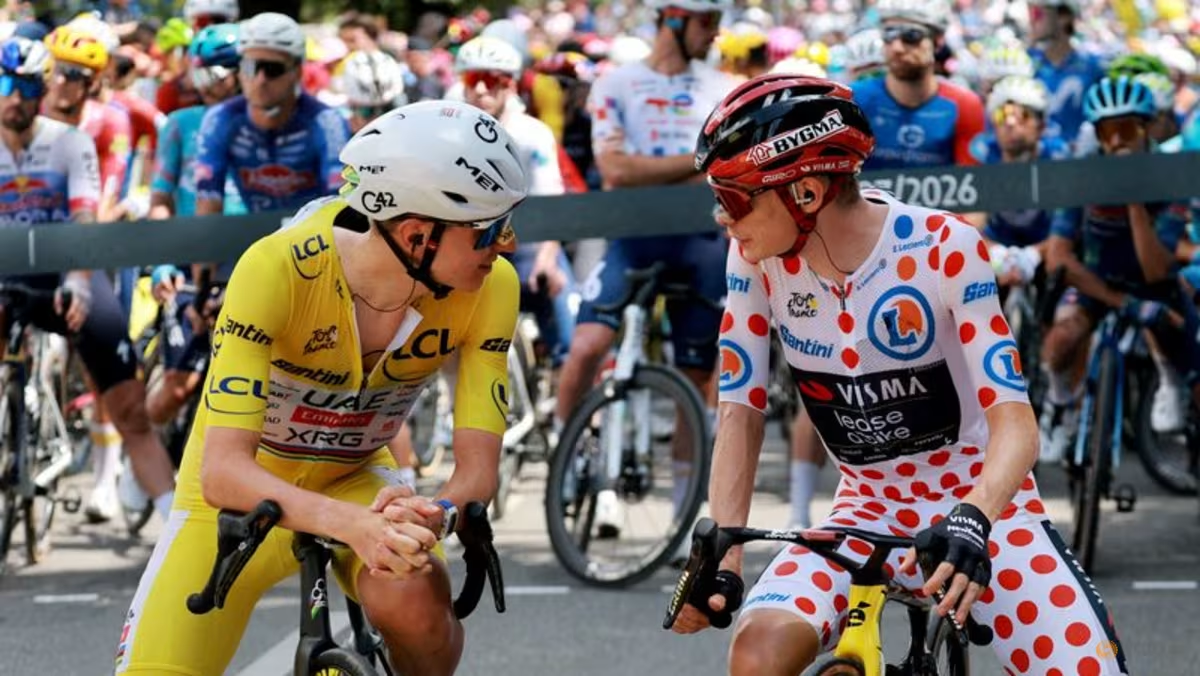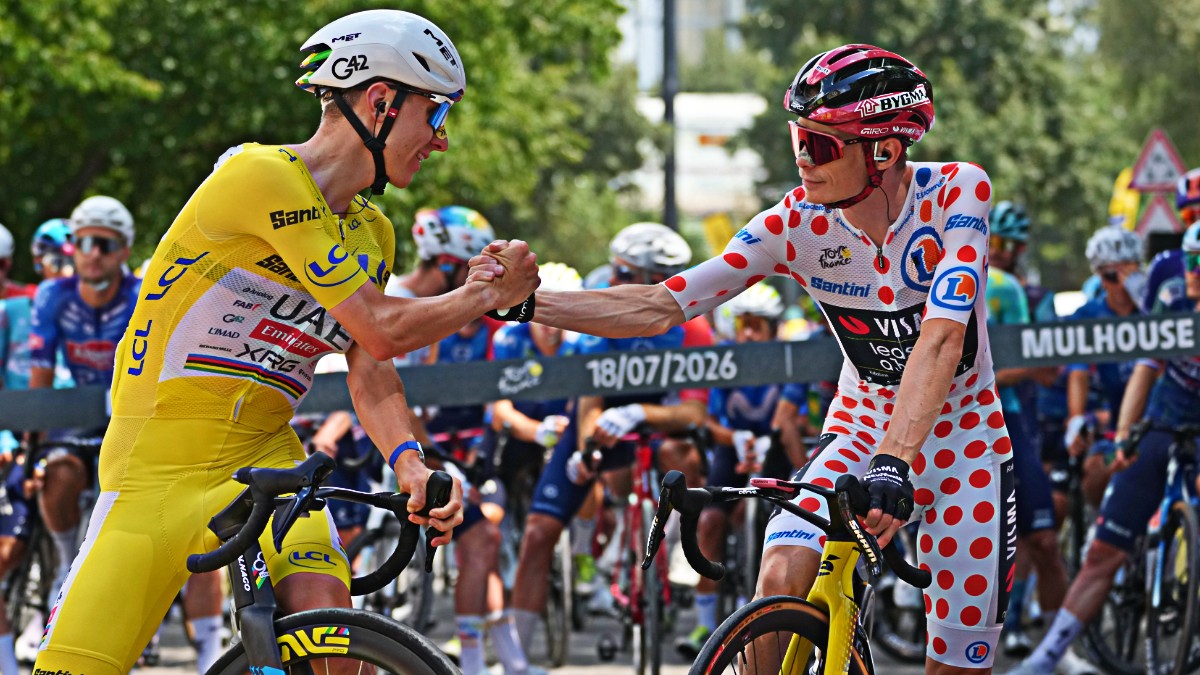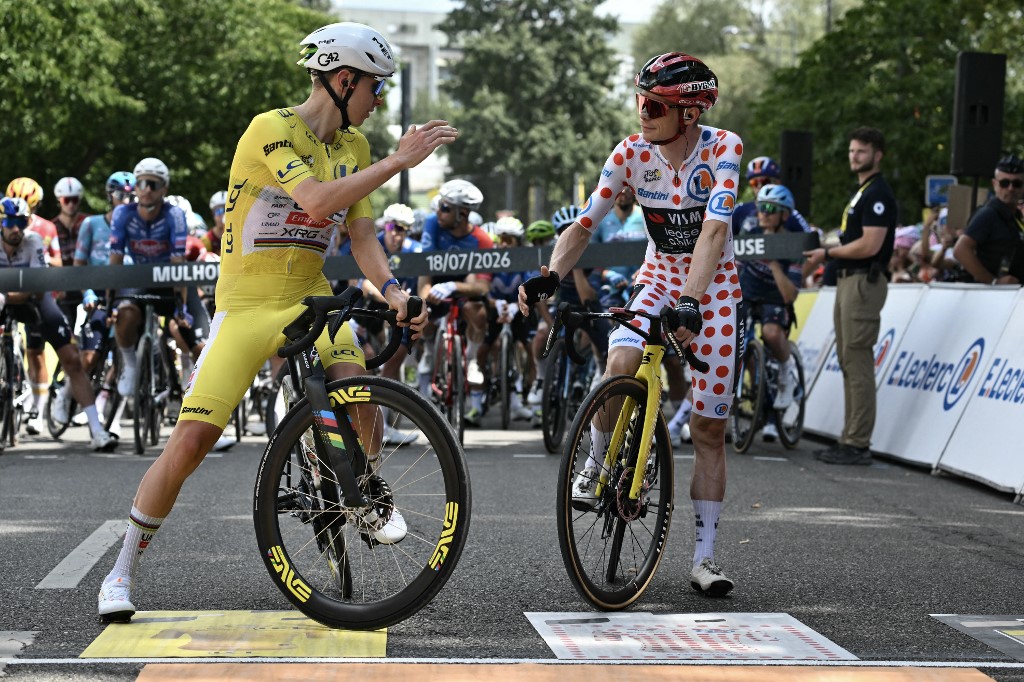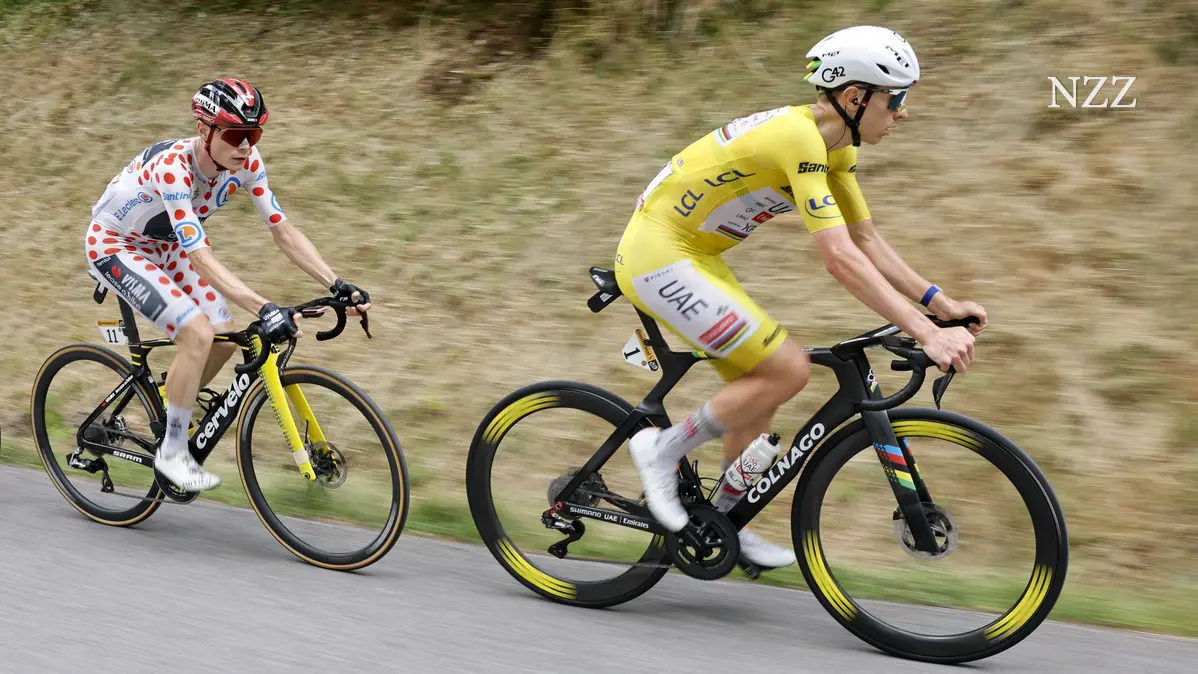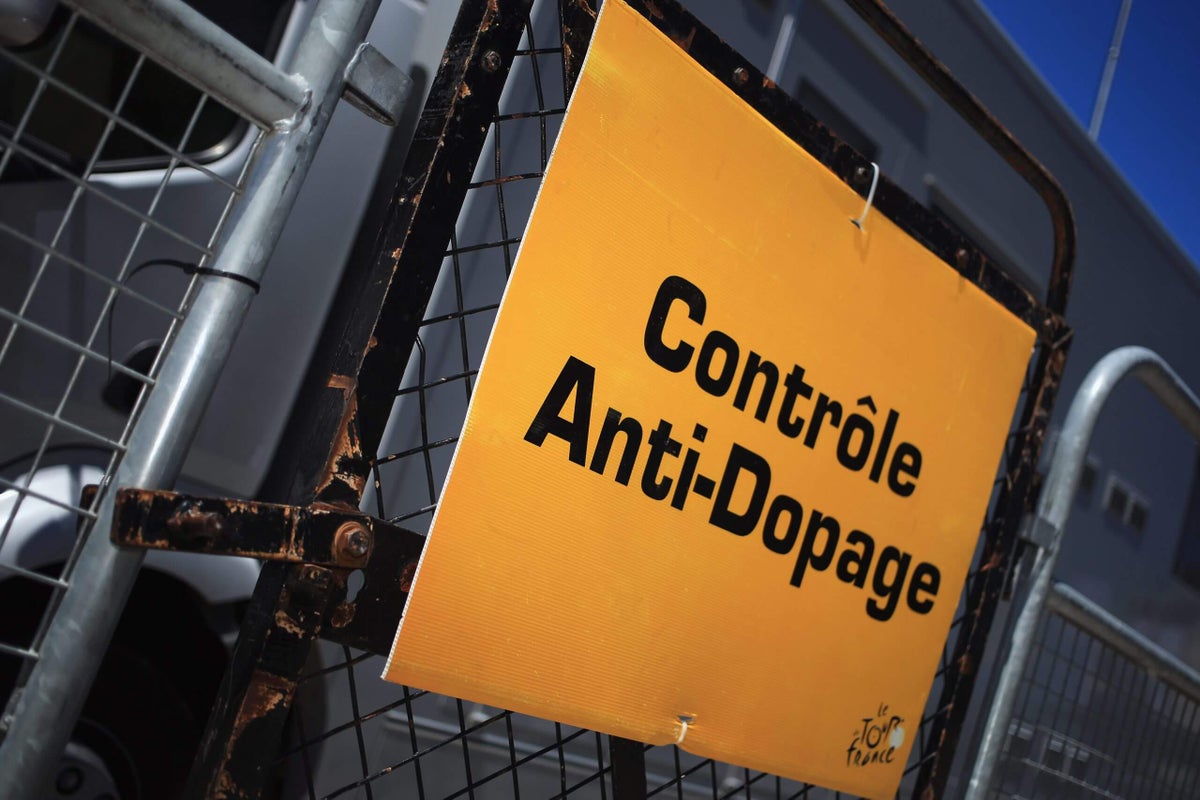
Tadej Pogačar is cruising to his fifth overall victory at the Tour de France, but the narrative has moved beyond his domination and to the series of nighttime anti-doping controls that he and multiple other riders have been subjected to while at the race.In the early hours of Sunday morning, UAE Team Emirates-XRG’s Pogačar was woken up at 5am by a doping control officer (DCO), while his rival Jonas Vingegaard of Visma-Lease a Bike provided an anti-doping sample at 2am. Later on Sunday, Vingegaard crashed out of the race with a broken collarbone — prompting speculation among his rivals that his disturbed sleep was a factor.The Athletic has been able to verify that riders from at least three other teams at the race have also been drug tested in the middle of the night during the race. The Athletic cannot identify the riders nor their employers, unless they or their teams waive the anonymity they are given to ensure blind testing of samples. Matej Mohorič of Bahrain-Victorious has confirmed that he too was tested at 5am. Results of the tests have not yet been made public, and only would be in the event of a positive test.Unannounced tests in the middle of the night at the Tour have never been used before — but they have been possible since 2016.To test an athlete for banned substances between the hours of 11pm and 6am, a request from an anti-doping agency — such as the International Testing Agency (ITA) who oversees cycling’s anti-doping program — has to be authorised by the World Anti-Doping Agency (WADA) and a local judge.The International Cycling Union’s (UCI) rulebook states that a permit can only be granted for out-of-hours tests if there is “serious and specific suspicion that the rider may be engaged in doping.” The ITA has said that “effective testing must, in limited and justified circumstances, be capable of occurring outside standard daytime hours.”Though the nighttime tests have surprised the athletes, they were signposted a few months ago, when the ITA’s director general Benjamin Cohen appeared to send a message of intent when speaking to The Athletic: “Do we need to change when we test and how we test?” Cohen asked.“If you go and speak to the (ITA) testing department, they would say: yes, we need to be able to test whenever we can. Certainly, based on information (the ITA has), it would suggest that there is an issue.“I don’t think you would want to do mass testing at the Tour de France, for example, and wake up all the athletes at 3am — that doesn’t make sense. I think you would need to have very concrete suspicions (about an athlete) and use that in a very cautious manner. I wouldn’t advocate for mass night testing, but certainly for some flexibility if you believe that there is an issue.”ITA Director General Benjamin Cohen signposted nighttime tests in an interview with The Athletic in April ( Mike Lawrie/Getty Images)Why are riders being tested in the middle of the night and early morning?All professional athletes whose sports are signatories to the WADA code must provide a preferred one-hour time slot each day for when a DCO can test them. However, DCOs can — and do — also test athletes between the hours of 6am and 11pm.After a stage of the Tour de France, an average of eight riders in total tend to provide an anti-doping sample, including the race leader and stage winner; the other riders are decided by the ITA’s team at its Lausanne headquarters. The ITA said on the eve of the Tour that it planned on conducting around 600 anti-doping tests during the race.One anti-doping source, who spoke on the condition of anonymity as they were not authorised to speak, told The Athletic that most athletes are tested in the early or late hours of the day, either just after waking up or before going to bed.If an organisation that manages anti-doping programs has reason to believe that an athlete might be taking performance-enhancing drugs (PEDs), they can apply to test the athletes between 11pm and 6am. Possible reasons include abnormal changes in blood markers, as identified in an athlete’s biological passport (ABP), a sudden upturn in performances, or a lead obtained by intelligence and investigations teams.The Athletic understands that the ITA, citing credible and well-informed suspicion, requested permission for the recent Tour de France nighttime tests before the race got underway; the early hours tests were not ordered as a result of events during the race.Nighttime tests being granted is not an indication of guilt.Speaking on Sunday, Pogačar said: “I accept it if this is necessary to prove that we are riding clean, then I totally accept it. I commit to it.”His rival Vingegaard said before the stage’s start: “I guess the ITA didn’t allow me to sleep much. I was sleeping very well but then somebody knocked on my door at 2am. Big surprise to me but, of course, I mean it’s good that they test, but when it’s affecting performance and your sleep, I don’t think it’s so good. Hopefully, also, in the end I’m not the only one because it has to be equal for everybody. It’s not the nicest at two o’clock. It took about 40 minutes before I was back in my room. It was not the best night. Still feel OK but just not the best night.”Mohorič commented: “The fact is that the agency conducting the doping tests has a fairly large budget and has to justify it somehow. So I think it’s a commercial matter.”There are concerns within the anti-doping community, confirmed by Cohen in the aforementioned interview, that athletes across many sports may be micro-dosing — the process of taking prohibited substances (such as EPO and testosterone) in small enough quantities that they are less likely to show up in an athlete’s bloodstream for more than a few hours.Additionally, there are a number of substances — including human growth hormone and certain anabolic steroids — that have a short detection window, meaning that they too wouldn’t be detectable in an anti-doping sample after a couple of hours. Theoretically, an athlete could take such a PED after 11pm and it wouldn’t appear in a 6am test, hence the nighttime test provisions.Jonathan Vaughters, the manager of EF Education-EasyPost, highlighted this very point when he posted on X on Monday evening. “2am testing is one of the very effective ways to prevent peptides (EPO, hGH — Human Growth Hormone) and testosterone micro-dosing,” he said.As a rider, Vaughters admitted to using EPO, but has since become one of cycling’s staunchest anti-doping allies. “If (the) UCI had tested us in 2001 at 2am? We’d all have been suspended and saved the sport 25 years of drama,” he added.“It’s unfortunate that Tadej and Jonas have to atone for the s*** we did. However, I’d take some lost sleep for some gained credibility. I should apologize to both of them, honestly.”
Why have riders at the 2026 Tour de France undergone anti-doping tests in the middle of the night?
Unannounced tests in the middle of the night at the Tour have never been used before — but have been possible since 2016
2,223 words~10 min read