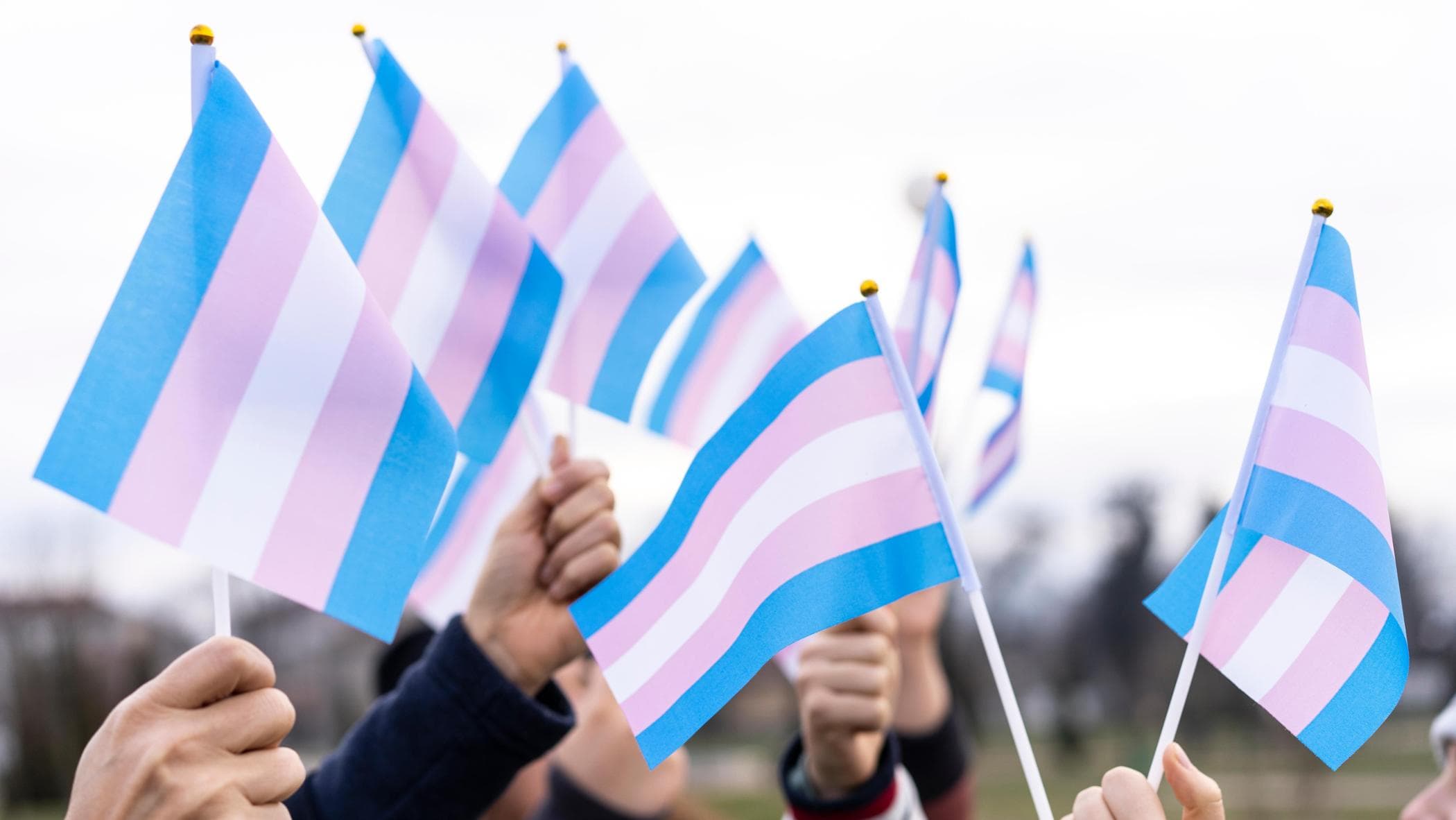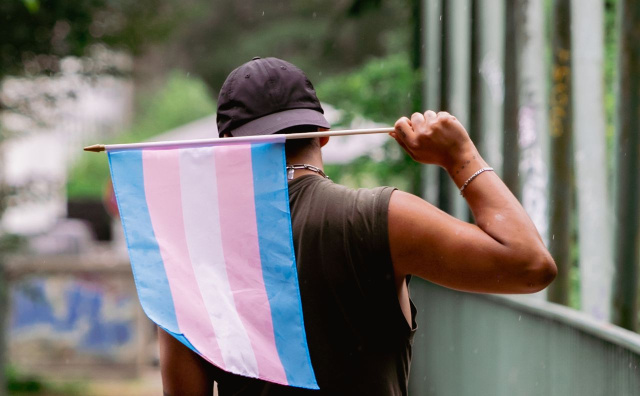
The Supreme Court of Cassation (SCC) has allowed four transgender people in Bulgaria to legally change their gender markers and names in civil status documents, marking the first such decisions since 2020.
The rulings by different panels of the SCC’s Civil Chamber followed a March 2026 decision by the Court of Justice of the European Union (CJEU), which found that EU law prevents member states from blocking changes to gender-related personal data in official records when this conflicts with European legal principles.
The issue has been legally disputed in Bulgaria for years. In 2021, the Constitutional Court ruled that the term “gender” in the Constitution should be understood only in its biological sense. It said that changing civil status records based on gender self-identification was possible only for intersex people, those born with unclear or mixed biological sex characteristics.
In 2023, the Civil Chamber of the SCC also ruled that existing Bulgarian law did not allow courts to approve changes to gender, name and personal identification number in civil status records for transgender applicants. The majority argued that without a specific legislative framework, such changes could not be authorized by courts.