KISVARDA/GDANSK: Facing a choice between upsetting businesses and a public opinion backlash, the Polish and Hungarian ruling centrists are opting for curbs on foreign labor — something economists warn may hurt the two countries’ growth prospects.
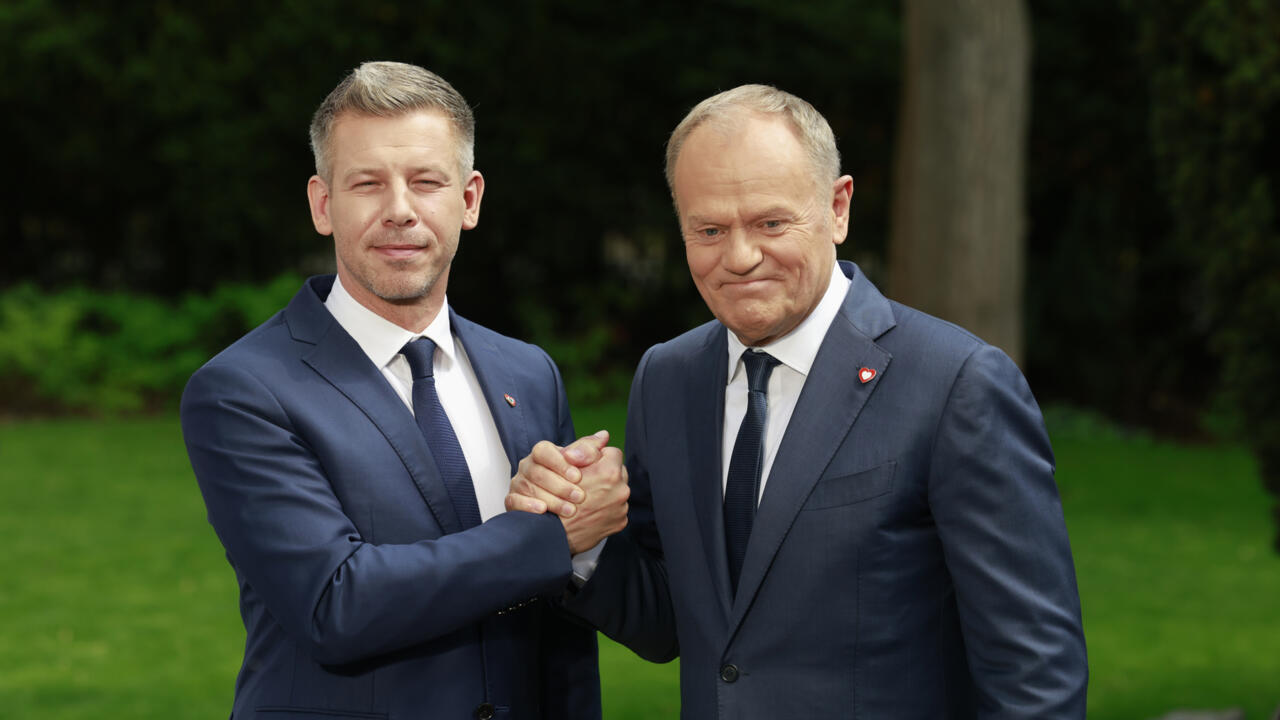
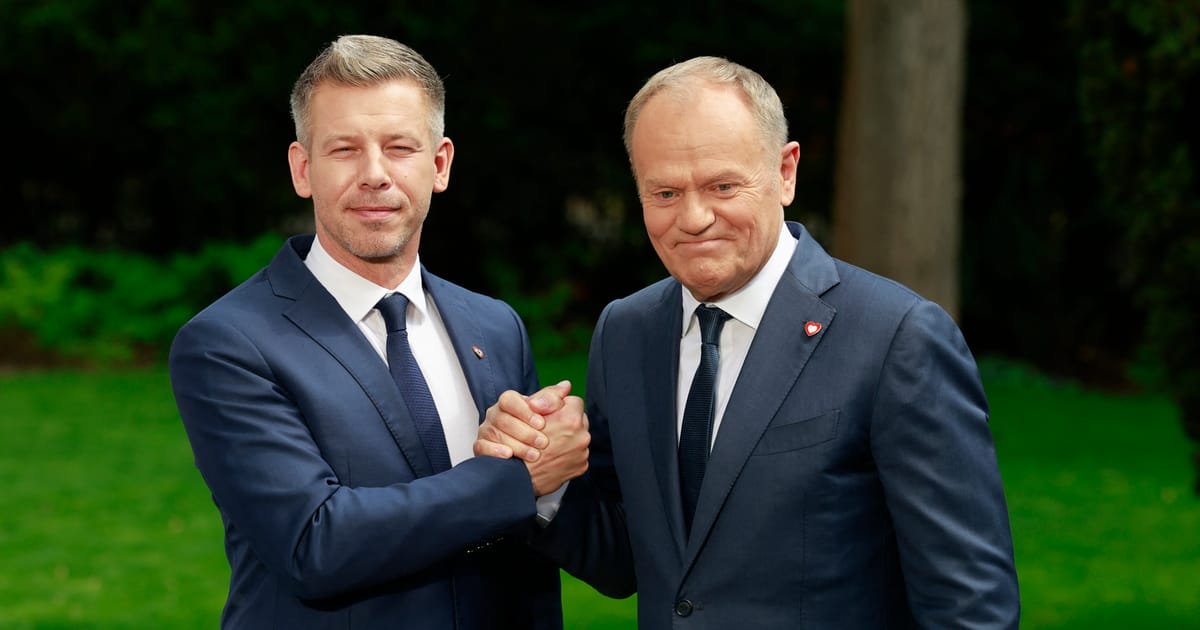
Both Hungarian Prime Minister Peter Magyar, who won in a landslide in April, and his Polish counterpart Donald Tusk, in power since 2023, have been painted by their nationalist rivals as soft on immigration. Now, both are taking action to prove them wrong.
Tusk’s government slashed work permits for non-EU citizens by 22 percent last year, while Hungary’s new government in June stopped issuing worker visas to employees from the Philippines, Georgia and Armenia, calling it a first step toward regulating guest workers.
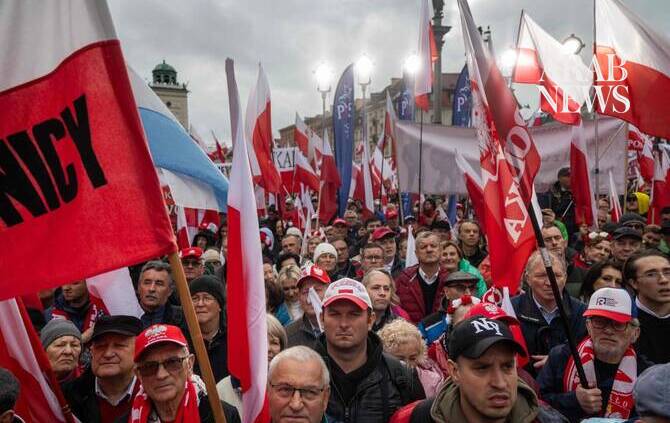
Public opinion polls show broad support for such curbs. In Poland, around two-thirds of respondents in an IBRiS survey for Wirtualna Polska news website in January said Poland should accept fewer non-EU migrants.
In Hungary, an analysis published by Republikon Institute earlier this month showed that almost half of Hungarians would not allow any migrants from poorer countries and another 40 percent only a smaller number.