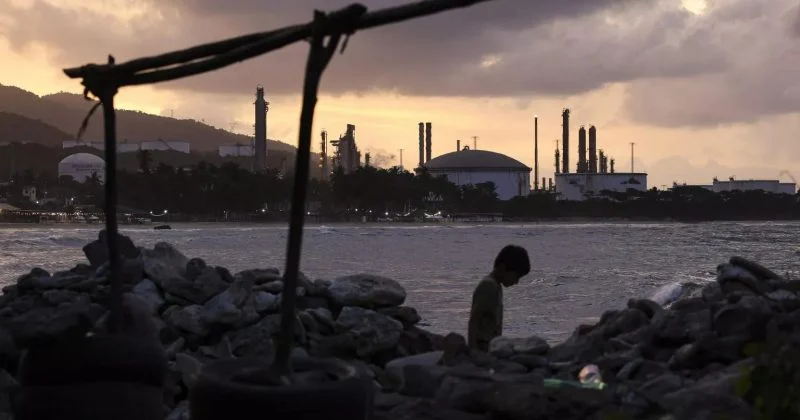
The Trump administration has quietly become one of the more unusual players in global energy markets. Since Nicolás Maduro’s removal from power earlier this year, the US has collected over $13 billion from Venezuelan oil sales, a figure that would be remarkable under any circumstances and is especially striking given how recently Venezuelan crude was a geopolitical flashpoint rather than a revenue source.
This is not a drill. The Financial Times reported the $13 billion figure as of late July 2026, representing proceeds from US-controlled oil exports directed at American refineries and European buyers, all transacted at market rates.
How the money actually flows
The first deal closed in January 2026, generating roughly $500 million. By mid-February, cumulative revenues had crossed $1 billion, a milestone Energy Secretary Chris Wright confirmed publicly at the time. On top of that, an additional $5 billion in short-term sales agreements was reportedly in place, suggesting the revenue pipeline was being actively managed and expanded, not simply inherited.
Shipments have gone primarily to US refineries, which makes logistical sense given Venezuela’s heavy crude profile and the existing infrastructure along the Gulf Coast. European buyers have also been in the mix, reflecting the broader appetite for non-Russian supply that has defined European energy strategy since 2022.