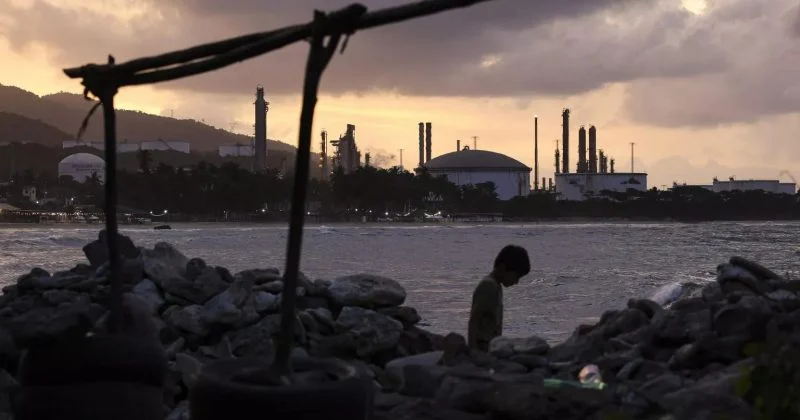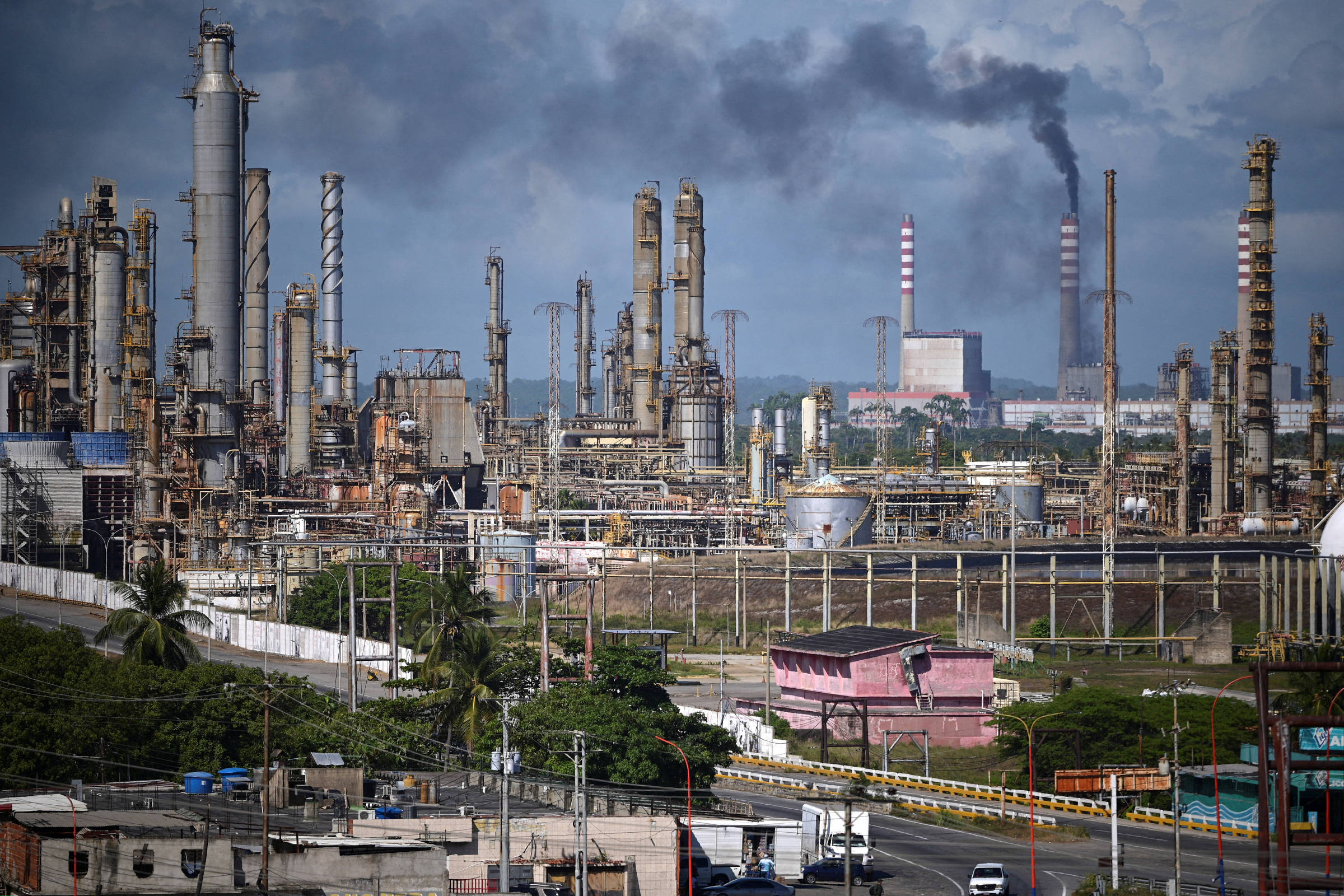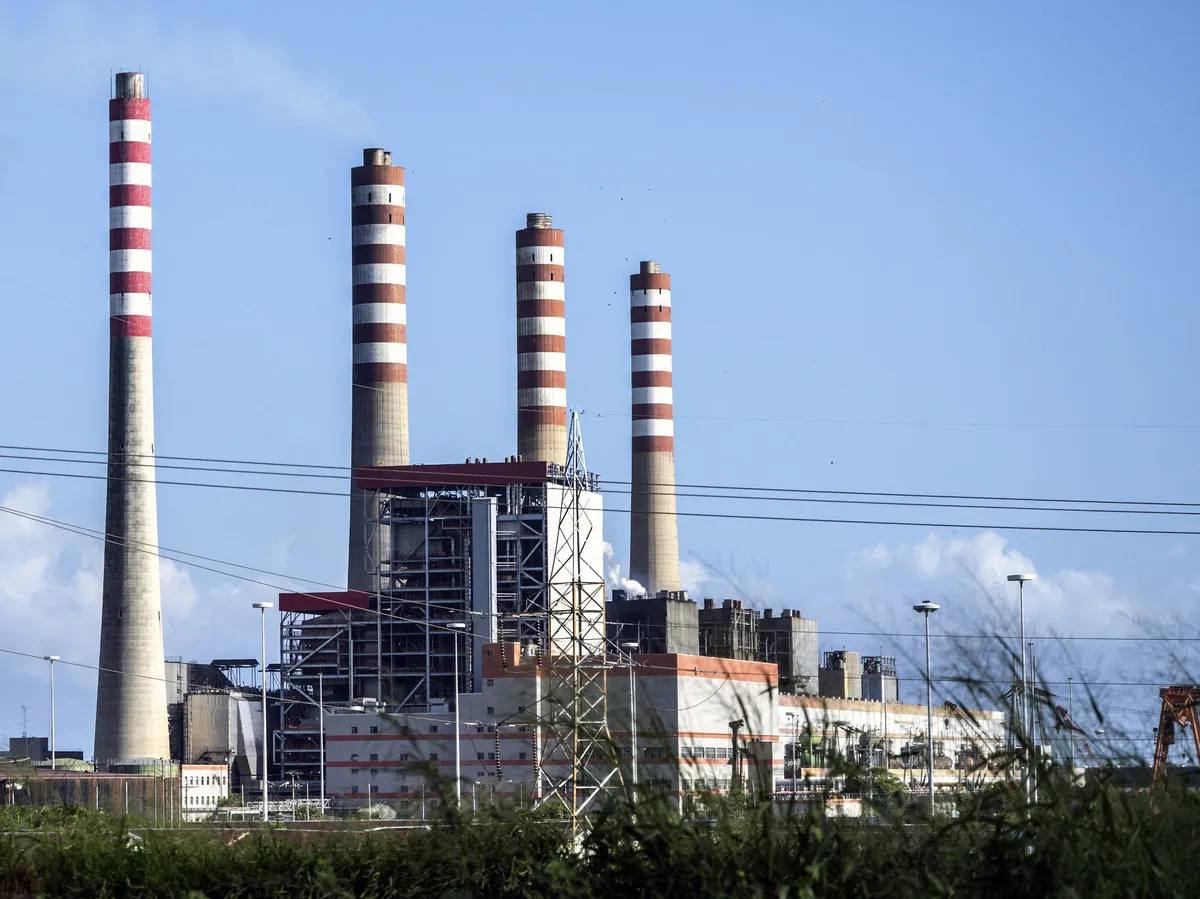
Skip to Content News Archives Economy Energy Oil & Gas Renewables Electric Vehicles Mining Commodities Agriculture Real Estate Mortgages Mortgage Rates Finance Banking Insurance Fintech Cryptocurrency Work Wealth Smart Money Wealth Management Investor Personal Finance Family Finance Retirement Taxes High Net Worth FP Comment Executive Women Puzzmo Newsletters Financial Times Business Essentials More Innovation Information Technology FP500 Podcasts Small Business Lives Told Tails Told Shopping Financial Post Store Obituaries Place a Notice Advertising Advertising With Us Advertising Solutions Postmedia Ad Manager Sponsorship Requests Classifieds Place a Classifieds ad Working Profile Settings My Subscriptions Saved Articles My Offers Newsletters Customer Service FAQ News Economy Energy Mining Real Estate Finance Work Wealth Investor FP Comment Executive Women Puzzmo Newsletters Financial Times Business Essentials HomeCommoditiesEnergyOil & GasFinancial TimesThe U.S. has collected about US$13 billion of Venezuela's oil money. Where is it?Washington has given diverging accounts of where the earthquake-shattered country's funds are goingAuthor of the article:Last updated 16 minutes ago You can save this article by registering for free here. Or sign-in if you have an account.View of the refinery El Palito in Puerto Cabello, Carabobo state, Venezuela on January 11, 2026. Photo by Maryorin Mendez / AFP via Getty ImagesThe Trump administration has collected more than US$13 billion in revenues from Venezuelan oil sales this year, according to FT calculations, but has said almost nothing about what has happened to the money.Subscribe now to read the latest news in your city and across Canada.Exclusive articles from Barbara Shecter, Joe O'Connor, Gabriel Friedman, and others.Daily content from Financial Times, the world's leading global business publication.Unlimited online access to read articles from Financial Post, National Post and 15 news sites across Canada with one account.National Post ePaper, an electronic replica of the print edition to view on any device, share and comment on.Daily puzzles, including the New York Times Crossword.Subscribe now to read the latest news in your city and across Canada.Exclusive articles from Barbara Shecter, Joe O'Connor, Gabriel Friedman and others.Daily content from Financial Times, the world's leading global business publication.Unlimited online access to read articles from Financial Post, National Post and 15 news sites across Canada with one account.National Post ePaper, an electronic replica of the print edition to view on any device, share and comment on.Daily puzzles, including the New York Times Crossword.Create an account or sign in to continue with your reading experience.Access articles from across Canada with one account.Share your thoughts and join the conversation in the comments.Enjoy additional articles per month.Get email updates from your favourite authors.Create an account or sign in to continue with your reading experience.Access articles from across Canada with one accountShare your thoughts and join the conversation in the commentsEnjoy additional articles per monthGet email updates from your favourite authorsSign In or Create an AccountorThe U.S. took control of Venezuela’s oil exports and suspended some sanctions after capturing President Nicolás Maduro in January and installing vice-president Delcy Rodríguez as leader.Oil revenues make up around a quarter of Venezuela’s GDP, and the sanctions relief was expected to provide a major boost to the economy, which was in crisis even before last month’s devastating earthquakes.But six months after the U.S. seized control of the funds, economists say the evidence of a recovery in Venezuela is relatively muted — a potential sign that the U.S. has not sent all the revenues back to Caracas.Washington has given diverging accounts of what it is doing with the money, ranging from an executive order describing its own role as “custodial” to U.S. President Donald Trump saying the U.S. was “making a lot of money” from Venezuelan oil.U.S. lawmakers from both parties are starting to pressure the administration to explain where it has gone and what it is doing to prevent corruption around its allocation.“Trump’s invasion of Venezuela has been about oil, power and graft from the very beginning, with billions of dollars in Venezuelan oil revenue being controlled by the Trump administration without transparency or safeguards,” Joaquin Castro, a prominent Democratic member of Congress, told the FT, adding that Congress was being “kept in the dark.”The FT calculated Venezuela’s likely oil revenue by using data on crude oil shipments from the country since January compiled by Kpler, a freight and data analytics platform. The FT used price estimates from Argus Media, a pricing agency, for the price of Merey crude oil, a grade of extra-heavy crude produced in Venezuela, as well as Boscan and Hamaca, two less common grades of Venezuelan crude.The price data does not cover all grades of Venezuelan oil, and only started in February. The value of barrels with direct price estimates shipped since January now comes to around US$11.5 billion. Based on historic price patterns, however, the unpriced barrels are expected to have taken that total to over US$13 billion.The Venezuelan government set up a website to track the revenue from U.S.-run oil sales, but it has only one entry — a transfer of US$300 million in March.At a hearing on Tuesday, María Elvira Salazar, a Republican member from south Florida, called for reports on the funds to be made public because of “the importance of transparency over where the money is going.”The fate of Venezuela’s oil money has become even more pressing in the aftermath of the two devastating earthquakes on June 24. The UN estimates the cost of damage to buildings and infrastructure alone will be US$37 billion.Benjamin Gedan, a former senior White House official for Latin America in the Obama administration, said Democrats could investigate the oil funds if they win control of one or both houses of Congress in November.“This could be a really juicy target,” he said. “You could imagine lots of subpoenas and requests for testimony about the distribution of Venezuelan oil money.”Shortly after the January raid, President Trump said the revenues “will be controlled by me.” Since then, the administration has given out an array of statements about how the oil funds can be used.The original executive order in January said the funds would be the property of the Venezuelan government and would be held in U.S. government accounts in a “custodial and governmental capacity.”However, the U.S. Department of Energy has said the funds “will be disbursed for the benefit of the American people and the Venezuelan people.” In June, Trump said the U.S. had recovered the cost of the military operation in Venezuela “28 times” through the oil and added that the U.S. is “making a lot of money, too.”“48 minutes to win that war,” Trump said. “We brought millions of barrels of oil out.”In April, senior state department official Michael Kozak said that around US$3 billion of oil revenues had been sent to Venezuela and that KPMG was auditing the bank accounts. He said the administration would provide quarterly reports on the funds, but Democrats on the Foreign Affairs Committee say they have received no information since then.U.S. officials say control of the oil funds has been used to exert leverage over Rodríguez, a key member of the Chavista regime who is now governing the country in part through instructions from Washington.At a congressional hearing last Wednesday, Kozak said: “It’s their money but…they have to get our permission.” Funds were made available to pay costs such as government salaries and oil industry equipment, he said.The State Department said that “billions of dollars have been disbursed to the Venezuelan economy” under the system. “Financial monitoring is under way to ensure funds benefit the Venezuelan people,” it said.Many economists had expected Venezuela to enjoy a strong economic recovery this year, given that until January the country was forced to sell oil at a significant discount in international markets to get around U.S. sanctions. The government has introduced a new resources law to encourage investment in oil and gas, and production has ticked up this year.However, Francisco Rodríguez, a Venezuelan economist at the Center for Economic and Policy Research in Washington, said the official first-quarter growth rate of 2.5 per cent was the lowest in nearly five years.“Venezuela likely did not grow more rapidly despite increased oil revenues in the first quarter because the U.S. didn’t transfer to the Venezuelan government the totality of its increased oil revenues,” he said.José Guerra, a Venezuelan economist and former opposition lawmaker, said oil revenues should be much higher than in recent years. “Where is the money? There is no transparency and the U.S. government does not inform us.”Alejandro Grisanti, director of Ecoanalítica, a consultancy focused on Venezuela, said there have been indications of large dollar inflows over the past two months. He had been expecting the economy to accelerate in the fourth quarter of the year, but said the earthquake was now likely to push that back into the middle of next year.Since the earthquake, Rodríguez has been lobbying for access to funds held outside the country, including sums held by the IMF and Venezuelan gold that is in the custody of the Bank of England pending a court case.The U.S. has made US$386 million in aid available for disaster relief and sent hundreds of troops to Venezuela to help with the effort.John Barrett, the U.S. chargé d’affaires in Caracas, said this month that money from the oil revenue accounts was also being “made available for this specific reconstruction effort”, though he did not specify the amount.The estimated oil revenues figure does not include income from mining exports, some of which is also being collected by the administration, US officials have said.© 2026 The Financial Times Ltd Join the Conversation This website uses cookies to personalize your content (including ads), and allows us to analyze our traffic. Read more about cookies here. By continuing to use our site, you agree to our Terms of Use and Privacy Policy.
The U.S. has collected about US$13 billion of Venezuela's oil money. Where is it?
The U.S. has collected US$13 billion in revenues from Venezuelan oil sales but has said almost nothing about the money. Read more.
1,615 words~7 min read