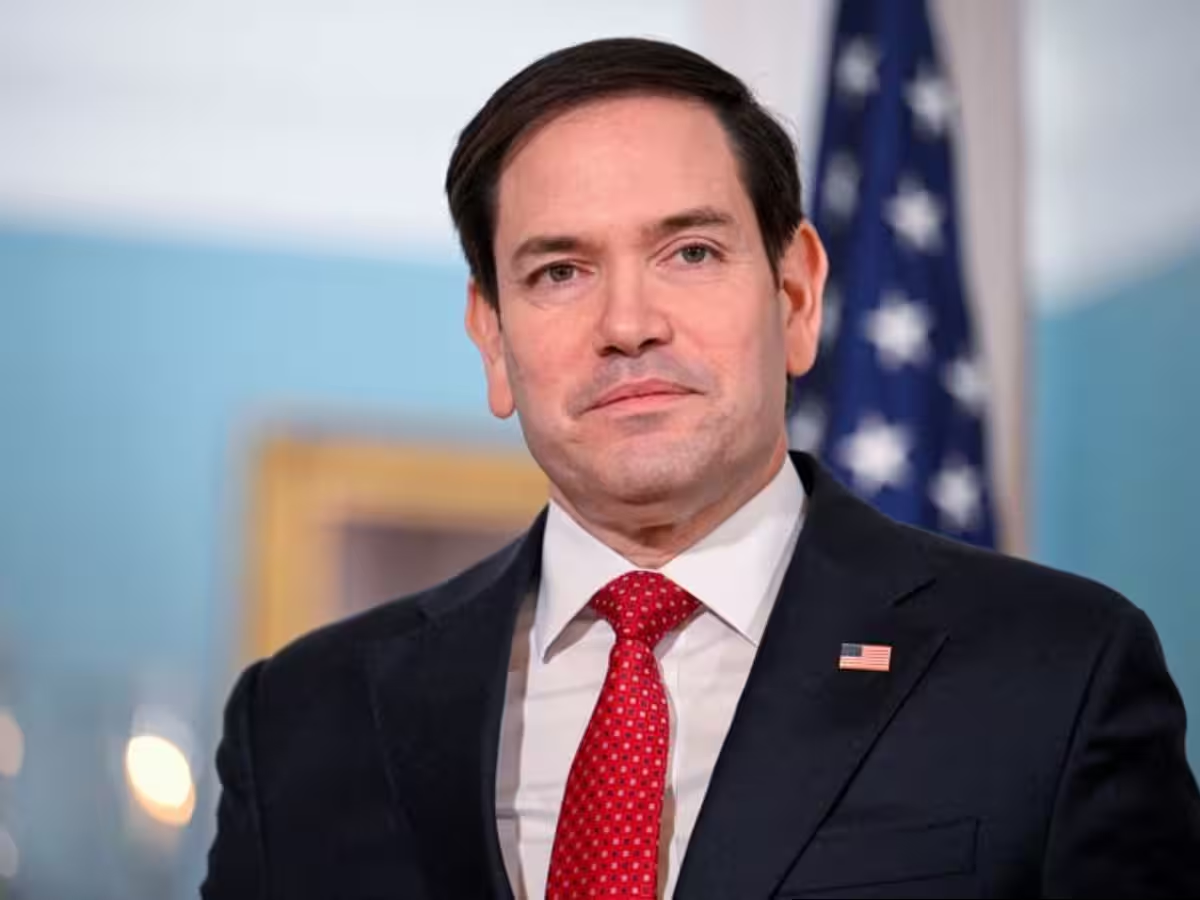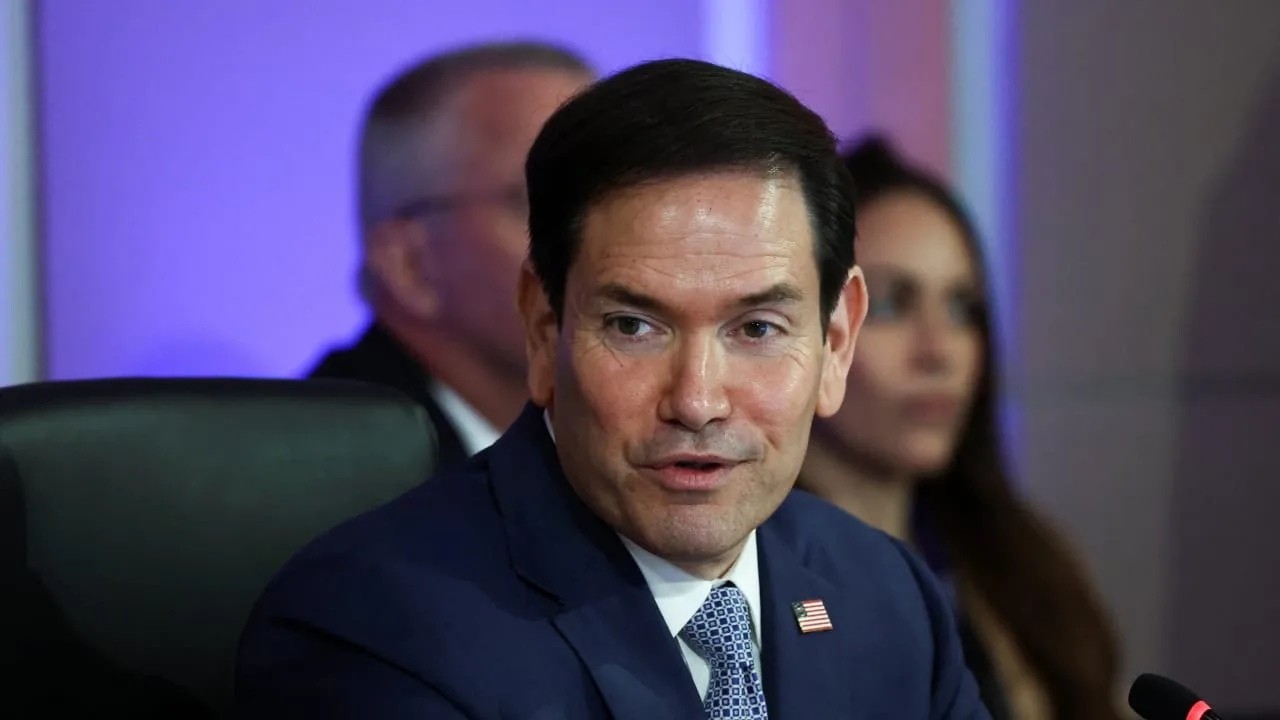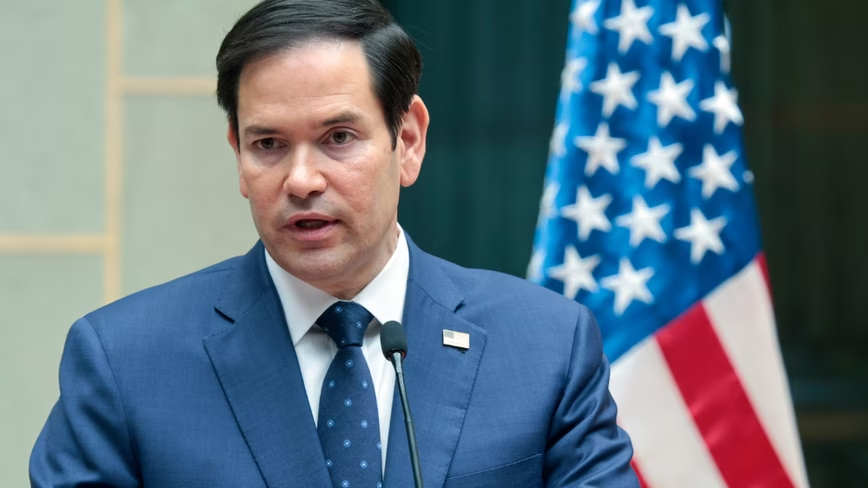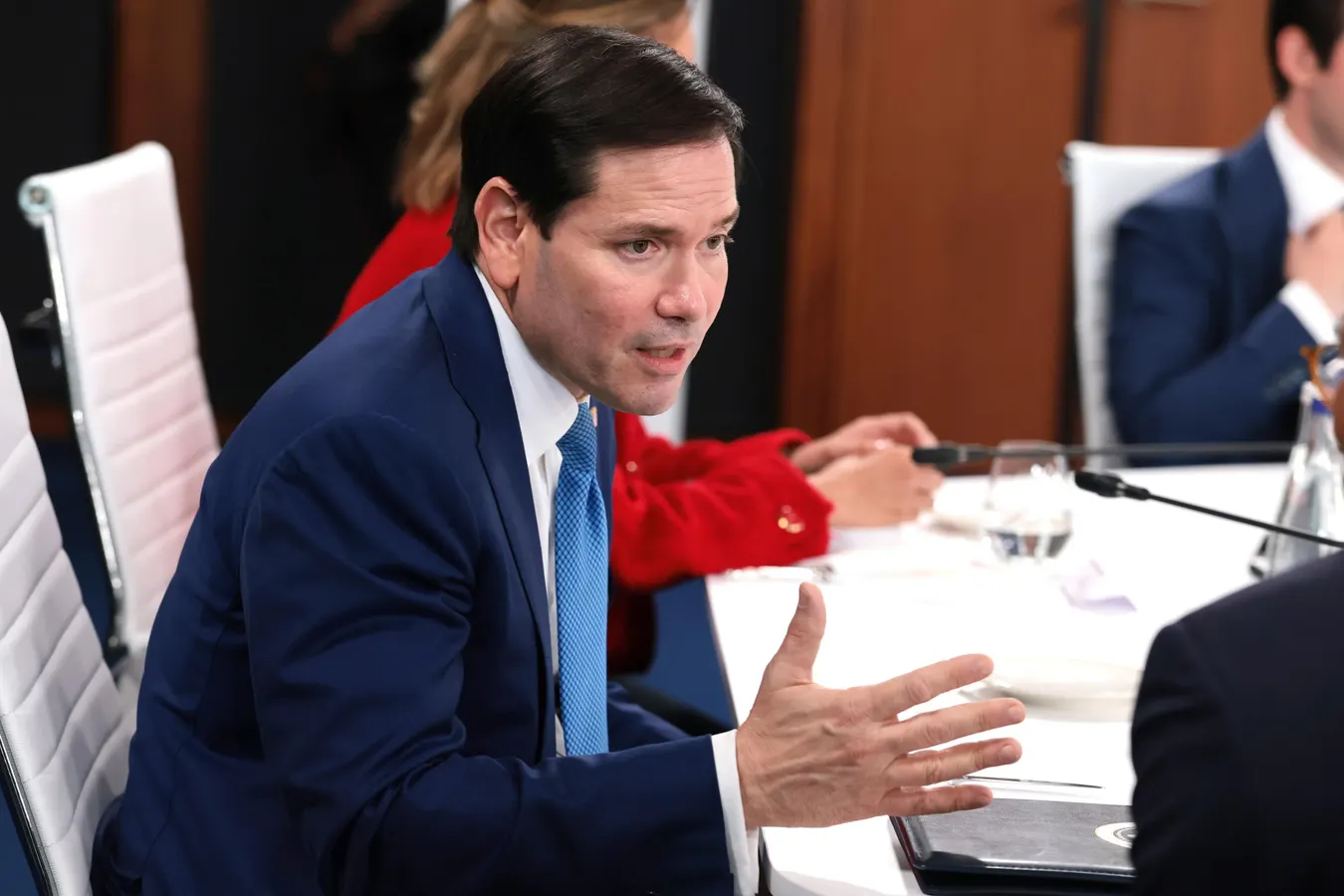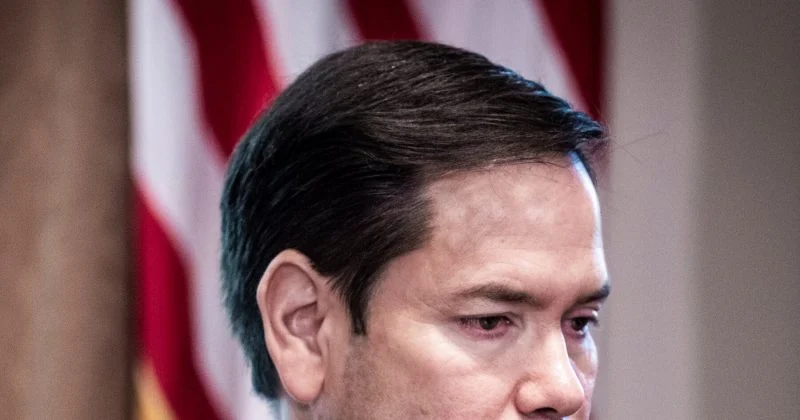
Secretary of State Marco Rubio sent a cable to American diplomats worldwide on July 16, instructing them to push back against a growing international narrative: that the US government has a “kill switch” for advanced AI technology. The directive came roughly a month after the Trump administration temporarily blocked foreign access to Anthropic’s frontier AI models, an episode that spooked allies and gave ammunition to every foreign policymaker arguing for digital independence from American systems.
The cable’s core message is straightforward. A 30-day cybersecurity testing requirement before releasing powerful AI models does not amount to a centralized government control button. There is, Rubio’s office insists, no magic button for remotely disabling AI technology.
What actually happened with Anthropic
On June 12, the Trump administration imposed restrictions on foreign access to Anthropic’s frontier AI models, known as Mythos and Fable, citing national security concerns. The restrictions were lifted later that month, making the whole episode a brief but politically explosive affair.
European lawmakers seized on the incident as Exhibit A in their case for building AI infrastructure outside America’s orbit. Rubio’s cable attempts to reframe the conversation. US diplomats are being told to promote American AI products as superior while simultaneously discouraging foreign efforts toward “digital sovereignty,” which the State Department characterizes as inefficient.