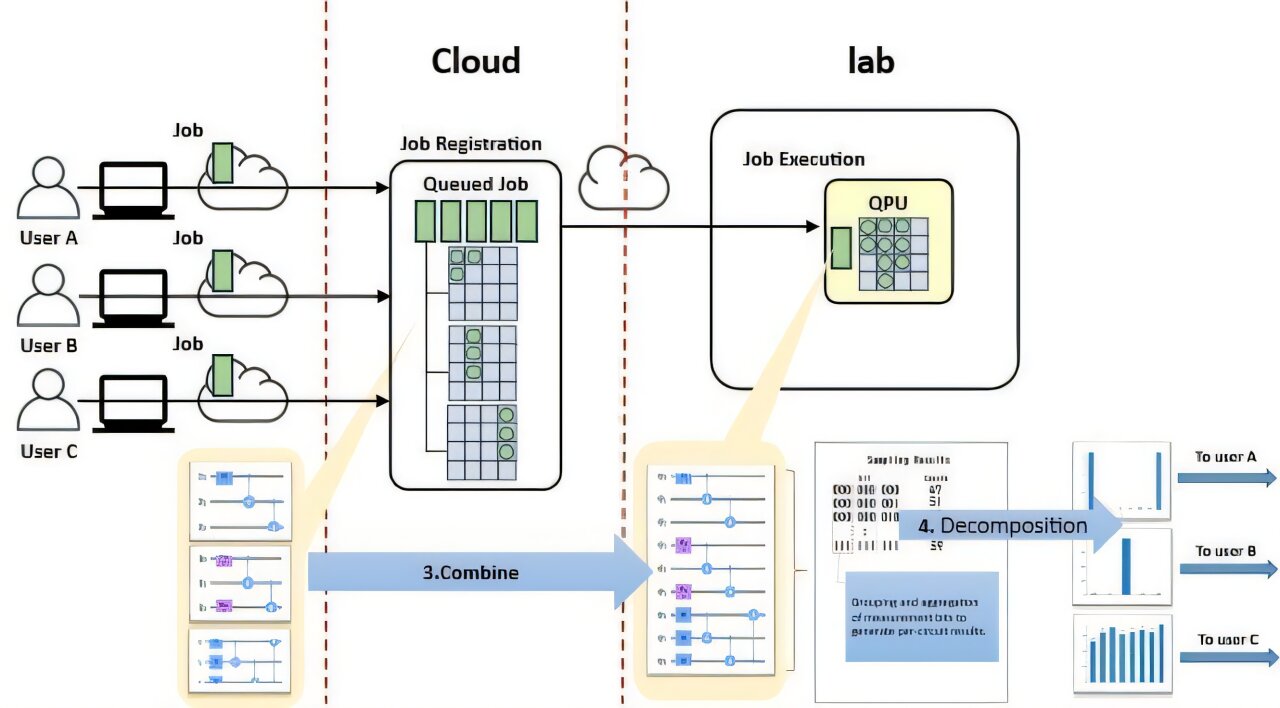
Quantum-Computing-as-a-Service (QCaaS) is generating growing interest, and it’s easy to see why.
The idea that anyone, anywhere interested in experimenting with quantum computing, can tap into a machine remotely via the cloud opens a world of possibilities. That’s why analysts are forecasting that the QCaaS market could be worth up to $26 billion by 2030.
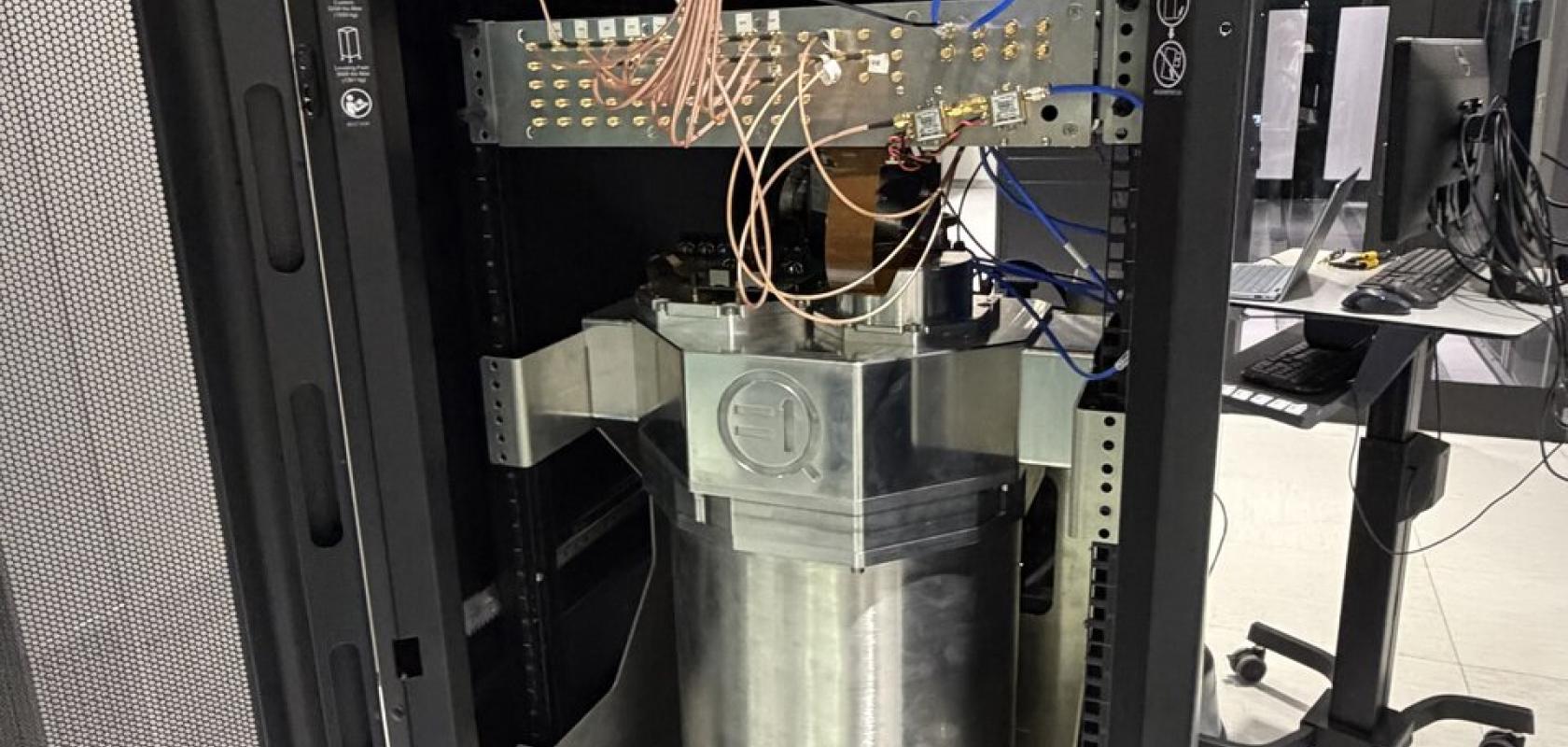
Moreover, cloud access to quantum computers is not only needed for end-users, but also critically important for developers as the entire quantum stack is being defined and optimized. Purpose-built facilities, like the IQCC and IQMP, which provide deep access to the lower layers of the stack, are being built to accommodate exactly this.
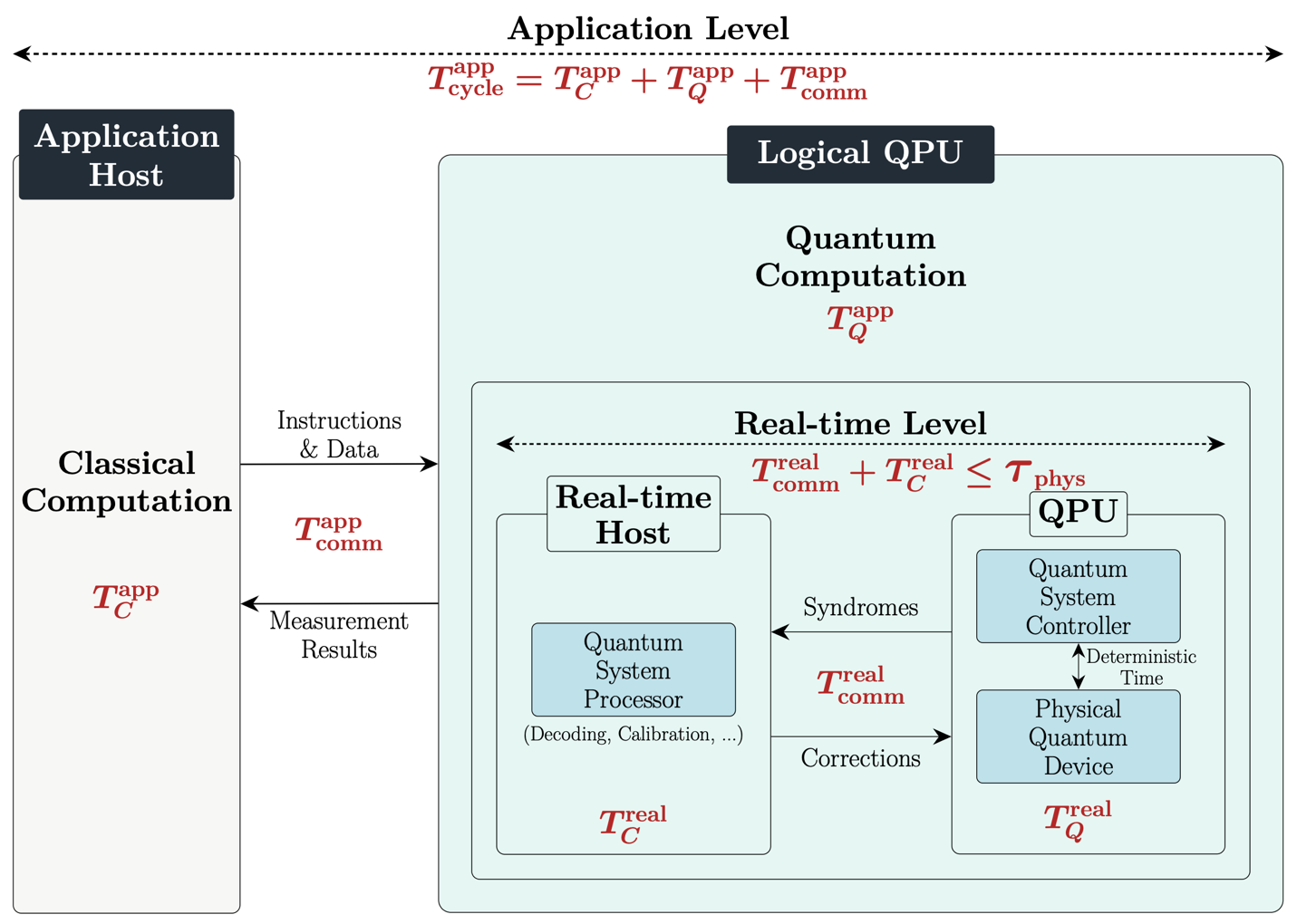
To fulfill the QCaaS need, there are layered engineering challenges, from getting the hardware to commercial-grade quality to solving control, calibration, and integration problems. These challenges must be addressed before quantum computers reach the level of performance required for around-the-clock cloud operations.
Despite these challenges, major players like IBM, Amazon Braket, and Microsoft are actively pursuing an enterprise strategy for QCaaS. This will pay dividends, as pay-as-you-go and subscription models would allow enterprises to embed quantum computing where it could make a difference, solve high-value optimization problems, and drive innovation.