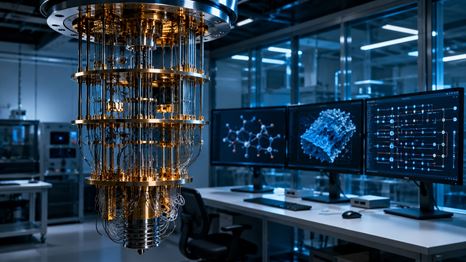
Computation as we know it is reaching its limits. This is not only due to the fact that there is a need to solve increasingly complex problems with better precision and within practical times, but also because the surge of AI has dramatically increased the demand for computing infrastructure.
Big players such as Amazon, Google, or Meta are signing agreements with energy companies to provide them with Small Modular Reactors (SMR) to power the high demands of their AI data centers. Currently, in the US, four percent of the total electricity is used for AI training, and it is expected to grow up to 12 percent in 2028.
Without a change in our computational paradigm, this demand will continue to grow exponentially in the coming years. It is time to move toward a more sustainable era of computation.
Quantum computing is expected to speed up compute workloads by redefining the physical and mathematical prism in which the algorithm is formulated, similarly to what GPUs did around 2007 with the release of CUDA and the first graphics cards conceived for calculus.
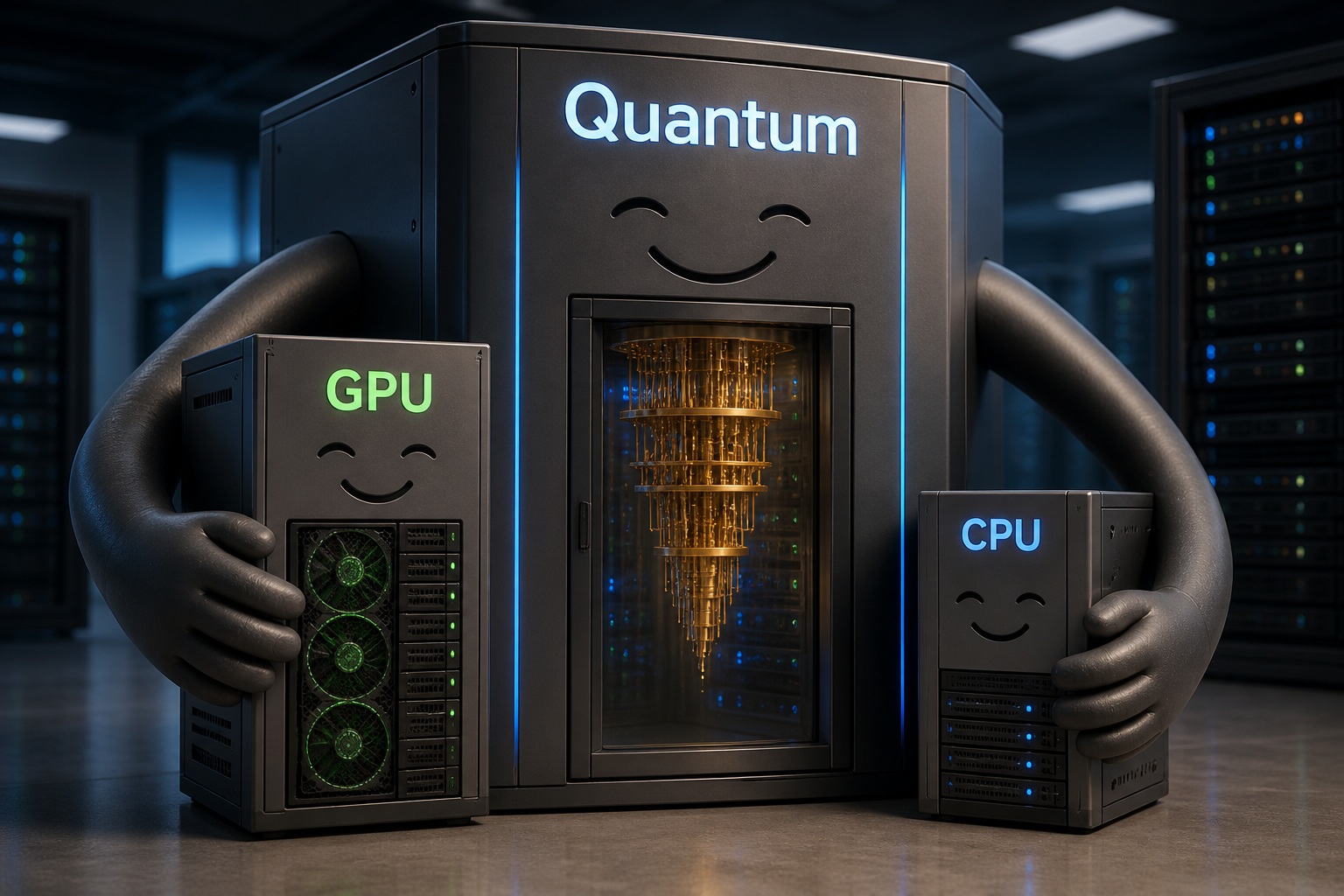
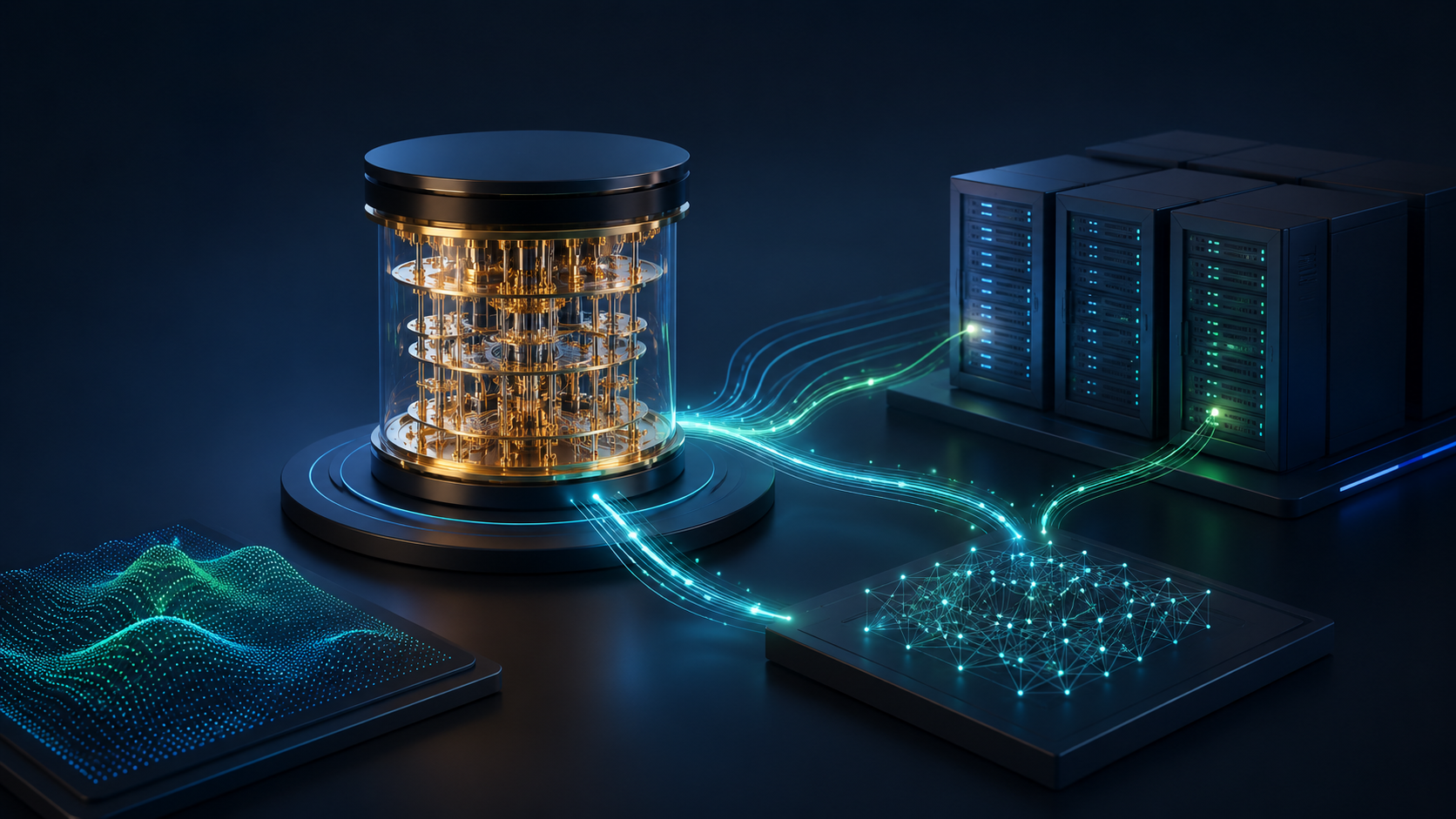
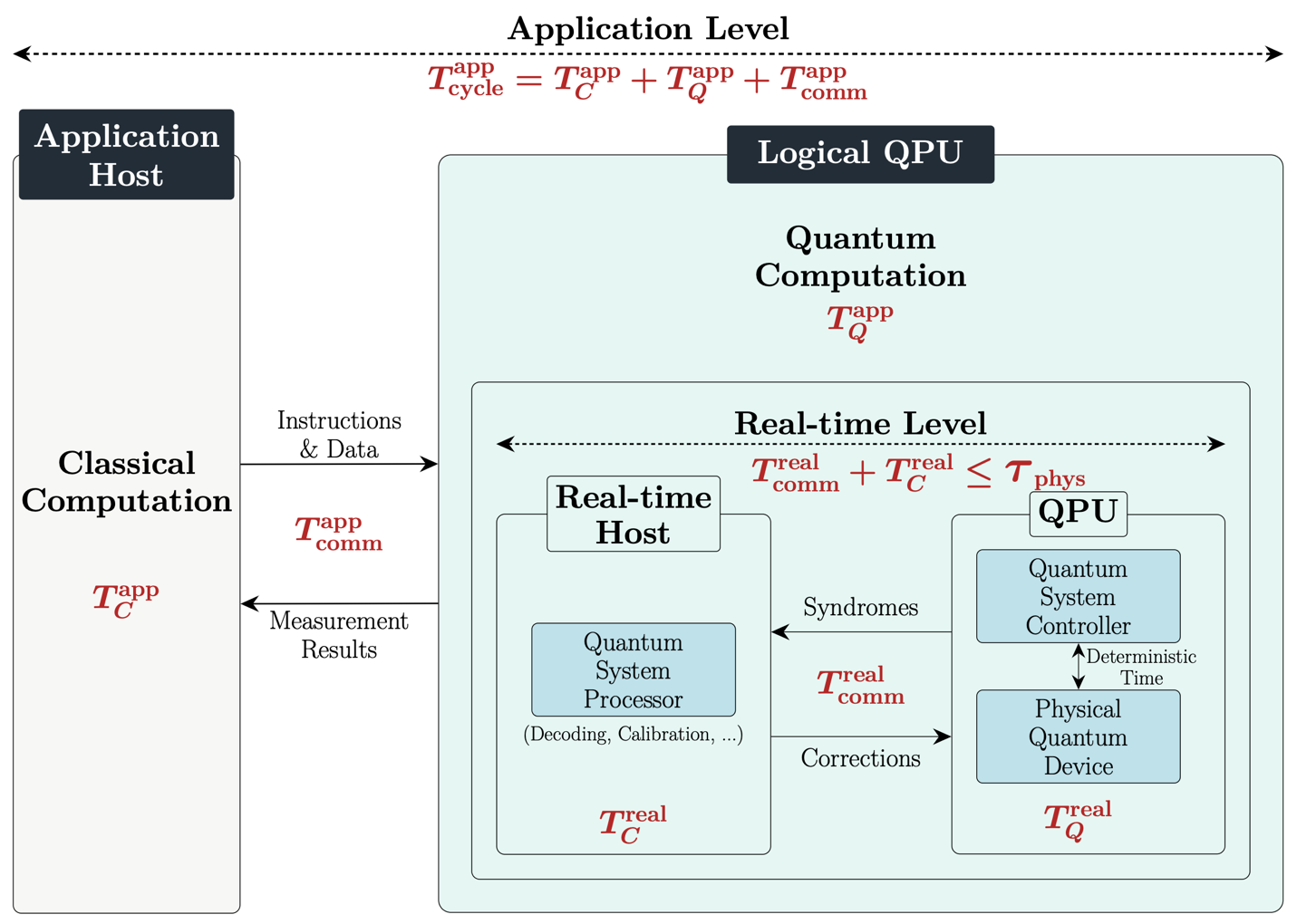
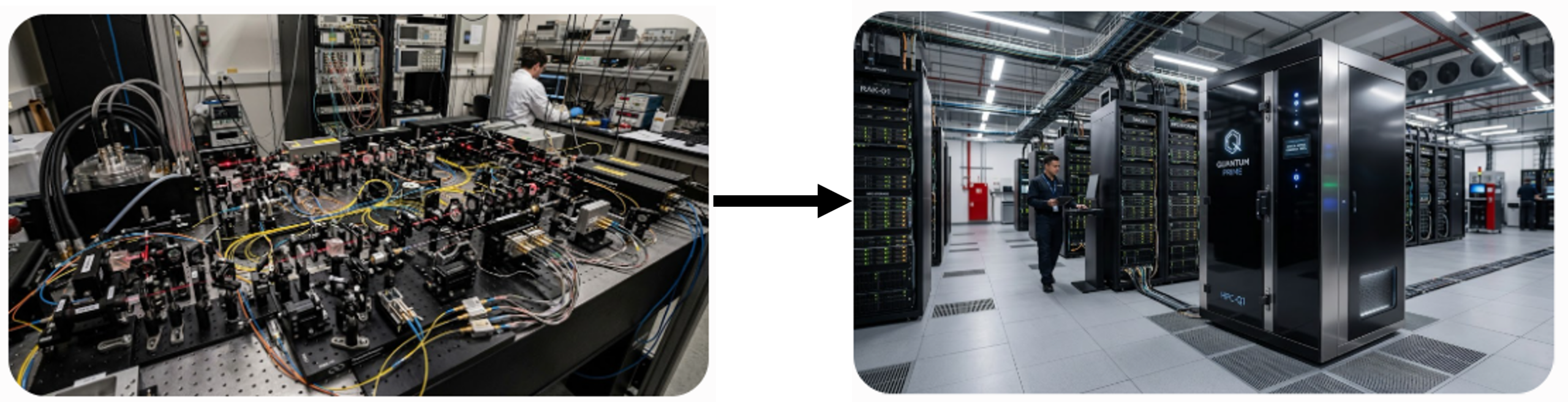
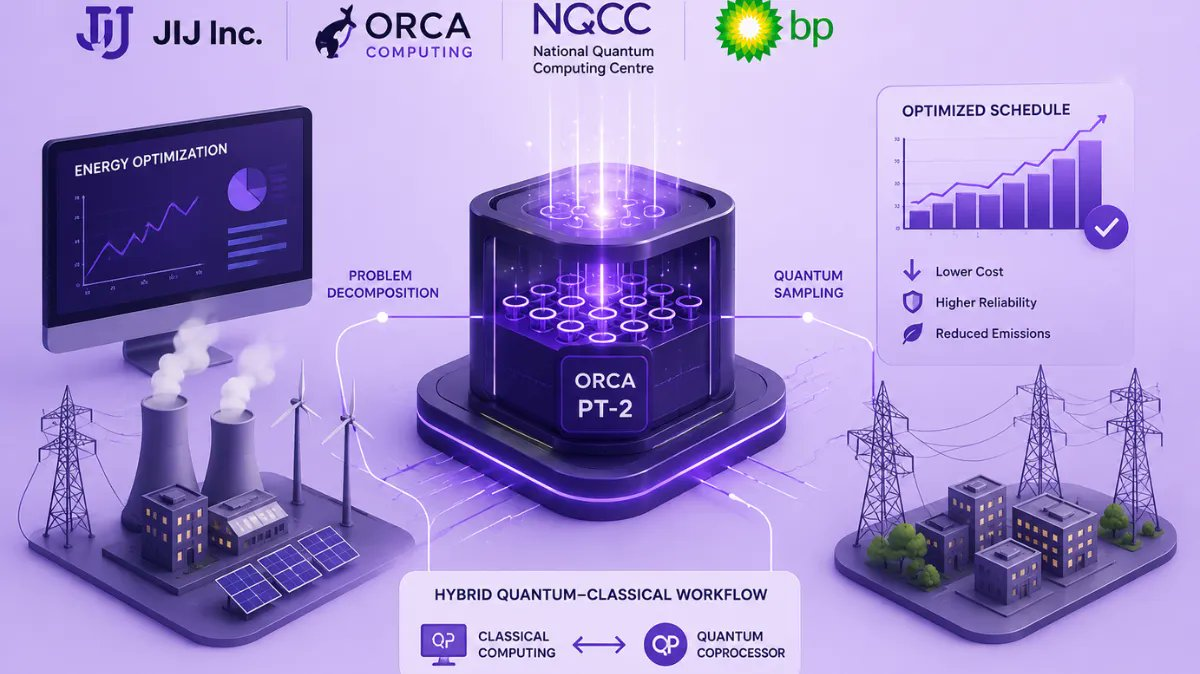
The deployment of quantum computers in data centers and HPC facilities is increasingly following the established paradigm of heterogeneous computing. By integrating quantum processors at the workload-management level, they can be treated as additional accelerators within the HPC environment, enabling hybrid workflows and orchestration mechanisms like those already used for GPUs and other specialized hardware.