Inside the race to connect quantum and exascale computing
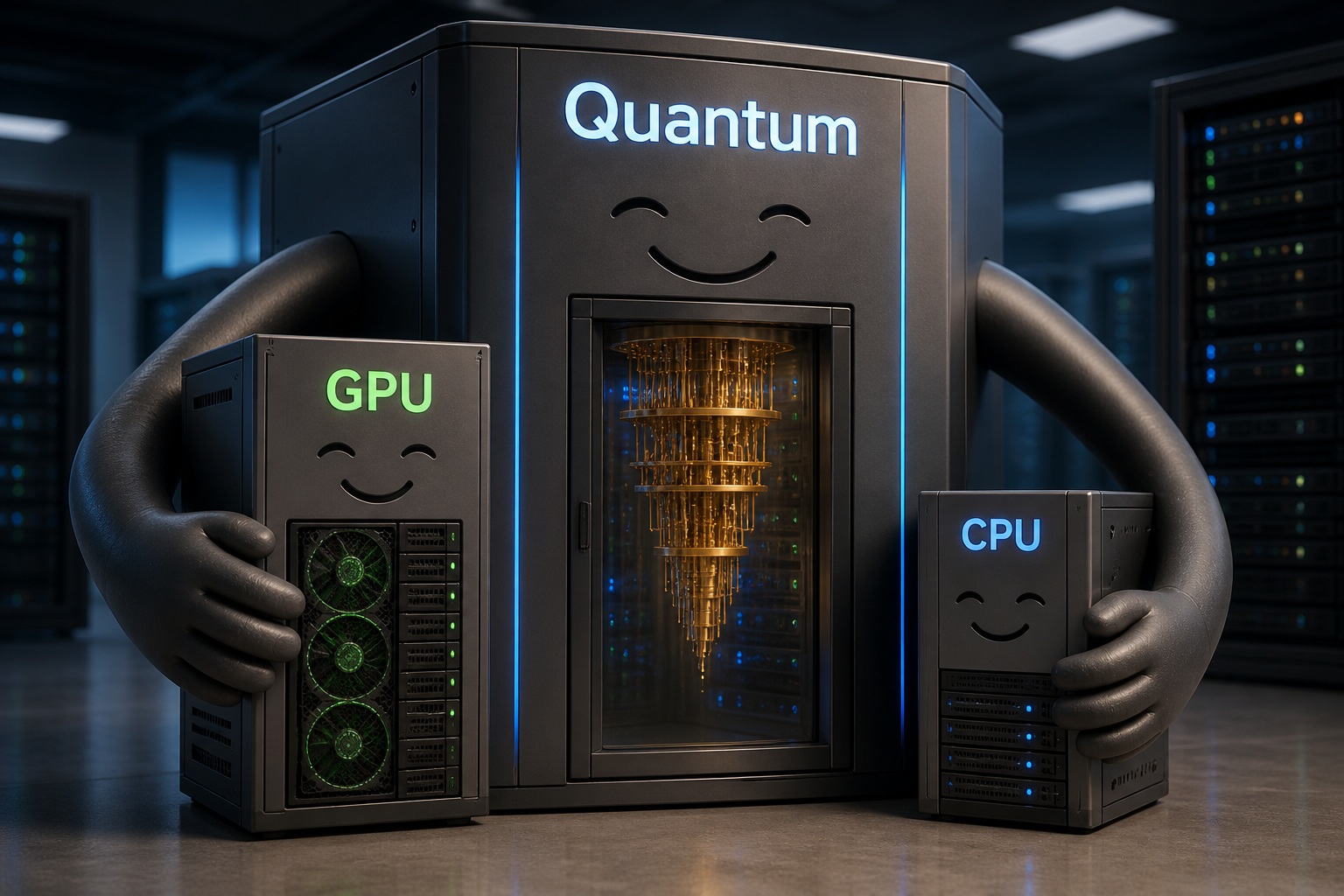
The way to look at quantum computing is not as a replacement for traditional computing architectures, but rather as a complement to them. There is the central processing unit, the graphics processing unit and, soon, quantum. Industry experts believe that all three will drive innovation for years to come.
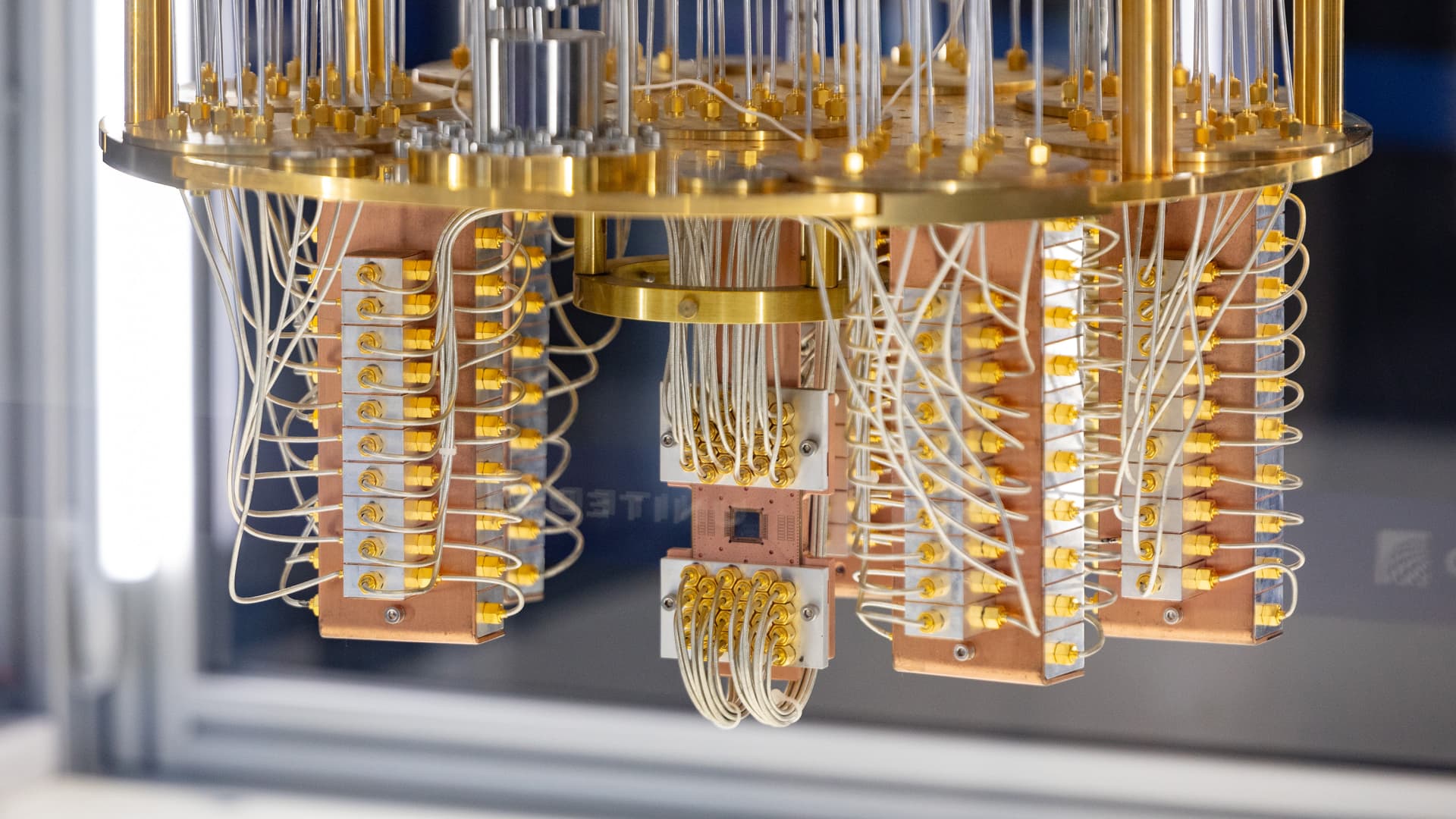
What is not clear yet is what role quantum computing will play in this computing triumvirate. Some very large technical issues have held quantum back and there is a lack of reliable, high-level tools for programming quantum computers. Despite these challenges, surging investment and rapid innovation could propel the quantum market to exceed $100 billion over the next decade. A core engineering challenge and ultimate breakthrough will be the linkage of quantum devices to exascale computers. This has been the focus of the U.S. Department of Energy’s Oak Ridge National Laboratory.
“Quantum is a rapidly-growing capability,” said Tom Beck, section head for science engagement and acting group leader for quantum-HPC at Oak Ridge National Laboratory, in an interview with theCUBE during HPE World Quantum Day 2026. “We see that as the next frontier in high-performance computing, but it’s likely to be, at least initially, a more specialized accelerator of certain computational workloads. It’s really a game of transfer of information. How do you accelerate the flow of information between the two machines and do the hardest thing on the quantum device?”