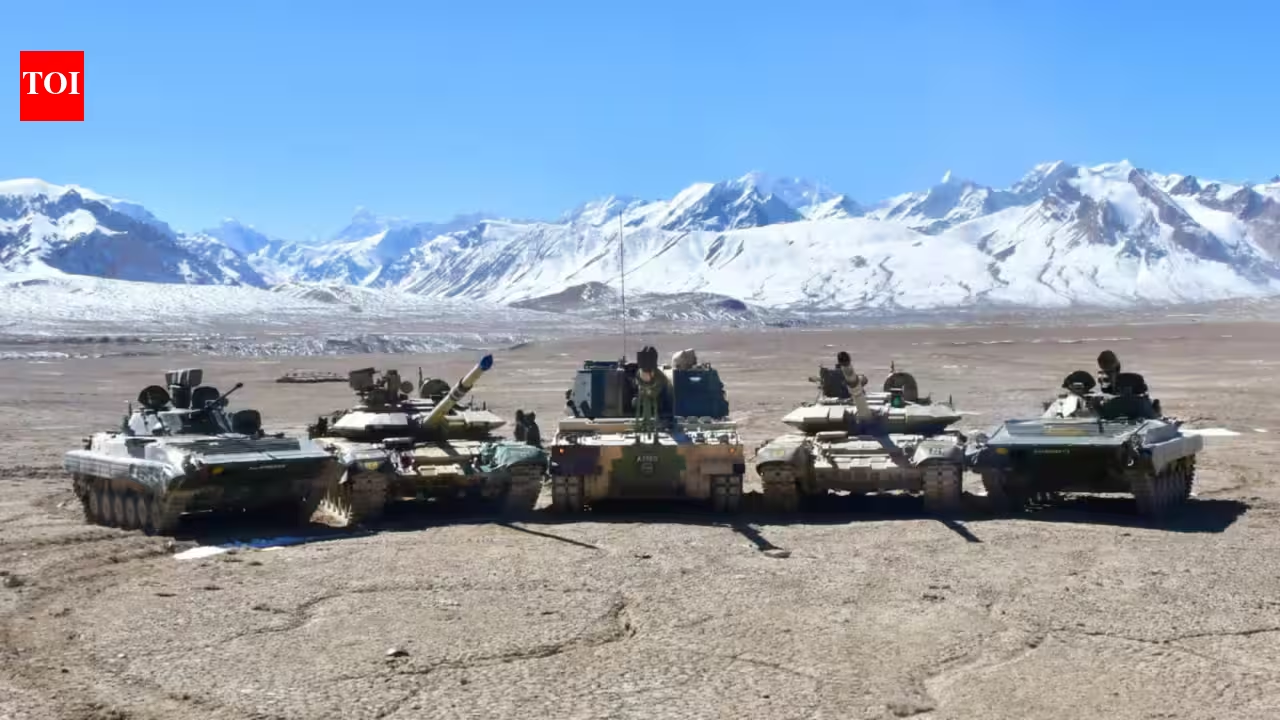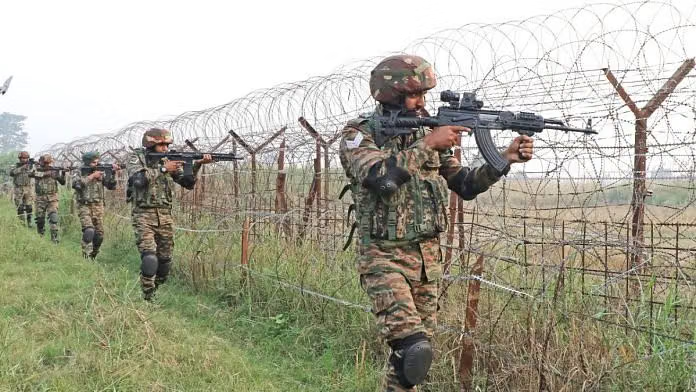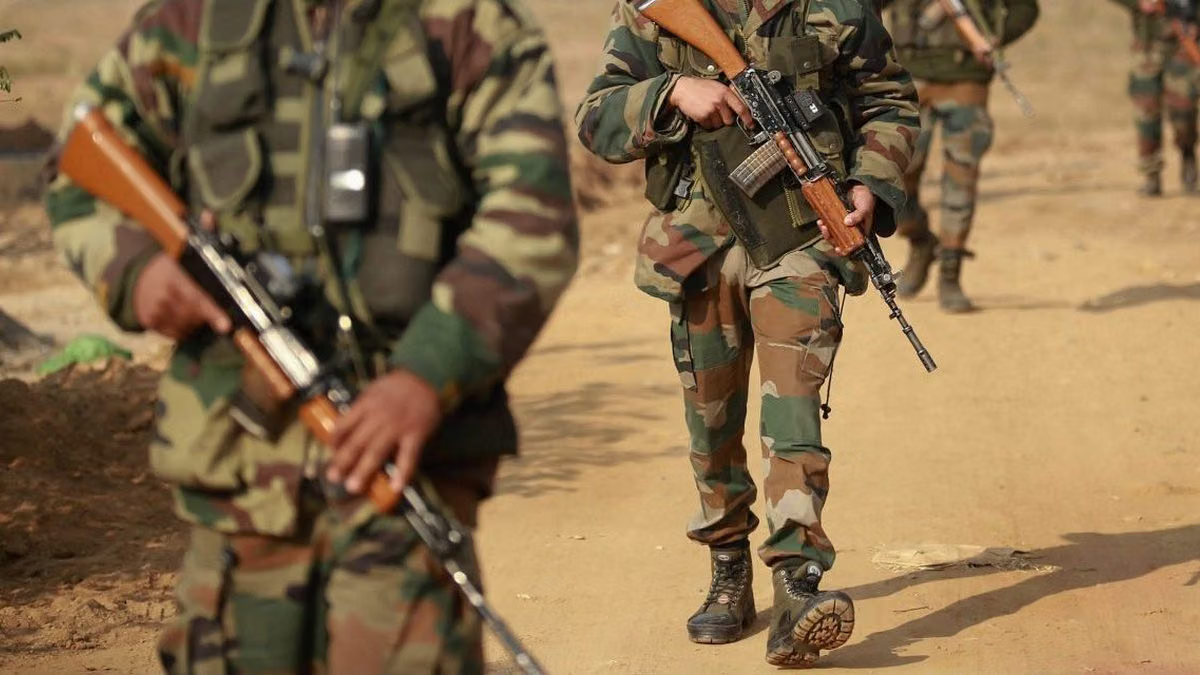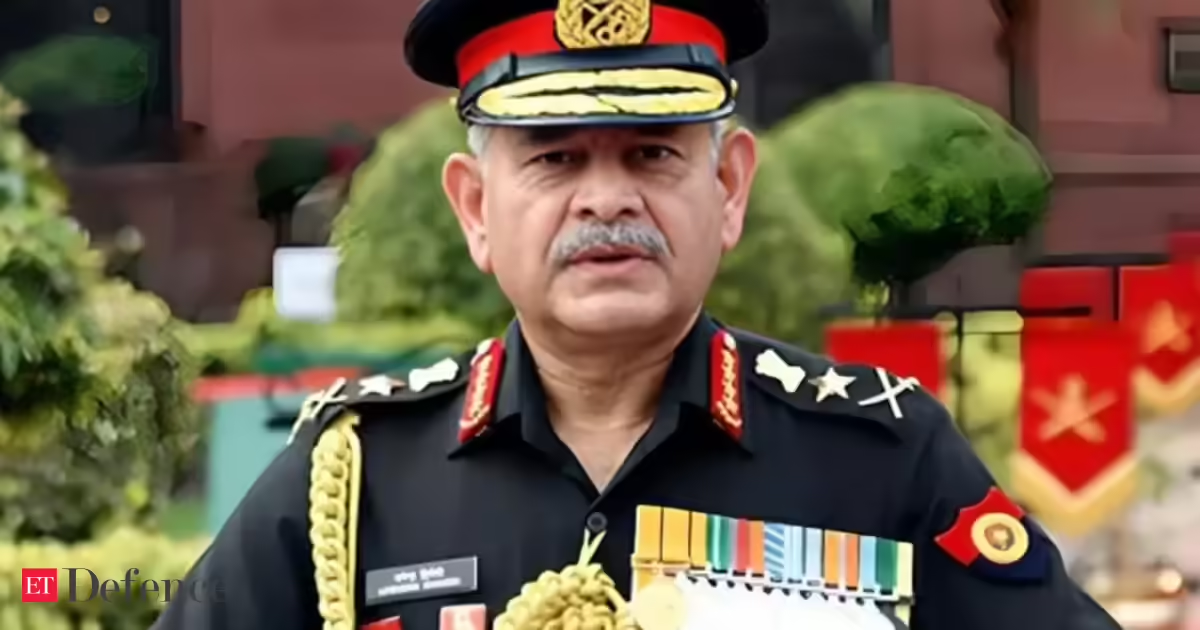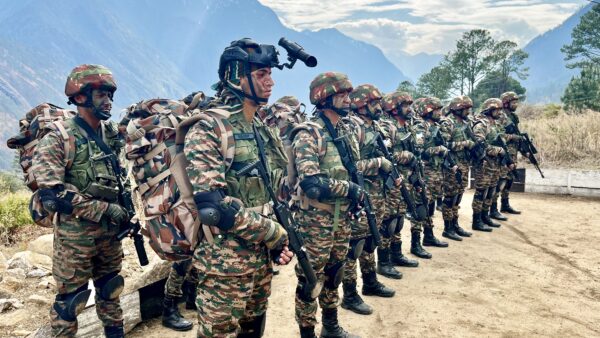
“Let me be clear that we cannot fight the next war like we fought our last,” said late General Bipin Rawat, then the Indian Army chief, in 2018. Rawat, who later became India’s first Chief of Defense Staff (CDS), spoke of four transformation efforts that he initiated in the Indian Army, one of which was the creation of Integrated Battle Groups (IBGs) for swift strikes. This was finally realized on July 1, when the Indian Army formally raised the first five IBGs and a Fire Support Group with long-range firepower. The new units are under the Eastern Command’s 17 Mountain Strike Corps facing China and located in two states, Arunachal Pradesh and Sikkim. This enables the Indian Army to launch a blitzkrieg option. The China focus underscores where India sees its biggest threats.
The process is expected to take a year to complete. Eventually, IBGs will also be created in other sectors.
IBGs are meant to be agile, all-encompassing strike formations that can mobilize at a short notice of 12-48 hours. An IBG has around 5,000 personnel, which places it between a typical brigade (3,000-3,500) and division (10,000-12,000). Headed by a major general-rank officer, the key factor is that an IBG has all elements incorporated— infantry, armor, artillery, air defense, logistics, and so on—making it self-sufficient for swift action. Each IBG would be tailored on three Ts — Threat, Terrain and Task — as stated by officials in the past.