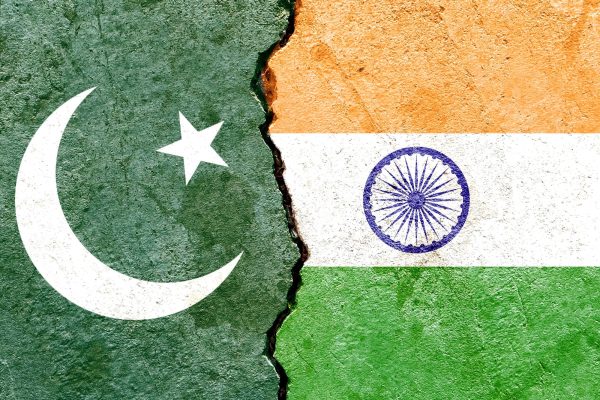
The Indian Army recently announced the operationalization of the first-batch of long-overdue Integrated Battle Groups (IBGs), the idea for which was first conceived in 2004, under the aegis of the limited-war doctrine known as the Cold Start Doctrine.
Why is the Indian Army again tilting toward establishing IBGs when the more agile Rudra brigade concept was introduced last year? Will IBGs replace the Rudra brigades? When will they be deployed, who will lead them, and what would be their composition?
Since the inception of the IBGs, they have been framed as formations to launch offensive operations against Pakistan under the nuclear overhang. As such, the status of the IBGs has security implications for Pakistan.
The idea of an IBG was copied from the Soviet Operational Maneuver Group (OMG), which was tasked with piercing through an adversary’s well-guarded defenses. The Indian Army began to consider adapting to a new, small, and mobile combined force after the swift mobilization of its bulky strike corps failed during Operation Parakaram in 2001-02. The composition of an IBG will depend on the terrain where it is deployed. However, their numbers are expected to remain between 5,000 and 6,000.