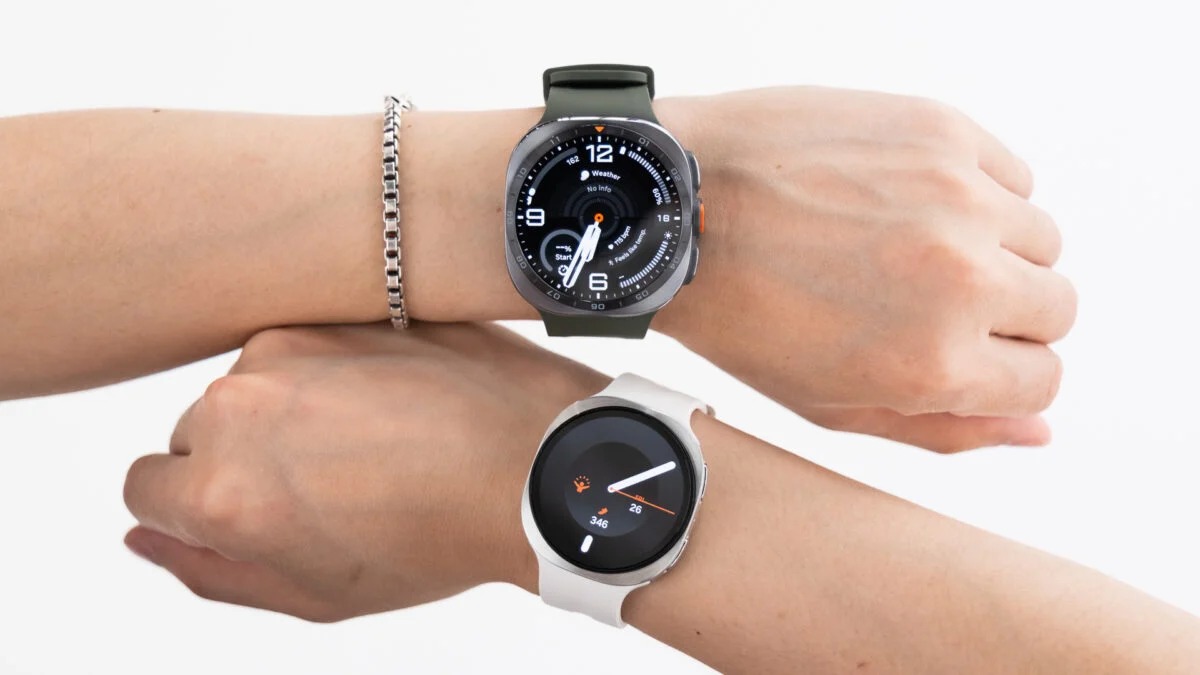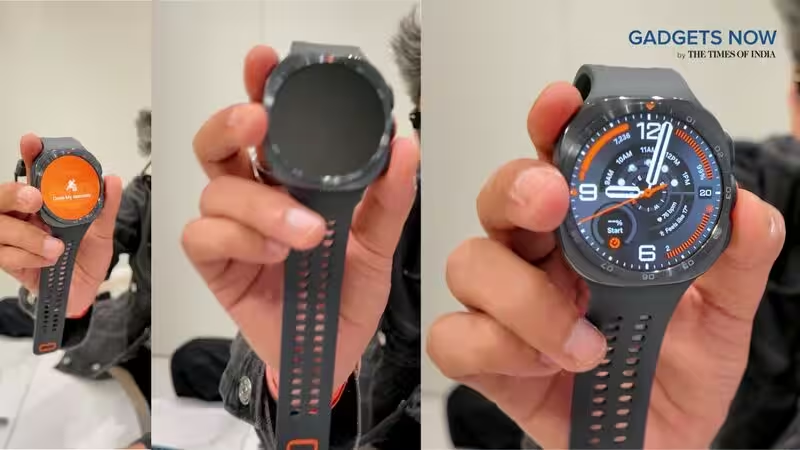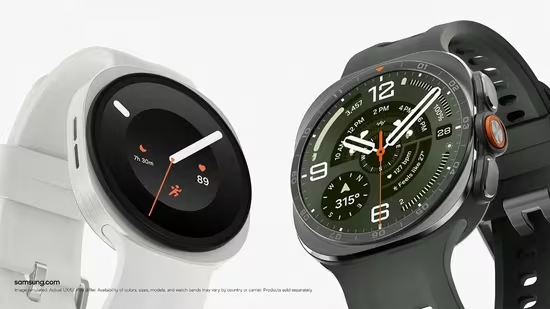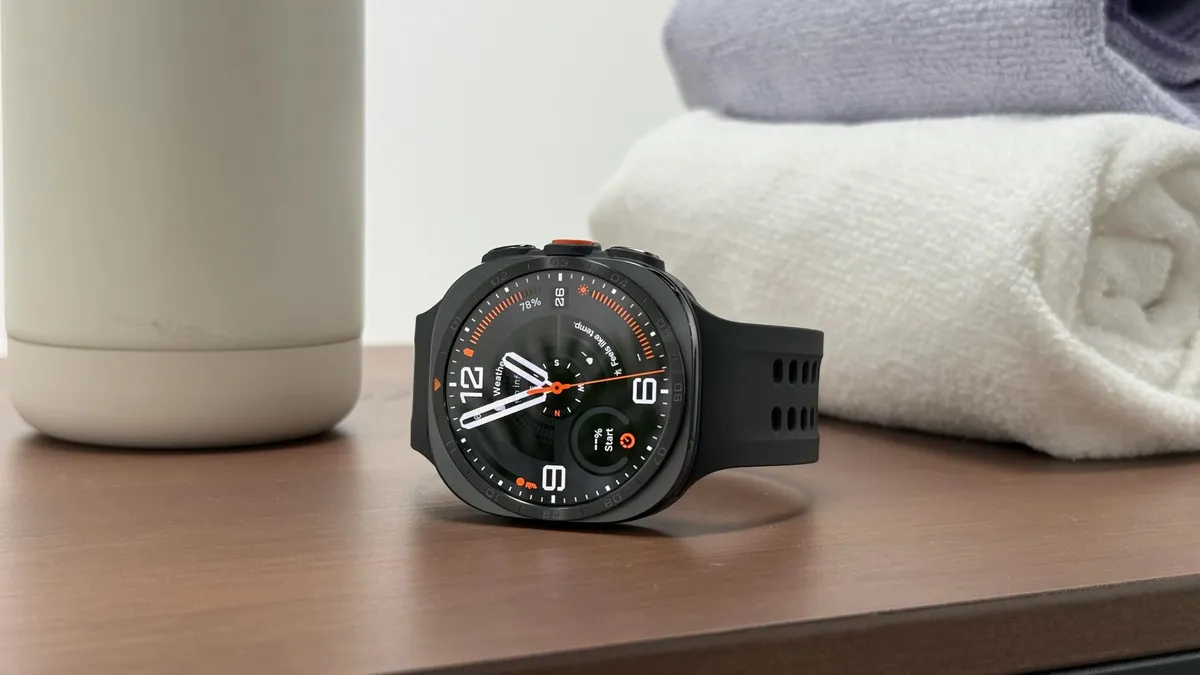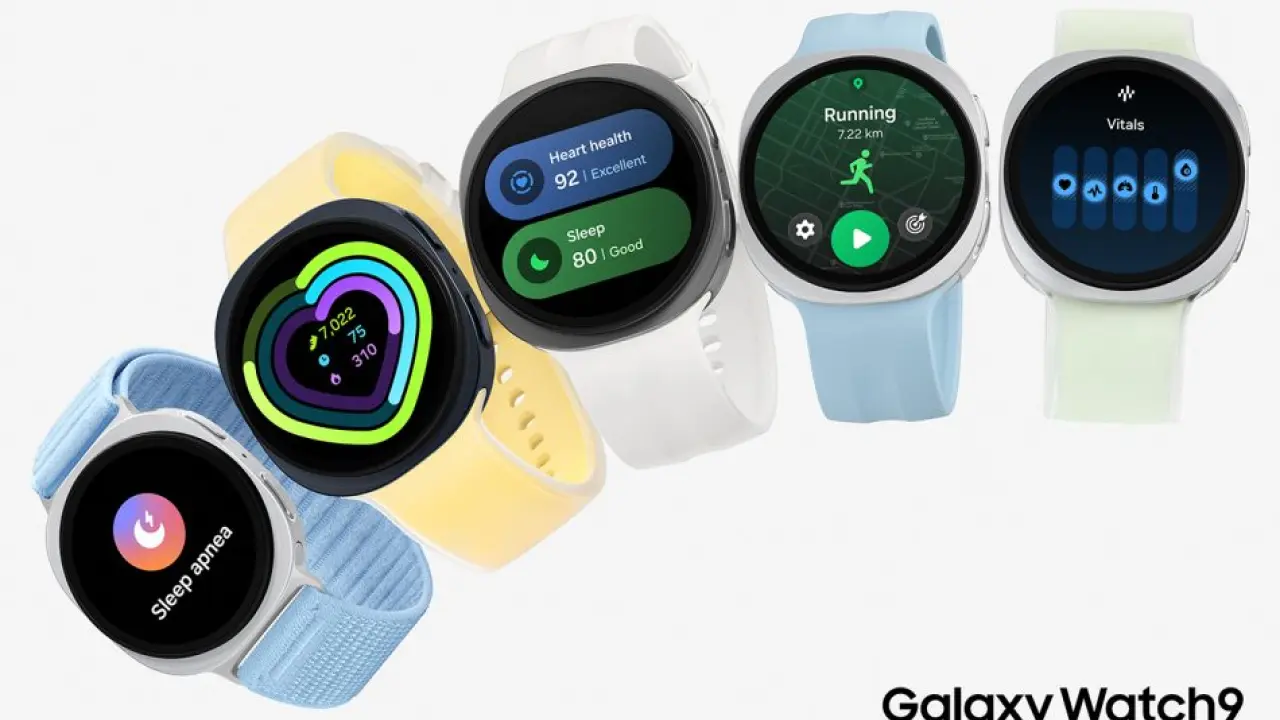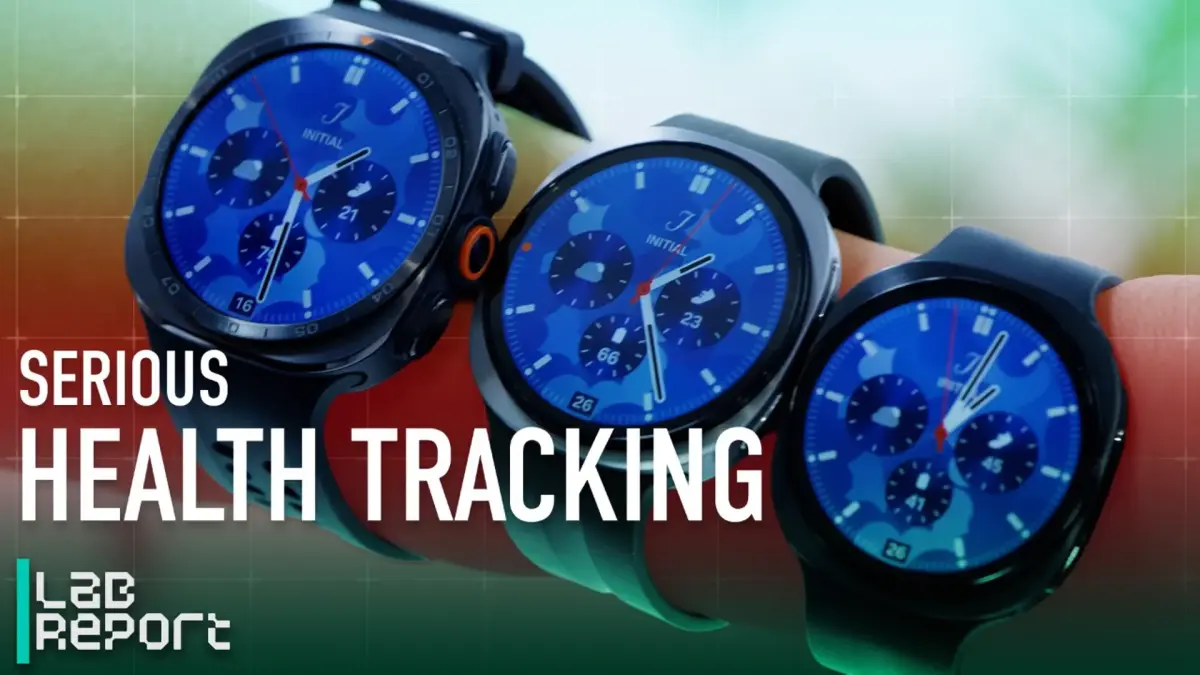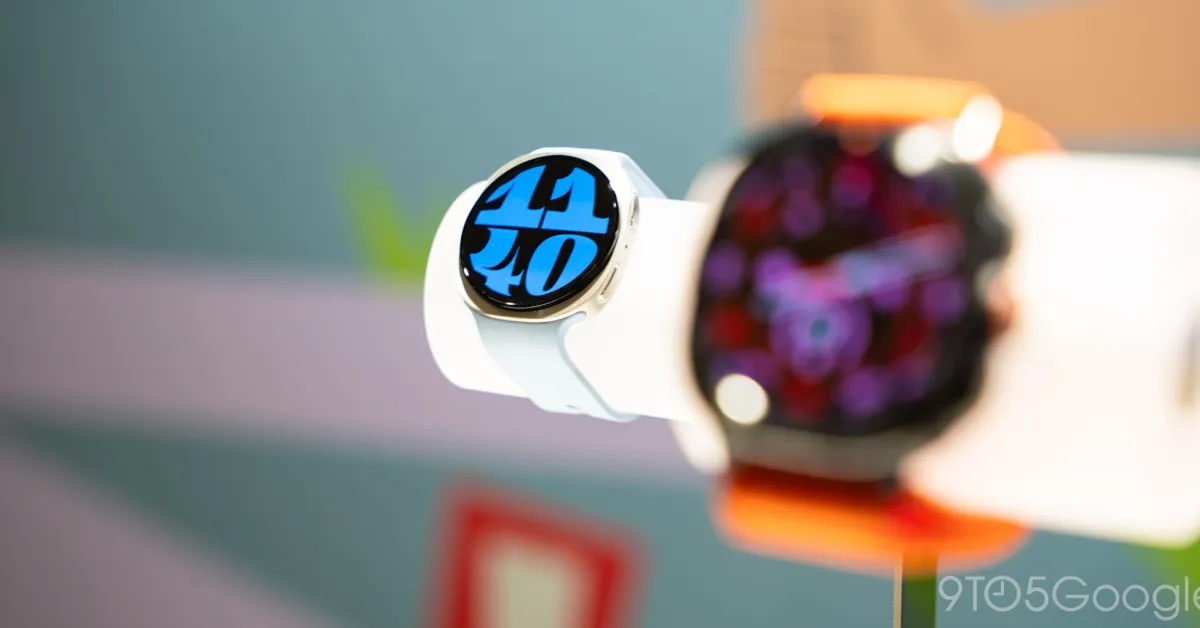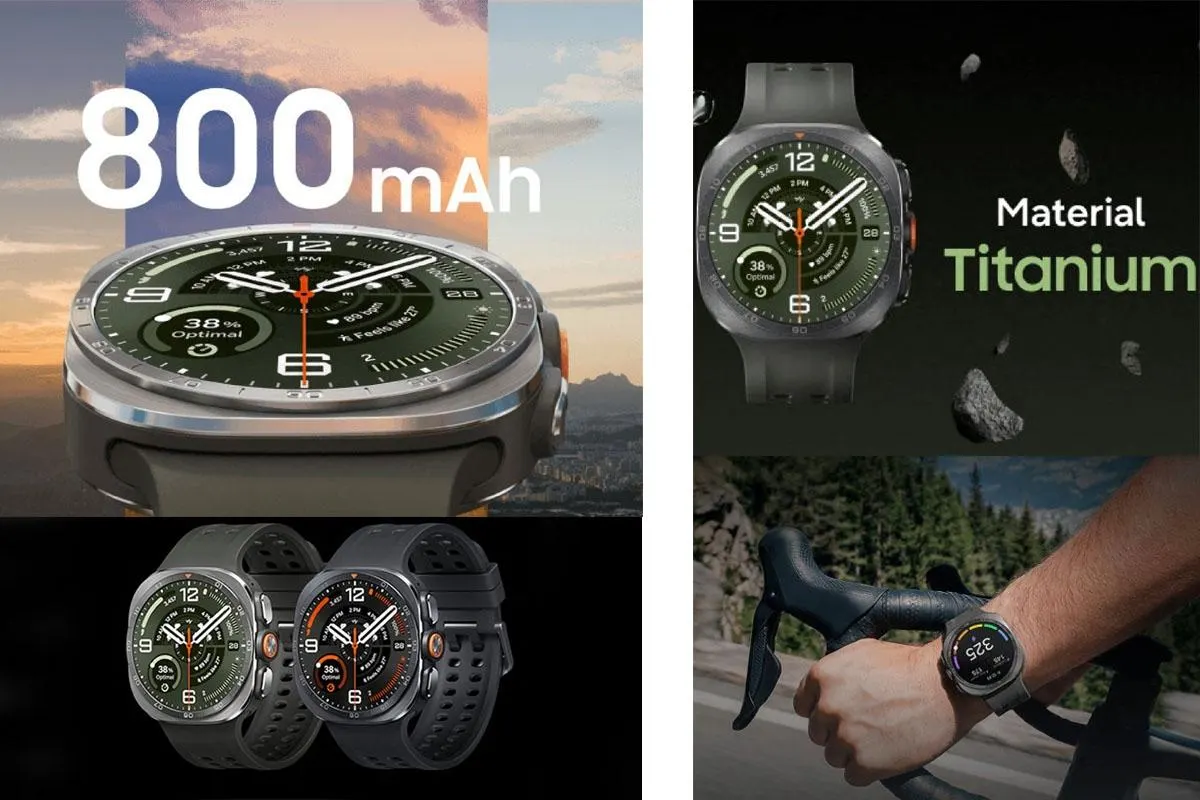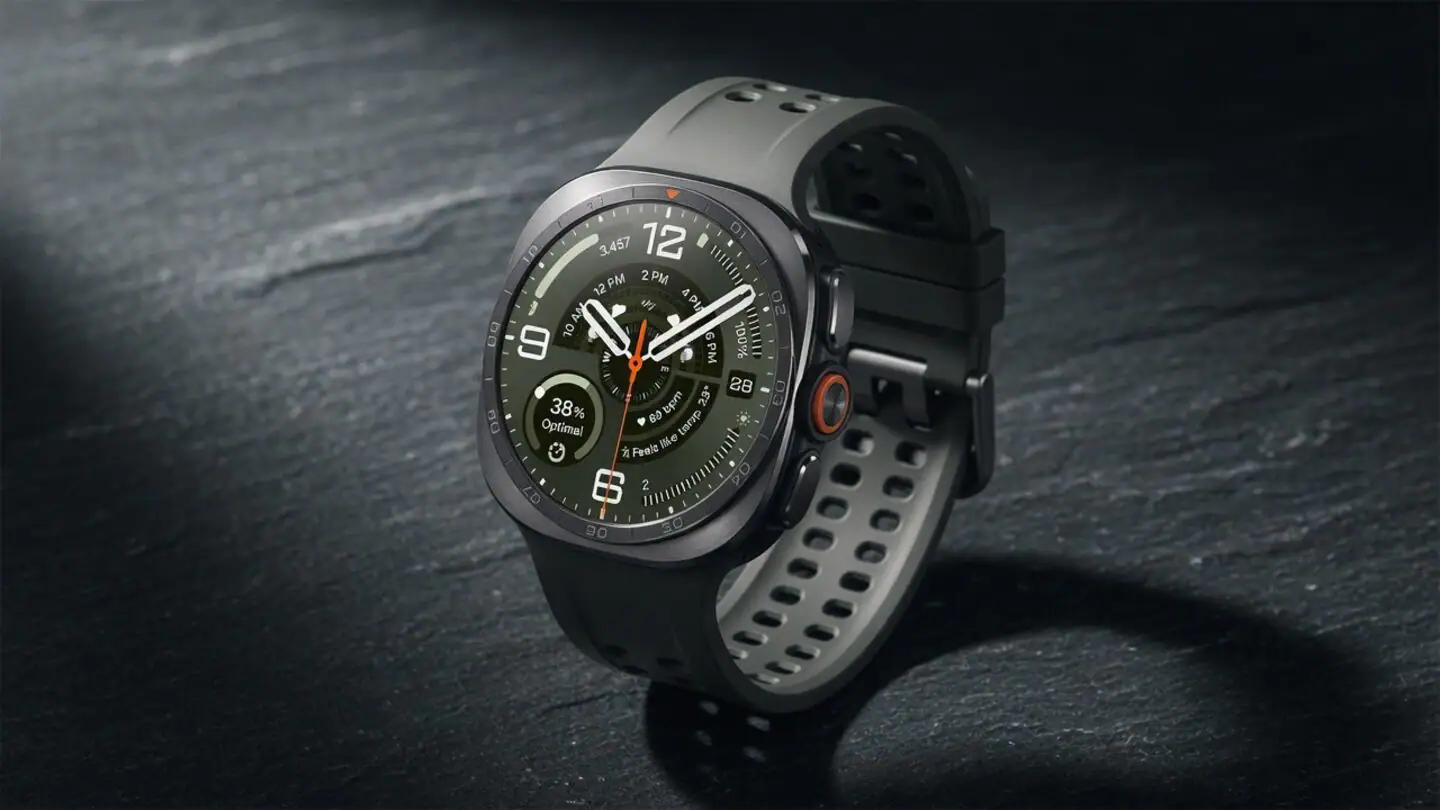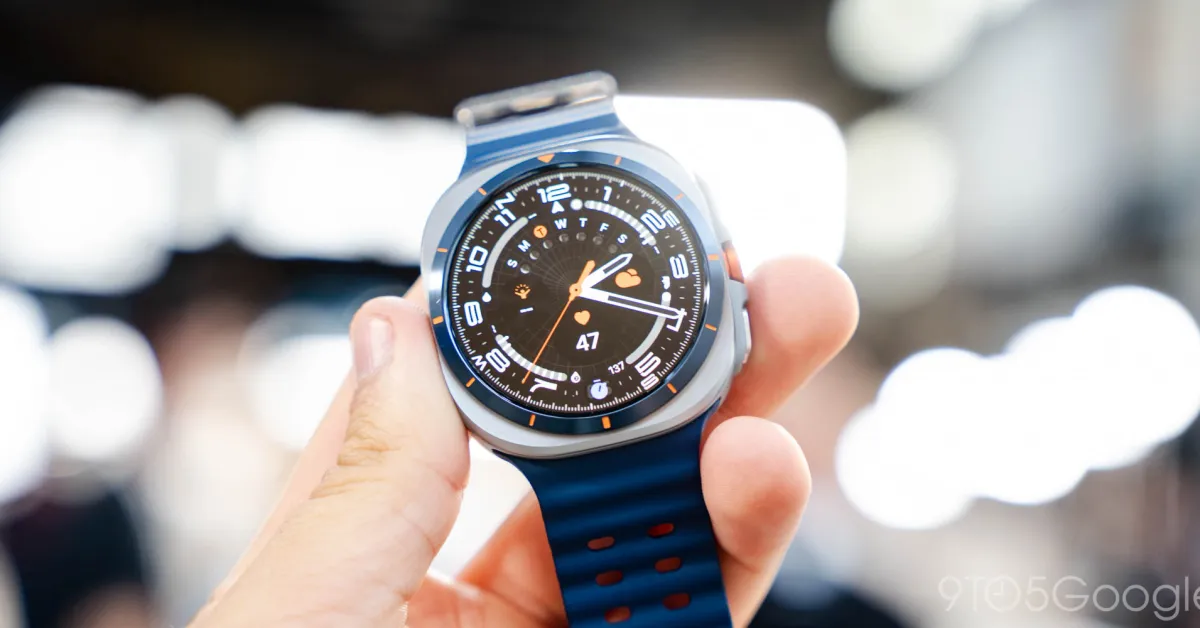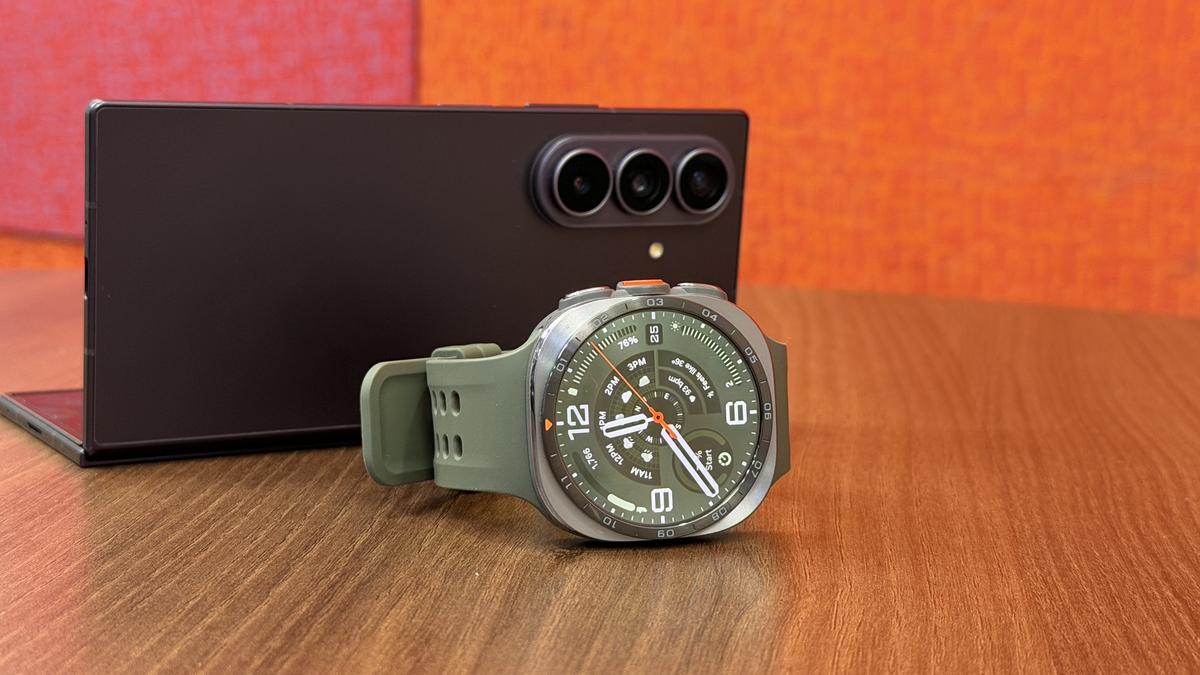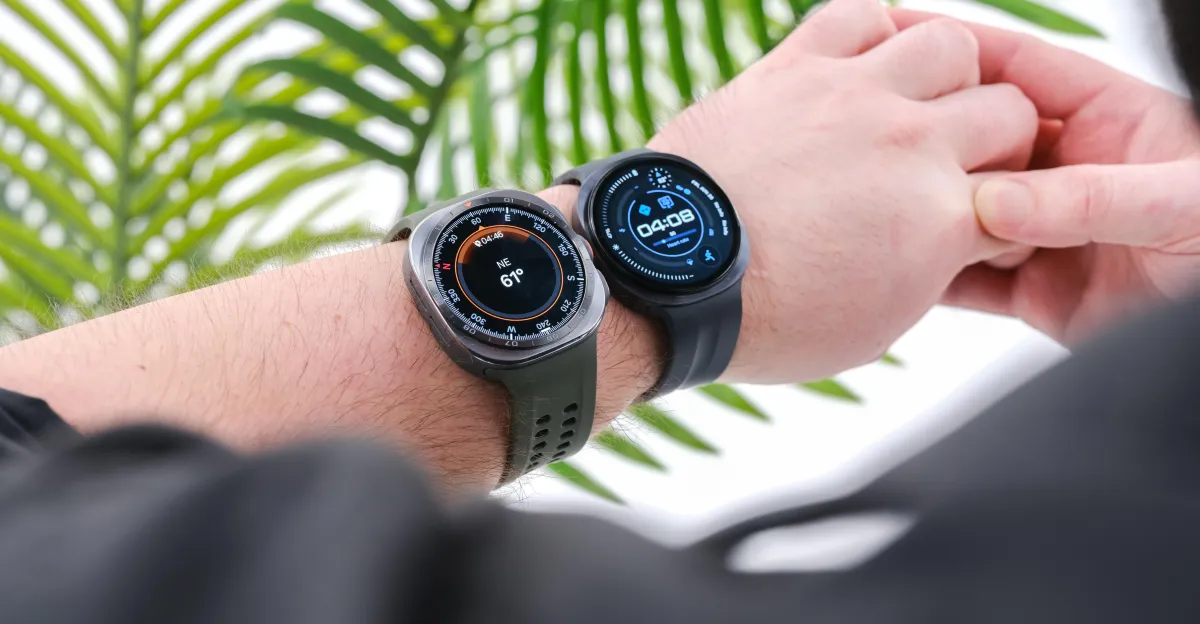
It’s a year of refinement for the Galaxy Watch. With the new Galaxy Watch 9 and Galaxy Watch Ultra 2, which are being announced today, Samsung is more or less taking what people like about its watches and tweaking those elements to be better. The company has been doing this for the past few generations of its watch line, but this year’s updates seem focused on shoring up Samsung’s wearable weaknesses. Namely, battery life and preventive health features.The Ultra 2, now $50 more expensive at $699.99, gets a few key spec bumps. The 47mm watch packs in a whopping 800mAh battery — a major 35 percent increase from the 590mAh battery in the original Ultra. I got around 70 hours on the original Ultra, so I’m curious to see how this battery boost translates to everyday usage. I was worried the larger battery would necessitate a chonkier watch, but surprisingly, the case is 12 percent thinner, measuring 10.7mm. The standard strap is also about 1mm thinner at 1.9mm, and a bit softer to the touch.Another tweak for outdoors enthusiasts: The watch now has a 5,000-nit display with thinner bezels around the sides. That level of brightness might seem excessive, but it’s meant to improve visibility in direct sunlight. I wasn’t invited to see the watches in person, but my colleague Owen Grove saw the watch indoors and said the display looked slightly brighter than the Watch 9, which has a 3,000-nit display. That gives the Ultra 2 the brightest smartwatch screen and among the biggest batteries.The Ultra 2 is also getting a new trail run tracking feature, which seems like an attempt to compete with Garmin more so than the Apple Watch Ultra line. It allows you to download GPX files for GPS routes to enable real-time navigation and elevation guidance. You’ll also get an estimated completion time and real-time hydration alerts. One note: The algorithm essentially predicts how much you’ve sweat based on workout intensity and demographic data — the sensors themselves aren’t measuring how many electrolytes or how much water you’ve actually lost. Divers also get IP69K, 10 ATM, and EN 13319 dust- and water-resistance rating, plus a bespoke diving app from scuba equipment maker Mares. The app will arrive later this year and will monitor descent speed, record time at a given depth, plus give ascent guidance.OptimizerA weekly newsletter exploring the latest wellness trends, gizmos, and potions.Email (required)The Galaxy Watch 9, which is seeing a $30 price bump to $379.99, is mostly the same as last year’s Galaxy Watch 8. The most notable difference is that the Watch 9 (and the Ultra 2) ditch Samsung’s proprietary Exynos chipset for Qualcomm Snapdragon Wear Elite. Presumably, this is to help with power efficiency and AI processing. (Qualcomm announced the chip earlier this year at Mobile World Congress as an “AI-wearable first” chipset.) This could be to perhaps boost Gemini performance, and one new update with Wear OS 7 is you’ll be able to raise to talk without using the Gemini wake word. Samsung says it’s also tuned Gemini so it won’t trigger when you lift your wrist to check the time. It’s hard to gauge any performance boosts at a hands-on; some of my colleagues noticed a slight latency while scrolling through screens, but that could easily be due to demo models and wonky connectivity. We’ll have to see how the watches fare under normal testing conditions.Battery capacity gets a slight boost on both the 40mm and 44mm watches. The smaller watch gets a roughly 20 percent increase to a 390mAh battery, while the larger one gets a more modest bump from 435mAh to 445mAh. The straps are 17 percent lighter with a new “air pocket structure,” which allows for a gap between the fabric and wrist for what Samsung promises is a more comfy, breathable fit.The bulk of the Galaxy Watch 9’s updates come in the form of four new preventive health metrics, which are also coming to the Ultra 2. The first is a Vitals feature. After a week of consecutive wear during sleep, the Samsung Health app will generate a baseline for blood oxygen, heart rate, heart rate variability, skin temperature, and respiratory rate. In the morning, you’ll get a proactive alert if any deviate from your baseline, alongside some tips on how to get back on track. This is basically a dupe of Apple’s Vitals feature, which was released with watchOS 11 in 2024.It’s also adding a Heart Health Score and a Daily Cardio Load metric. The former generates a score out of 100 every day based on your eight-day sleep time average, moderate to vigorous activity level, BMI, and vascular load. The latter helps you balance training versus recovery based on workout intensity, maximum training load, and real-time heart rate data. The idea is to help you determine if you’re overtraining, undertraining, or doing just the right amount. Again, these aren’t new ideas. We’ve seen similar features from Oura, Whoop, and Fitbit (now Google Health) over the past few years.1/7Wear OS 7 should add some new improvements to power efficiency and battery life. Photo: Dominic Preston / The VergeThe most unique health metric is the new Fitness Index. It’s a radar chart that graphs how your strength, flexibility, endurance, cardio, and body composition compare to other Samsung users, based on factors like your VO2 Max, heart rate, step counts, activity time, and bioimpedance analysis results. You might be most familiar with radar charts if you play roleplaying games — it doesn’t tell you whether your metrics are good or bad, but rather it’s a method for visualizing your relative strengths and weaknesses.This generation of Samsung watches feels like a mix of catching up to rivals’ health features and refining what already works. That’s not the worst combination, except for the fact that all the watches are more expensive. The company has been slowly increasing the prices of its wearables over time — though geopolitical factors probably play some role in this year’s bumps, too. Even so, you never like to see prices go up.The watches are available for preorder starting today and are expected to ship starting August 7th.Follow topics and authors from this story to see more like this in your personalized homepage feed and to receive email updates.Victoria Song
Samsung’s Galaxy Watch 9 and Ultra 2 bet big on battery
The Ultra 2 has an 800mAh battery! 800!
1,047 words~5 min read