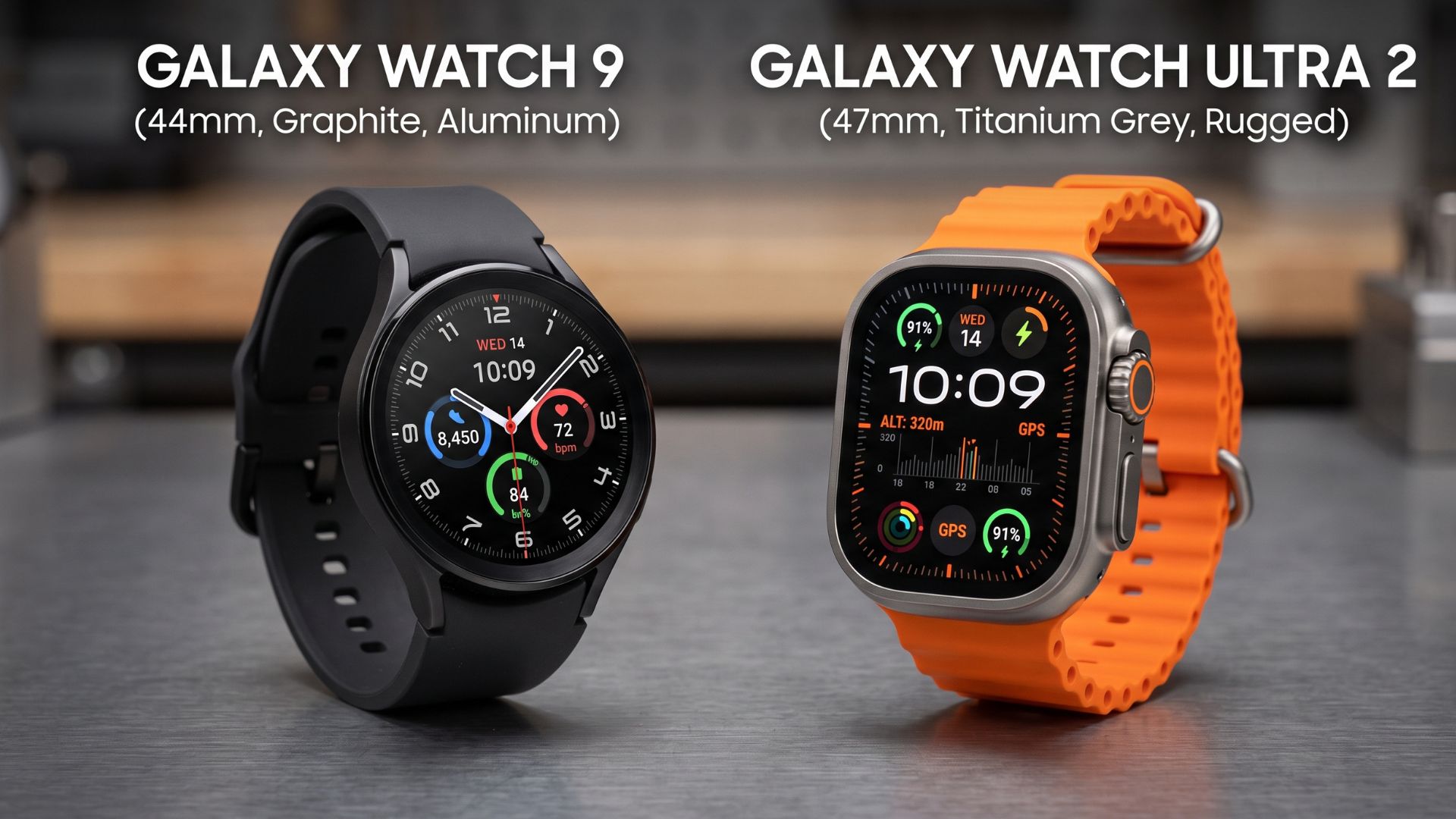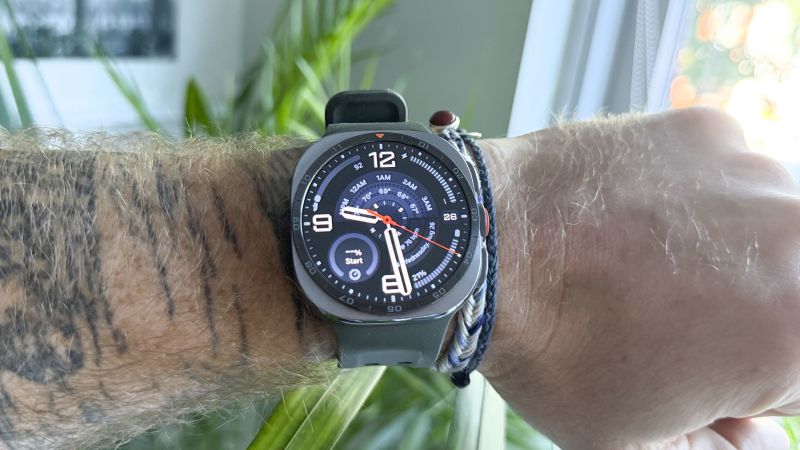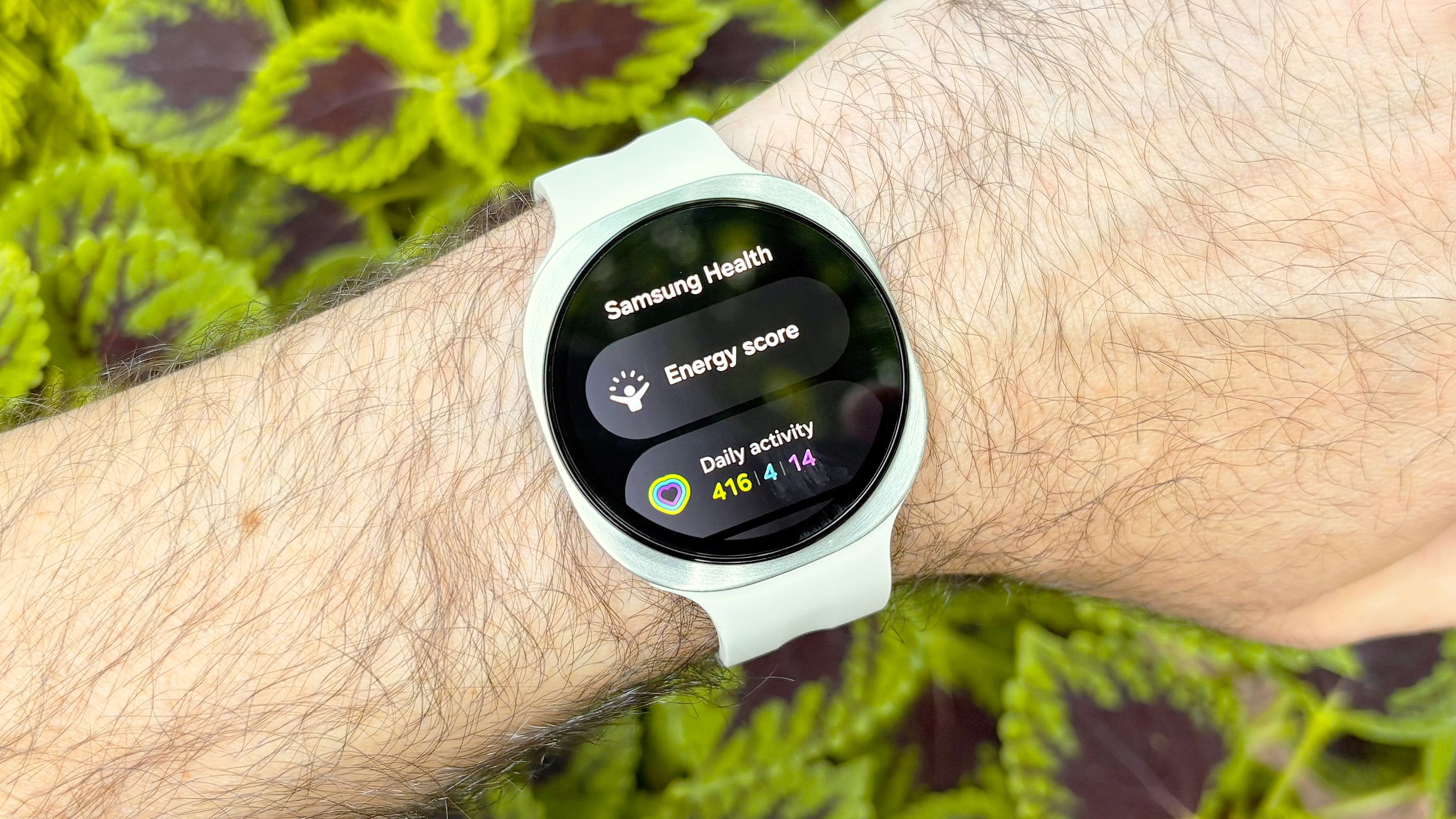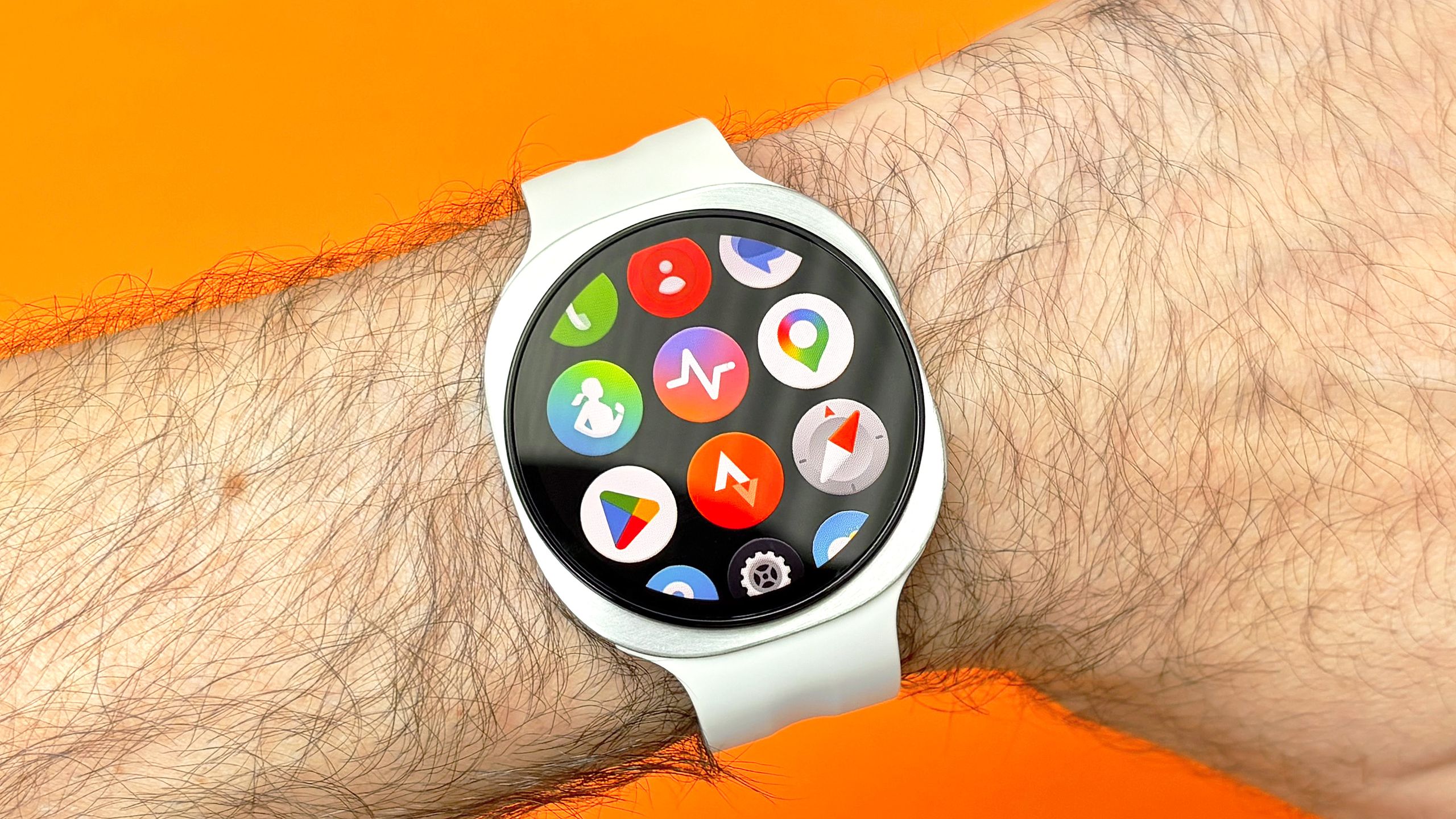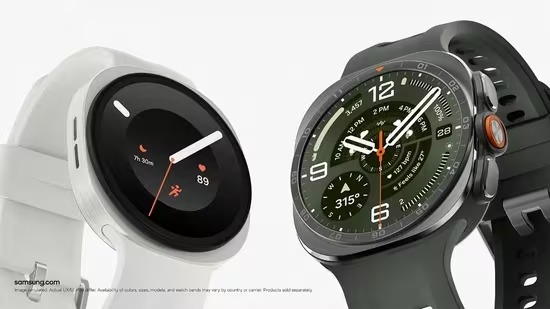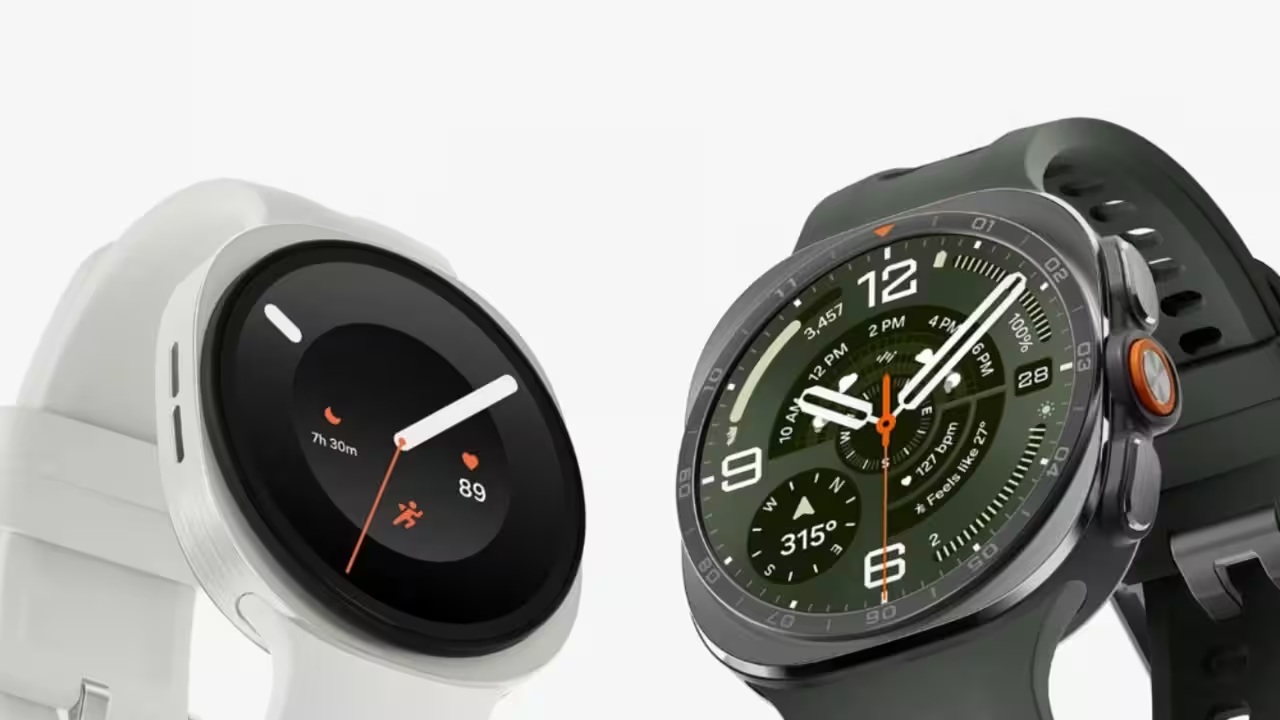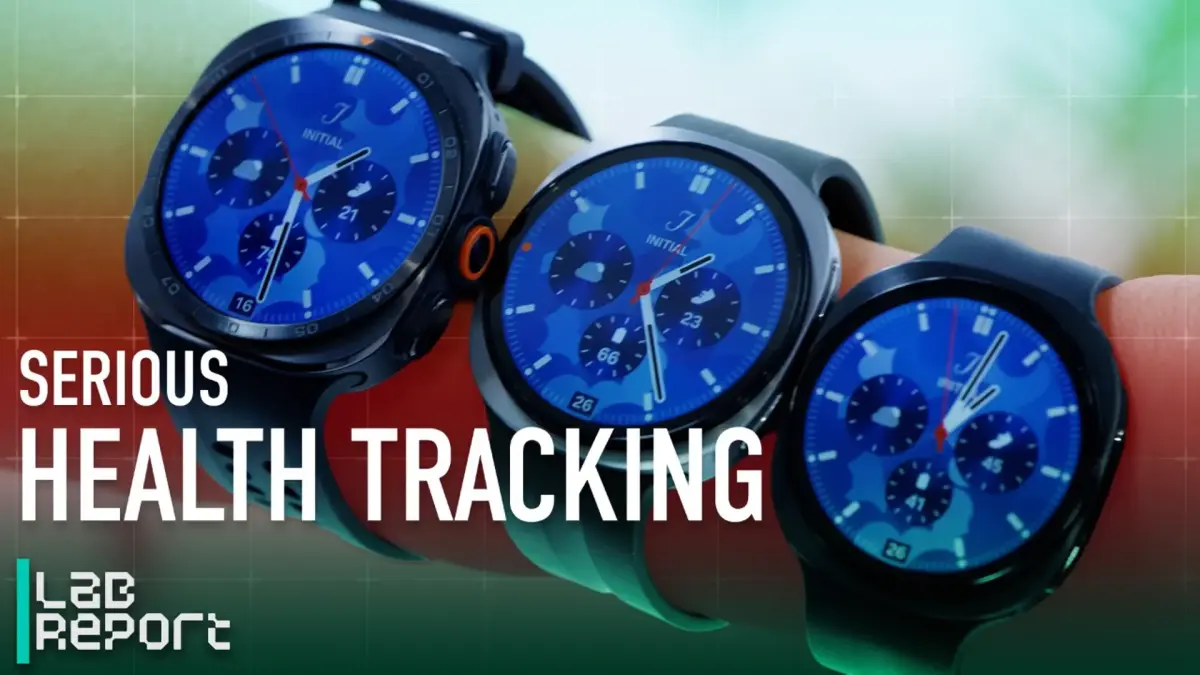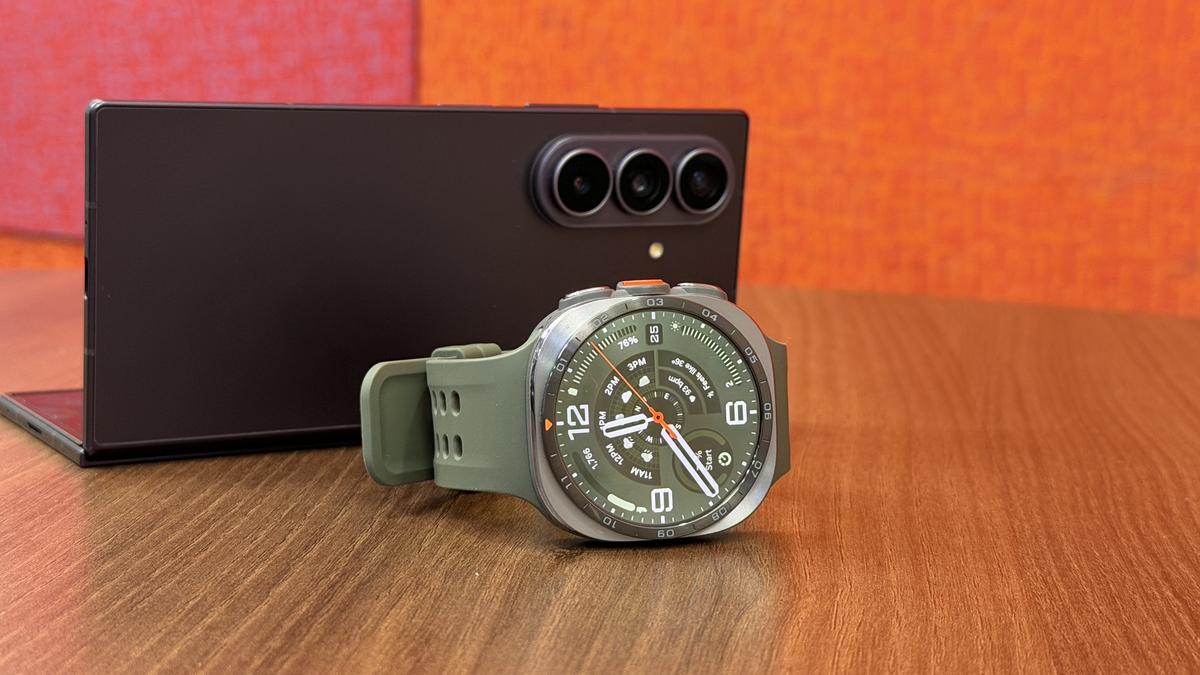
Samsung has launched the Galaxy Watch Ultra 2 and the Galaxy Watch 9, both promising effortless fitness tracking.The Galaxy Watch Ultra 2 is aimed at outdoor enthusiasts and performance-driven users, built to survive harsh environments while still delivering accurate tracking, all-day-and-then-some battery life, and uninterrupted health monitoring.The Galaxy Watch 9, on the other hand, positions itself as the ultimate everyday health companion, designed for wellness-conscious users who want to build healthier habits through effortless, continuous activity and sleep tracking.Priced at ₹64,999 and ₹37,999 respectively, both watches cost slightly more than their predecessors. In this review, we find out whether that price bump is backed by genuine improvements in performance or just marketing claims.Design and ControlsSamsung has retained the Ultra series’ distinctive look rather than starting over. The Ultra 2 pairs a circular display with a cushion-shaped titanium case, giving it a tougher identity than the regular Galaxy Watch range. The edges around the screen and bezel flow more naturally into the case, while the redesigned buttons add a cleaner finish. It still looks rugged, but the design feels less industrial than before.The difference becomes more apparent once the Ultra 2 is on the wrist. Its thinner profile keeps the watch closer to the skin and reduces movement during workouts. Although it weighs 61.5 grams, which is slightly more than the previous model, it feels better balanced. The redesigned Marine Band also helps here. It is lighter and more flexible, bends naturally around the wrist and remains comfortable during exercise and sleep.The Galaxy Watch 9 follows a more familiar formula. It retains the circular face and rounded-square bezel that Samsung calls its cushion design. Its dynamic lug system keeps the watch close to the skin, while the new lighter bands use air pockets for added comfort. The watch is easy to wear throughout the day without feeling cumbersome.Both watches are built for regular exposure to water and demanding conditions. The Watch 9 gets IP68, 5ATM and MIL-STD-810H certification. The Ultra 2 goes further with 10ATM, IP69K and MIL-STD-810H ratings, along with EN13319 certification for diving. Controls are handled through touch and physical buttons. The Watch 9 has two buttons, while the Ultra 2 adds a dedicated Quick Button for workouts and shortcuts. A physical rotating bezel would still have made navigation easier with wet hands or gloves.DisplayThe Galaxy Watch Ultra 2 gets a 1.52-inch Super AMOLED display with a claimed brightness of 5,000 nits. The specification sounds impressive, but the important part is how it performs. The screen remains clearly visible outdoors, even under direct sunlight. Colours are vibrant, text is sharp and the larger panel provides enough space to show multiple pieces of information without looking cluttered.The Galaxy Watch 9 uses a Super AMOLED panel, available in the 1.34-inch and the 1.47-inch sizes, depending on the variant. The display offers up to 438 x 438 resolution and 16 million colours, along with adaptive brightness. Its 3,000-nit peak brightness is more than sufficient for outdoor viewing.SoftwareBoth watches run Wear OS 7 with Samsung’s One UI 9 interface. This combination gives them access to a wide range of apps through Google Play, including Maps, Wallet, Gmail and Spotify. LTE is also available on the Ultra 2, allowing calls and messages without keeping the phone nearby.Samsung has also brought Gemini closer to the wrist. The watches support a raise-to-talk gesture, while the Watch 9 also offers gestures for opening apps, dismissing calls and making selections. These additions make interaction more convenient, although the Ultra 2’s raise-to-talk activation was not consistently reliable during testing.ProcessorQualcomm’s Snapdragon Wear Elite powers both watches. The Galaxy Watch 9 comes with 2 GB RAM and 32 GB storage, while the Ultra 2 gets 2 GB RAM and 64 GB storage. The newer platform also improves CPU and GPU performance over the older Exynos chip used by the previous Watch 8.During daily use, both watches feel smooth and responsive. Apps open quickly, while animations are fluid and move between notifications. Tiles, watch faces and applications do not feel sluggish. The Ultra 2’s additional storage is particularly useful for users who want to make greater use of its standalone smartwatch capabilities.Health and FitnessFitness tracking is where Samsung has packed in the most functionality. Both watches support activities such as walking, running, cycling, swimming and strength training. Automatic workout detection also works well, recognising sustained activity without requiring users to start every session manually. Every time I was walking or using an elliptical, the watch was quick to identify the activity and record it automatically.The Ultra 2 is clearly aimed at more serious outdoor users. Trail Run provides information such as elevation, incline and elevation gain, while GPX routes can be imported for navigation. The watch can also record diving information, including depth, water temperature and dive duration.For everyday health, Samsung’s BioActive Sensor tracks heart rate, blood oxygen, skin temperature, and body composition. ECG and blood-pressure monitoring are available in supported markets, while sleep tracking, sleep-apnoea detection, and Energy Score add more context to daily health data. Some advanced features require a compatible Samsung phone. While I was satisfied with the tracking overall, I do feel the app can offer more comprehensive details on the data, like the Oura ring.The Watch 9 does add several metrics designed to turn this data into more actionable insights. Fitness Index evaluates body composition, cardio, endurance, flexibility and strength. Cardio Load helps guide workout intensity, while Heart Health Score combines activity, sleep, body composition and blood-pressure information.Sleep tracking covers sleep duration, REM and deep sleep, time awake, sleep latency, blood oxygen, heart rate, respiratory rate and skin temperature. The Sleep Coach then uses this information to offer suggestions. However, sleep data can occasionally have gaps, which affects the resulting score. Stress measurement doesn’t happen on its own but you can measure it manually through the watch.Workout accuracy is generally strong. Heart-rate readings remained close to those from competing premium watches, while running provides additional information such as cadence, elevation, speed and form metrics. However, step counting was not flawless on every occasion. These small inconsistencies do not undermine the overall tracking experience, but they show that Samsung still has room to improve.BatteryBattery life is arguably the biggest weakness of both watches, particularly at their respective prices. The Ultra 2 does considerably better with its 800 mAh battery. Realistically, it can manage around 48 to 50 hours with Always On Display enabled during the day and several workouts tracked. That makes two-day usage achievable.The Watch 9 is less convincing. Its 40mm model has a 390 mAh battery, while the 44mm version gets 445 mAh. I had the 44mm version and despite the larger capacities, endurance remains close to the previous generation. With Always On Display enabled, roughly a day’s use is realistic. Charging is also slow, with testing taking around 108 minutes to reach full capacity.The Ultra 2 supports faster charging and can reach around 40 percent in 30 minutes, but a complete charge still takes approximately 1 hour and 45 minutes. For watches costing ₹37,999 and ₹64,999, Samsung could have done better here.VerdictSamsung has taken a clear step forward with the fitness capabilities of the Galaxy Watch 9 and Galaxy Watch Ultra 2. Some additions genuinely improve the experience, while others still feel like features that need refinement. The Watch 9’s Fitness Index, Cardio Load and Heart Health Score add useful context to everyday health data, while the Ultra 2’s outdoor and diving features make it a more specialised option.There are misses too. Sleep tracking can occasionally lose data, step counting is not always perfect, and Gemini’s raise-to-talk feature needs more consistency. The Ultra 2 addresses endurance better, but its charging speed still falls short of what its premium price suggests.Overall, Samsung’s approach is satisfactory. At ₹37,999, the Galaxy Watch 9 is a compelling everyday health companion, while the ₹64,999 Ultra 2 makes more sense for fitness-focused and outdoor users. Compared with Apple’s and Google’s offerings, Samsung provides a strong combination of health tracking, smart features and Wear OS functionality. If fitness tracking is the priority, both watches have enough new capabilities to make them worthwhile.
Samsung Galaxy Watch 9 and Galaxy Ultra 2 Review: New capabilities impress while charging speed could be better
Samsung has taken a clear step forward with the fitness capabilities of the Galaxy Watch 9 and Galaxy Watch Ultra 2. The Watch 9’s Fitness Index, Cardio Load and Heart Health Score add useful context to everyday health data, while the Ultra 2’s outdoor and diving features make it a more specialised option
1,350 words~6 min read