Wednesday 22 July 2026 1:47 pm
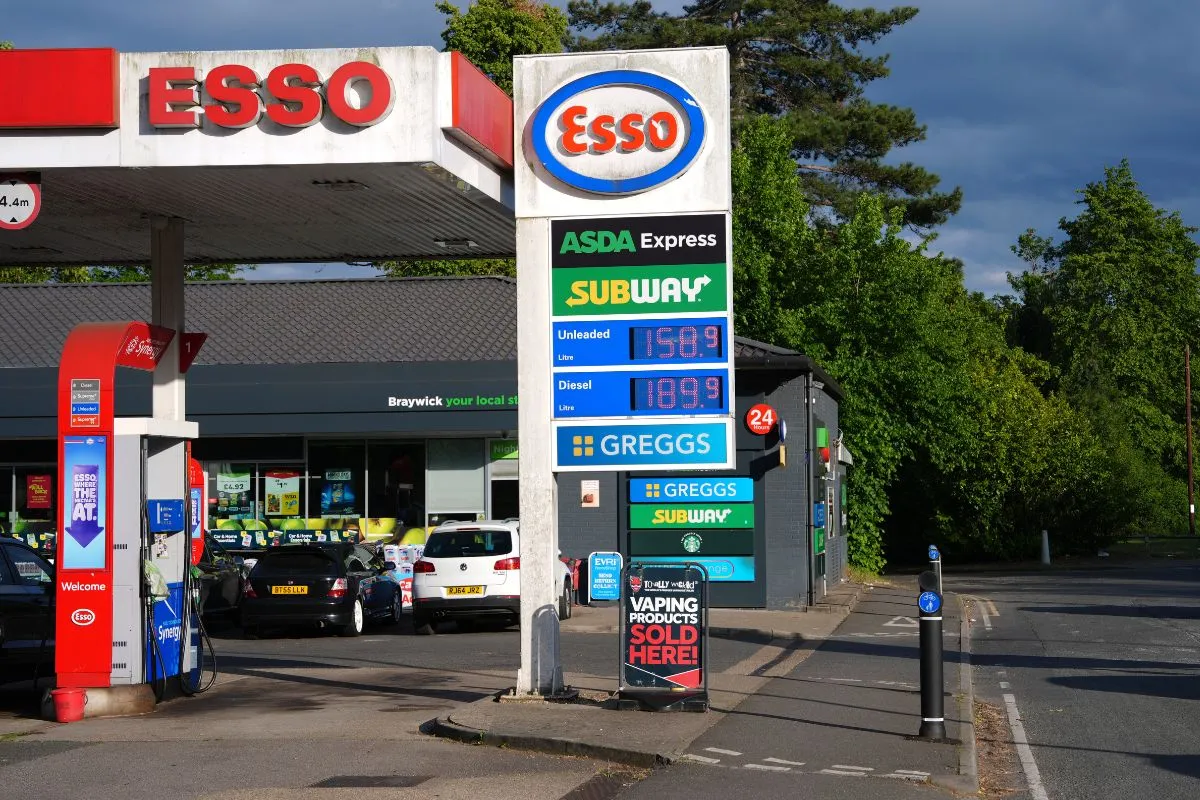
Prices at the pump have risen as hopes of a ceasefire evaporated
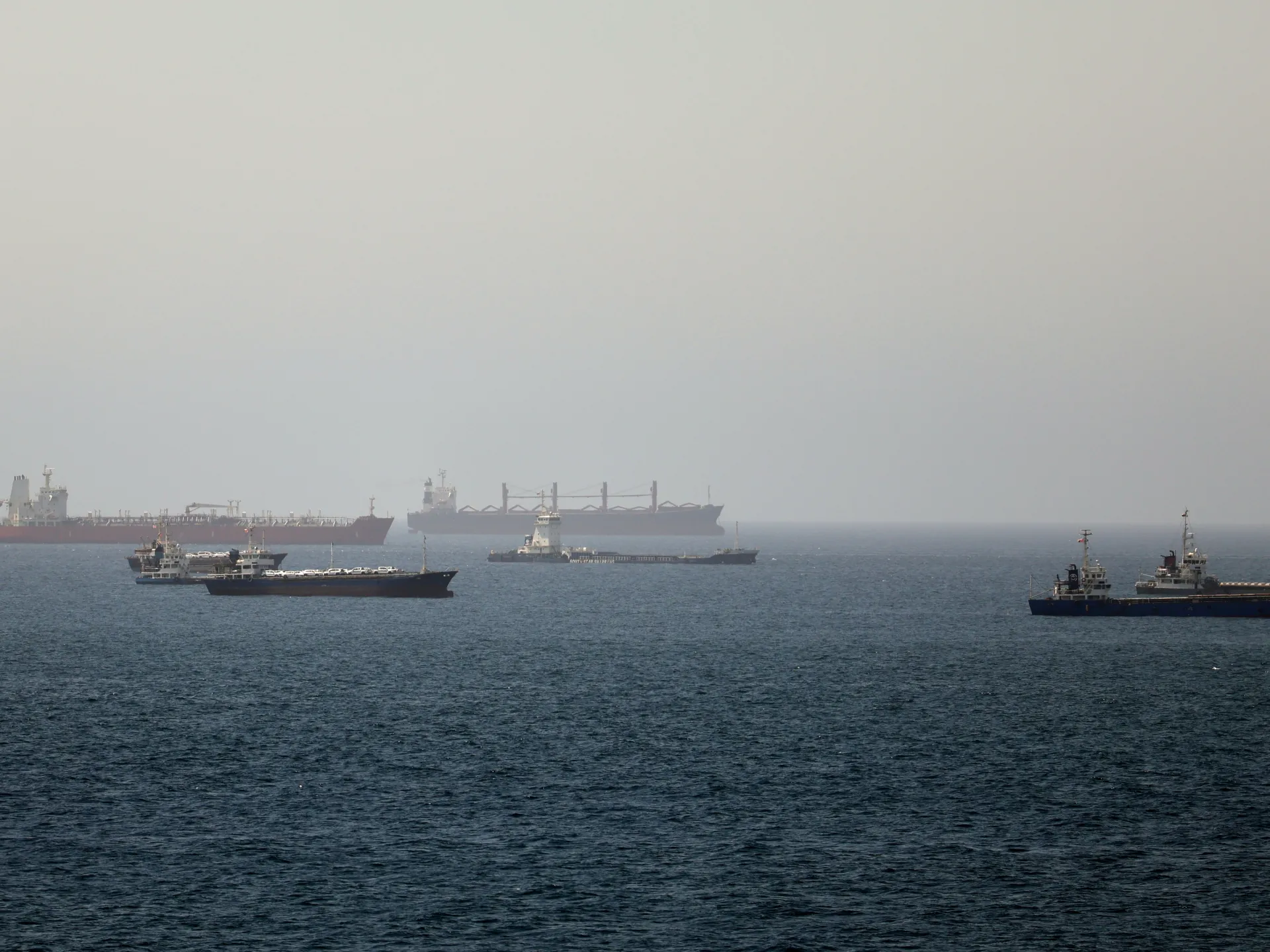
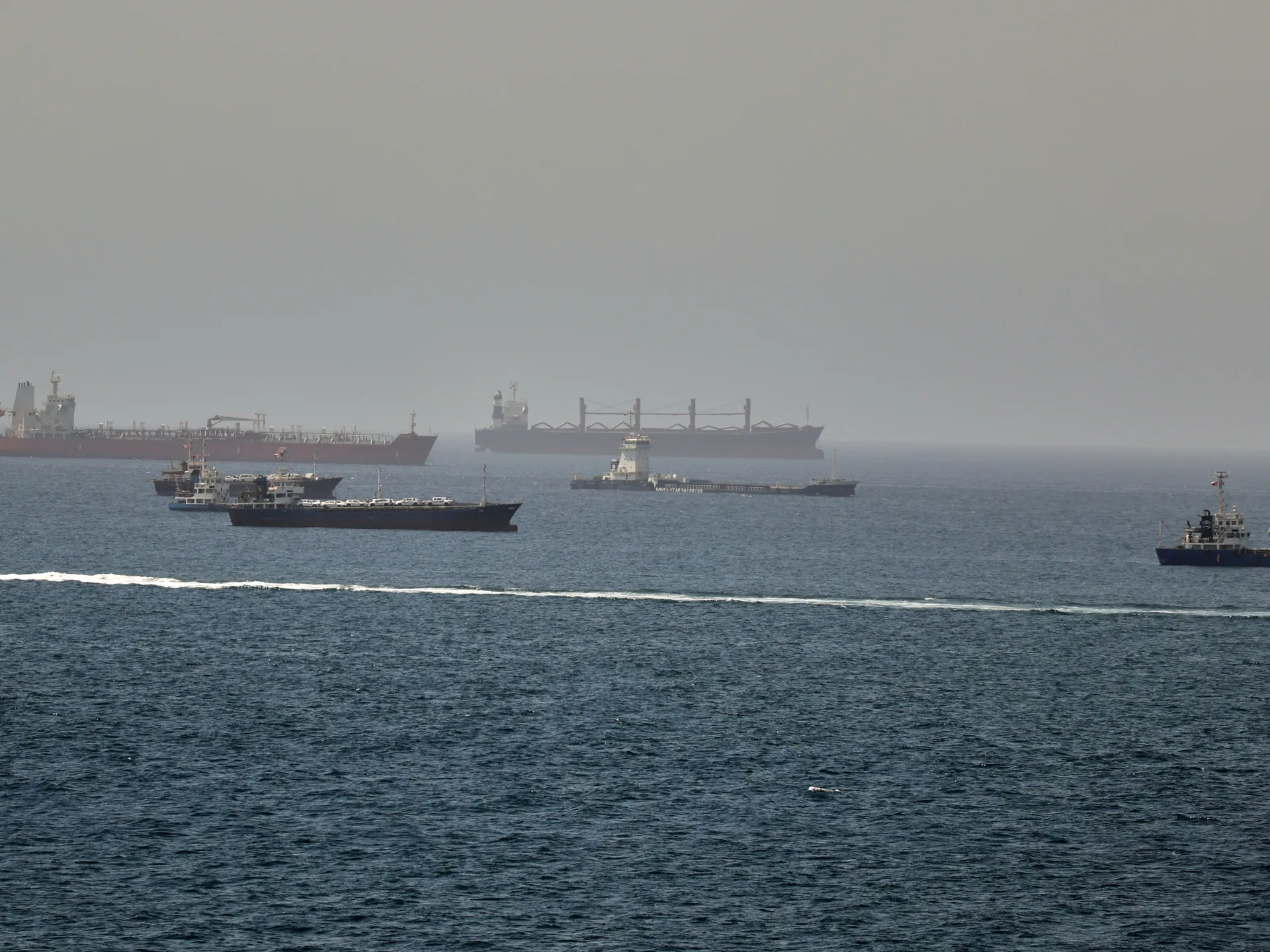
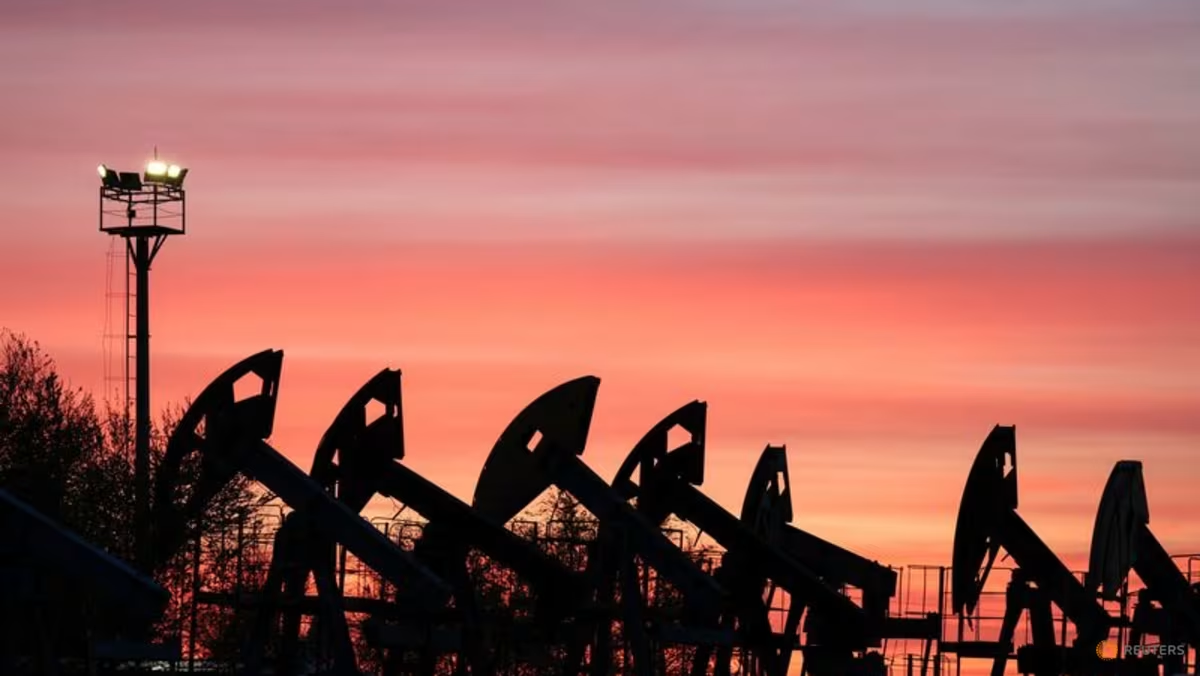
Oil prices have returned to levels not seen since the beginning of June, after both the US and Iran warned that hopes of a return to peace negotiations were premature.The spot price of Brent crude broke $95 a barrel on Wednesday morning for the first time since the warring parties agreed a 60-day ceasefire last month.The rally means oil prices have now risen more than 30 per cent this month, a sharp change in fortunes from the easing of price pressure seen in the days that followed the deal in June. West Texas Intermediate was trading at nearly $90 a barrel.The latest jump followed more hawkish remarks from Marco Rubio, who warned on Tuesday that the Iranian regime was “not serious” about peace talks. In an update on the progress of negotiations, the US secretary of state accused Tehran of “demanding the right” to control the vital Strait of Hormuz shipping lane, a condition the US administration argues contravenes international law.Prices were carried higher still on reports that two tankers carrying crude in the Red Sea were forced to return to port in Saudi Arabia, on a credible threat that the Iran-backed Houthi militia was attempting to gain control of the Bab al-Mandeb Strait. Any permanent closure of the narrow chokepoint – a key route out of the Red Sea – would block millions of barrels of Saudi oil exports, creating “serious supply shortages”, Trade Nation energy analyst David Morrison warned.Oil prices slash hopes of rate cutThe US launched another round of strikes on Iran on Tuesday night, taking the total number of consecutive offensives to 11 days. US Central Command said the American military had struck several sites as part of efforts to degrade “Iran’s ability to threaten commercial shipping”.President Donald Trump warned he was preparing to attack an underground nuclear site, in what would mark another major escalation in the conflict.Kathleen Brooks, research director at XTB, said the higher oil price constitutes “a major blow for central banks and new governments that are trying to control the cost of living”.“The issue for the global economy as we move through July, is that high prices will squeeze families’ cash, which will have major economic consequences,” she added.Hopes that the Bank of England may avoid having to raise interest rates had been growing in recent weeks thanks to several soft economic data releases and higher oil traffic coming out of Hormuz. And in a sign that pressure from higher oil prices had yet to bed into the wider economy, inflation fell to 2.6 per cent in June – well-below analyst estimates.The slower rate of price rises would ordinarily have fuelled hopes that the rate-setting Monetary Policy Committee may look to reduce Bank rate when it meets next week. “Monetary policy is already restrictive, and the shift from expected easing to a prolonged hold has itself tightened financial conditions,” said Jeffries economist Modupe Adegbembo. “Against a backdrop of weak growth and cooling labour market conditions, the bar for further tightening remains high.”