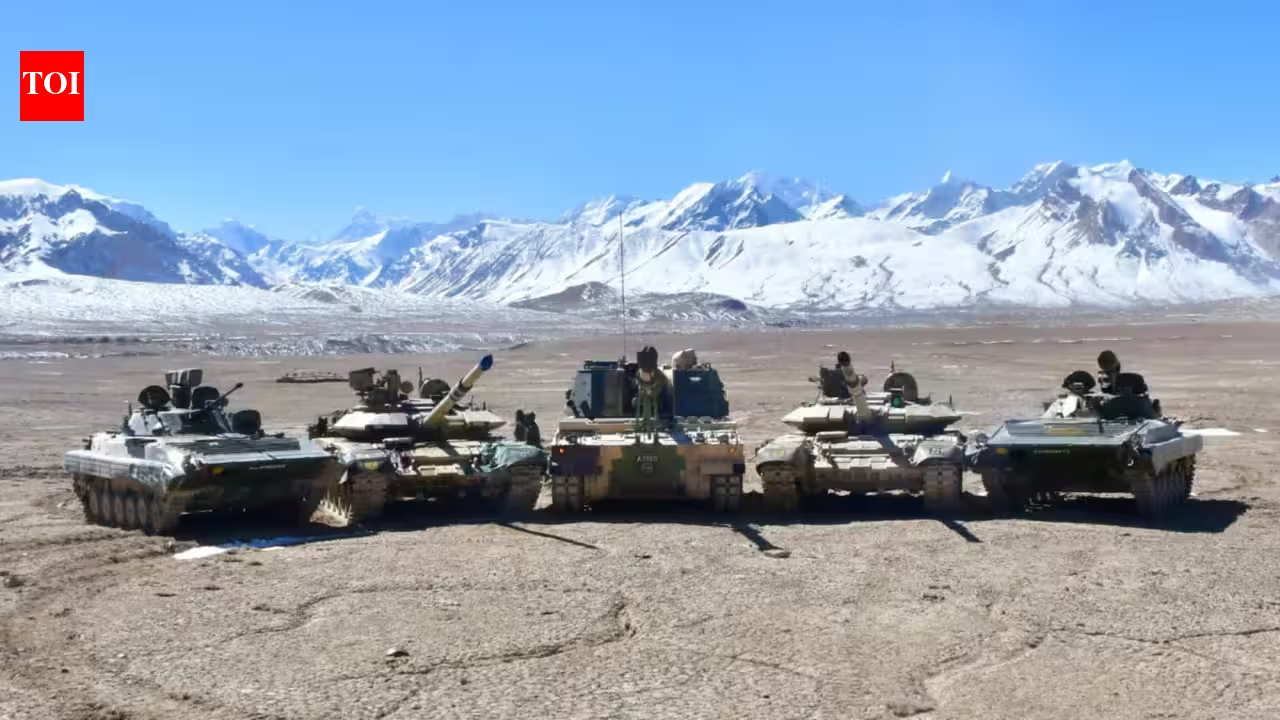
History demonstrates military innovation continually rewrites the rules of combat, reshaping warfare and rendering strategies from past conflicts obsolete. The introduction of repeating rifles transformed infantry combat during the 19th century. Machine guns and rapid-fire artillery fundamentally altered battlefield tactics during the first World War. Aircraft, radar, armored maneuver and radio communications revolutionized operations during the second World War. Precision-guided weapons shifted warfare from close quarters line formations to highly lethal, long-range and rapid battlefields. Stealth aircraft, satellite navigation and digital communications defined the military dominance enjoyed by the United States during the late 20th century.
Today another transformation is underway.
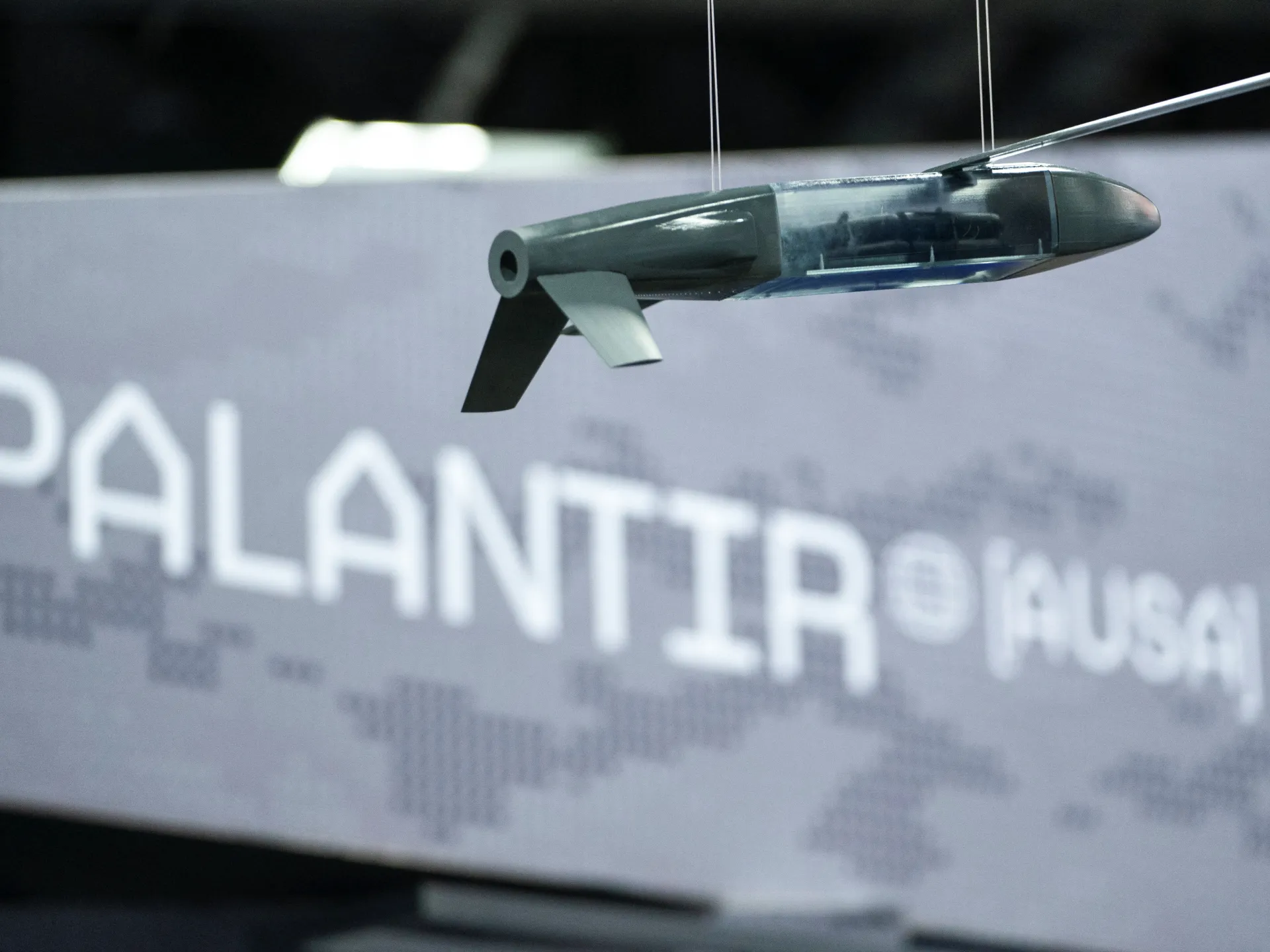
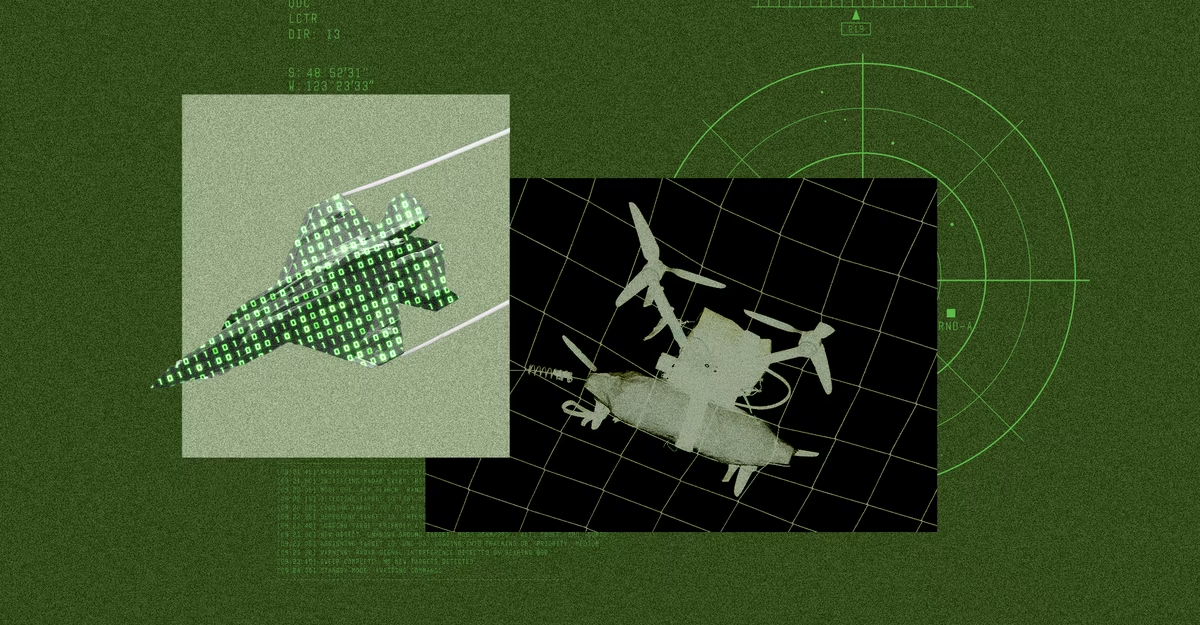
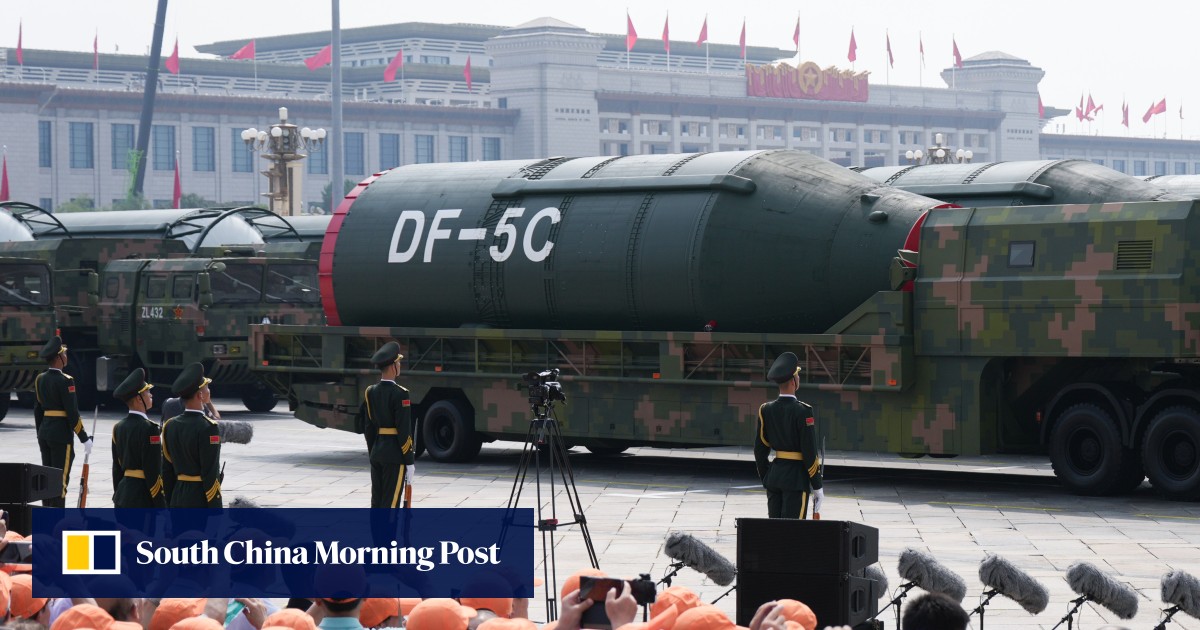
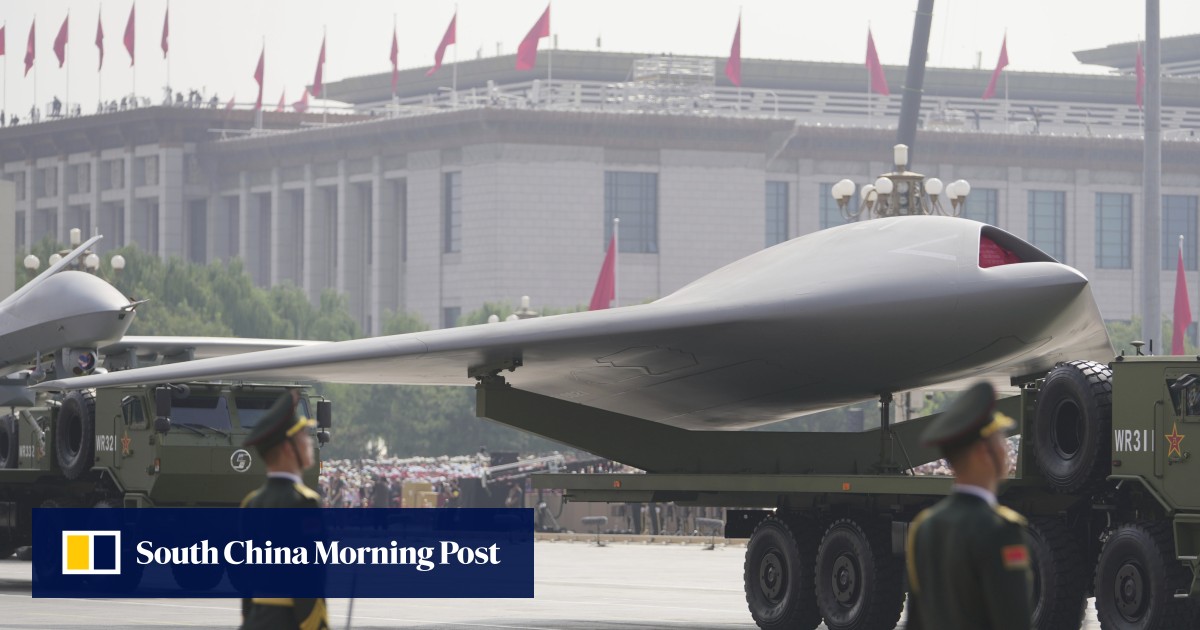
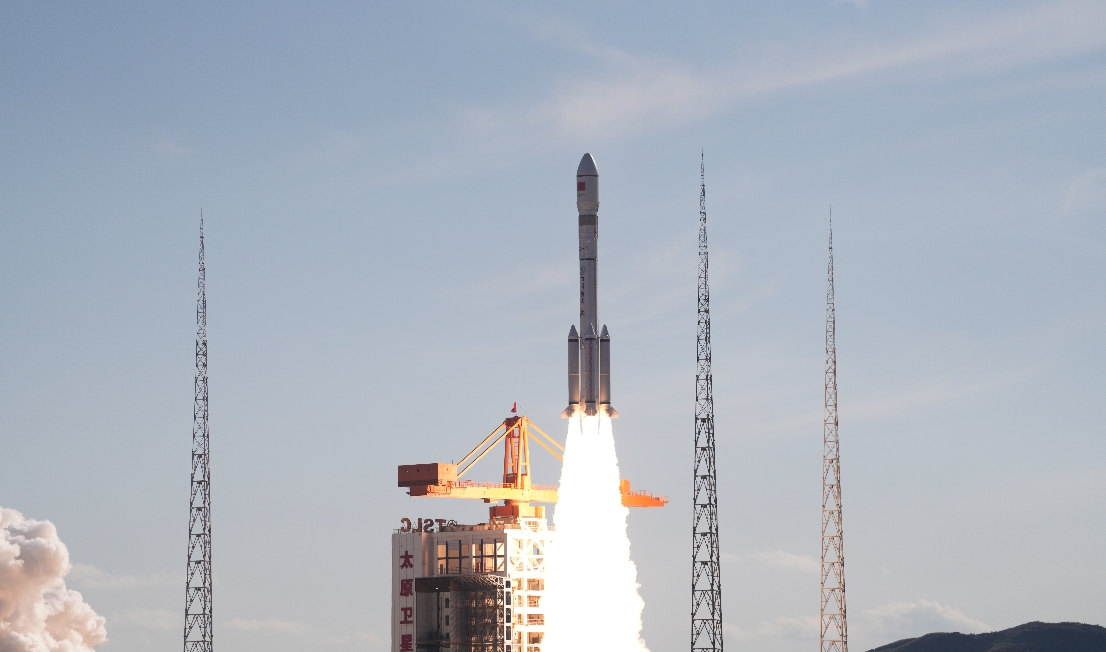
Persistent space-based surveillance has dramatically reduced the possibility of achieving battlefield surprise. Hypersonic weapons compress decision timelines and challenge existing defensive architectures. Artificial intelligence accelerates decision-making and enhances operational planning. Offensive cyber operations provide strategic options below the threshold of conventional warfare. Counterspace weapons threaten the satellites upon which virtually every modern military operation depends.