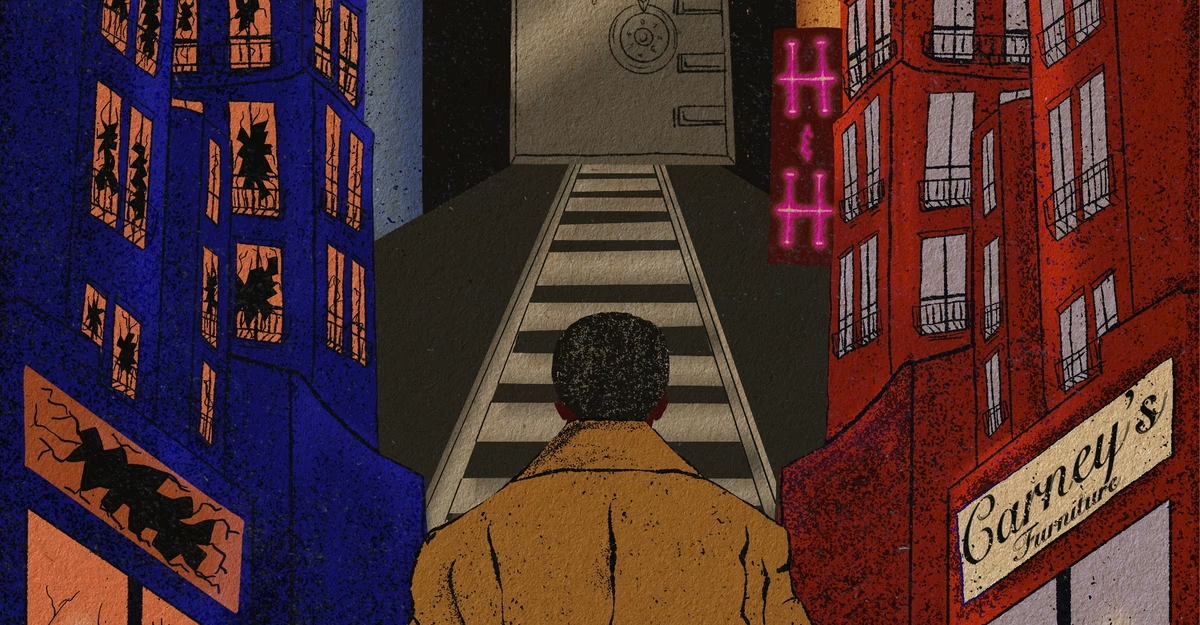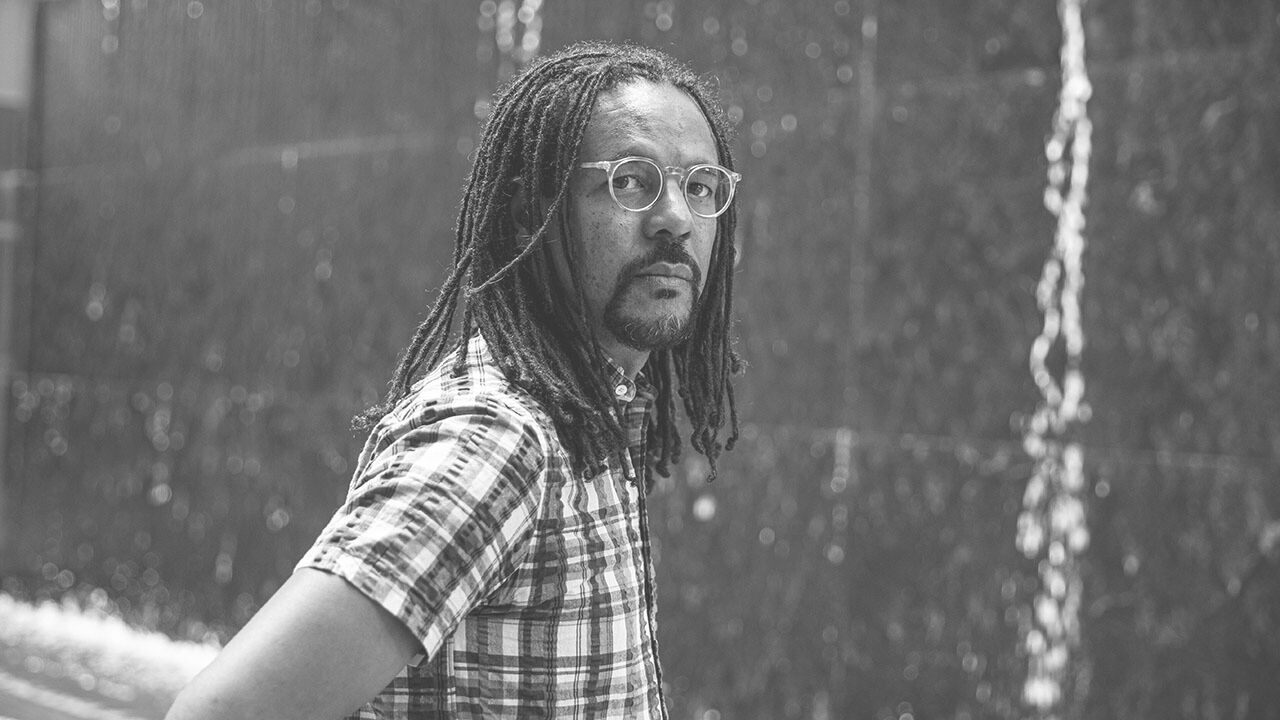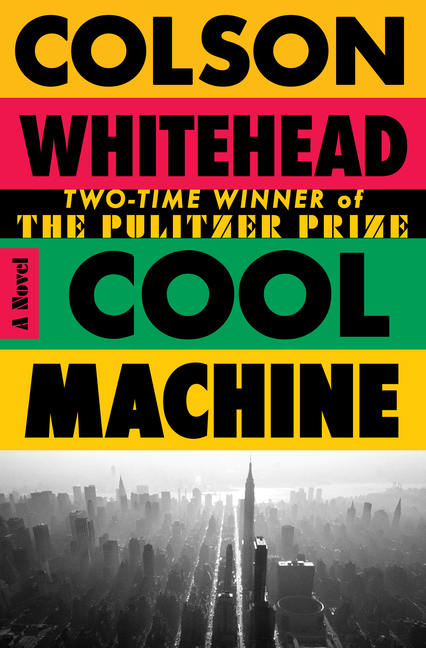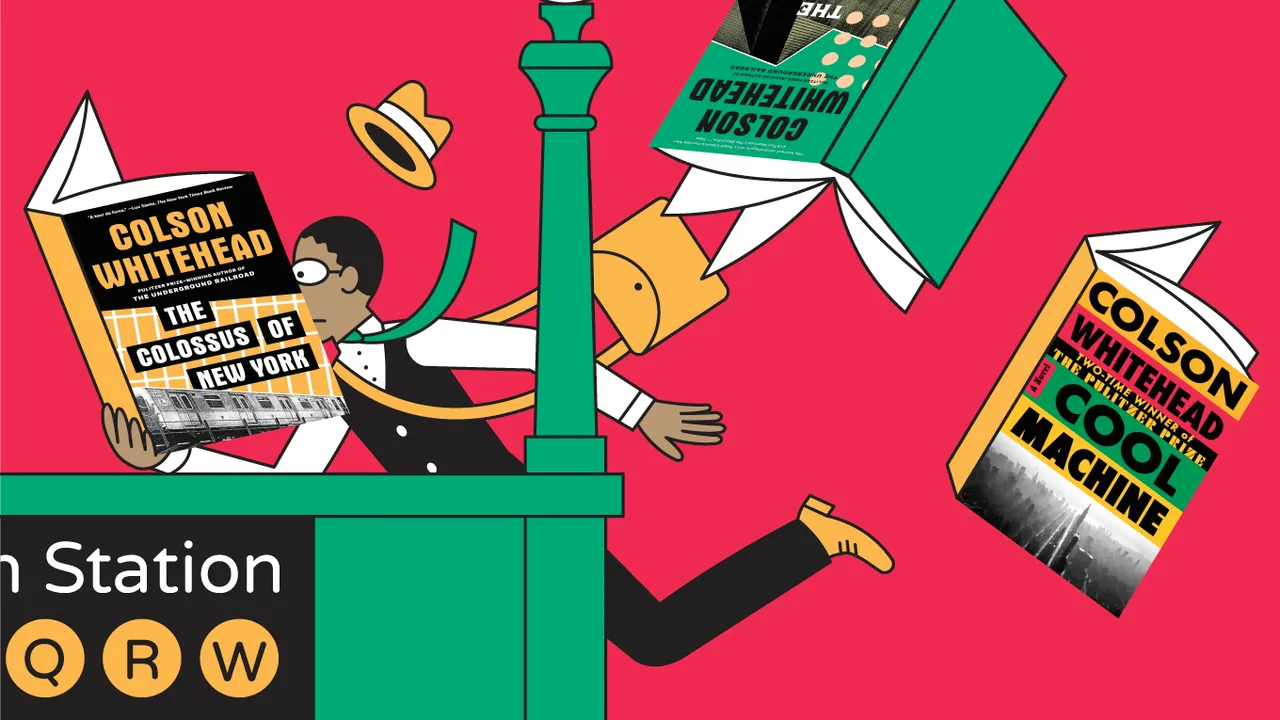
Colson Whitehead, whose new crime novel, “Cool Machine,” is out this week, was once named “America’s Storyteller” on the cover of Time magazine, for his mastery of narrative across genres. The winner of two Pulitzer Prizes, he draws readers into the extraordinary worlds of his fiction—Manhattan after a zombie apocalypse, say, or the subterranean tunnels of a literalized Underground Railroad—with a hypnotic insouciance that his friend Jonathan Lethem has compared to that of Rod Serling on “The Twilight Zone.” Disagreements abound over which version of the author is the “real” Colson Whitehead: Gen X genre-bender? Metropolitan flâneur? Grave reckoner with history? But much like New York, his shapeshifting muse, Whitehead’s œuvre has a neighborhood for every taste and temperament. Here are a few places to begin.“Harlem Shuffle” (2021)Nineteen-sixties Harlem comes alive in the opener of Whitehead’s crime trilogy, featuring the furniture salesman Ray Carney, whose double life reselling stolen goods illuminates the “churn” of a changing city. It’s a great starting point for New York nostalgists and connoisseurs of audacious heists.“The Intuitionist” (1999)Whitehead’s noirish début tells the story of a Black elevator inspector with supernatural gifts, who is framed for an accident amid a sectarian struggle to define the cities of the future. Readers of Ishmael Reed and Thomas Pynchon may enjoy the moody blend of comedy and conspiracy.“The Underground Railroad” (2016)This Pulitzer-winning neo-slave narrative reimagines the Underground Railroad as a real subterranean network, in a Sisyphean allegory that illustrates the relentless metamorphoses of white supremacy and Black resistance. Especially for devotees of magical realism, there is much to appreciate in Whitehead’s fabulist reimagining of the American past.“The Colossus of New York” (2003)In vignettes that read like errant transmissions from New York’s collective consciousness, Whitehead distills the essence of a place that “multiplies while you’re not looking.” An exercise in urban impressionism that belongs on the bookshelf of any sensitive city dweller—even if you live in Stockholm or São Paolo.“Sag Harbor” (2009)Disguised as a coming-of-age comedy about “black boys with beach houses,” Whitehead’s most subtly moving novel is also a meditation on family dysfunction and the transience of youth: “Ask, How long are you out? and a cloud wiped the sun,” he writes. “The question trailed a whiff of autumn.”Read Lucas’s Profile of Whitehead »Our editors and critics choose the most captivating, notable, brilliant, surprising, absorbing, weird, thought-provoking, and talked-about books. Find your next great read »On Our RadarComing soon:Valeria Luiselli’s “Beginning Middle End,” coming out on July 28th, is about a mother and daughter travelling through Sicily and through their own family history. For a preview, read the excerpt we ran in the magazine.“Etna,” by Paul Yoon, is told from the perspective of an ex-military dog trying to return home across ruined landscapes. It’s publishing on August 4th.The culture writer Alex Barasch is loving:“Pictures at a Revolution.” Barasch says, “In the early nineteen-sixties, Hollywood was, as one industry veteran put it, ‘going in circles,’ trapped by a dependence on ‘remakes and rehashes.’ (Sound familiar?) Mark Harris’s book uses five unlikely Best Picture nominees to chart the radical cultural shakeup that followed. It’s a dishy, meticulous work about film history—and, with any luck, a preview of what might be coming in our own time.”P.S. Whether Natalie Portman is the subject of Rachel Cusk’s new novel, “Life of M,” has been a source of much scuttlebutt.
A Colson Whitehead Starter Pack
The final book in the author’s Harlem Trilogy is out now; read our recommendations from his œuvre.
555 words~3 min read