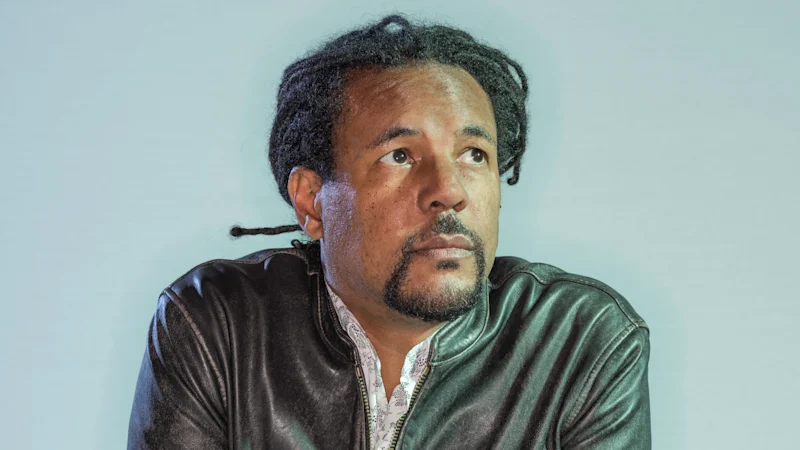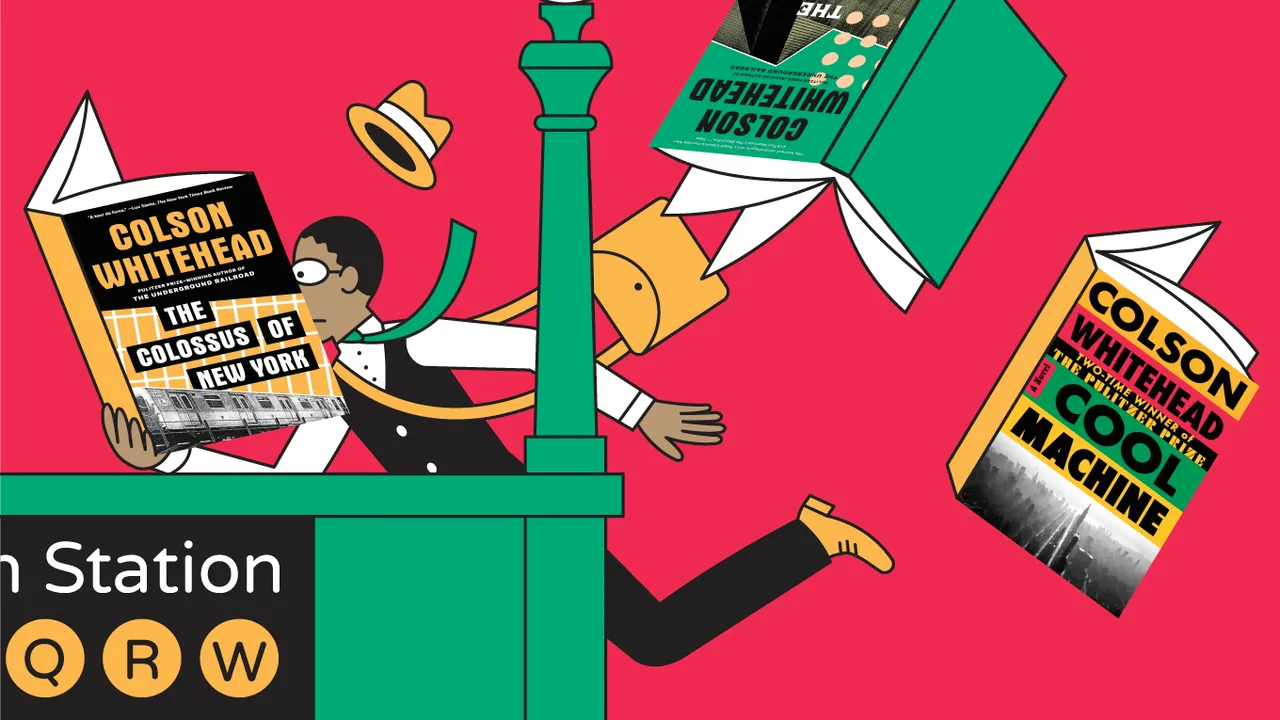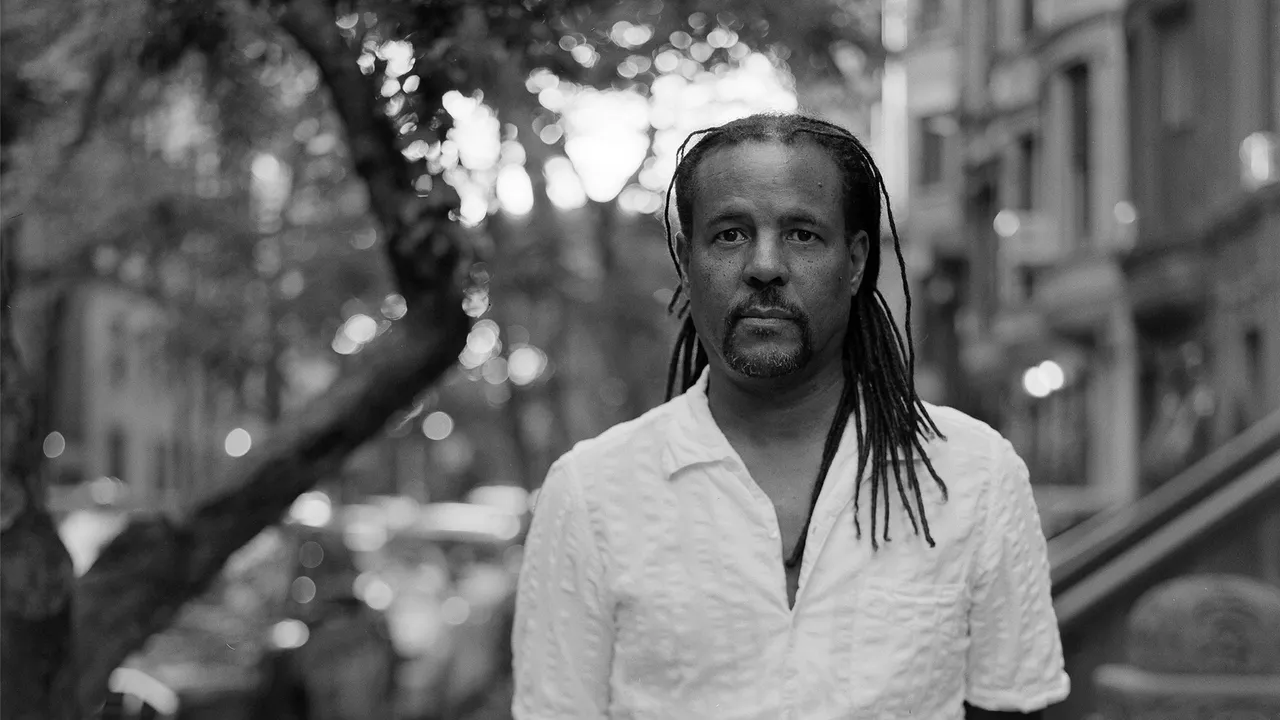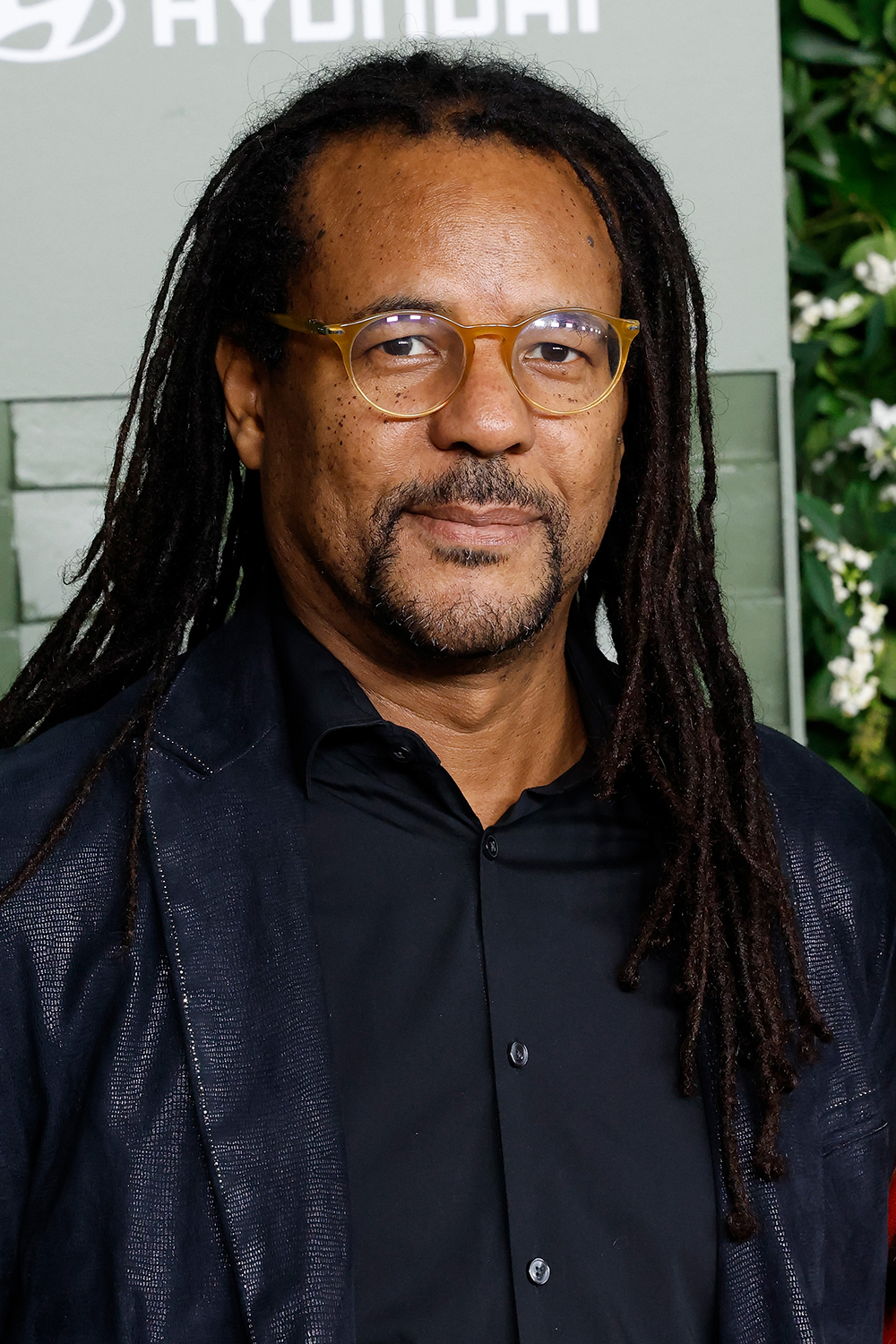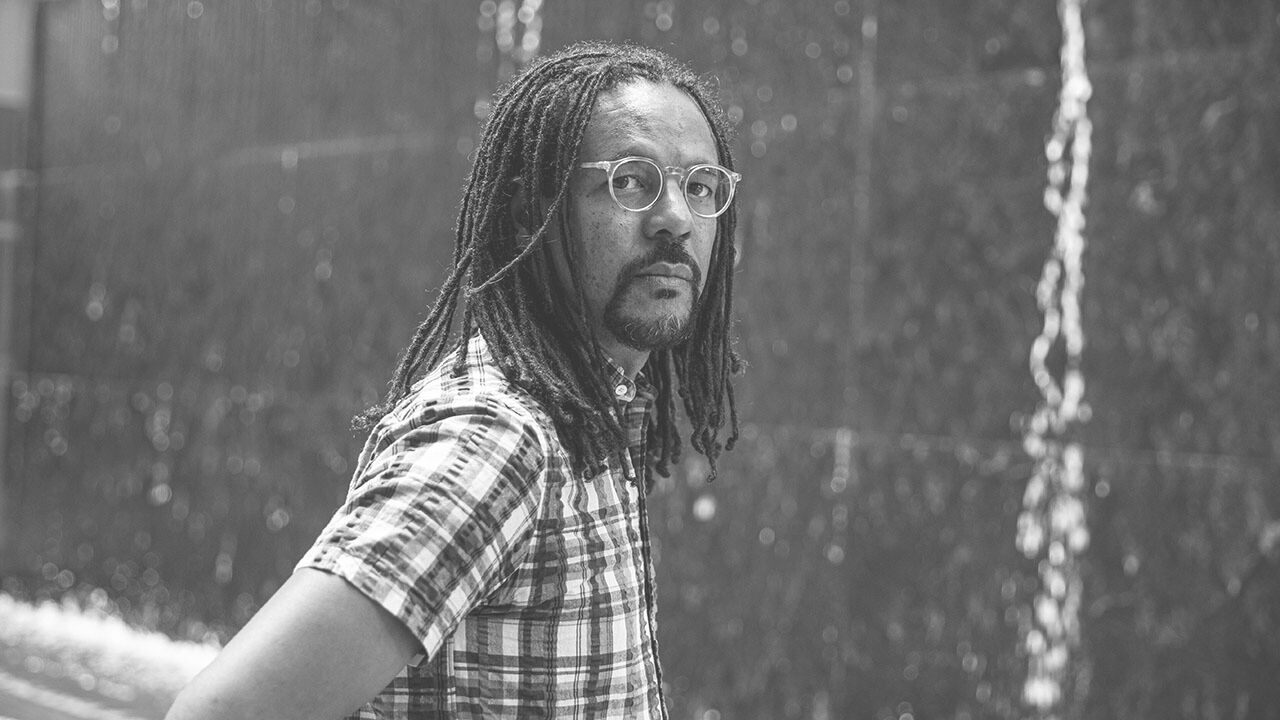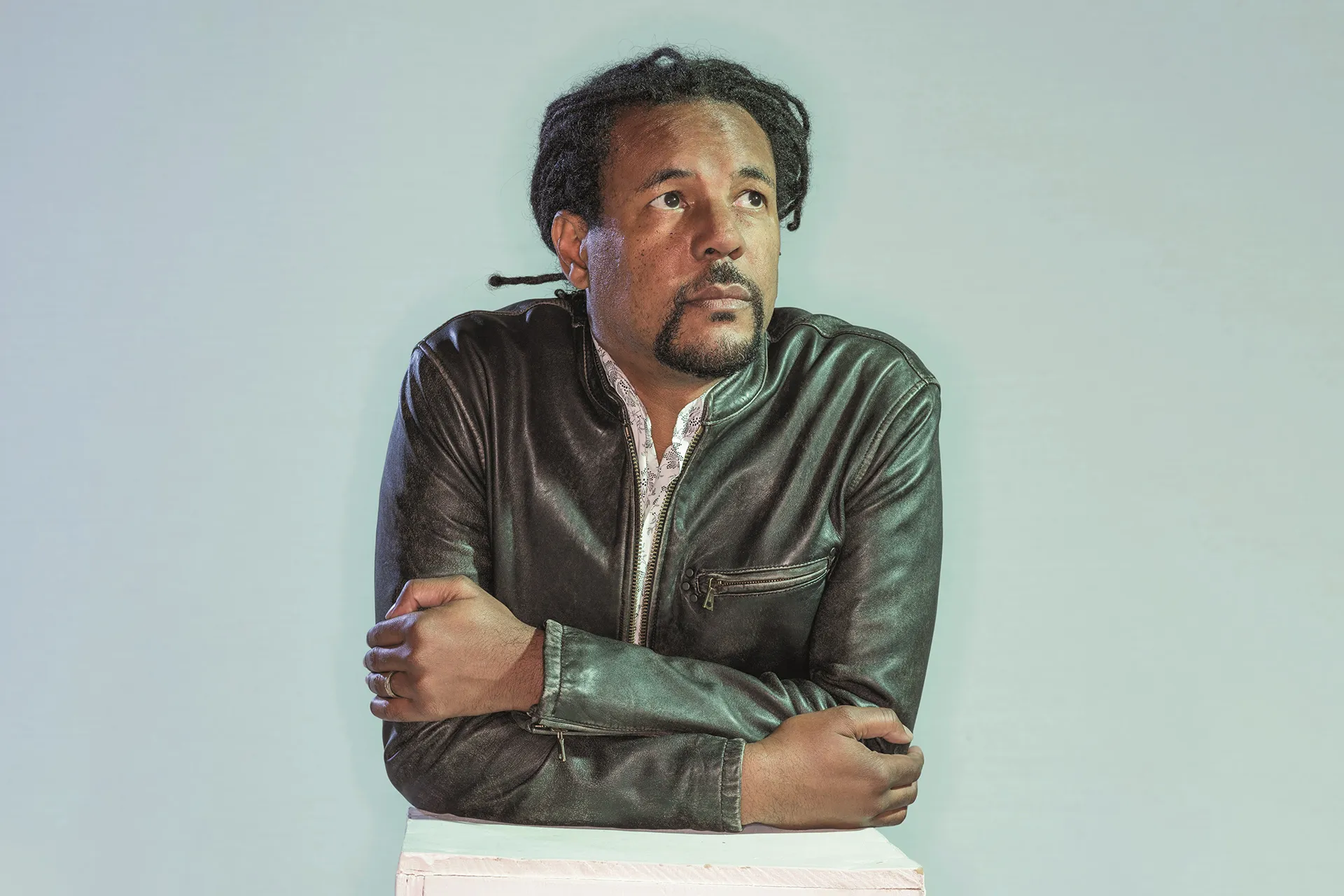
Photograph by Philip-Daniel Ducasse for The New YorkerColson Whitehead picked a good year to dedicate a novel to “New York Fuckin’ City.” When he finished “Cool Machine”—the soon-to-be-published finale of his Harlem crime trilogy—he could hardly have known that the Knicks were headed for a historic championship, or that Mayor Zohran Mamdani, on whose inaugural committee he served, would be leading a generational political realignment. But he’s always been attuned to New York’s capacity for surprise—the way the city changes, and allows us to change—because, as he once wrote, it “does not hold our former selves against us.”A restlessly versatile author, Whitehead has written everything from a poker memoir to a magical-realist neo–slave narrative, and has earned two Pulitzers in the process. In his new novel, he vividly evokes New York’s eighties transformation, as punks, yuppies, and a killer called the Melancholy Hitman face off in a metropolis risen from the ashes of bankruptcy. It’s the city where Whitehead came of age, and during our conversations for my Profile in this week’s issue, he opened up like never before about the ways it’s shaped his life and work.In May, I visited Whitehead at his apartment on the Upper West Side, where he told me about his “latchkey kid” Manhattan childhood and about his formative years as a TV critic for the Village Voice. Later, we met in Harlem, Jackson Hole, and Sag Harbor, where he explained how cutting off contact with his father—an angry alcoholic with frustrated literary aspirations—helped him find a more personal voice. We also discussed his love of cooking and video games; his novel in progress about New Yorkers during the First World War; screen adaptations of his work, including a potential Barry Jenkins-produced series based on the trilogy; and his grief for his beloved late brother Clarke, who is a silent presence in many of his books. In the Profile, I try to make sense of what drives Whitehead, a self-proclaimed slacker whose protagonists, like him, are often monkishly devoted to their work. “I’m a really lazy bitch, but I have a punitive superego,” he told me. “The two go together.”Read or listen to the Profile »What Just Happened?Yesterday, New York held its Democratic primaries. Every congressional candidate endorsed by Zohran Mamdani won—including, most sensationally, Darializa Avila Chevalier, who ousted the ten-year incumbent, Adriano Espaillat. New York will now almost certainly send two more Democratic Socialists to Congress (in addition to Alexandria Ocasio-Cortez), and even more will be working at the state level.How surprising are these results?We asked Naaman Zhou, who covered the primary in the Seventh District and was at an election watch party for the candidate Claire Valdez last night. He told us:“It’s no surprise that at least two Mamdani endorsees (Brad Lander and Valdez) won last night. Others were more of a shock. Take Avila Chevalier. Mamdani endorsed her, sure, but he only did so a few weeks ago, after he perhaps sensed that she had already—through a strong Democratic Socialists of America ground game—built up enough community support to topple the (relatively) complacent Espaillat.“Statewide, at least six socialists were elected to office in Albany, including a D.S.A. win in Buffalo! I was fixated on the victory of the D.S.A.’s David Orkin against an incumbent, Jenifer Rajkumar, in Queens. South Asian voters had turned out for Mamdani last year, people thought, mostly because he could potentially be the first South Asian mayor of the city. Orkin worked as a local immigrant-rights attorney, but at first to voters he was, in his own words, ‘just a random white guy.’ Mamdani didn’t technically endorse him; though the D.S.A. did. Orkin won by more than seventeen points. Something is building in New York, and it goes well beyond the mayor.“The lesson of last night was that all politics is local (affordability matters; is your local representative actually present and listening?) and international (such as Israel’s war in Gaza). Federal politics, after eleven years of obsession, on both sides, with Trump, has felt a little frozen; this is how it comes unstuck.”Editor’s PickIllustration by Ricardo Tomás; Source photograph from GettyCan Sonny, South Korea’s Legendary Captain, Deliver in His Final World Cup?All eyes are on Son Heung-min, the beloved thirty-three-year-old striker, as he attempts to re-create the magic of his country’s 2002 run. It’s his fourth and, he has said, likely his last World Cup. E. Tammy Kim reports »More Top StoriesA new collection of photographs by Mark Power lavishes formal attention on industrial machinery and, by extension, on the human effort behind it.Anthropic’s new tool, Claude Design, is creating overnight web-design clichés, and a generic aesthetic is emerging.The most clicked item in yesterday’s newsletter was David Remnick’s piece on a new—and “exceptional”—book about Trump’s second term.Our Culture PicksA book: Our editors agree that Ann Patchett’s “Commonwealth,” about the dissolution of two marriages, is “so good.”A TV show: If you’re feeling the small-screen summer slump, revisit one of the best shows of last year.A movie: “Dazed and Confused,” the classic school’s-out film, “conjures up affection for a silly era even in the hearts of those who weren’t there,” Anthony Lane wrote in 1993, “or those whose memories tell a different story.”Puzzles & GamesToday’s Crossword Puzzle: the theme—body positivity.Catalogues: Can you sort the items into the correct order?Shuffalo: Can you make a longer word with each new letter?Laugh Lines: Test your knowledge of classic New Yorker cartoons.Daily CartoonCartoon by Brendan LoperP.S. Tucker Carlson has announced that he will no longer support the Republican Party. It’s a real turnaround from the man who shaped MAGA media in his own image. 🐘Hannah Jocelyn contributed to today’s edition.
Colson Whitehead’s New York
From the daily newsletter: the notoriously private, Pulitzer Prize-winning writer let our critic in.
936 words~4 min read