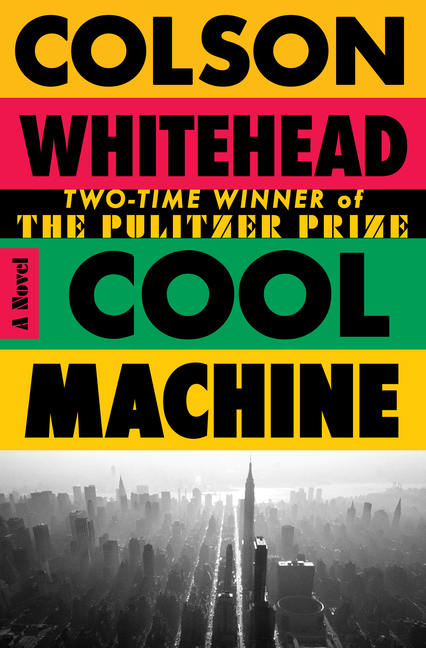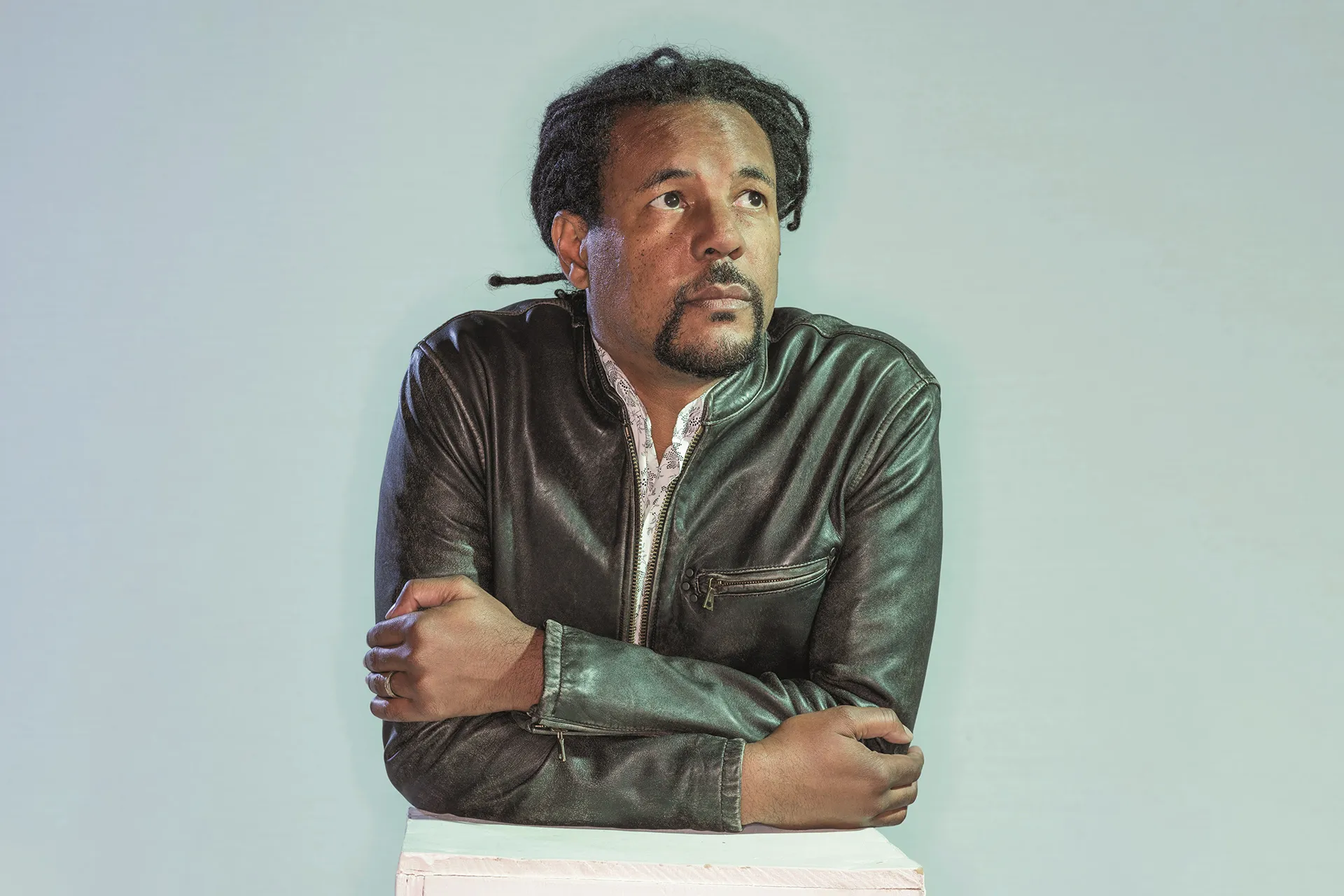
Colson Whitehead made history as the first novelist to win two Pulitzer Prizes for Fiction for consecutive works, “The Underground Railroad” (2017) and “The Nickel Boys” (2020). Now, Whitehead ’91 is back in the limelight with “Cool Machine,” the final installment of his Harlem trilogy.
The novel, set in the 1980s, continues to follow the shenanigans of furniture salesman Ray Carney as he juggles family life with the unexpected needs of various criminal enterprises. In an interview with the Gazette, which has been edited for clarity and length, Whitehead discussed “Cool Machine,” and where the trilogy sits among his other works.
The trilogy begins in the ’50s and ends in the ’80s. What was your process for building such a vibrant picture of Harlem across a period of tremendous change?
In the first book, “Harlem Shuffle,” we meet Ray Carney and his wife, friends, cousin, and criminal associates. Each book has three different sections, so it felt like not just three books, but nine novellas. It’s daunting when you step back. I was really trying to make a new world, looking to history to make it real.
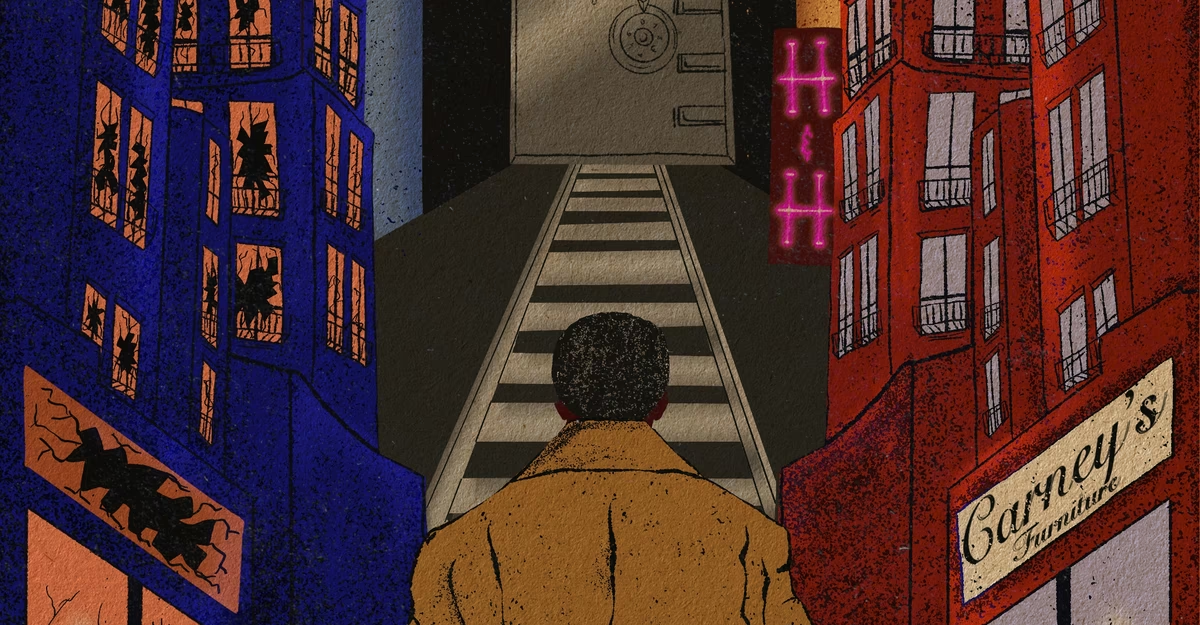
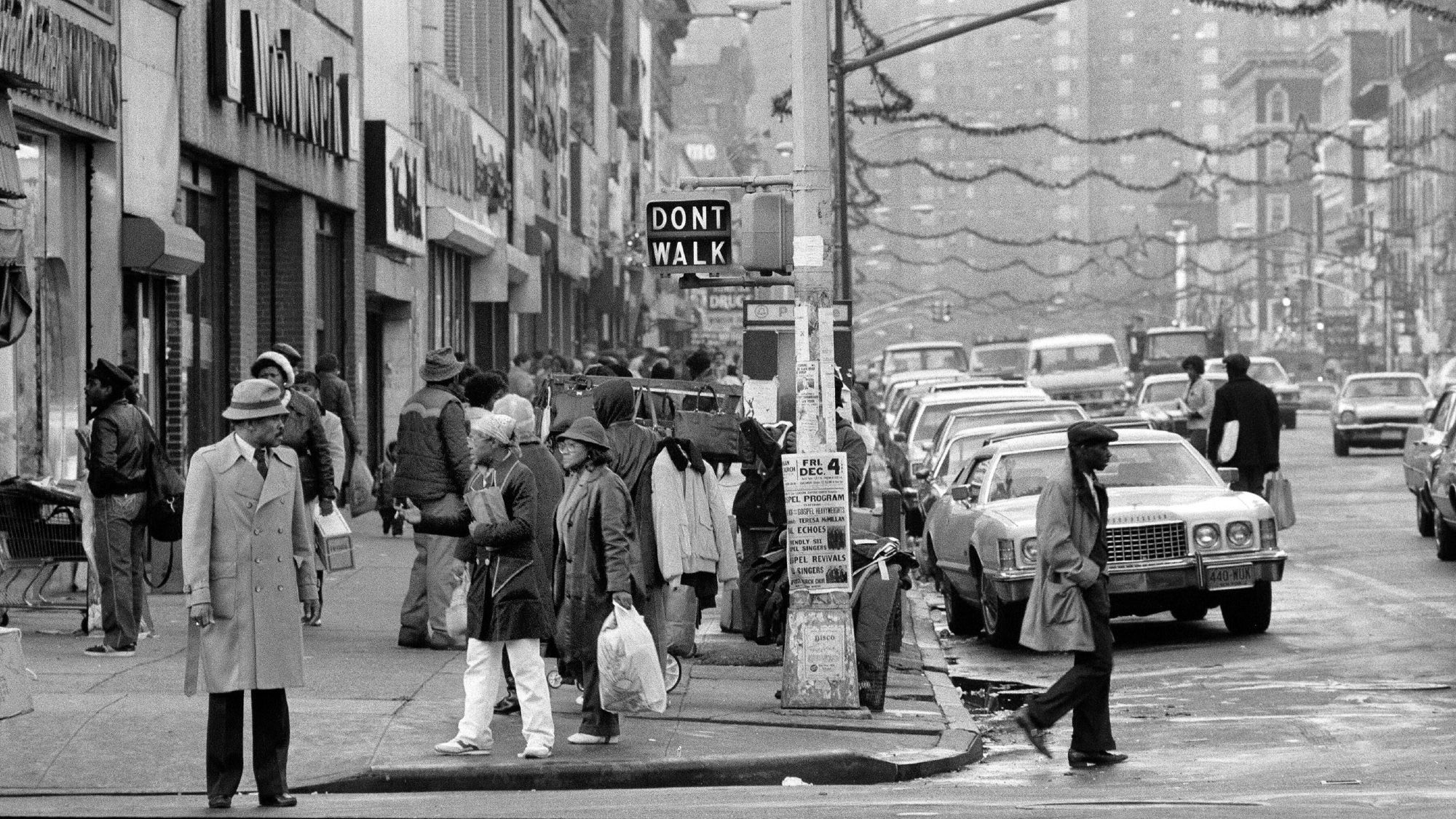
The most fun I had as part of this process was location scouting, zigging and zagging around Harlem trying to find cool buildings and blocks that would be good sites for Carney’s interactions. Where did he grow up? Where did he live? Where’s a good place to dump a body?