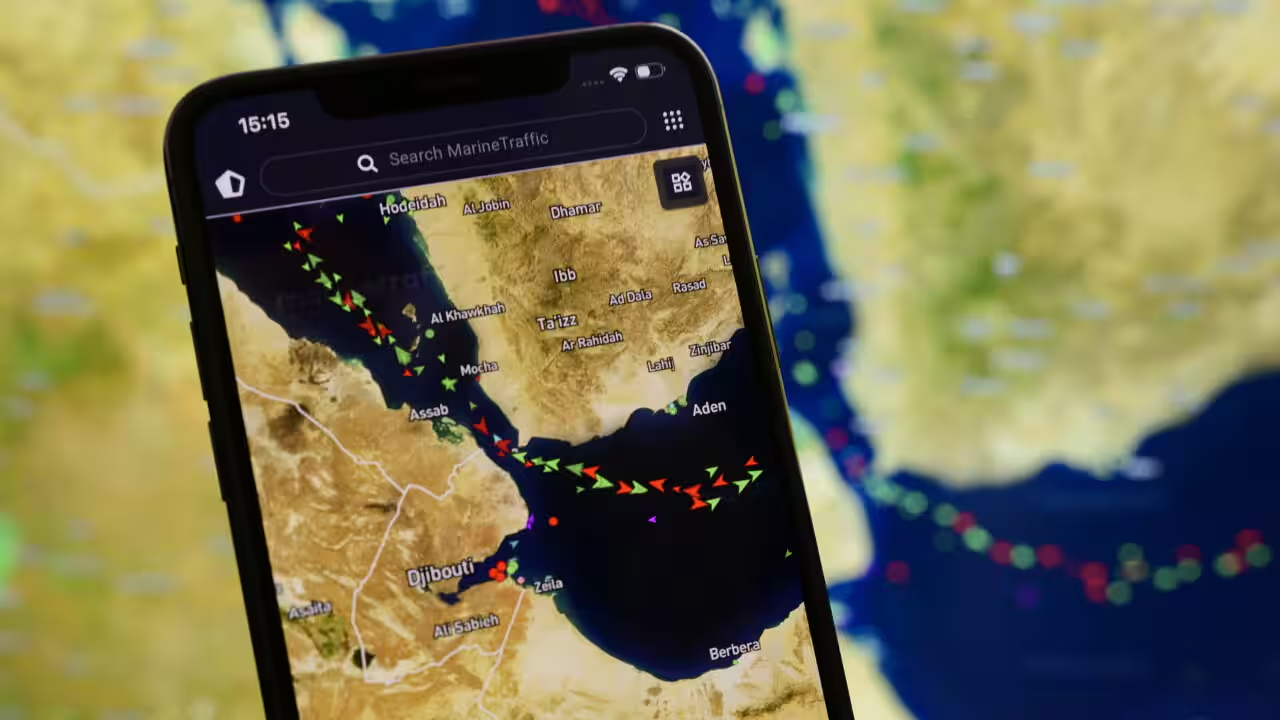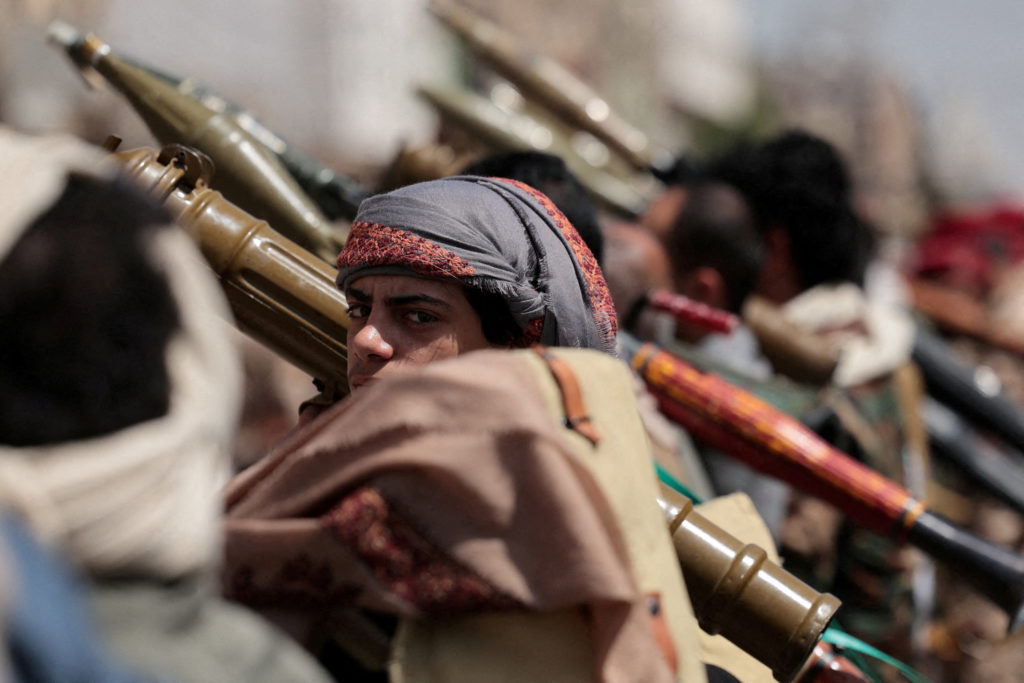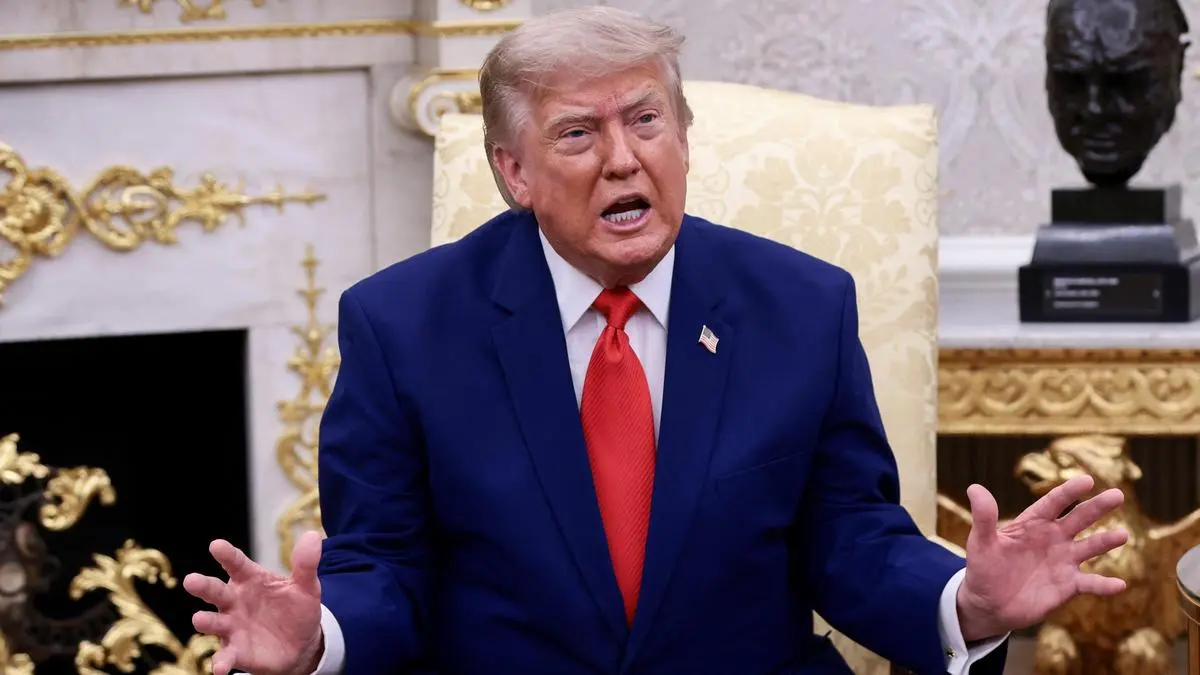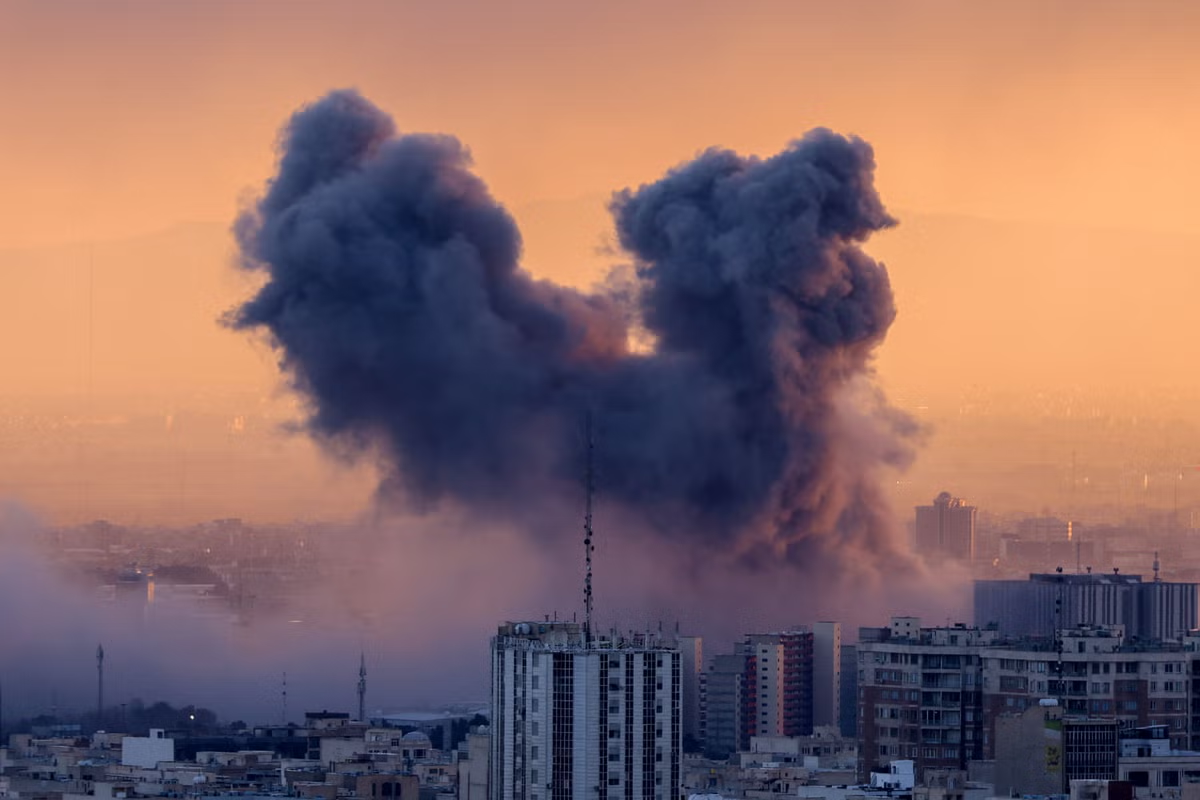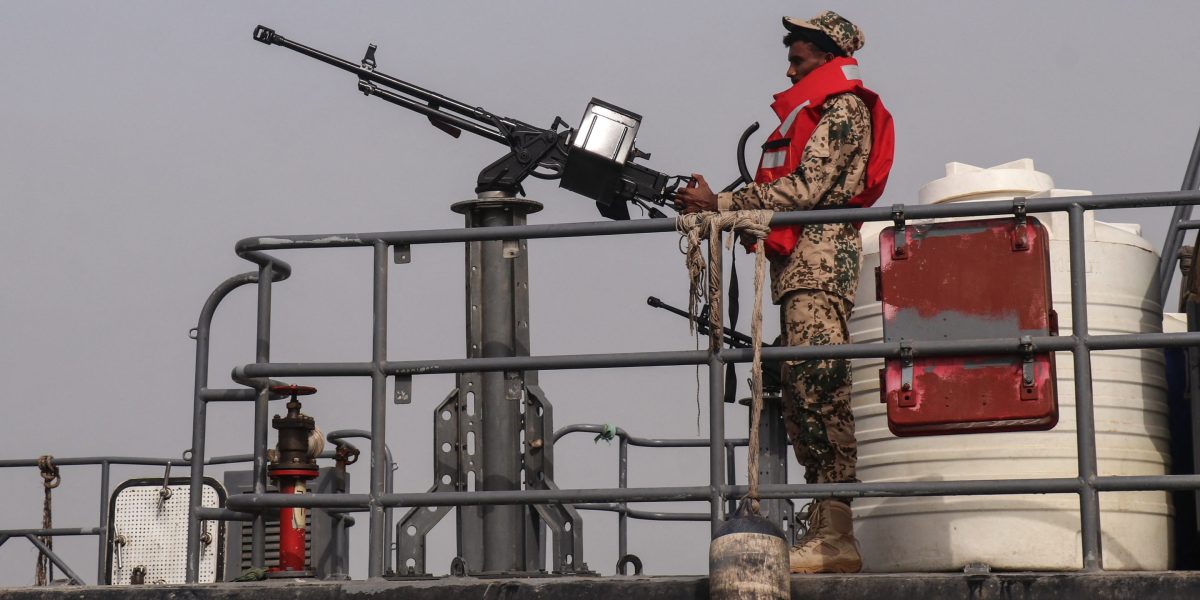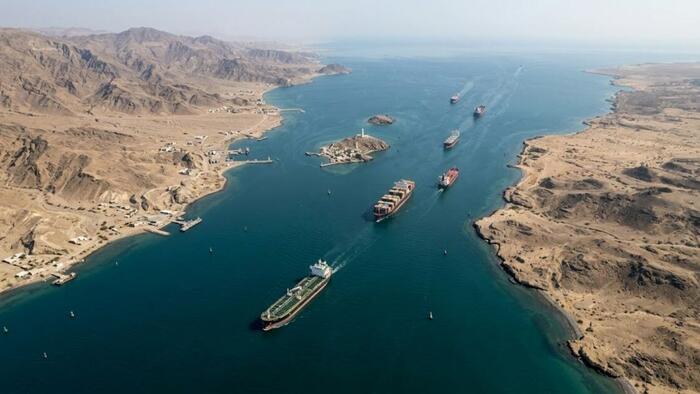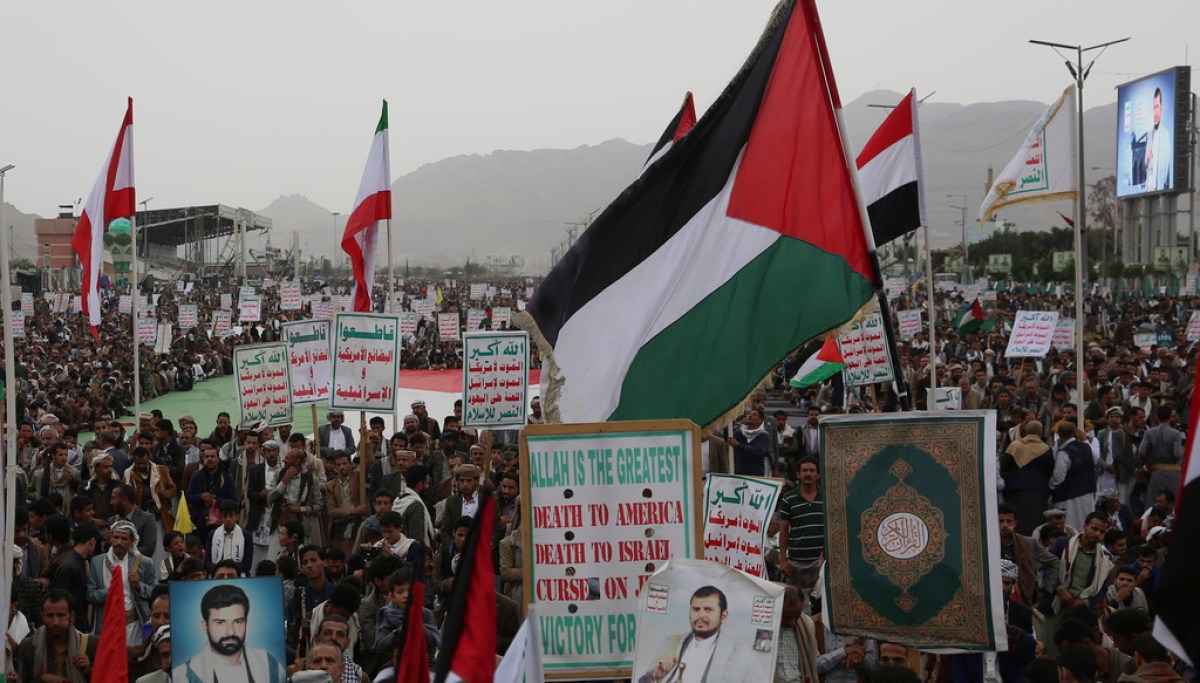
President Donald Trump has always insisted that he wants to make a deal with the Iranian regime. If the back-and-forth negotiations since the spring prove anything, though, it is that Tehran is unwilling to settle this conflict diplomatically. As the president himself said last week, the remaining leaders of the Islamic Republic are “stone-cold crazy.” They would rather condemn their country to destruction than relinquish their nuclear ambitions.Iran’s intractability can be traced, no doubt, to the suicidal ideology of the Islamic Revolution. But the regime props itself up with other centers of gravity, too — namely its network of terrorist groups across the Middle East, the so-called “Axis of Resistance.” Since Hamas’s 2023 Iran-backed attacks on Israel, many of these groups have been decapitated or defanged by Israel, the United States, and other regional allies. Those that still exist, however, continue providing the Iranian regime with vital support. Any strategy to bring the ayatollahs to their knees, therefore, must prioritize finishing the job and dismantling this proxy network once and for all.Perhaps the most dangerous of these proxy forces is the Houthis in Yemen. Since 2023, the militant group has joined Iran’s efforts to achieve regional hegemony, proving itself one of the most important and resilient members of the axis. With the U.S. redoubling efforts against Iran, the regime’s leaders are now calling on the Houthis to close the Red Sea — and they seem willing to answer. On Monday, the Houthis announced that their forces would begin enforcing a maritime embargo of Saudi Arabia. The consequences could be catastrophic to the Saudis, the U.S., and the whole world economy.
Iran still has a card to play, and it's aimed at the Red Sea
Iran isn't cornered. Its Houthi proxy in Yemen still threatens the Red Sea, Saudi oil, and global energy stability.
935 words~4 min read