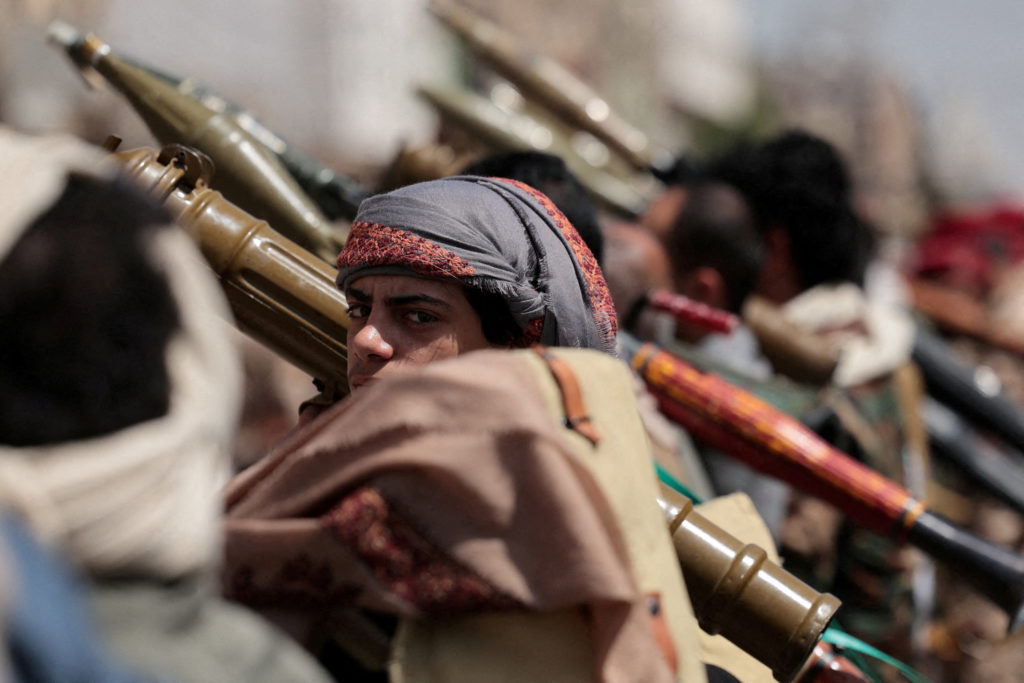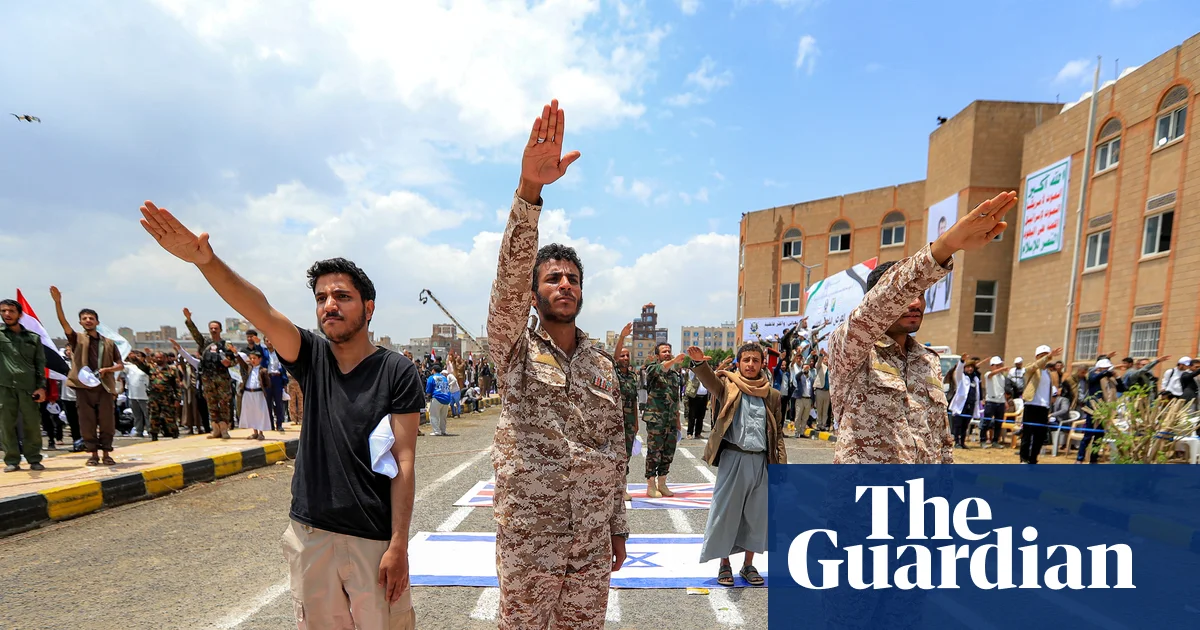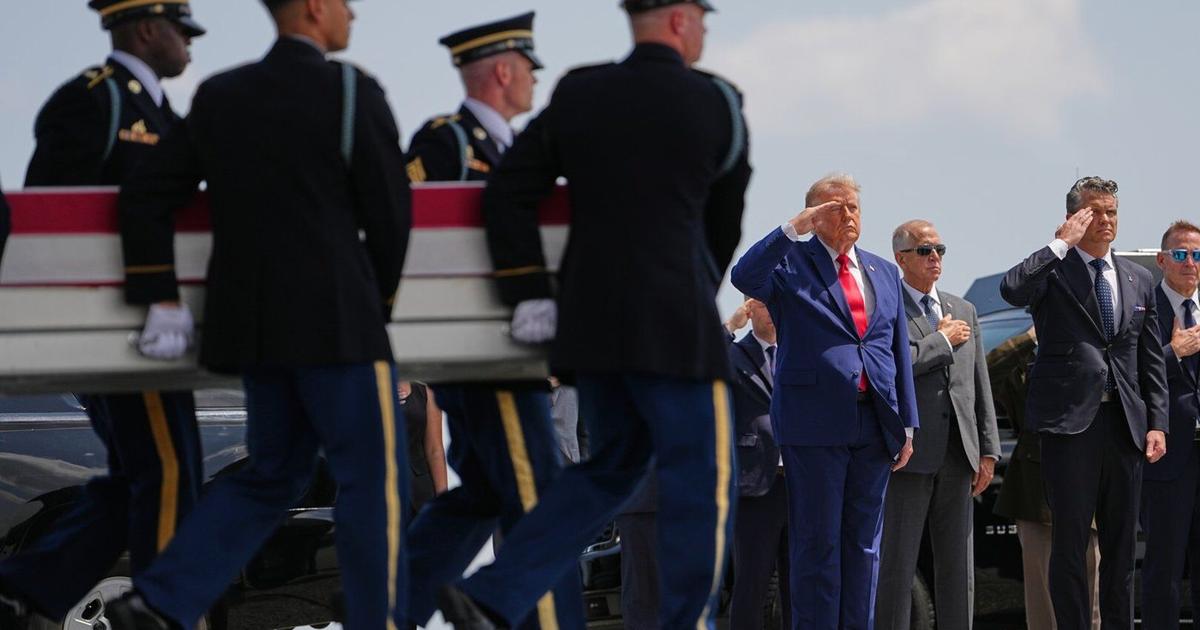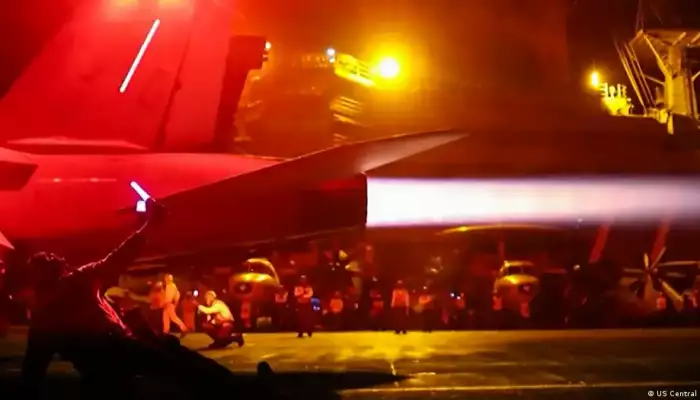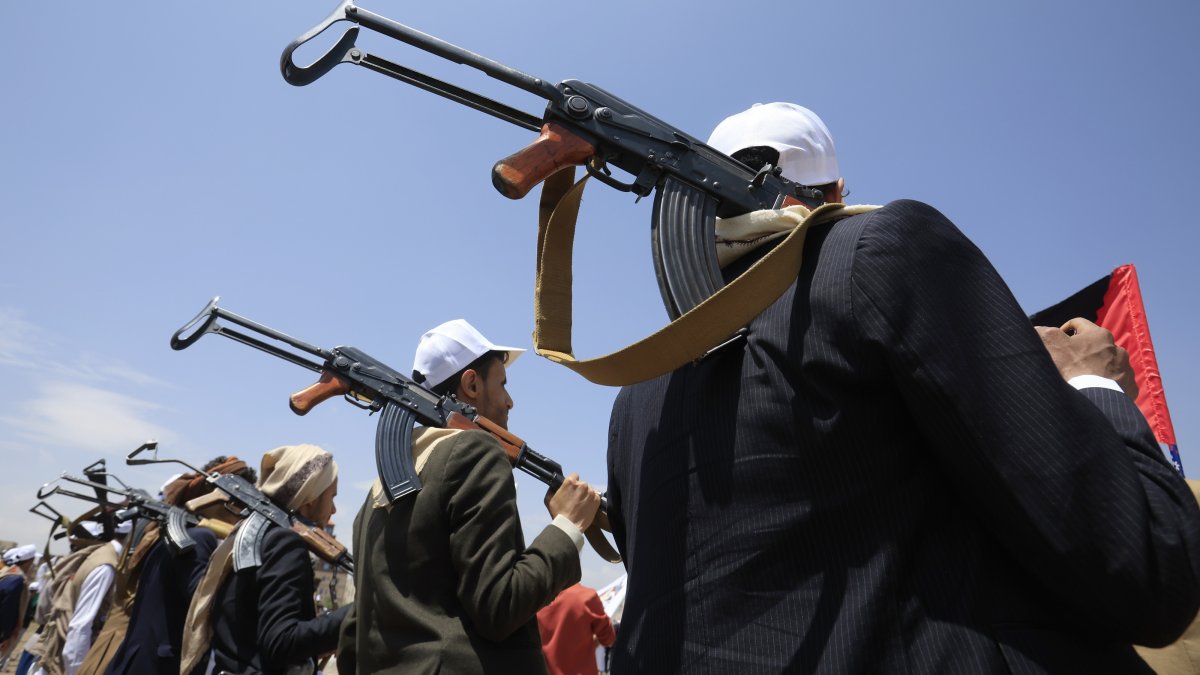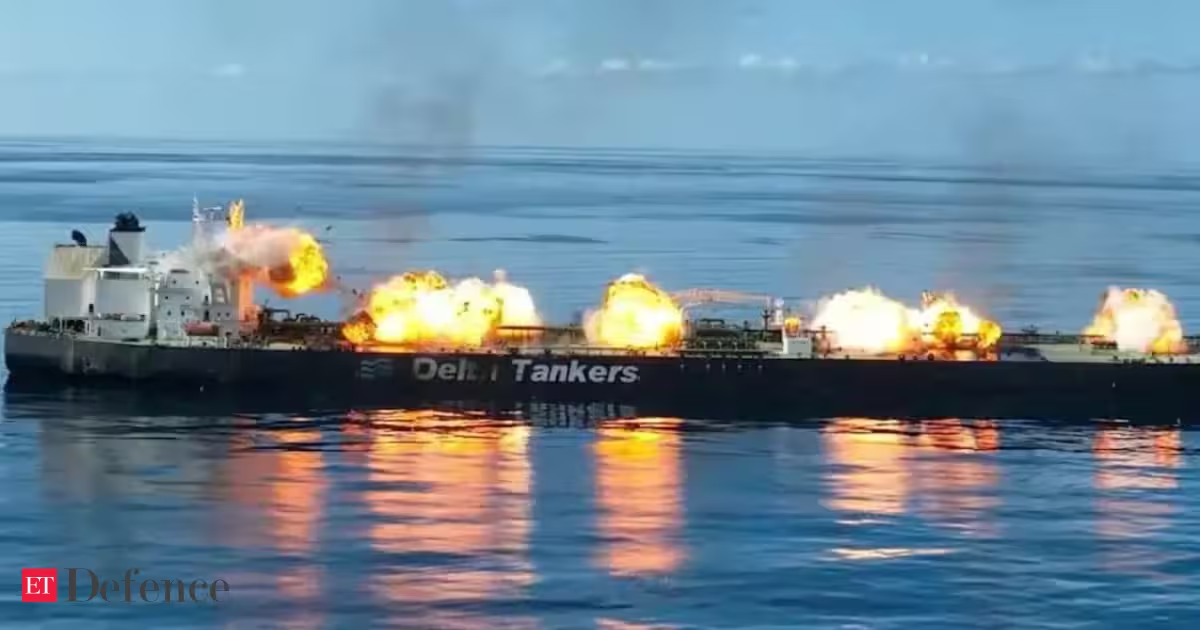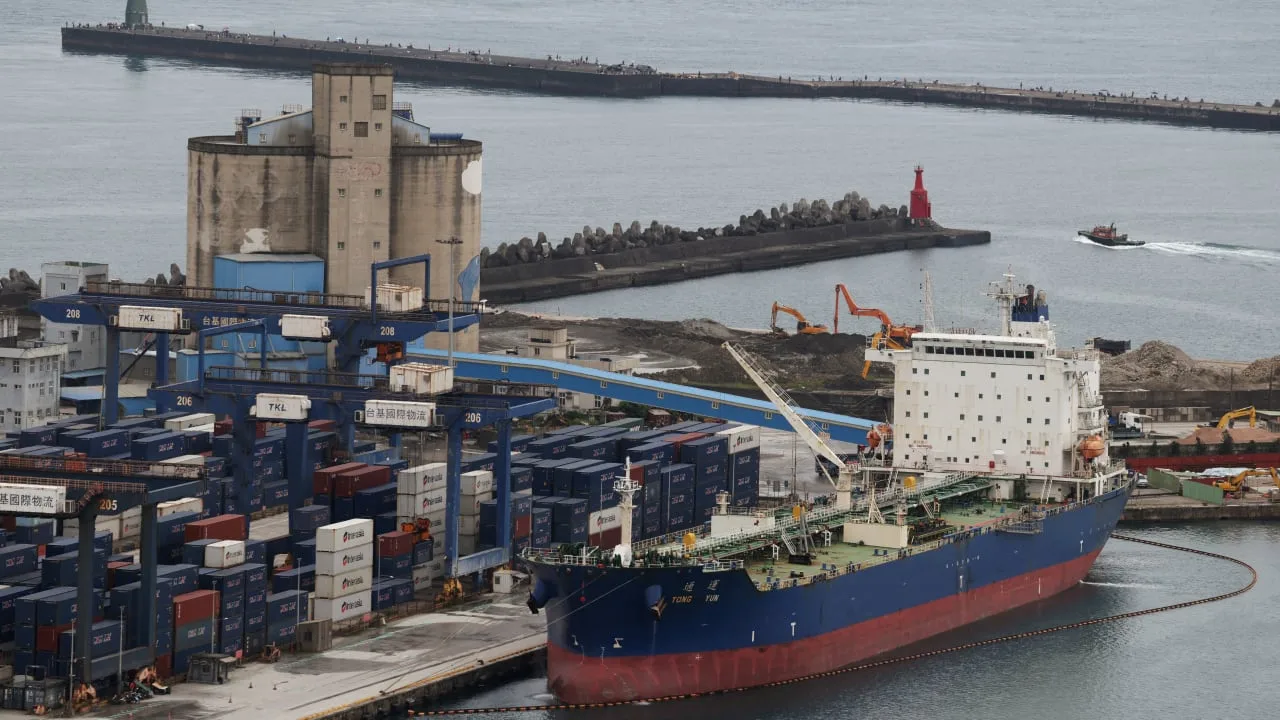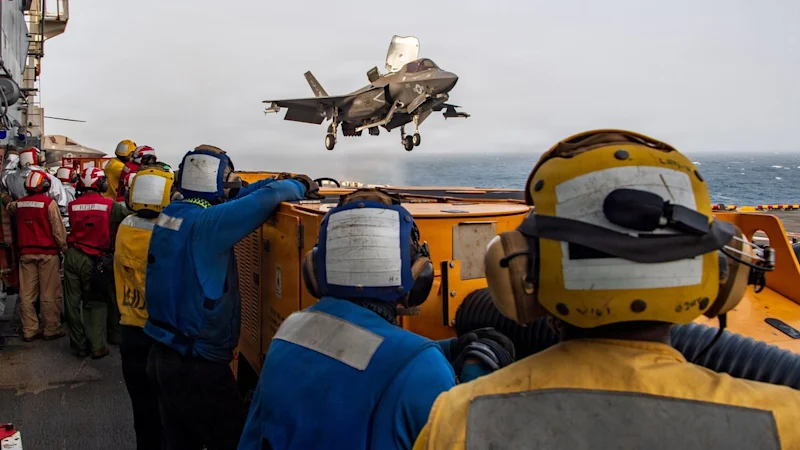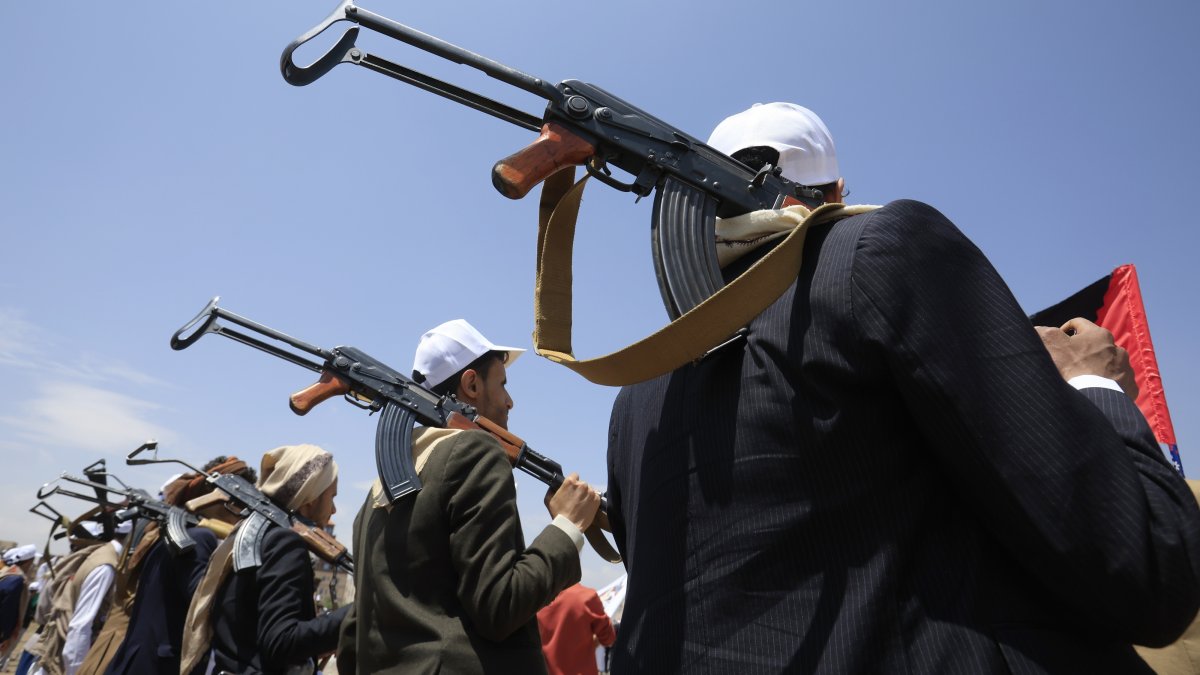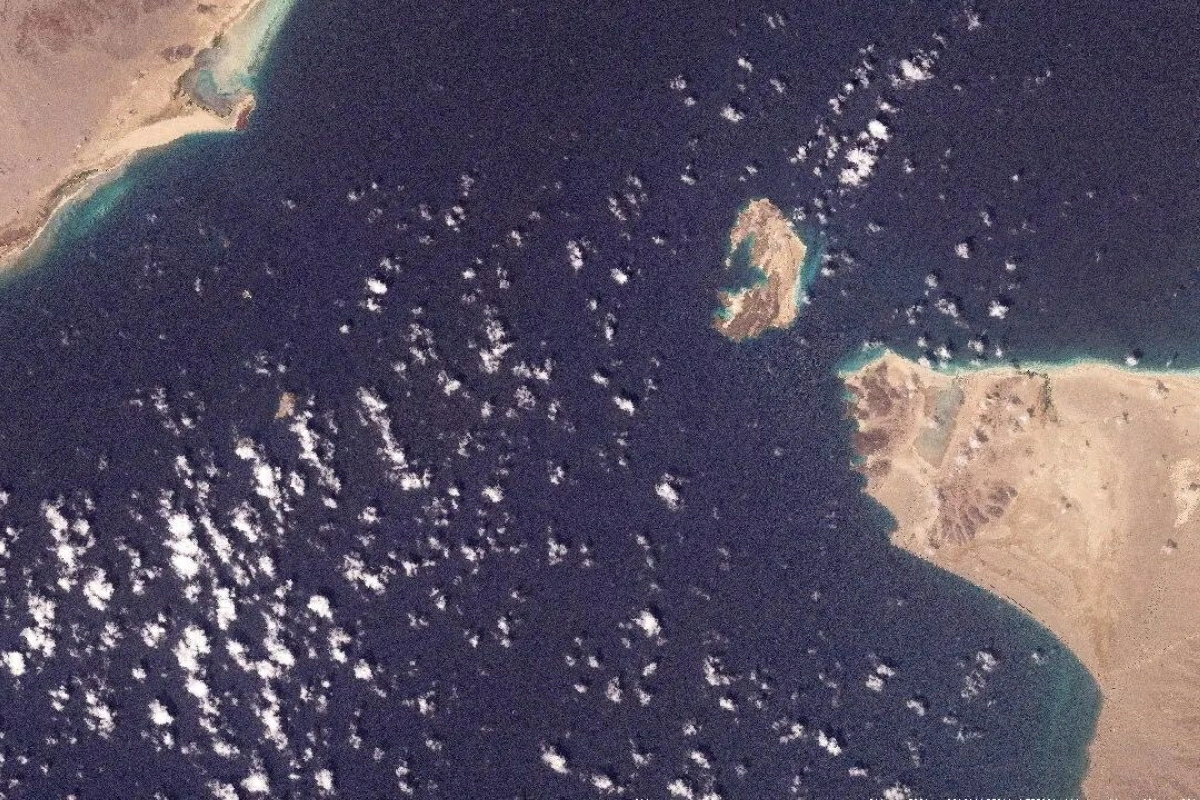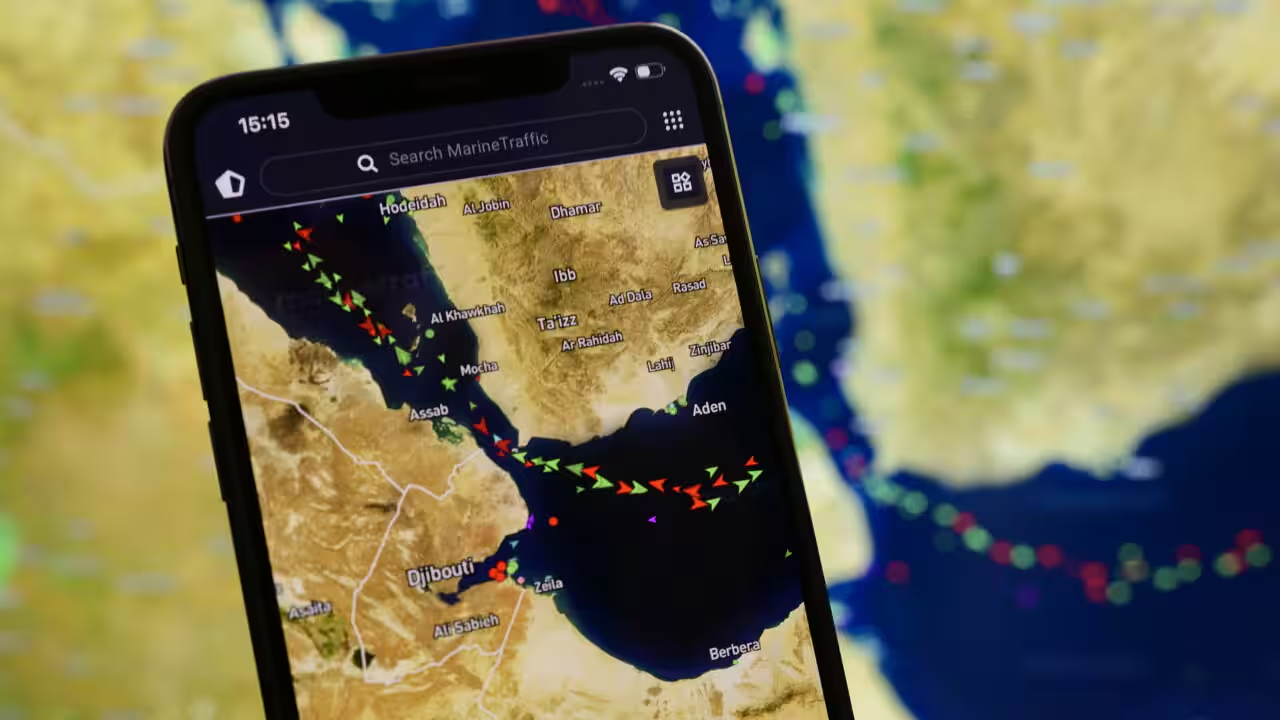
In briefYemen's Iran-backed Houthis said they had carried out strikes on Saudi tankers in the Red Sea.Iran and the US traded strikes, with Donald Trump threatening to target Iranian infrastructure and Iran warning it would retaliate.Yemen's Houthi rebels have claimed they struck two Saudi Arabian oil tankers in the Red Sea, opening a new front in the US-Iran war engulfing the region and raising the risk of further disruption to global oil trade.The claim came as the United States launched a fresh wave of strikes on Iranian military targets, marking the twelfth consecutive night of US attacks on Iran.The Houthis said they had carried out missile and drone strikes on two Saudi tankers that "violated the blockade", naming the vessels as the Encelia and the Layla.British naval security monitor UKMTO said the master of a tanker reported being struck by an unknown projectile about 70 nautical miles south-west of Al Shuqaiq, causing a fire that the crew was fighting.The Red Sea escalation followed a Houthi threat to blockade Saudi ports, widening the pressure on key Middle East shipping routes already shaken by fighting over the Strait of Hormuz.News that makes senseYour trusted source for staying up-to-date with the world around you. Get free daily news updates and analysis, straight to your inbox.US President Donald Trump had threatened to destroy an Iranian bridge or power plant for every attack on shipping in Hormuz, drawing an "eye for an eye" warning from Iran as both sides sharpened threats in the escalating war.Fighting over the vital energy waterway has collapsed a preliminary deal between the US and Iran, with Iran reimposing its blockade and firing on vessels that seek to transit."Any time the Islamic Republic of Iran shoots at a ship in the Strait of Hormuz, whether it be by Missile, Rocket, Drone, or any other device or weapon, the United States will bomb and destroy ONE BRIDGE OR POWER PLANT," Trump wrote on social media.Iranian foreign minister Abbas Araghchi said Iran would respond in kind to any attack on its infrastructure."Our defence doctrine is clear: eye for an eye," Araghchi wrote on X. "Any aggression against Iran, including our infrastructure, will compel a powerful and decisive response."Iran strikes US targets in three countriesIran's state broadcaster quoted the military as saying that US threats "will have no result other than the expansion of the war".Trump has faced intense political pressure to end the conflict, which US defence secretary Pete Hegseth said had cost the United States US$37.5 billion ($53.5 billion), up from nearly US$29 billion ($41.5 billion) in mid-May.But Trump rejected polls showing the war was unpopular as he headed to an airbase for the return of the remains of four US service personnel.Three were killed in an Iranian attack on a military base in Jordan, and one died during a controlled detonation of an unexploded Iranian drone in Iraq."Americans don't want high gasoline prices but they're not against the war," Trump said.Brent crude, the global oil benchmark, briefly topped US$95 ($135) a barrel for the first time in nearly six weeks earlier this week. Crude futures later shed some gains, but were still up about 3 per cent.Kuwait's army said on Thursday its air defences were intercepting hostile drones, following several days of Iranian strikes on the country."Kuwaiti air defenses are currently responding to hostile drone threats," the army said on X. "Any explosions that may be heard are the result of air defense systems intercepting hostile targets."Jordan said it had shot down four missiles and four drones, while air alert sirens sounded in Bahrain.The Iranian military and its powerful Revolutionary Guards confirmed targeting US assets in all three countries.Trump's threat to HouthisTrump said he would "take care of" the Houthis if they followed through on their blockade threat against Saudi ports.It remains unclear how fully the Houthis could enforce such a blockade, but the threat could compound the shock of the Strait of Hormuz closure by disrupting shipping through another key waterway, endangering Saudi Arabia's ability to bypass the strait for some oil exports.Yemen sits on the Bab al-Mandab Strait — the southern gateway to the Red Sea — and closing that would open up a new front in the energy crisis and Iran's overarching conflict with the US.A serious disruption of oil flows in Bab al-Mandab would mean both of the Middle East's major oil export routes are shut simultaneously — potentially leading to oil supply issues. Credit: SBS NewsThe Houthis had been broadcasting radio warnings to vessels, according to the International Chamber of Shipping.The message warned that "in case of non-compliance of Yemeni armed forces decision, those ships will be in our target".During the Israel-Hamas war that began in October 2023, the Iran-backed Yemeni rebels attacked shipping in the Red Sea and Gulf of Aden, forcing vessels to make a long detour around Africa and prompting a US bombing campaign.The latest threats appear to have been enough to encourage several vessels to reverse course before entering waters off Yemen, according to shipping tracker Kpler, though nearly 30 ships still crossed the Bab al-Mandab on Tuesday.Maritime data analysed by Agence France-Presse showed that at least nine ships had turned back from crossing the strait after the Houthi blockade announcement, including three that had taken on oil at Saudi Arabia's Red Sea Yanbu terminal.For the latest from SBS News, download our app and subscribe to our newsletter.
Yemen's Houthis claim Red Sea tanker strikes, as Trump threatens Iran's power plants
The escalations intensify the risk of further pressure on global oil supply and prices.
896 words~4 min read