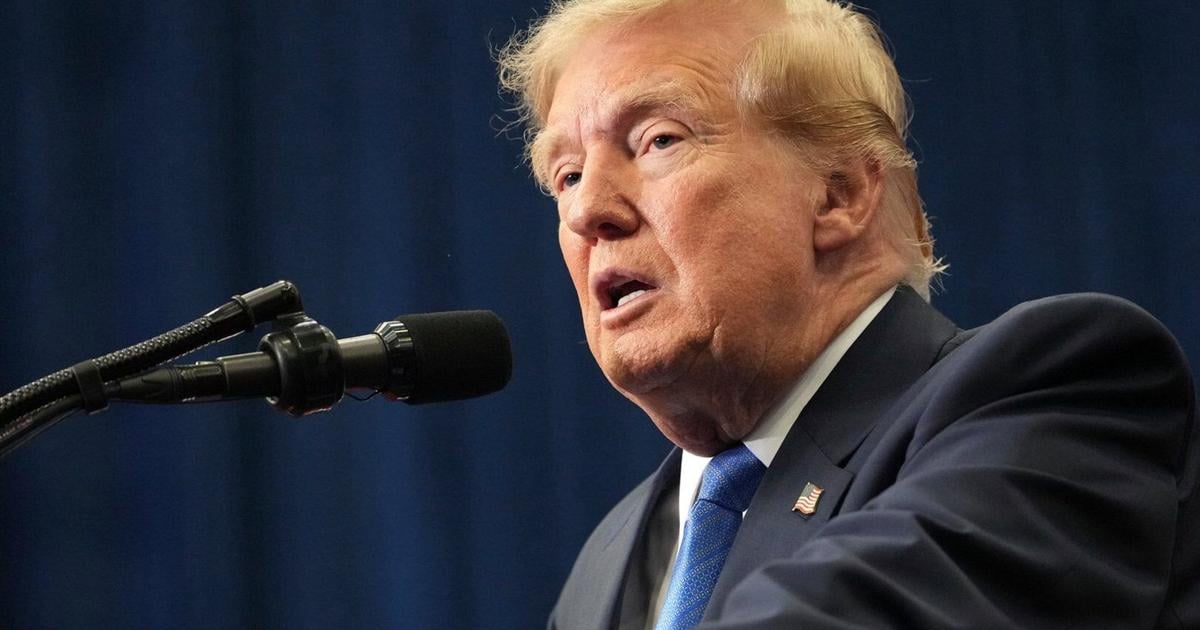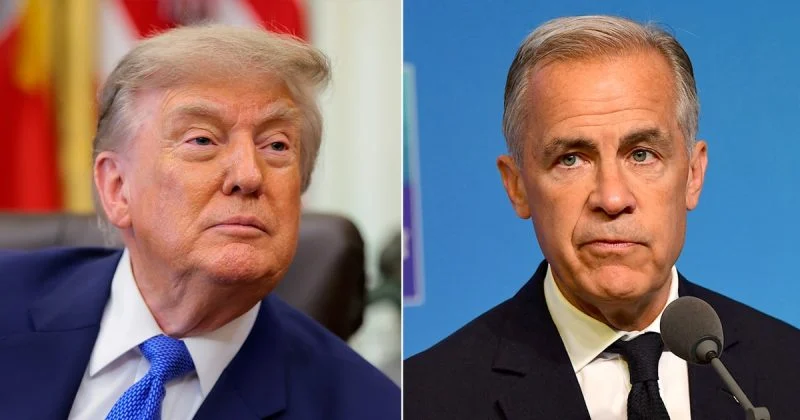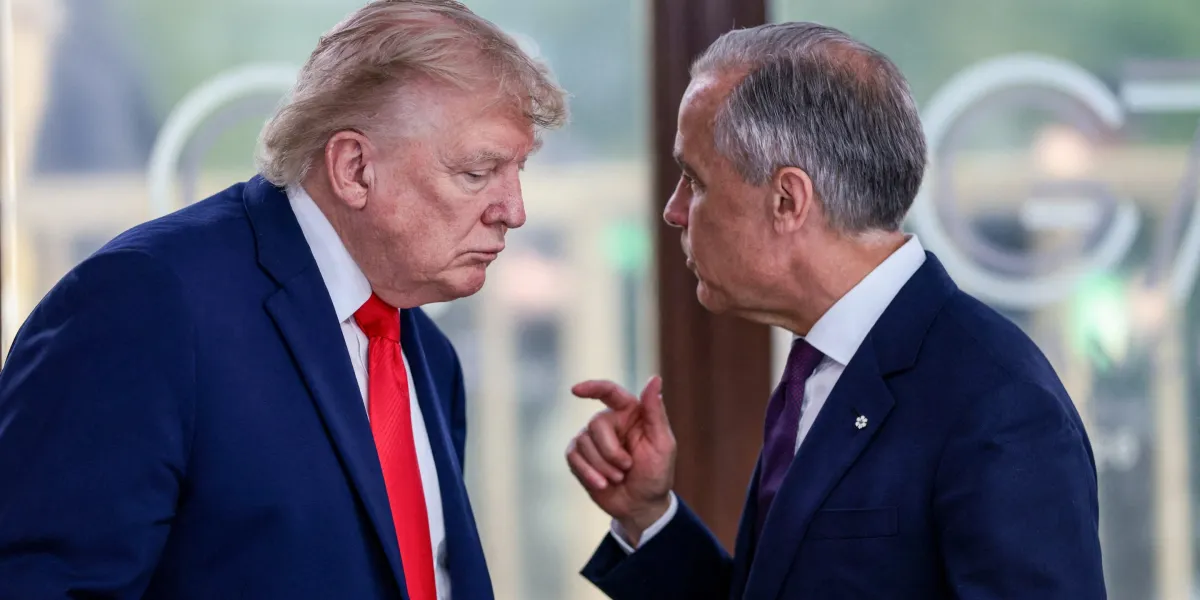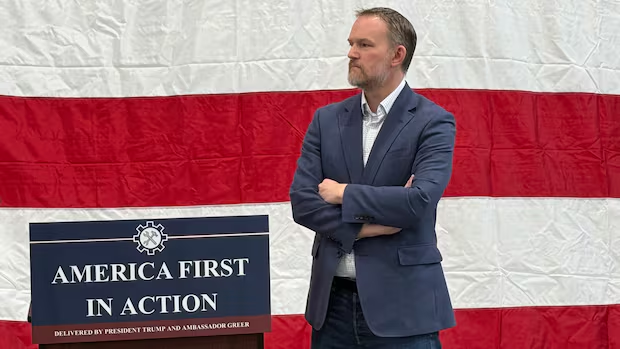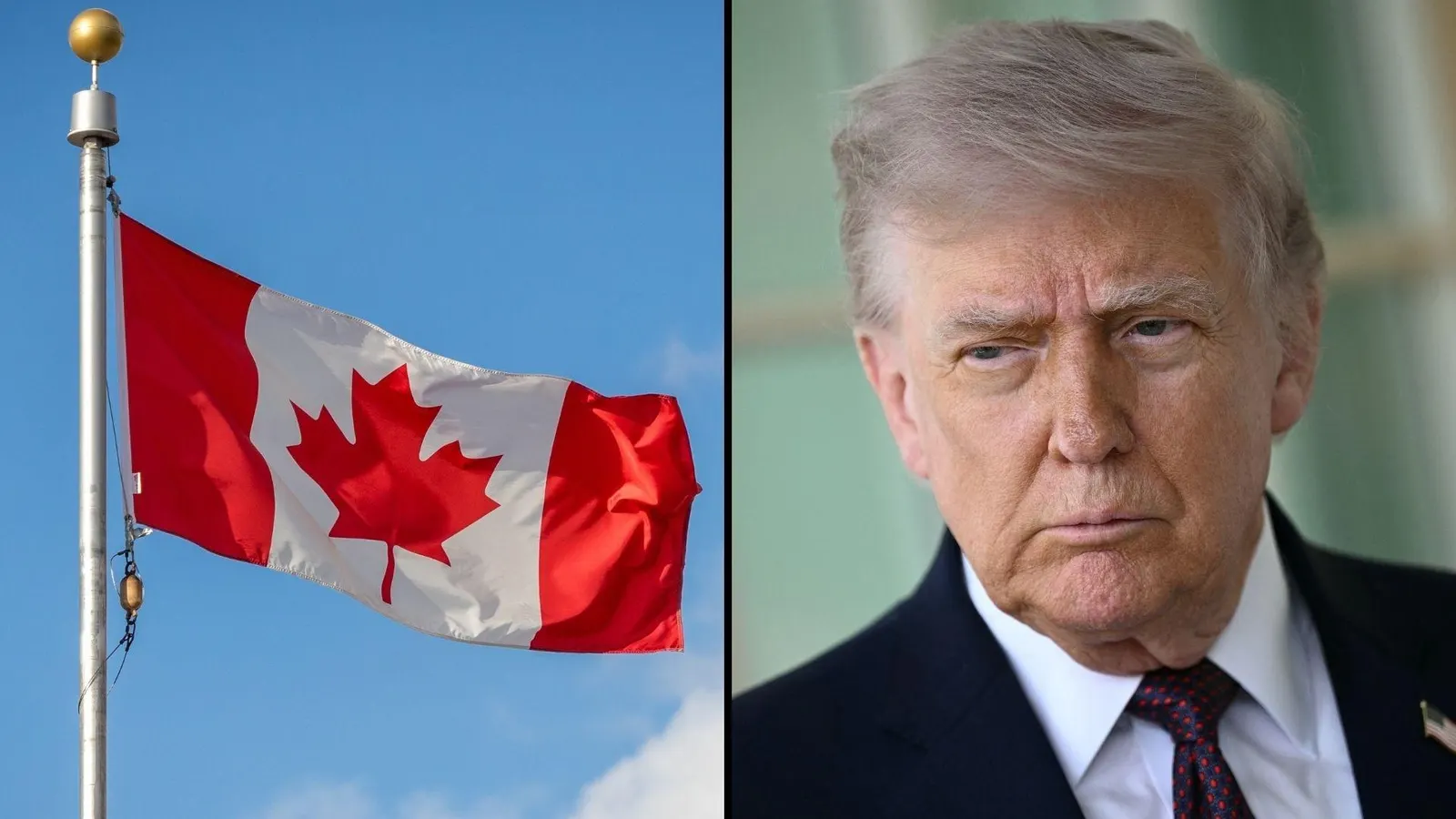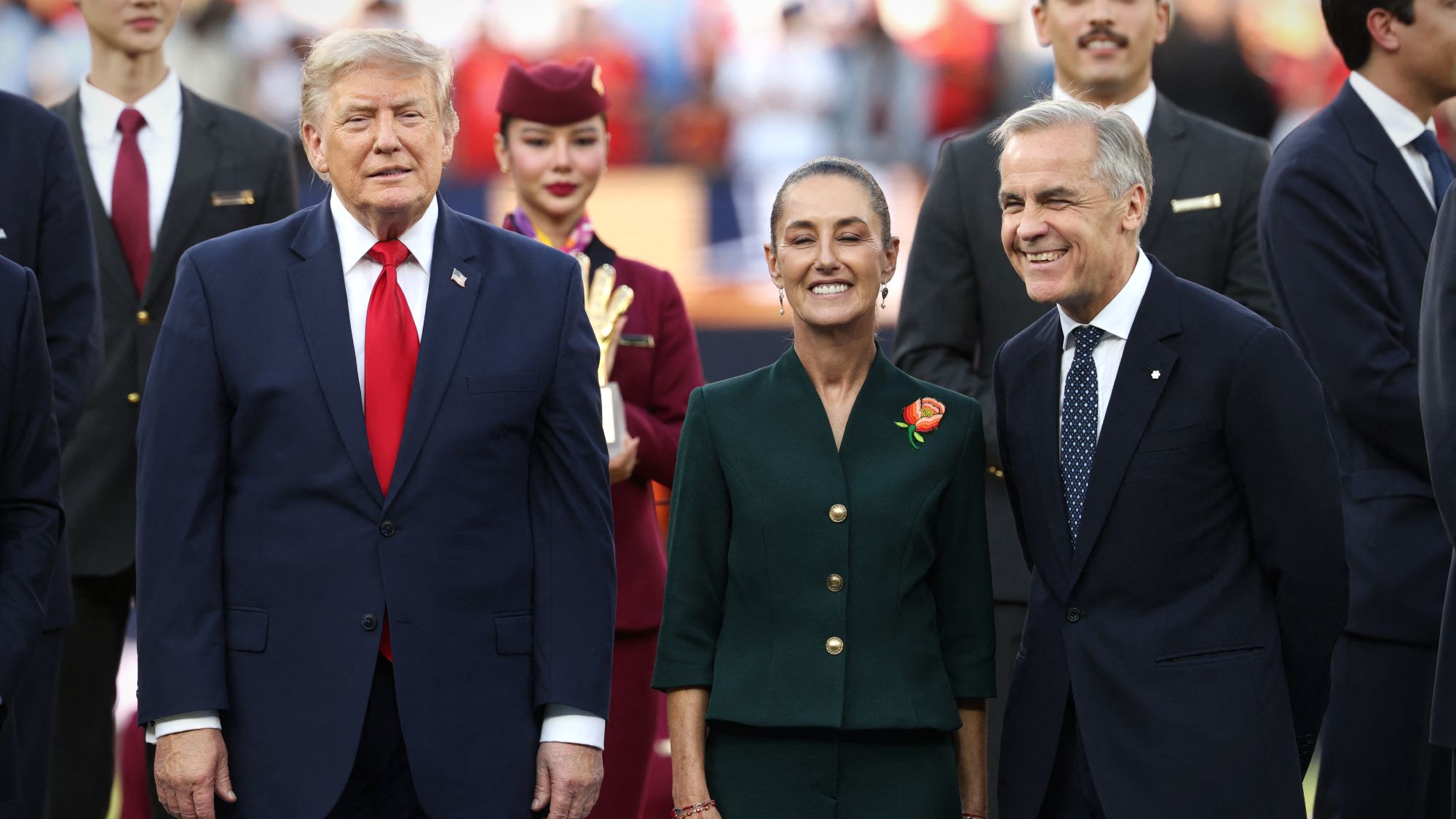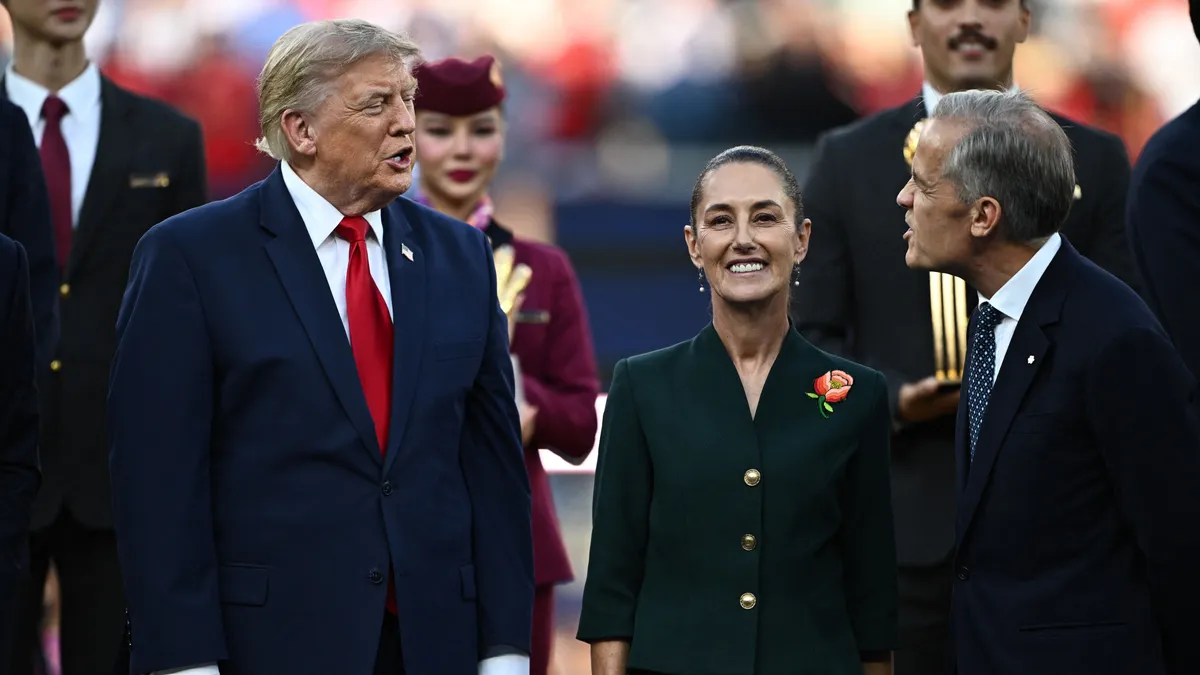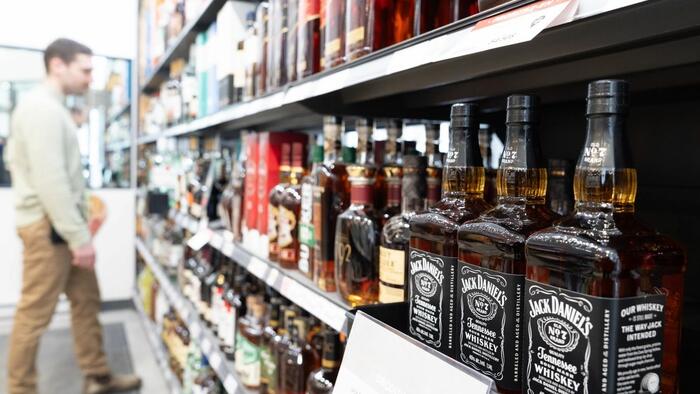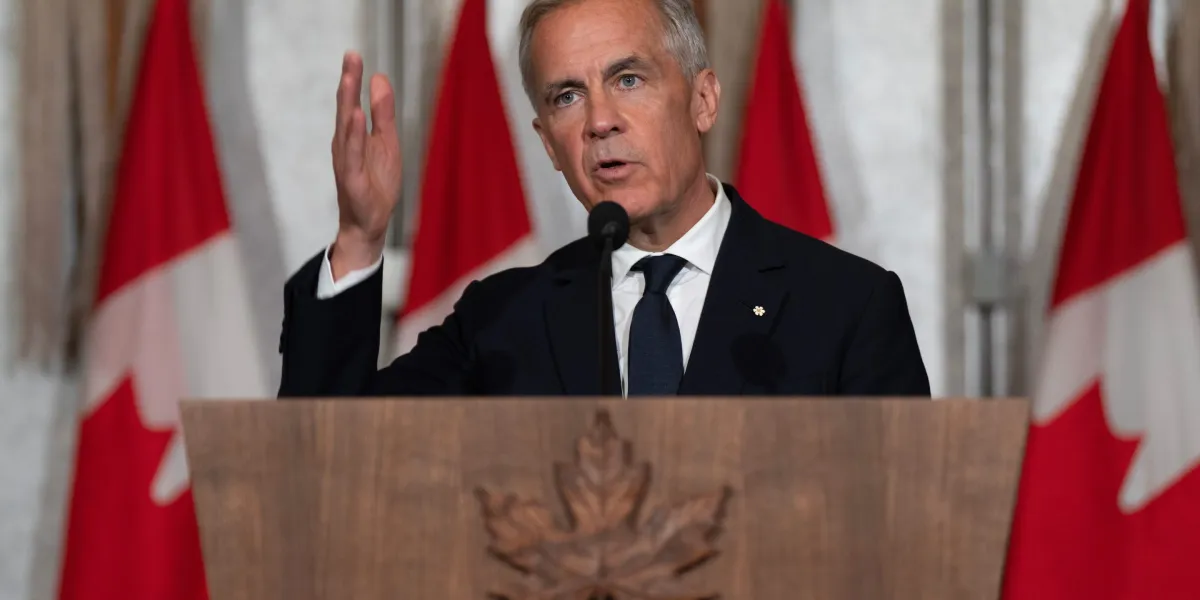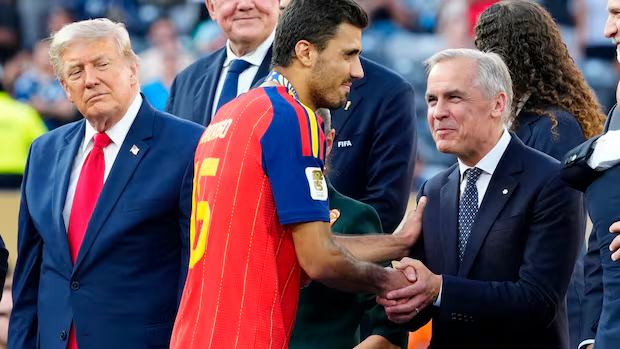
WorldU.S. President Donald Trump is imposing his new tariffs on Canadian exports under a section of law that has never been used since it was put on the books in 1930.50% levy on many Canadian goods imposed under a 1930 law that no president has used beforeMike Crawley · CBC News · Posted: Jul 22, 2026 4:00 AM EDT | Last Updated: 1 hour agoListen to this articleEstimated 4 minutesThe audio version of this article is generated by AI-based technology. Mispronunciations can occur. We are working with our partners to continually review and improve the results.U.S. President Donald Trump, left, watches as a Spanish soccer player shakes hands with Canadian Prime Minister Mark Carney at the World Cup final on Sunday. The next day, Trump hit Canada with threat of 50 per cent tariffs. (Frank Gunn/The Canadian Press)U.S. President Donald Trump is imposing new tariffs on Canadian exports under a section of law that has never been used since it was put on the books in 1930.The unprecedented nature of Trump's move raises the possibility it will face a court challenge — not by Canada, but by a U.S. importer forced to pay the new 50 per cent tariffs.However, if the tariffs actually come into effect and are challenged in court, it's anything but certain that such a legal case would succeed, according to experts in trade law.Is Trump on more solid legal ground?The legislation Trump is using explicitly gives the president the power to impose tariffs of up to 50 per cent on goods from a foreign country that has engaged in trade practices that discriminate against the U.S.Trump's proclamations announcing the tariffs clearly lay out the case that Canada has done just that, says Simon Lester, a non-resident fellow of Rice University's Baker Institute for Public Policy."I think it would be difficult to bring a successful challenge in U.S. court," Lester said Tuesday on his international economic law and policy blog. WATCH | Carney says Trump has agreed to ramp-up trade talks:Carney: Trump agreed to ‘intensify’ trade talksJuly 21|Duration 1:36Prime Minister Mark Carney said U.S. President Donald Trump agreed to ‘intensify’ trade talks after ramping up his trade war against Canada. Carney’s comments come as Trump announced a 50 per cent tariff on a wide range of Canadian exports, in retaliation for what he calls ‘unequal treatment’ of U.S. dairy, alcohol and automotive exports.Lester and other trade law experts say Trump appears to be on more solid legal ground than he was with the tariffs that were ultimately struck down by the U.S. Supreme Court in February.The new tariffs are based on Section 338 of the U.S. Tariff Act of 1930, also known as the Smoot-Hawley Tariff, named for the Republican lawmakers who sponsored the Depression-era bill. Is Canada putting the U.S. at a disadvantage?Section 338 is focused on "discrimination by foreign countries," defined as when a trading partner takes any actions that "place the commerce of the United States at a disadvantage." Trump's proclamations say Canada is putting the U.S. at a disadvantage in three ways: Banning the import and distribution of U.S. alcohol products in eight provinces.Limiting U.S. dairy products access to the Canadian market.Capping certain U.S. vehicle exports to Canada.While Canadian officials might argue that the actions are justified as retaliation against Trump's launching the trade war, Lester says the law says nothing about justifiable discrimination."If discrimination exists, the President can impose tariffs under Section 338," he wrote.WATCH | 'Not a chance in hell' U.S. alcohol coming back, B.C. premier says:Premier Eby says 'not a chance in hell' U.S. alcohol coming back to B.C. shel11 hours ago|Duration 10:18B.C. Premier David Eby says the province won't back down from its ban on U.S. alcohol at government-run liquor stores, despite U.S. President Donald Trump's newly announced tariffs of 50 per cent on a wide range of Canadian exports.John Veroneau, a former deputy U.S. trade representative now with the D.C. law firm Covington & Burling LLP, says Section 338 has fewer limitations and procedural requirements than other tariff laws. "I suspect it may well be challenged if, in fact, the tariffs go into place," Veroneau told CBC News Network on Tuesday. How successful that challenge would be, he’s not yet sure. What Canadian goods is Trump targeting with his latest tariff move?From keeping booze boycotts to withholding energy, premiers talk how to hit back at TrumpAre Trump's new tariffs just a negotiating tactic?The new 50 per cent tariffs are due to kick in on Aug. 19, under the terms of the proclamations issued by Trump. Veroneau says he hopes they won't actually take effect, but are instead just being proposed by Trump to gain negotiating leverage in trade talks with Canada.Frustration, worry and hope: Canadian businesses brace for the latest round of U.S. tariffsAnalysisWill the Gordie Howe bridge still be testament to a successful friendship?Nicolas Lamp, an associate professor in the international law program at Queen's University, says he believes the tariffs are a negotiating ploy aimed at eliminating Canada's leverage with the U.S.He says that's why those who are affected by the tariffs may not try to fight them in court. "Any importer who might think about challenging them will probably not want to waste their money," Lamp told CBC News. ABOUT THE AUTHORMike Crawley is a correspondent for CBC News, based in Washington. He began his career as a newspaper reporter in B.C., spent six years as a freelance journalist in various parts of Africa, then joined the CBC in 2005. Mike reported on Ontario politics for 15 years. He was born and raised in Saint John, N.B.Follow Mike Crawley on X
Why Trump's new tariffs on Canada could face court challenge | CBC News
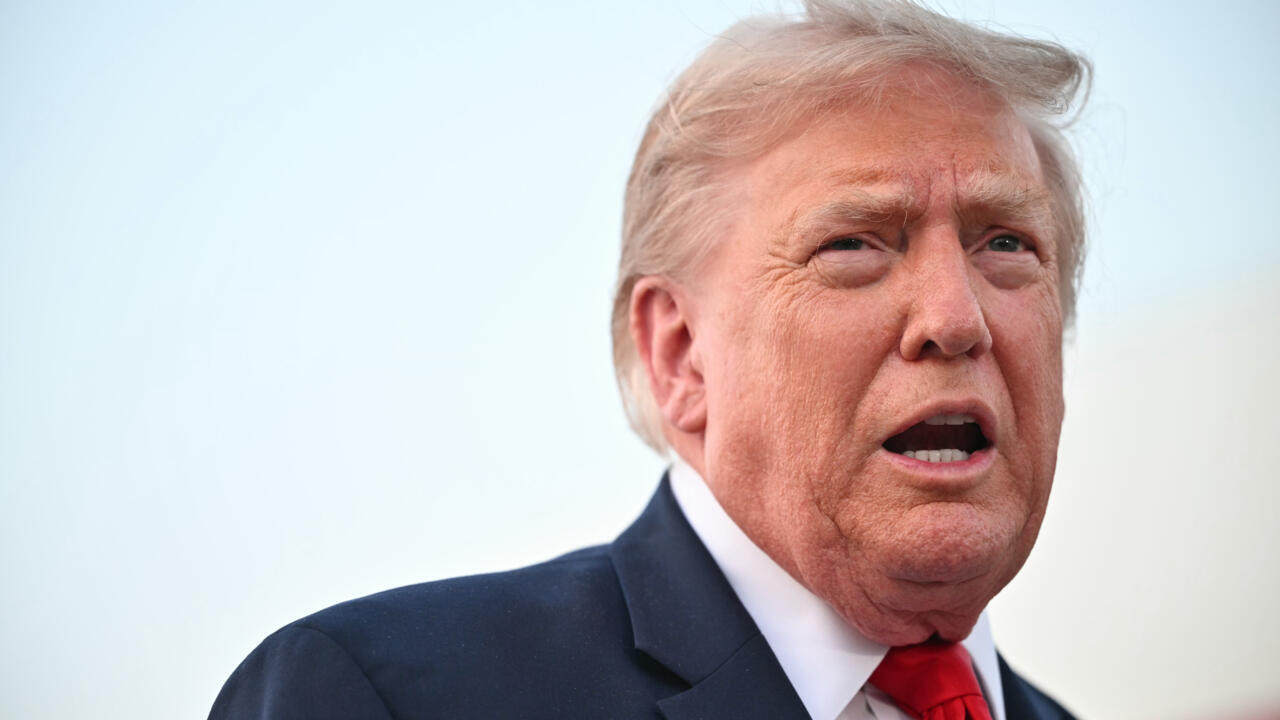
U.S. President Donald Trump is imposing his new tariffs on Canadian exports under a section of law that has never been used since it was put on the books in 1930.
936 words~4 min read