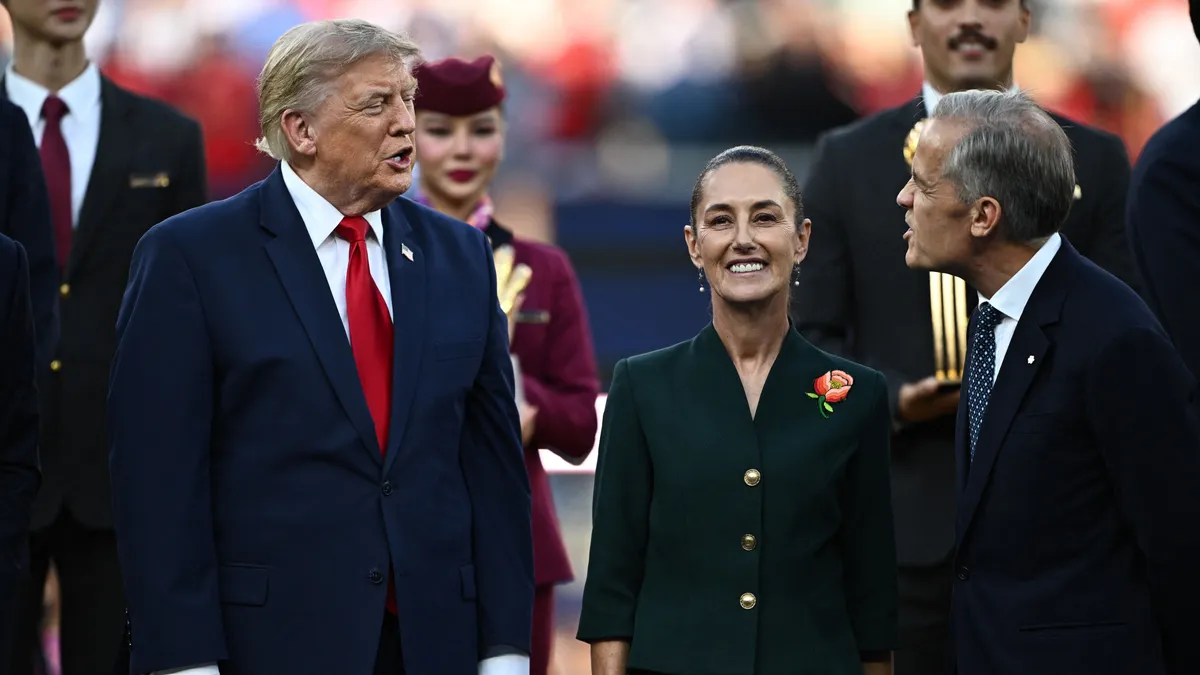
Show Caption
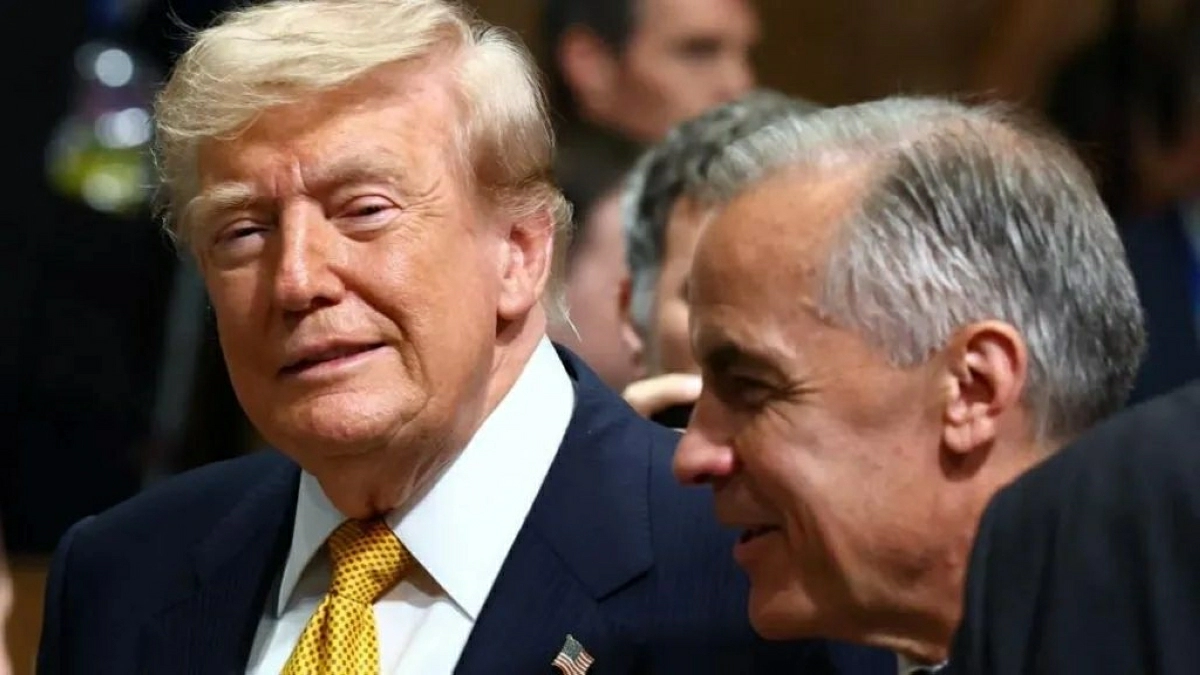
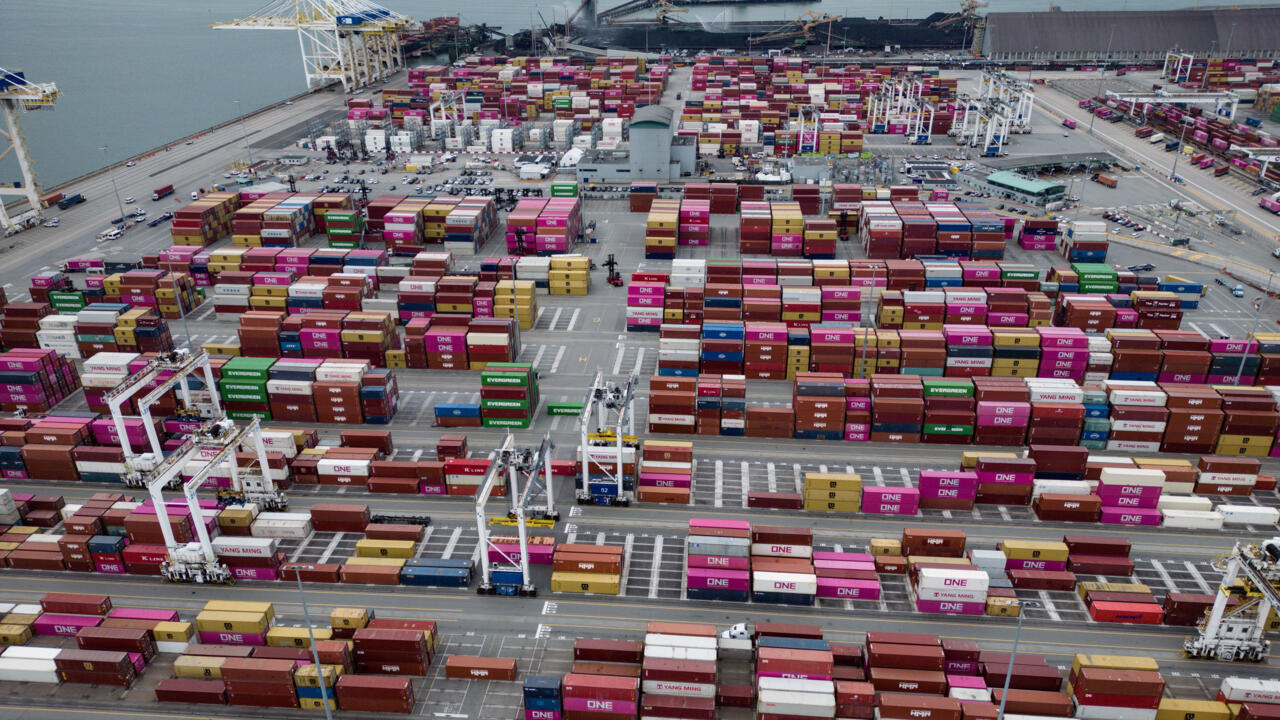
WASHINGTON – President Donald Trump took executive action on July 20 to impose 50% tariffs on a wide range of imports from Canada in retaliation to what his administration called "discriminatory" Canadian trade practices in certain sectors against the United States, according to administration officials.The move, which risks further reigniting a trade war between Canada in the U.S., comes after Trump threatened tariffs against the country in response to smoke that entered the U.S. from raging wildfires in Canada. But an administration official said Trump is exploring different tariffs for the wildfire response.The sweeping tariffs, which go into effect in 30 days, apply to a range of Canadian imports ‒ from wine to hockey sticks to cement, an official said ‒ but do not extend to energy, potash, fish and critical minerals, among other goods. All other Canadian goods covered in the United States-Canada-Mexico agreement are subject to the tariffs.Trump administration officials, who discussed the move on the condition of anonymity with reporters, cited Canadian trade practices on alcohol, automobiles and dairy exported from the U.S. for prompting the new tariff.All but two Canadian provinces have halted the purchase of alcohol from the U.S. but not other countries. Canada has imposed tariffs on automobiles from the U.S. but not other countries. And Canada has established tariff-rate quotas on cheese from the U.S. that are more restrictive than the Canadian policy with the European Union, an official said.Trump signed three proclamations formalizing the tariffs, which were made by invoking the Tariff Act of 1930, often referred to as the Smoot-Hawley Tariff Act. The century-old law is different from the statute Trump cited to try to use presidential emergency powers to impose reciprocal tariffs on countries. The Supreme Court in February blocked Trump's use of emergency powers to impose tariffs, forcing the White House to pursue other legal avenues to unilaterally levy fees on imports.Trump's tariff announcement comes one day after Trump and Canadian Prime Minister Mark Carney interacted each other in East Rutherford, New Jersey, where the two leaders attended the World Cup championship match between Spain and Argentina.For more than a year, the U.S. and Canada have gone back and further in a deepening trade war. Trump imposed 25% tariffs on imported automobiles from Canada, 50% on steel and aluminum imports and 10% on lumber, prompting tariffs and other trade actions from Canada.Reach Joey Garrison on X @joeygarrison.